What Is a Blockchain Explorer? The Complete 2026 Guide for Crypto Users
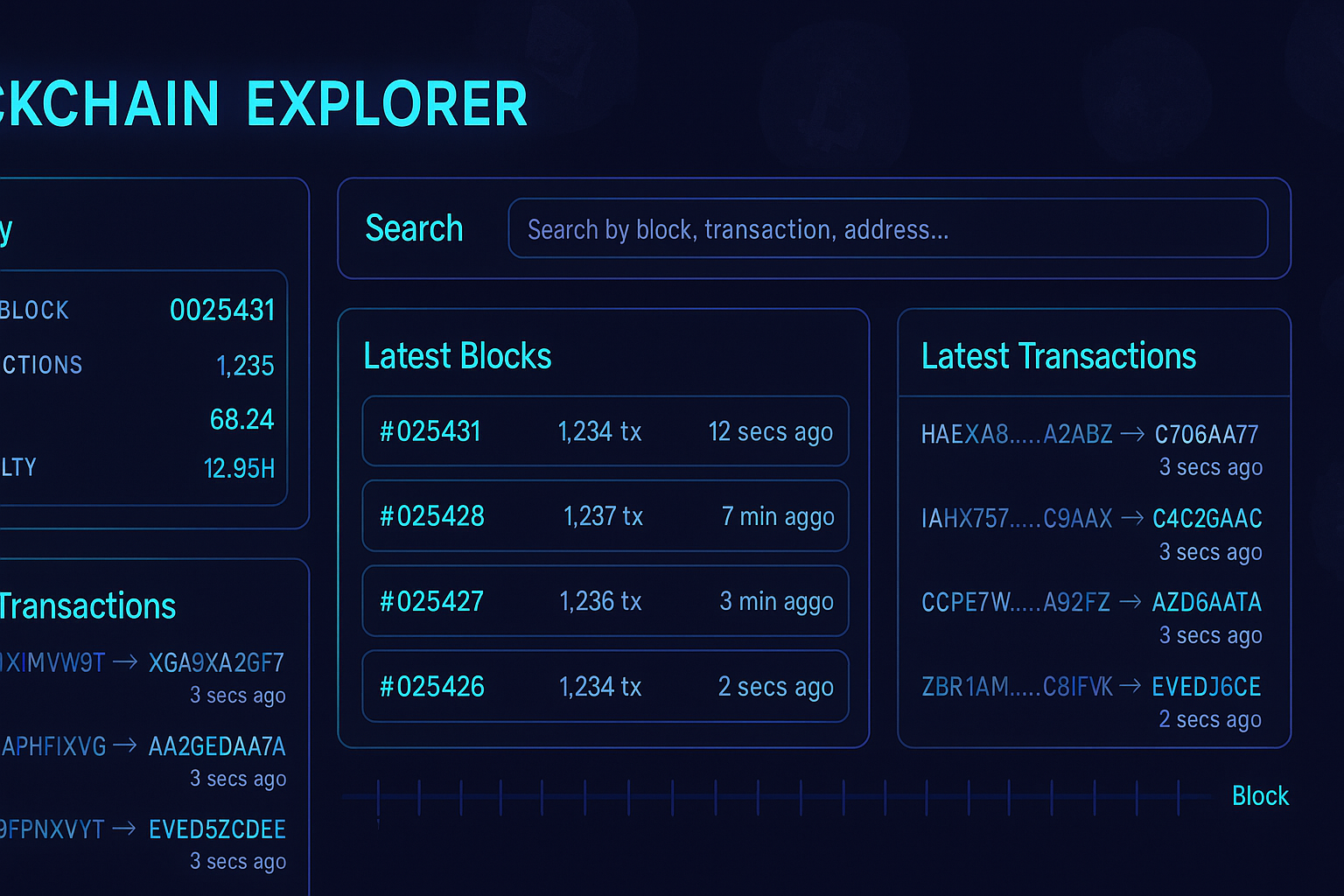
A blockchain explorer is a searchable online tool that lets you look up real-time and historical data stored on a blockchain, such as transactions, wallet addresses, blocks, and fees. It acts like a “blockchain search engine,” helping you verify payments, track activity, and audit on-chain data transparently.
If you use crypto swaps on platforms like GhostSwap, understanding what a blockchain explorer is will help you confirm transactions, spot errors quickly, and stay safer on-chain.
What Is a Blockchain Explorer Explained Simply
The basic idea in plain language
At its core, a blockchain explorer is just a website that shows you what is happening on a blockchain.
Think of it like online banking for crypto, but without logging in. Instead of checking your bank statement, you paste a crypto address or transaction ID into an explorer and see everything related to it that is public on the chain.
Like a transparent public ledger viewer
Blockchains such as Bitcoin and Ethereum keep a permanent, public record of all transactions.
A blockchain explorer gives you a clean, human-readable interface to this public ledger. You can see where coins moved, when they moved, the fees paid, and whether a payment has actually gone through.
Key things you can see with a blockchain explorer
Most explorers allow you to quickly check:
- Wallet balances and past transactions for any public address
- Transaction status (pending, confirmed, failed)
- Block details, such as block height, time, and included transactions
- Network activity, including gas fees and transaction throughput
- Tokens and smart contracts on chains that support them, like Ethereum
How Does a Blockchain Explorer Work?
Under the hood: reading the blockchain
To understand what a blockchain explorer is from a technical perspective, imagine a specialized server that runs a full node of a blockchain.
This node downloads and verifies every block and transaction from the network. The explorer software then parses that verified data, organizes it into a database, and exposes it through a web interface or API.
The basic workflow
- Node syncs with the network: The explorer runs on one or more full nodes that maintain a complete copy of the blockchain.
- Data indexing: Raw block and transaction data are indexed into searchable fields such as addresses, hashes, timestamps, and token IDs.
- API & database: The explorer stores the indexed data in a database (for example, PostgreSQL) and exposes endpoints for queries.
- Web interface: The website you use sends queries to the backend and displays the results in a user-friendly format.
Key technical concepts made simple
- Transaction hash (TXID): A unique identifier for a transaction. Paste this into an explorer to see all its details.
- Block height: The block’s position in the chain. Block 850,000, for example, is the 850,000th block.
- Confirmations: How many new blocks have been added after the block that contains your transaction. More confirmations mean stronger finality.
- Gas and fees: On networks like Ethereum, explorers show gas price, gas used, and the total fee paid.
- Smart contract reads: On smart contract chains, explorers can decode logs and events, letting you see token transfers, swaps, and contract calls in detail.
Different explorers for different chains
Most major blockchains have multiple explorers, each maintained by different teams.
For example, Bitcoin has explorers like Blockchain.com’s explorer, while Ethereum has Etherscan, one of the most widely used tools in crypto.
Why Does a Blockchain Explorer Matter?
Trustless verification of your own transactions
Because blockchains are public, you do not have to trust a wallet app or an exchange to tell you what is happening.
With a blockchain explorer, you can independently verify whether a payment arrived, whether a swap completed, or whether a token actually exists at a specific contract address.
Transparency and accountability
Explorers highlight one of crypto’s core strengths: transparent, auditable activity.
Anyone can track large transfers, monitor protocol addresses, or analyze how DeFi protocols behave on-chain. Analysts, auditors, and regulators increasingly rely on explorers and on-chain analytics to understand market behavior.
Troubleshooting and security
When something goes wrong, an explorer is often the first place to look.
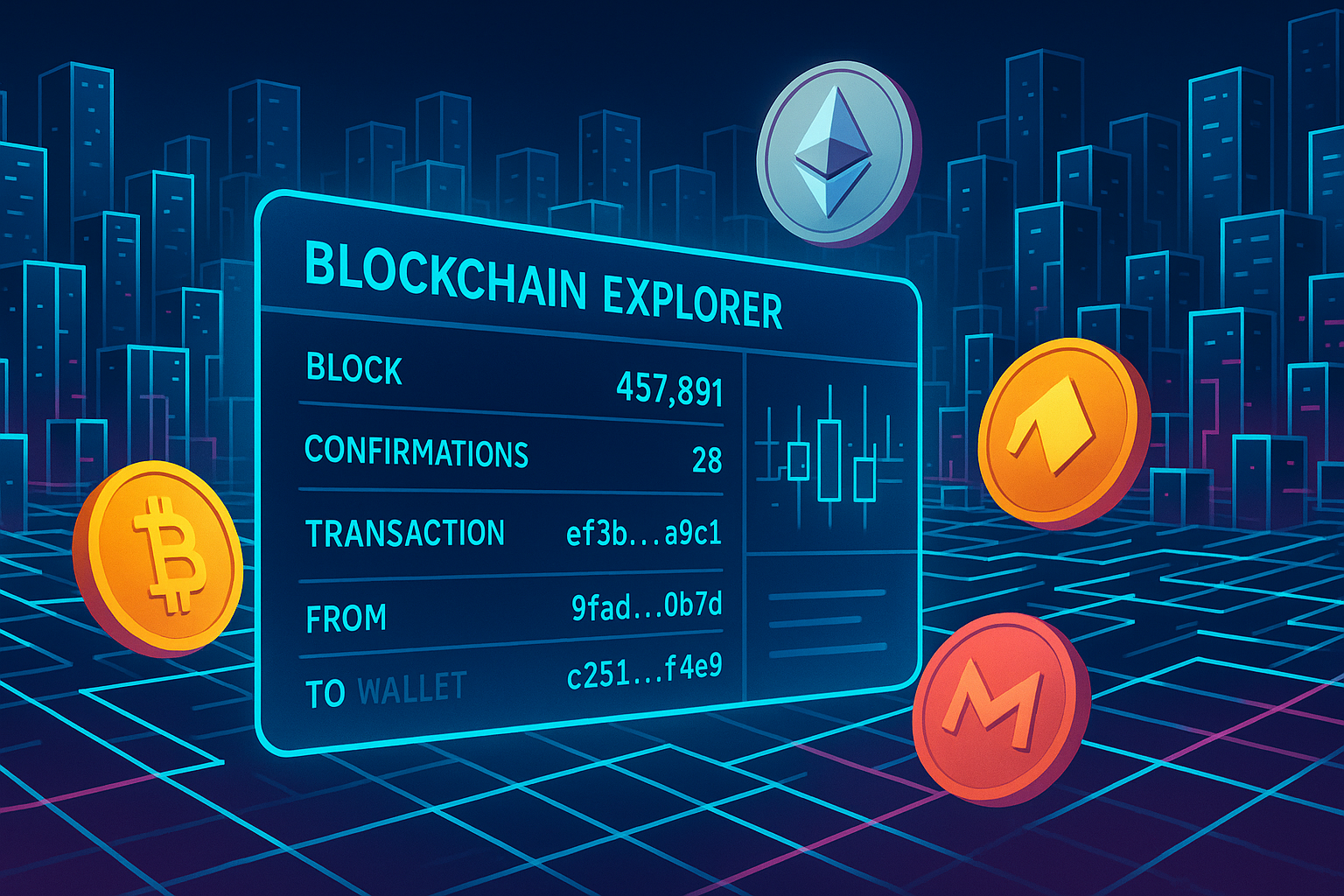
If a transaction is “stuck,” you can check whether it has low fees, is pending in the mempool, or has failed. You can also verify that you sent funds to the correct address and not to a scam contract or phishing address.
DeFi, NFTs, and beyond
Modern blockchain explorers do more than list basic transactions.
On smart contract networks, they decode token transfers, NFT mints, liquidity pool interactions, and more, turning complex bytecode into human-readable information that everyday users can understand.
You can swap BTC, ETH, USDT and 1,500+ other coins on GhostSwap without KYC and then confirm every step of the transaction on a blockchain explorer.
Blockchain Explorer Examples and Use Cases
1. Checking whether your crypto payment arrived
Imagine you send USDT to a friend and they say it has not shown up yet.
You copy the transaction hash from your wallet and paste it into a relevant explorer, such as Etherscan for ERC‑20 USDT or a Tron explorer for TRC‑20. The explorer shows whether the transaction is pending, confirmed, or failed, along with how many confirmations it has.
2. Tracking a swap from a non-custodial platform
When you use a non-custodial swap platform like GhostSwap to exchange one coin for another, there are usually at least two on-chain transactions.
You can paste your deposit transaction hash into a blockchain explorer to see when it is confirmed, then track the outgoing transaction that delivers your swapped asset to your wallet. This helps you see exact timing and fees at each step.
3. Validating token contract addresses
Scammers often create fake tokens with similar names to popular assets.
By using a trusted blockchain explorer, you can verify the official contract address from a project’s website and confirm that the token in your wallet matches the legitimate contract. This is essential when dealing with new or obscure tokens.
4. Monitoring network fees and congestion
Before making a transaction, you can check a blockchain explorer to see current gas prices or average transaction fees.
This helps you decide whether to send a transaction immediately or wait for network congestion to ease. Websites like Etherscan’s Gas Tracker provide this data for Ethereum users.
5. Researching wallets, whales, and protocols
Explorers are powerful tools for on-chain research.
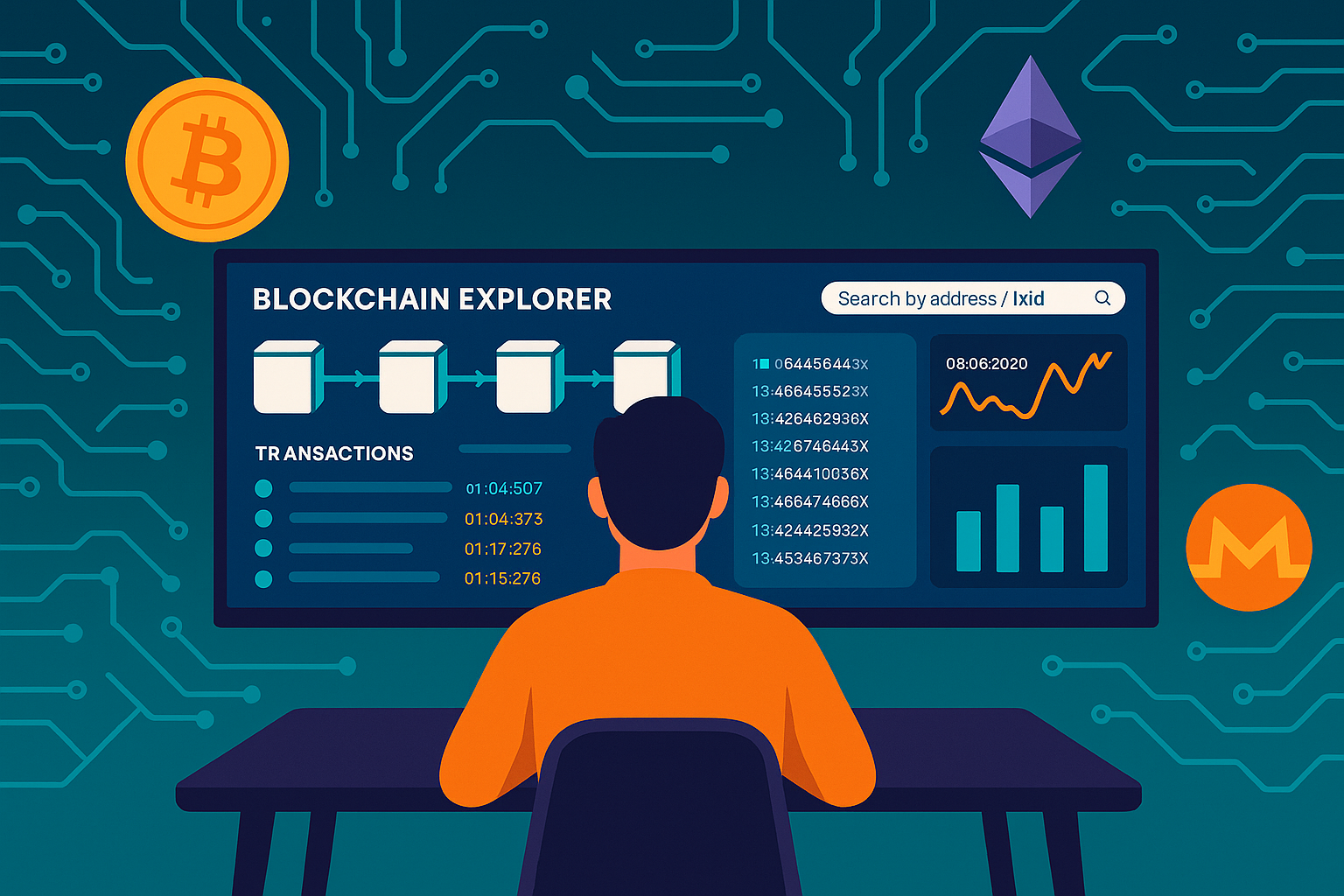
You can track “whale” wallets, monitor protocol treasuries, or analyze how funds flow through DeFi protocols. Combined with market data from sites like CoinGecko or CoinMarketCap, explorers offer deep insights into market behavior.
Pros and Cons of Using a Blockchain Explorer
Advantages
- Full transparency: You can independently verify any on-chain action, from simple transfers to complex DeFi interactions.
- Improved security: Explorers help you spot incorrect addresses, fake tokens, and suspicious contracts.
- Trust minimization: You do not have to rely solely on wallets or platforms to tell you the status of a transaction.
- Free and accessible: Most explorers are free to use and available to anyone with an internet connection.
- Advanced analytics: Many explorers include charts, statistics, and APIs for developers and analysts.
Limitations
- Privacy concerns: While addresses are pseudonymous, explorers make it easy to track activity once an address is linked to an identity.
- Complexity for beginners: Raw on-chain data, hashes, and logs can be confusing for new users.
- Not all chains are equal: Smaller or newer blockchains may have fewer or less reliable explorers.
- No reversal of mistakes: An explorer can show you that you sent funds to the wrong address, but it cannot reverse that transaction.
Best practices when using explorers
- Always double-check network (for example, Ethereum vs BNB Smart Chain) before trusting token data.
- Use official links from project websites to avoid fake explorer domains.
- Remember that what you see is permanent; sending to the wrong address is usually irreversible.
How Blockchain Explorers Relate to Trading on GhostSwap
Verifying non-custodial swaps on-chain
GhostSwap is a non-custodial instant swap service, which means you stay in control of your funds while trades are executed through on-chain transactions.
When you initiate a swap, you send crypto from your wallet to a designated address. Using a blockchain explorer, you can confirm when your deposit is received, how many confirmations it has, and when the output transaction is broadcast and confirmed.
Checking transaction speeds and fees
Because GhostSwap supports 1,500+ trading pairs across multiple networks, each transaction may experience different network conditions.
A blockchain explorer lets you see real-time data about congestion and typical fees on a given chain so you can better understand swap timing and costs.
Staying private while staying informed
GhostSwap does not require KYC and does not hold your funds, which supports a more private, self-custodial trading experience.
At the same time, explorers give you full visibility into where your coins are in the settlement process. This combination of a non-custodial swap platform with transparent on-chain data puts you in full control.
Ready to Trade with Confidence?
Once you understand what a blockchain explorer is and how to use it, you can trade and move crypto with much more confidence.
Use a reliable explorer to confirm addresses, track transactions, and monitor network conditions before you initiate your next swap crypto instantly.
Frequently Asked Questions
Is a blockchain explorer the same as a wallet?
No. A blockchain explorer does not hold or control your funds. It only displays publicly available blockchain data. A wallet, by contrast, manages your private keys and lets you send and receive crypto. You can use both together by copying addresses or transaction IDs from your wallet into an explorer.
Do I need an account to use a blockchain explorer?
In almost all cases, no. Public blockchain explorers are free and do not require an account or login. You simply visit the website, paste an address, block number, or transaction hash into the search bar, and view the results.
Can a blockchain explorer reveal my real identity?
Explorers show addresses, amounts, and timestamps, but not names or personal info. However, if an address is ever tied to your identity, all activity from that address becomes traceable. This is why many users value non-custodial, privacy-respecting platforms and are careful about reusing addresses.
What is the safest way to use a blockchain explorer?
Type the explorer’s URL directly or use official links from trusted sources to avoid phishing sites. Never paste your seed phrase or private key into an explorer. Only share public information like wallet addresses or transaction IDs, and double-check that you are viewing the correct network and token contracts.
Which blockchain explorer should I use?
Use explorers that are widely recognized and officially recommended by the blockchain or wallet you are using. For Bitcoin, you might use Blockchain.com’s explorer or others; for Ethereum, Etherscan is a common choice; for alternative chains, check the official documentation or website for the recommended explorer link.