What Is a Blockchain Explorer? The Complete 2026 Guide for Crypto Users
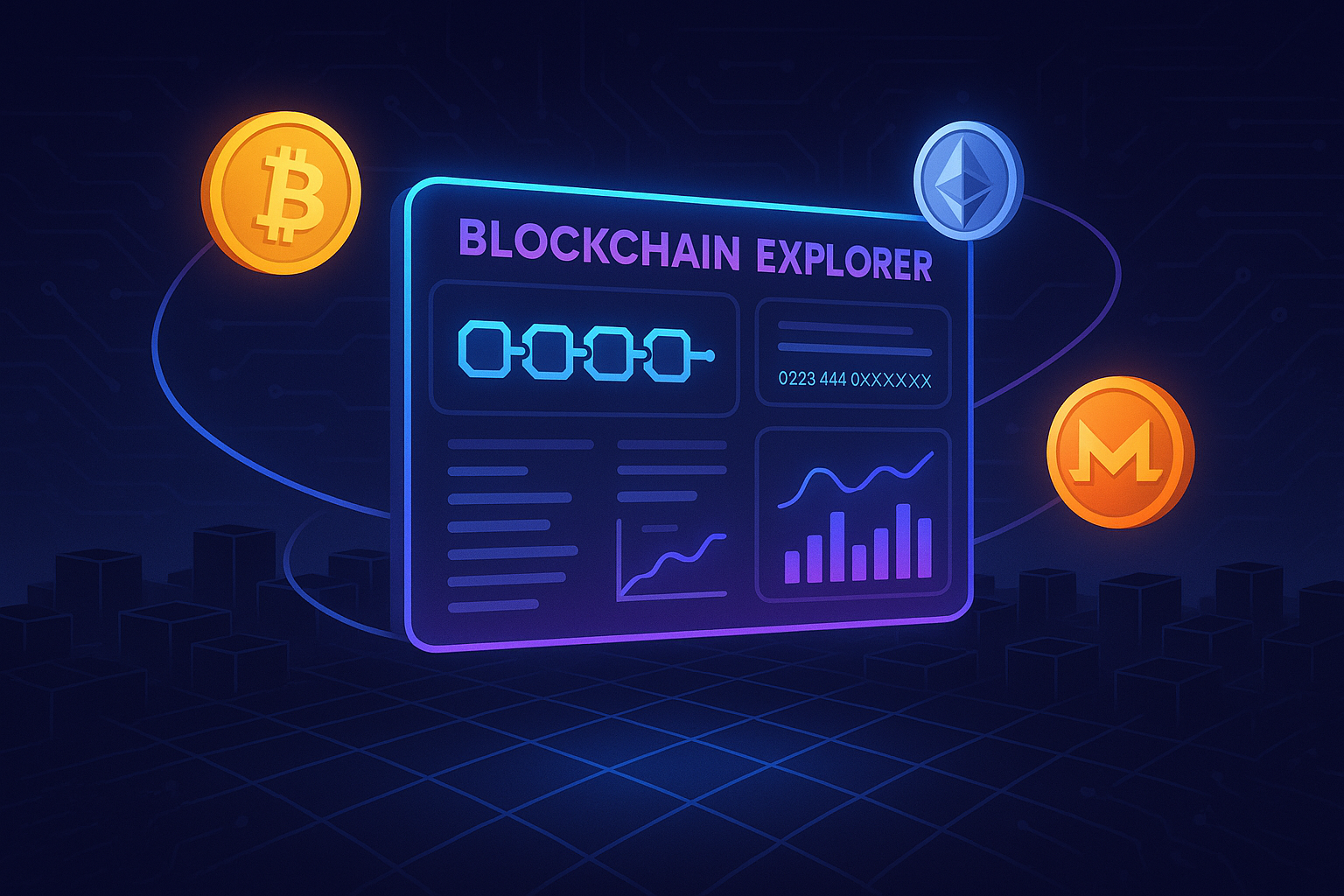
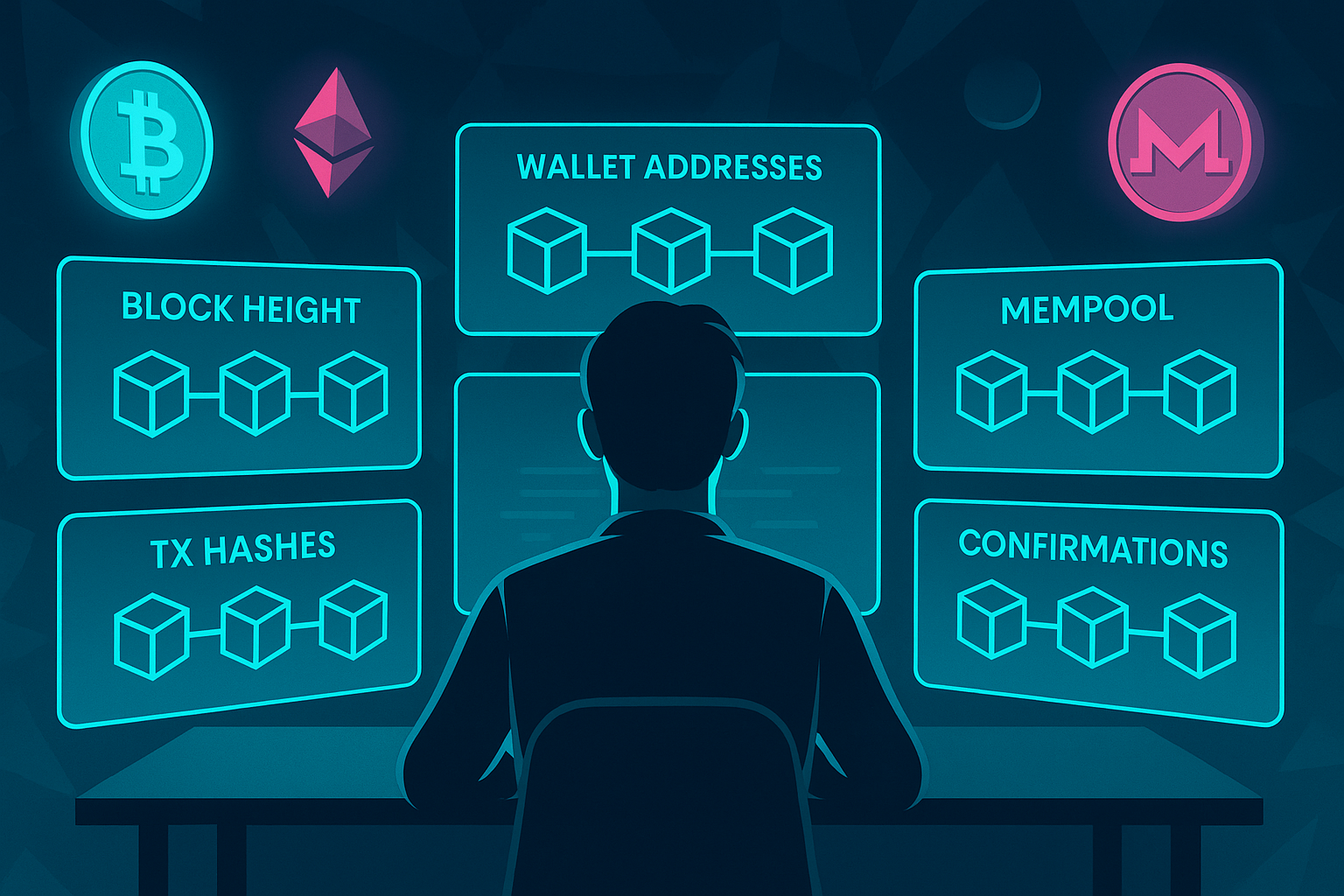
A blockchain explorer is a search engine for a blockchain. It lets you look up transactions, wallet addresses, blocks, fees, and network activity in real time. By entering a transaction ID or address, a blockchain explorer shows where crypto came from, where it went, when it was confirmed, and how much was paid in fees.
If you use wallets, DeFi apps, or instant swap services like non-custodial exchanges, a blockchain explorer is one of the most important tools to understand and verify what is happening with your funds.
Blockchain Explorer Explained Simply
A public window into a public ledger
Think of a blockchain as a public, shared spreadsheet that records every transaction ever made on that network.
A blockchain explorer is like a powerful “view” button on that spreadsheet. It shows you who sent what, to whom, and when, without revealing real-world identities.
Like online banking, but for crypto
When you log in to online banking, you see your transaction history, balances, and references.
With crypto, you do not log in to the blockchain itself. Instead, you paste a wallet address or transaction hash (TXID) into a blockchain explorer to see activity linked to that address on networks like Bitcoin, Ethereum, or many others.
No account, no login, fully transparent
Blockchain explorers are usually free and public. You do not need an account, KYC, or login.
Because most blockchains are public, explorers can show the same data to everyone, from beginners checking a swap to analysts tracking large on-chain movements.
How Does a Blockchain Explorer Work?
1. Reading data from full nodes
Every blockchain has nodes that store a copy of its ledger. A full node typically keeps all blocks and transactions from the genesis block onward.
A blockchain explorer connects to one or more of these nodes, continuously reading new blocks, mempool transactions, and state data. It then stores and indexes this information in its own databases so it can be searched efficiently.
2. Indexing blocks, addresses, and transactions
Raw blockchain data is not user-friendly. Explorers structure this data into searchable indexes.
- Blocks: Height, timestamp, size, miner/validator, number of transactions, reward, and fees.
- Transactions: Inputs, outputs, amounts, TXID, block confirmations, and fee paid.
- Addresses: Balance, history of sends/receives, and token holdings (on smart contract chains).
Indexing makes it possible to answer questions instantly, like “What is the balance of this address?” or “Which block included this transaction?”
3. Parsing smart contracts and tokens
On networks like Ethereum, BNB Chain, or Polygon, smart contracts power tokens and DeFi apps.
Modern explorers parse smart contract events and methods to show:
- ERC-20 and other token transfers
- NFT (ERC-721/1155) ownership and movements
- Contract interactions such as swaps, staking, and approvals
Instead of hex code and low-level calldata, you see human-readable actions like “Swap 1.2 ETH for 3,000 USDC.”
4. Visualizing mempool and confirmations
Before a transaction is confirmed, it sits in the mempool of nodes as “pending.”
Explorers monitor this area to show you pending transactions, estimated confirmation times, and recommended network fees. Once a block is mined or validated, the transaction receives its first confirmation, then more as additional blocks are added on top.
5. Exposing analytics and on-chain metrics
Many explorers provide higher-level analytics, such as:
- Daily transaction counts and active addresses
- Average and median transaction fees
- Hash rate or validator participation
- Top holders of specific tokens
These metrics are built from the same raw data, aggregated and visualized in charts or tables.
Why Does a Blockchain Explorer Matter?
Trust, but verify every transaction
In crypto, you are often interacting with self-custodial wallets and non-custodial services. There is no “support line” at a bank that can reverse a mistake.
A blockchain explorer lets you independently verify what happened, which is vital when sending funds, using bridges, or swapping via services that never take custody, such as instant swap platforms.
Transparency and accountability
Explorers expose the inner workings of blockchains in real time:
- Anyone can audit large movements and whale wallets.
- Developers and communities can track token distributions or vesting.
- Investigators can follow stolen or hacked funds on-chain.
This transparency is a core reason public blockchains are considered auditable and censorship-resistant.
Security and risk management
With a blockchain explorer, you can:
- Confirm you pasted the correct destination address.
- Check whether a suspicious token or contract is legitimate by viewing its contract creator, holders, and past activity.
- Detect phishing or scam contracts by comparing them with official links from trusted sources.
Combined with external resources like CoinGecko or CoinMarketCap, explorers become key tools in your due diligence workflow.
Better user experience in DeFi and swaps
Explorers make decentralized finance less opaque. When you initiate a swap in a non-custodial service, you can track:
- When your deposit transaction is confirmed
- When the outgoing transaction back to you is broadcast
- Network congestion or delays that might impact timing
This is particularly important when you swap volatile assets or when network fees are high.
Blockchain Explorer Examples and Use Cases
1. Checking if your transaction went through
Use case: You send BTC from your wallet to an exchange or a friend.
You paste the TXID into a Bitcoin explorer to see:
- Current status: unconfirmed, partially confirmed, or fully confirmed
- Number of confirmations
- Fee rate and which block included your transaction
This tells you if the receiver should have the funds yet or still needs to wait for more confirmations.
2. Verifying a swap or bridge transaction
Use case: You swap ETH for USDT using a non-custodial aggregator, or you bridge tokens from one chain to another.
You can:
- Track your deposit to the swap service’s address
- Check when the swap contract executed the trade
- Confirm that the correct amount of the output token was sent to your receiving address on the target chain
You can swap BTC, ETH, USDT and 1,500+ other coins on GhostSwap without KYC.
3. Exploring token holdings and distributions
Use case: You are evaluating a new project and want to check for potential “whale risk.”
On a token’s contract page in an explorer, you can see:
- Top token holders and their percentages
- Whether the contract owner has control over minting or pausing
- Unusual concentration of tokens in a few wallets
This helps you judge whether the token economics look healthy or fragile.
4. Debugging failed DeFi interactions
Use case: Your DeFi transaction fails or is “dropped and replaced” due to low gas.
Blockchain explorers often show error messages or reasons, such as:
- “Out of gas” or insufficient gas limit
- Revert messages from smart contracts
- Replacement TX with higher gas fees
This helps you understand what went wrong and how to fix it on the next attempt.
5. Researching on-chain trends
Use case: Analysts or advanced traders look at on-chain metrics before making decisions.
They may use explorers to study:
- Daily active addresses and transaction volume trends
- Large inflows or outflows from major wallets
- New contract deployments and NFT minting spikes
Combined with price data from external sources, this can inform longer-term market views.
Pros and Cons of Blockchain Explorers
Advantages
- Transparency: Anyone can verify transactions and balances on public chains.
- Security: Helps detect errors and scams by letting users inspect addresses and contracts.
- No account needed: Explorers are generally free, public, and require no login or KYC.
- Education: Great way to learn how blockchains, tokens, and DeFi protocols behave on-chain.
- Analytics: Provide powerful tools for monitoring network health and activity.
Limitations
- Privacy concerns: While addresses are pseudonymous, repeated use patterns can reveal behavior.
- Complexity for beginners: Raw blockchain data can still be confusing without guidance.
- Centralization risk: Many people rely on a few popular explorers; if they are down or censored, access to data is restricted.
- Partial coverage: Not all explorers fully decode every new token standard or smart contract type immediately.
- Misinterpretation: Without context, wallet balances or movements can be misread, leading to wrong conclusions.
How Blockchain Explorers Relate to Trading on GhostSwap
Tracking your non-custodial swaps
GhostSwap is a non-custodial swap platform, which means it does not hold your funds. Each trade is executed on-chain via your wallet and liquidity sources.
When you initiate a swap, you can use a blockchain explorer to watch:
- Your deposit transaction into the swap route
- The trade execution on the underlying DEX or liquidity providers
- The outgoing transaction delivering your target asset back to your wallet
Confirming network fees and timing
Explorers show live fee markets and pending transaction loads. Before trading, you can check:
- Current average gas prices on chains like Ethereum
- Estimated confirmation times for different fee levels
- Whether the network is congested or clear
This helps you decide when to execute swaps on GhostSwap for better cost and speed.
Verifying the tokens you receive
After a swap, explorers let you confirm that:
- The correct token contract was used
- The amount received matches the expected output from the quote
- The tokens are in your address, not a third-party custody wallet
This end-to-end visibility builds trust in non-custodial trading and helps you stay in control of your funds.
Ready to Start Trading?
If you understand what a blockchain explorer is, you are already ahead of many new crypto users. Combining explorers with non-custodial tools puts you firmly in charge of your own assets.
You can swap crypto instantly across 1,500+ pairs on GhostSwap without creating an account or completing KYC, while verifying every step of your transactions on your favorite blockchain explorer.
Frequently Asked Questions
What is a blockchain explorer used for in everyday crypto trading?
In daily use, a blockchain explorer is mainly used to check the status of deposits, withdrawals, and swaps.
You paste your TXID or wallet address to see if a transaction is pending, confirmed, or failed, and to confirm that the correct amount was sent to the right destination address.
Is a blockchain explorer the same as a wallet?
No. A blockchain explorer only reads blockchain data; it does not hold or control your funds.
A wallet creates and signs transactions with your private keys, while an explorer simply displays the resulting on-chain information to everyone.
Are blockchain explorers safe and private to use?
Explorers are generally safe because they do not require private keys or logins. You only share public information like addresses or TXIDs.
However, your IP address and browsing patterns might be logged, so privacy-focused users often combine explorers with VPNs or privacy-respecting browsers.
Which blockchain explorer should I use?
The right explorer depends on the network you are using. For example, there are dedicated explorers for Bitcoin, Ethereum, and many other chains.
Always follow links from official project documentation or reputable aggregators to avoid phishing copies, and cross-check contract addresses with trustworthy sources before interacting with new tokens or dApps.
Can I cancel or reverse a transaction using a blockchain explorer?
No. Explorers only display information and do not control the blockchain.
Once a valid transaction is confirmed on most public blockchains, it cannot be reversed by a blockchain explorer, wallet, or exchange.