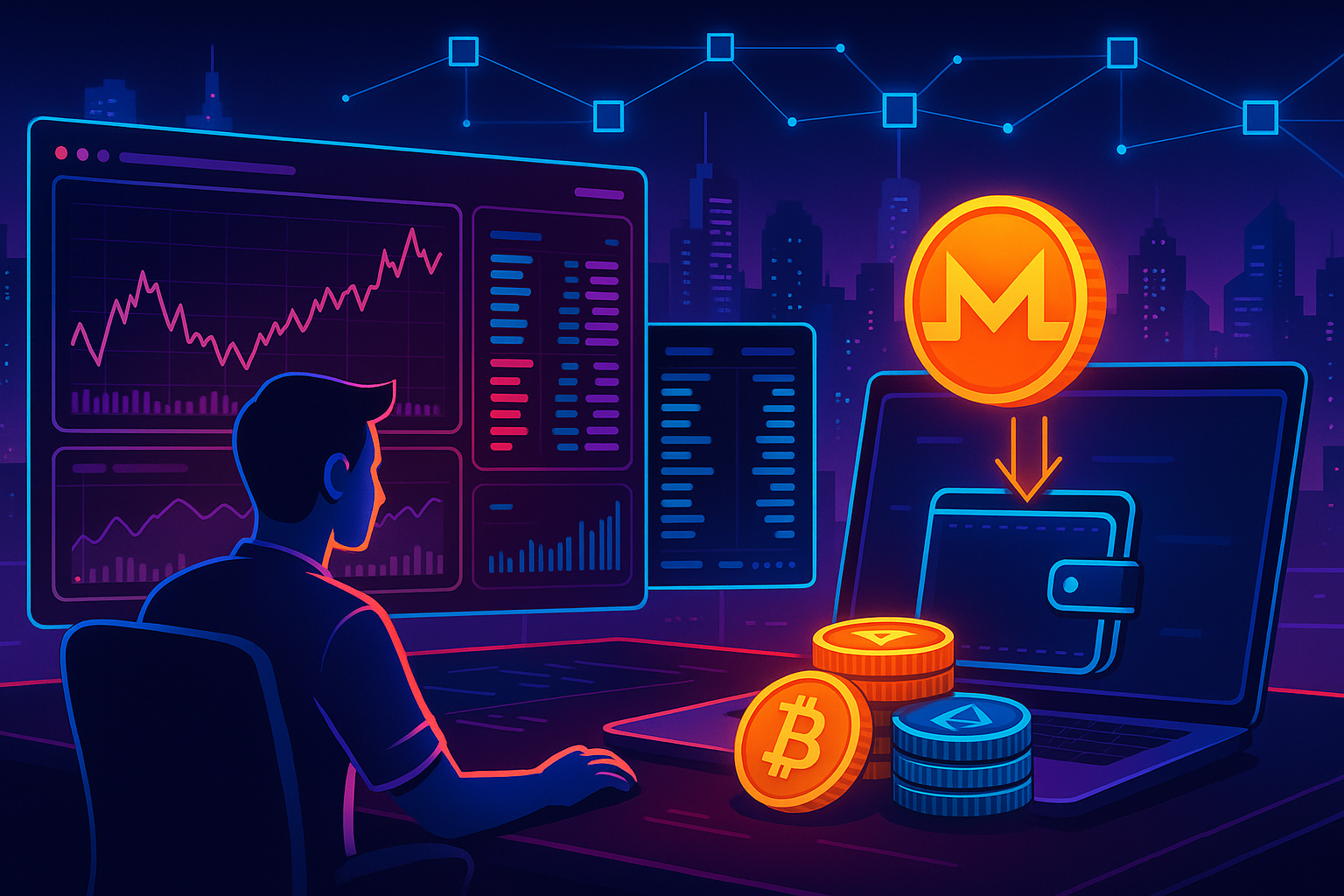
How to Buy Monero (XMR) in 2026: Fast, Private & No-KYC Guide
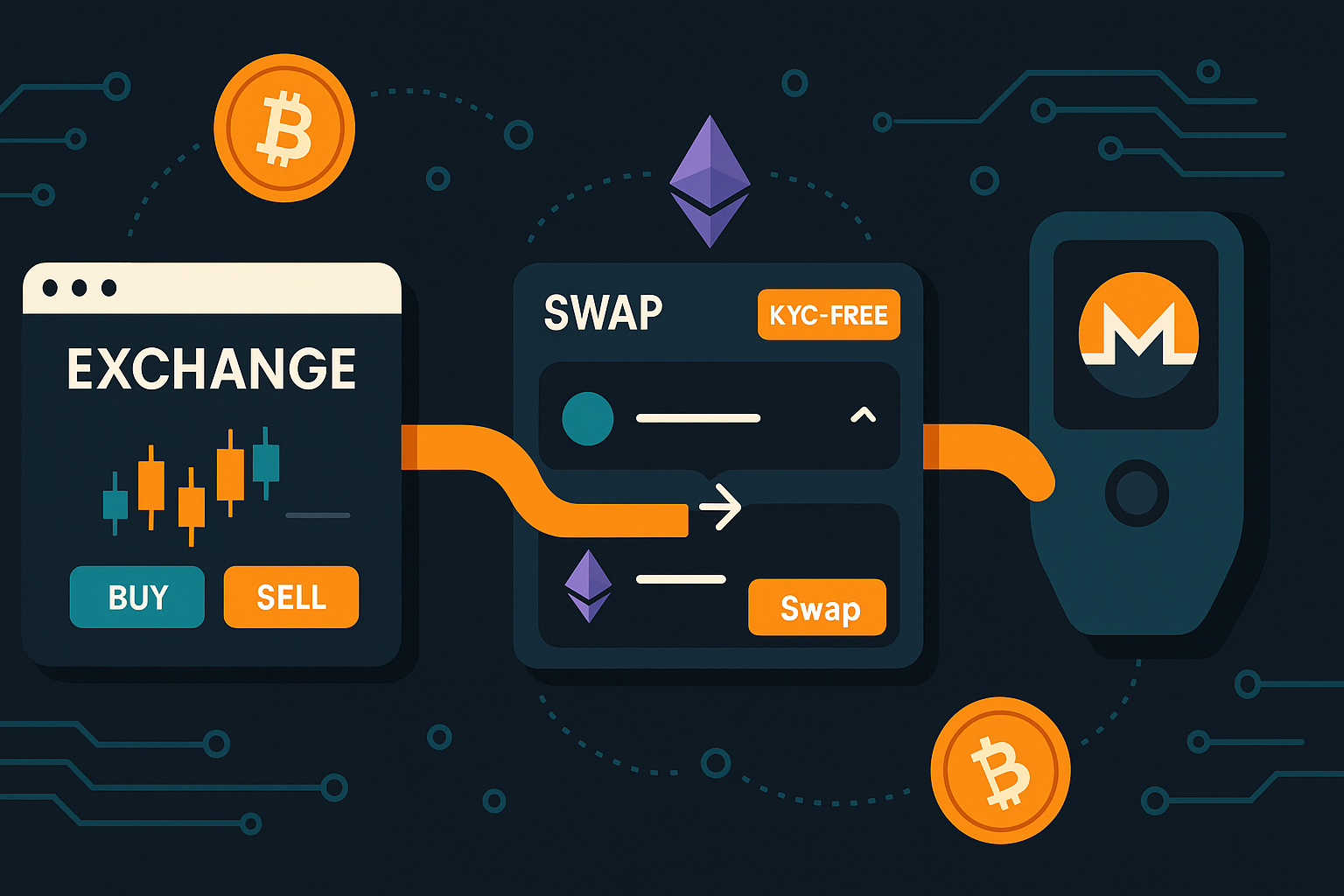
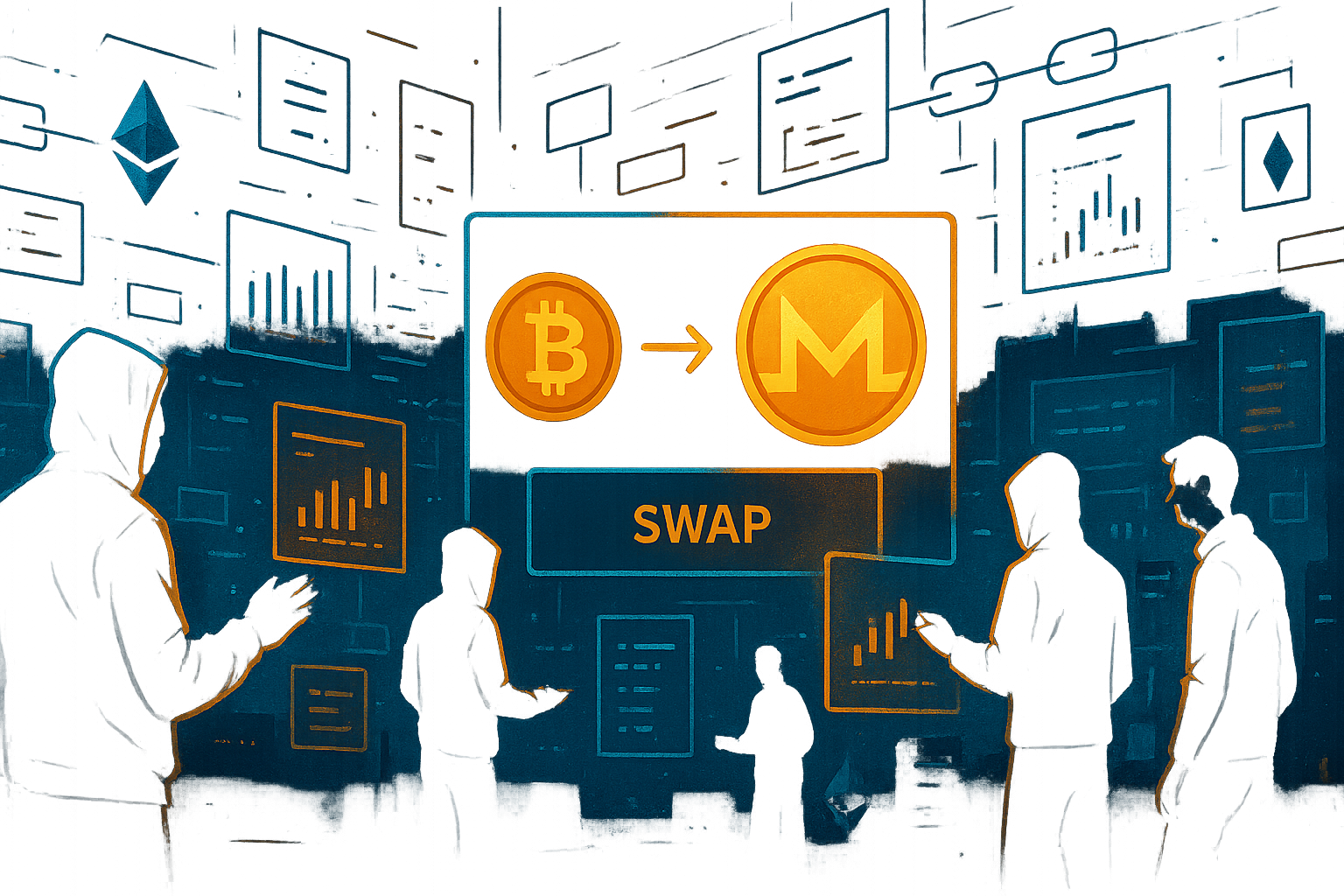
The fastest way to buy Monero in 2026 is to swap another cryptocurrency (like BTC or USDT) for XMR using a no-KYC, non-custodial swap service. You just paste your Monero address, send the input coin, and receive XMR directly in your wallet, often within minutes. For example, you can swap BTC for XMR privately here in a few simple steps.
- Get a Monero wallet and copy your XMR address.
- Choose how you want to pay (crypto, bank, or card).
- Use a swap service or exchange to convert your funds into XMR.
- Withdraw XMR to your personal wallet and verify you received it.
What You Need Before You Start
Buying Monero is straightforward if you prepare a few things in advance. This section covers the essentials so you do not get stuck midway through the process.
1. A Monero wallet (non-custodial)
Monero is a privacy coin, so you should ideally store it in a wallet where you control the keys. Popular non-custodial options include:
- Official Monero GUI / CLI wallet from getmonero.org (desktop, advanced features).
- Feather Wallet (lightweight desktop wallet for Windows, macOS, Linux).
- Monerujo (Android mobile wallet).
- Hardware wallets that support Monero, used with the official wallet interface.
When you create a wallet, you will receive:
- A seed phrase (25 words) that recovers your funds.
- Your primary XMR address that you will paste into services when buying Monero.
Write the seed phrase down on paper and store it securely offline. Never share it with anyone.
2. Some funds to convert into XMR
You can acquire Monero using:
- Other cryptocurrencies such as BTC, ETH, USDT or USDC.
- Fiat money via bank transfer, credit/debit card or cash (depending on method).
Most non-custodial swaps require a small minimum amount to cover network fees and liquidity constraints. This can vary by coin pair and market conditions, so always check the minimum inside the widget or interface you use.
3. Time required
Approximate time needed by method:
- Non-custodial swap (e.g., GhostSwap): 5–30 minutes once you have crypto and a wallet.
- Centralized exchange: 1–3 days if you need full KYC approval and bank deposits.
- P2P / cash / ATMs: 30 minutes to a few hours depending on liquidity and coordination.
If you already hold BTC or another major coin, using a private swap service is usually the fastest way to buy Monero.
Method 1: Using GhostSwap (No KYC — Recommended)
GhostSwap is a non-custodial instant swap platform that lets you exchange over 1,500 crypto pairs, including many paths into Monero, without creating an account or submitting ID. You always keep custody of your coins in your own wallet.
Step 1: Go to GhostSwap.io
Open your browser and navigate to GhostSwap.io. You will see a simple swap widget on the homepage.
If you want to directly convert Bitcoin to Monero, you can go straight to the BTC/XMR pair page here: private BTC to XMR exchange.
You do not need to register, log in or provide any personal information to start a swap.
Step 2: Select XMR in the exchange widget
In the swap widget:
- Select the coin you want to send in the upper field (for example, BTC, ETH, USDT, or any of 1,500+ supported assets).
- In the lower field, choose Monero (XMR) as the coin you want to receive.
Enter the amount you want to swap. The widget will show:
- The estimated amount of XMR you will receive.
- Network fees and minimum amount if applicable.
Review this carefully before continuing, especially if you are sending from an exchange that charges its own withdrawal fees.
Step 3: Enter your Monero wallet address
Open your Monero wallet and:
- Copy your receive address (your primary standard address, not the seed phrase).
- Paste it into the “Recipient XMR address” field in the GhostSwap widget.
Double-check:
- The address format matches a valid Monero address.
- You are not sending to an exchange deposit address unless you specifically want XMR held there.
Confirm the details and move to the next step. Some flows may optionally ask for a refund address in case of issues; using a wallet address you control is recommended.
Step 4: Send your crypto and receive XMR
GhostSwap will display a deposit address for the coin you are sending, along with:
- The exact amount to send.
- A time window in which the rate/quote is valid.
Now:
- Go to the wallet or exchange where your source coin (for example BTC) is stored.
- Paste the deposit address provided by GhostSwap.
- Send the exact amount specified, taking into account any network or withdrawal fees.
The process after that:
- Your transaction is confirmed on the source blockchain.
- GhostSwap executes the swap on its side.
- XMR is sent directly to your Monero wallet address.
You will be able to monitor the progress, and once completed, the XMR transaction will appear in your wallet after the Monero network confirms it.
Pros and cons of buying Monero with GhostSwap
Pros:
- No KYC: No ID uploads, selfies or questionnaires.
- Non-custodial: You stay in control of your coins; funds go directly to your wallet.
- Instant swaps: Typically completed within minutes once your deposit confirms.
- 1,500+ trading pairs: Swap from many altcoins and stablecoins into XMR without multiple steps.
Cons:
- Crypto-to-crypto only: You need some crypto first. There is no direct fiat on-ramp in the core swap flow, though you can use a separate “buy crypto” feature with cards/fiat if available in your region.
- Network fees apply: Just like any blockchain transaction, you pay the network fee to send your source coin.
If your goal is to learn how to buy Monero as privately and quickly as possible, starting with a main coin like BTC and then using a service such as GhostSwap is one of the most efficient paths. You can swap BTC, ETH, USDT and 1,500+ other coins on GhostSwap without KYC.
Method 2: Using a Centralized Exchange
Another common way to buy Monero is through a centralized exchange (CEX). This is suitable for users who want to start directly from fiat and are comfortable sharing personal information.
How centralized exchanges work for buying XMR
The general process looks like this:
- Create an account: Sign up with your email and password on a large exchange that supports XMR trading pairs.
- Complete KYC: Provide personal information, upload ID documents and sometimes proof of address.
- Deposit funds: Use bank transfer, credit/debit card or deposit crypto from another wallet.
- Trade for XMR: Use a spot market (for example, XMR/USDT or XMR/BTC) to buy Monero.
- Withdraw to your wallet: Send XMR from the exchange to your personal Monero wallet address.
Advantages and disadvantages of exchanges
Pros:
- Direct fiat access: Many exchanges allow bank or card deposits, so you can start from cash.
- High liquidity: Large order books for XMR pairs can result in tighter spreads.
- Extra features: Margin, futures and other products if you are an experienced trader.
Cons:
- Full KYC & monitoring: You must provide identity documents and accept transaction monitoring.
- Custodial risk: Your funds are held by the exchange until you withdraw, exposing you to potential hacks or account freezes.
- Time-consuming: KYC review and fiat deposits can take days, especially for new users.
Even if you buy XMR on a centralized exchange, it is best practice to withdraw it to a non-custodial Monero wallet afterward. Privacy coins work best when you actually control the keys and can manage your own transaction settings.
Method 3: Peer-to-Peer, DEX & Other Alternatives
If you want to avoid centralized platforms or prefer using cash, there are alternative methods to buy Monero. These options may involve more coordination but can give you flexibility and additional privacy when used carefully.
Peer-to-peer (P2P) marketplaces
P2P platforms connect buyers and sellers directly. You can often buy Monero with:
- Bank transfers.
- Payment apps or gift cards.
- Cash-in-person trades.
The typical process:
- Create an account on a P2P marketplace that supports XMR.
- Browse listings where sellers offer Monero in exchange for your preferred payment method.
- Initiate a trade and send your XMR wallet address.
- Follow the platform’s escrow process: you send payment, the seller releases XMR from escrow to your address.
P2P can be highly flexible but you must watch out for scams. Always use escrow, check seller reputations and avoid off-platform communication for payments.
Decentralized exchanges and cross-chain swaps
Most traditional DEXs are focused on tokens on a single chain, but Monero uses its own blockchain with strong privacy features. Direct on-chain XMR trading on common EVM DEXs does not exist in the same way as ERC-20 tokens.
Instead, users typically:
- Trade their on-chain token (for example, ETH or an ERC-20 stablecoin) on a DEX.
- Then use a cross-chain or instant swap service to convert that coin into XMR.
That second step is where a non-custodial swap such as GhostSwap’s BTC/XMR path is helpful, bridging from popular chains into Monero without KYC.
Monero ATMs and local meetups
In some regions, crypto ATMs support Monero purchases:
- You insert cash or use a card.
- You enter your Monero wallet address.
- The ATM sends XMR directly to your wallet.
Availability is geographically limited, and fees at ATMs are often higher than online methods. Use ATM locator services and verify that XMR is supported before visiting.
Local privacy-focused meetups or Monero communities can also facilitate in-person trades. If you go this route, always meet in a safe, public place and, where legal, follow local regulations for cash transactions.
Tips for Staying Safe When You Buy Monero
Monero’s privacy design protects on-chain data, but you still need good operational security. Below are practical tips to reduce risk no matter which buying method you choose.
Use reputable wallets and verify downloads
Only download wallets from official sources:
- Official Monero website: getmonero.org
- Verified repositories or stores linked from the official site.
If you are comfortable with more advanced steps, verify hashes or PGP signatures for wallet binaries as recommended in the Monero documentation. This helps ensure your software has not been tampered with.
Back up your seed phrase securely
Your seed phrase is the single point of recovery for your funds. To protect it:
- Write it down on paper or engrave it on a metal backup.
- Store it in a place resistant to fire, water and theft if possible.
- Never type it into any website, screenshot it or store it in cloud notes.
If someone else gets your seed phrase, they can steal all your Monero.
Double-check addresses and transaction amounts
Because Monero addresses are long and complex:
- Always copy and paste addresses rather than typing them manually.
- Verify the first and last few characters to ensure they match your wallet.
- Watch out for clipboard malware that may replace addresses.
Sending crypto is irreversible, so a quick verification step can save you from expensive mistakes.
Avoid leaving XMR on centralized exchanges
Even if you bought Monero on a CEX, withdraw to your own wallet as soon as practical. Custodial platforms can:
- Freeze withdrawals.
- Suffer security breaches.
- Be pressured to delist or restrict privacy coins.
Self-custody aligns with the privacy and censorship-resistance goals of Monero.
Research current network fees and market conditions
Network conditions and liquidity can affect how much XMR you end up with. Check live data from reputable aggregators like:
Review recent price ranges, typical fees for your source coin and any unusual volatility before executing large swaps.
Ready to Trade Monero (XMR)?
If you are ready to buy Monero, the simplest path is to start with a major coin like BTC or USDT and then convert it using a private swap. You can swap crypto instantly into XMR on GhostSwap, keep full control of your wallet and avoid lengthy KYC checks.
Frequently Asked Questions
Can I do this without ID?
Yes, you can buy Monero without providing ID by using non-custodial swap services or certain P2P methods. With GhostSwap, for example, you do not create an account or upload identification. You simply send one cryptocurrency and receive XMR directly in your wallet.
Keep in mind your fiat on-ramp options may still require KYC. If you are starting from a bank account or credit card, the first step of acquiring crypto often involves an identity check, even if the final step into XMR is no-KYC.
What is the best method to buy Monero in 2026?
The “best” method depends on your priorities:
- If you value privacy and speed, swapping an existing coin into XMR using a non-custodial platform like GhostSwap is typically the most efficient.
- If you need to start from fiat money and prefer a familiar banking interface, a centralized exchange that supports Monero can be convenient, though slower and less private.
- If you want to use cash or local payment methods, P2P marketplaces or ATMs (where available) might suit you better, provided you take proper precautions.
Many users combine methods, using a regulated fiat on-ramp to get BTC or USDT, then a non-custodial swap to convert into XMR.
How long does it take to receive XMR?
Timeframes vary by method:
- Non-custodial swaps: Typically 5–30 minutes after your source transaction is confirmed on its network. Slower networks like Bitcoin can add some delay under heavy load.
- Centralized exchanges: Account creation, KYC and fiat deposits can take 1–3 days for new users, while the actual XMR purchase and withdrawal might take less than an hour once funded.
- P2P / ATMs: These depend on liquidity and human coordination, but individual trades are often completed within an hour.
For most people who already hold crypto, an instant swap is the fastest path to Monero.
Is it safe to use GhostSwap?
Using GhostSwap is designed to be safer than custodial alternatives, because:
- It is non-custodial, so you never deposit funds into a long-term account or maintain a balance on the platform.
- Funds move directly from your wallet to your wallet, reducing the attack surface compared to holding coins on exchanges.
- Swaps are simple one-time transactions, which lowers the risk of complex account compromises.
However, all crypto activity carries risk. Protect yourself by:
- Using trusted wallets and keeping your seed phrase offline.
- Confirming that you are on the correct GhostSwap domain.
- Sending a small test amount if you are swapping a very large balance for the first time.
Do I need technical knowledge to manage a Monero wallet?
You do not need deep technical skills to manage a Monero wallet, especially if you use user-friendly interfaces. Most modern wallets provide:
- Clear send and receive screens.
- Simple backup instructions for your seed phrase.
- Automatic connection to remote nodes if you do not want to run your own.
If you are comfortable installing apps and copying/pasting addresses, you can manage basic Monero operations. For advanced privacy features, like running your own full node, you can gradually learn from official documentation and community guides over time.