How to Make an HBAR to BTC Swap Safely and Efficiently
Introduction
Swapping Hedera Hashgraph (HBAR) to Bitcoin (BTC) has become a common move for traders and long‑term holders who want exposure to the world’s largest cryptocurrency without fully exiting the crypto ecosystem. Whether you are rebalancing your portfolio, taking profits, or simply exploring Bitcoin, understanding how an hbar to btc swap works is essential for both safety and cost efficiency.
In the past, moving between altcoins and Bitcoin often meant using centralized exchanges, completing KYC checks, and waiting for deposits and withdrawals to clear. Today, you can execute a non‑custodial swap within minutes, often directly from your own wallet.
This guide walks through why HBAR to BTC swaps matter, the main benefits and risks, and a clear, step‑by‑step process. It also covers practical tips, including how to use a private exchange that lets you swap crypto instantly without giving up custody of your funds.
Why HBAR to BTC Swaps Matter
1. Portfolio Management and Diversification
HBAR and BTC play very different roles:
- HBAR powers the Hedera network, which focuses on fast, low‑fee transactions and enterprise use cases.
- BTC is typically treated as digital gold, a long‑term store of value and the dominant crypto asset by market cap.
Swapping HBAR to BTC lets you:
- Rebalance risk between a higher‑beta altcoin and a more established asset
- Lock in profits from HBAR price rallies into a relatively more stable store of value
- Position your portfolio for different market cycles (alts vs Bitcoin dominance)
2. Access to Bitcoin‑Based Opportunities
Owning BTC can open doors to:
- Long‑term holding strategies centered on Bitcoin accumulation
- On‑ramps to BTC‑denominated derivatives (futures, options, perpetuals)
- Yield opportunities or hedging strategies on platforms that favor BTC liquidity
If most of your capital is in HBAR, a direct HBAR to BTC swap is often more efficient than going through multiple pairs such as HBAR → USDT → BTC.
3. Control and Privacy in a Self‑Custody World
The crypto industry has moved steadily toward self‑custody and trust‑minimized tools. Non‑custodial swap services allow you to:
- Keep control of your private keys
- Avoid leaving funds parked on exchanges
- Reduce unnecessary exposure to identity checks, where laws permit
For privacy‑conscious users, this shift is crucial. It lets them adjust their holdings without broadcasting sensitive personal information to yet another centralized service.
Key Benefits of an HBAR to BTC Swap
1. Speed and Convenience
Modern swap platforms make the process fast and straightforward:
- No need to open new exchange accounts
- No long KYC approval queues (where regulations allow no‑KYC swaps)
- Fewer steps than traditional centralized exchange routes
In many cases you can complete a swap in minutes, rather than hours or days.
2. Non‑Custodial Control
With a non‑custodial swap, you keep custody of your funds until the moment you execute the trade. This helps you:
- Avoid deposit and withdrawal freezes on centralized exchanges
- Reduce reliance on third‑party risk
- Stay aligned with the core crypto ethos of “not your keys, not your coins”
A dedicated HBAR to BTC route on a non‑custodial swap platform can simplify this significantly.
3. Direct Route Between HBAR and BTC
A direct pair avoids unnecessary conversions. Compared to multi‑step paths like HBAR → USDC → BTC, a single HBAR → BTC trade often offers:
- Fewer network fees
- Less slippage from multiple market spreads
- Lower operational risk (fewer transactions and addresses to manage)
4. Enhanced Privacy Options
Some users do not want every portfolio adjustment tied to an identity profile on a centralized platform. Where regulations permit, non‑custodial swaps can offer:
- Limited data retention
- No persistent account history
- Less linkage between your on‑chain activity and your personal identity
Note that privacy is never absolute. You should always assume your on‑chain activity can be analyzed and correlated.
Risks and Drawbacks to Consider
1. Market Volatility and Slippage
Both HBAR and BTC are volatile. Risks include:
- Price swings during the swap, especially in thinly traded markets
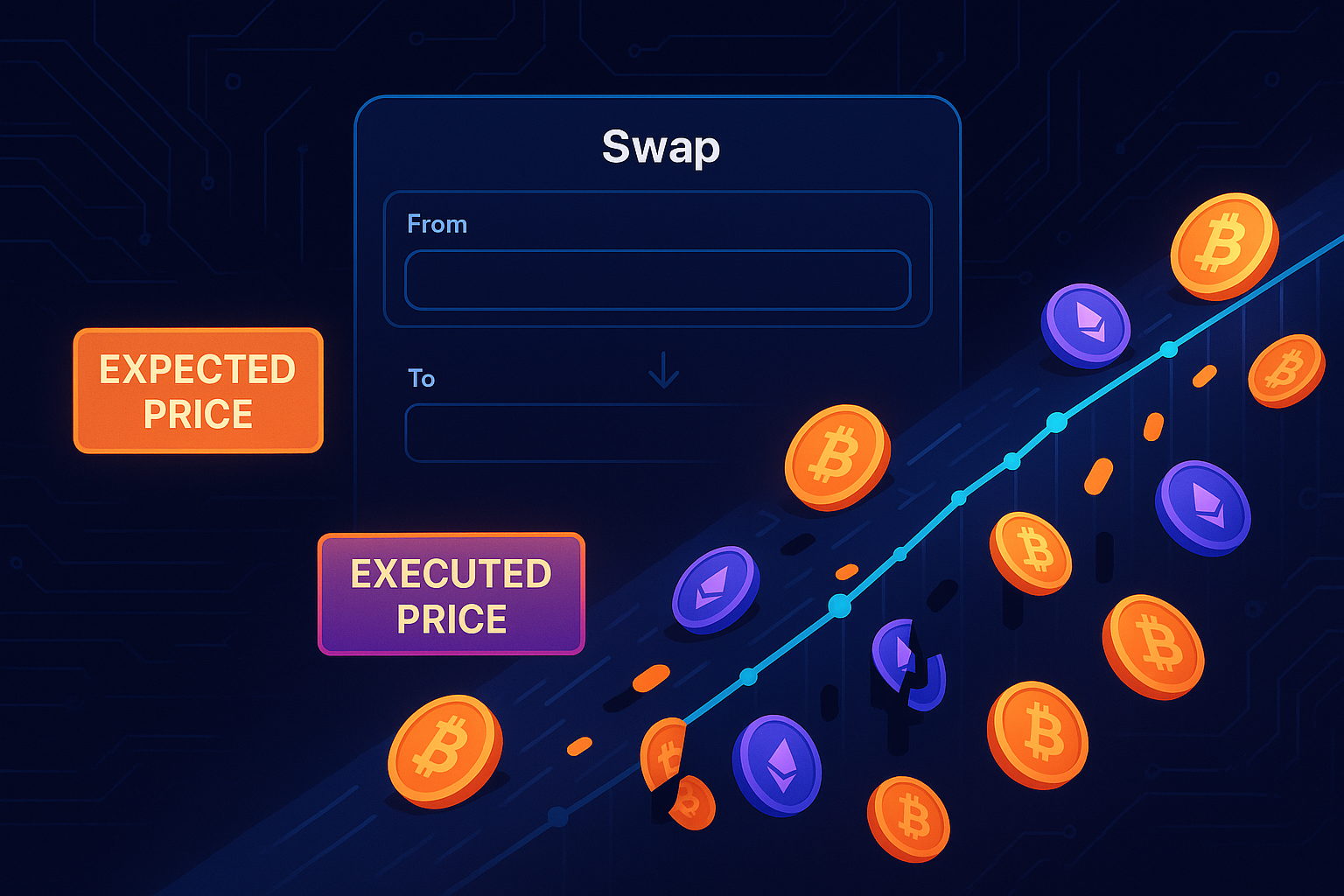
- Slippage, where the final execution price is worse than the quote
To mitigate this:
- Avoid swapping during extreme volatility or low‑liquidity periods
- Use platforms that display clear quotes and anticipated slippage
2. Fees and Hidden Costs
Swaps can involve several types of costs:
- Platform fee charged by the swap provider
- Network fees for sending HBAR and receiving BTC
- Spread, the difference between market price and your executed rate
Always compare the effective rate you are receiving against market prices and factor in all fees.
3. Custody and Security Practices
Even non‑custodial services can carry risk if used improperly:
- Sending funds to a wrong address is typically irreversible
- Interacting with fake or phishing sites can result in loss of assets
- Poor wallet security (compromised devices, leaked seed phrases) puts all your holdings at risk
Use hardware wallets where possible and verify URLs and smart contracts carefully.
4. Regulatory Considerations
Depending on your jurisdiction:
- Non‑custodial swaps may still be subject to local regulations
- Tax authorities may treat each HBAR to BTC swap as a taxable event
- Certain privacy tools or routing methods might be restricted
Consult a local professional for tax and legal guidance if you are unsure.
Step‑by‑Step Guide: How to Perform an HBAR to BTC Swap
The exact flow can vary by platform, but the core steps are similar. Below is a general process you can adapt.
Step 1: Choose a Reliable Swap Service
Look for a platform that:
- Supports a direct HBAR → BTC pair
- Is non‑custodial, so you stay in control of your funds
- Provides transparent rates and clear fee information
- Has a straightforward interface and good reputation in the community
A dedicated HBAR to BTC swap page is often the simplest way to start.
Step 2: Prepare Your Wallets
You will need:
- An HBAR wallet with enough HBAR to cover the amount you want to swap plus Hedera network fees.
- A BTC wallet to receive your Bitcoin, ideally a hardware wallet or a reputable software wallet where you control the keys.
Verify that you have full access to both wallets and that your backup seed phrases are securely stored offline.
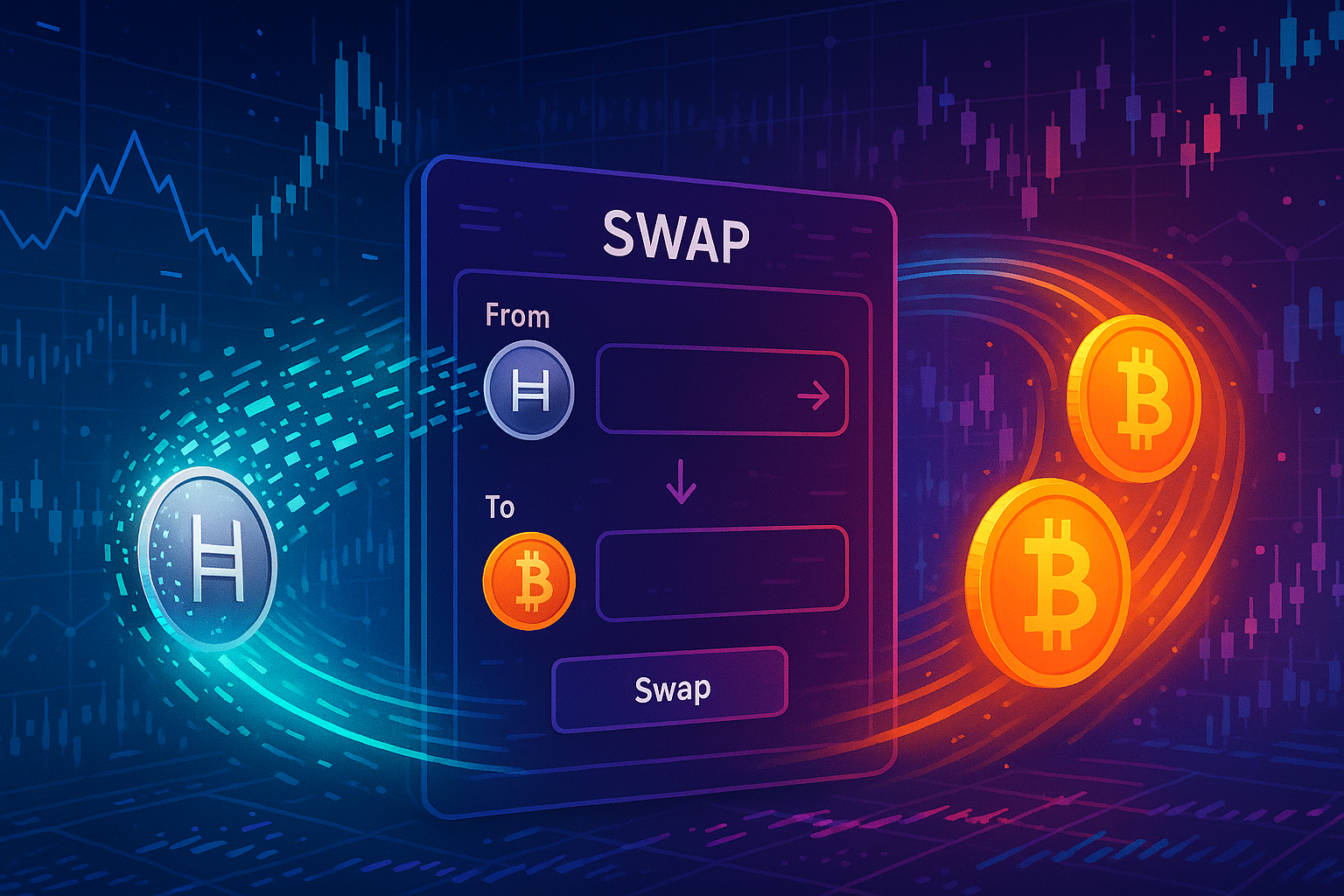
Step 3: Enter Swap Details
On the swap interface:
- Select HBAR as the asset you are sending.
- Select BTC as the asset you will receive.
- Enter the amount of HBAR you wish to swap or the desired amount of BTC to receive.
- Paste your Bitcoin receiving address carefully.
Double‑check that the BTC address is correct. A single character error can make funds unrecoverable.
Step 4: Review the Quote
Before committing, check:
- Estimated BTC you will receive for your HBAR
- All fees included in the swap
- Time window during which the quoted rate is valid
If the rate or fees look off, you can refresh the quote or try again later.
Step 5: Send HBAR to the Provided Address
Once you confirm:
- The platform will generate a unique HBAR deposit address or instructions.
- Send the exact HBAR amount from your wallet to this address.
- Wait for the necessary confirmations on the Hedera network.
Most services will show a status indicator, such as “Waiting for deposit” and then “Exchanging.”
Step 6: Receive BTC in Your Wallet
After your HBAR deposit is confirmed:
- The service executes the swap from HBAR to BTC.
- BTC is sent to the BTC address you provided.
- You can monitor the status via Bitcoin transaction explorers if the platform shares the transaction ID.
Once the BTC transaction confirms, your HBAR to BTC swap is complete.
Practical Tips for a Better HBAR to BTC Swap
1. Start with a Small Test Amount
If you are using a new platform or wallet:
- Send a small amount of HBAR first
- Confirm that BTC arrives correctly in your wallet
- Scale up only after you are confident in the process
This reduces the risk of losing a large sum due to a simple mistake.
2. Verify URLs and Avoid Phishing
Security checks:
- Always type the swap platform’s URL directly or use a trusted bookmark.
- Beware of sponsored ads or search results that imitate legit services.
- Never share your seed phrase or private keys with any website or support agent.
3. Watch Market Conditions
To optimize your rate:
- Avoid swapping during news‑driven spikes or abrupt crashes.
- Check both HBAR and BTC order books on major exchanges to gauge liquidity.
- Consider splitting large swaps into smaller chunks to reduce slippage risk.
4. Understand Your Time Horizon
Ask yourself:
- Are you moving into BTC for long‑term holding or a shorter‑term trade?
- What proportion of your portfolio should remain in HBAR for growth potential?
- Will you want to swap back from BTC to HBAR later?
Clarity on your strategy helps you avoid emotional decisions during volatility.
5. Keep Records for Taxes and Tracking
For accounting and tax compliance:
- Record the date and time of the HBAR to BTC swap.
- Note the HBAR amount, BTC received, and fiat value at the time of trade if required by your jurisdiction.
- Store transaction IDs and screenshots of trade confirmations.
Many tax tools can import blockchain data, but clear records make your life easier.
Conclusion: Make HBAR to BTC Swaps Work for You
An HBAR to BTC swap can be a powerful tool for rebalancing your portfolio, reducing risk, and gaining exposure to Bitcoin’s long‑term potential. By using a private, non‑custodial exchange route for HBAR to BTC, you maintain control of your assets while accessing a direct, efficient conversion path.
Focus on three core pillars:
- Security through self‑custody, careful address handling, and trusted platforms
- Transparency on fees, quotes, and transaction status
- Strategy that fits your risk tolerance and long‑term goals
With the right tools and practices, swapping from HBAR to BTC can be both simple and secure, helping you adapt your crypto holdings as markets and personal strategies evolve.