What Is Layer 2 Crypto? A Complete 2026 Guide to Faster & Cheaper Blockchain Transactions
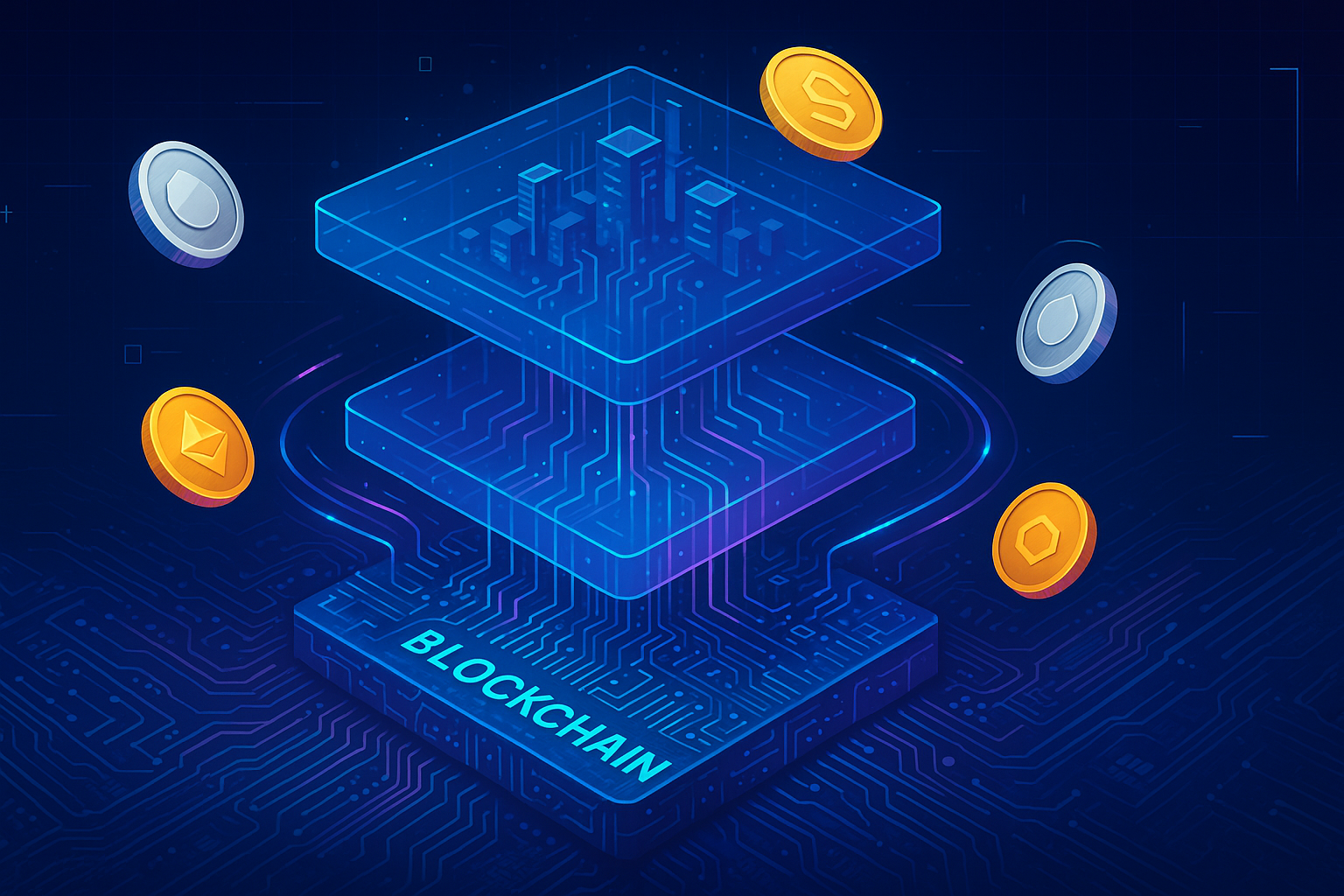
Layer 2 crypto refers to technologies and networks that sit on top of a base blockchain (like Ethereum or Bitcoin) to make transactions faster, cheaper, and more scalable without changing the underlying chain. These “off-chain” or secondary layers bundle, compress, or route activity away from the main chain, then securely settle it back. Traders often use Layer 2 to move funds quickly before swapping or bridging assets on non-custodial platforms like GhostSwap.
What Is Layer 2 Crypto Explained Simply
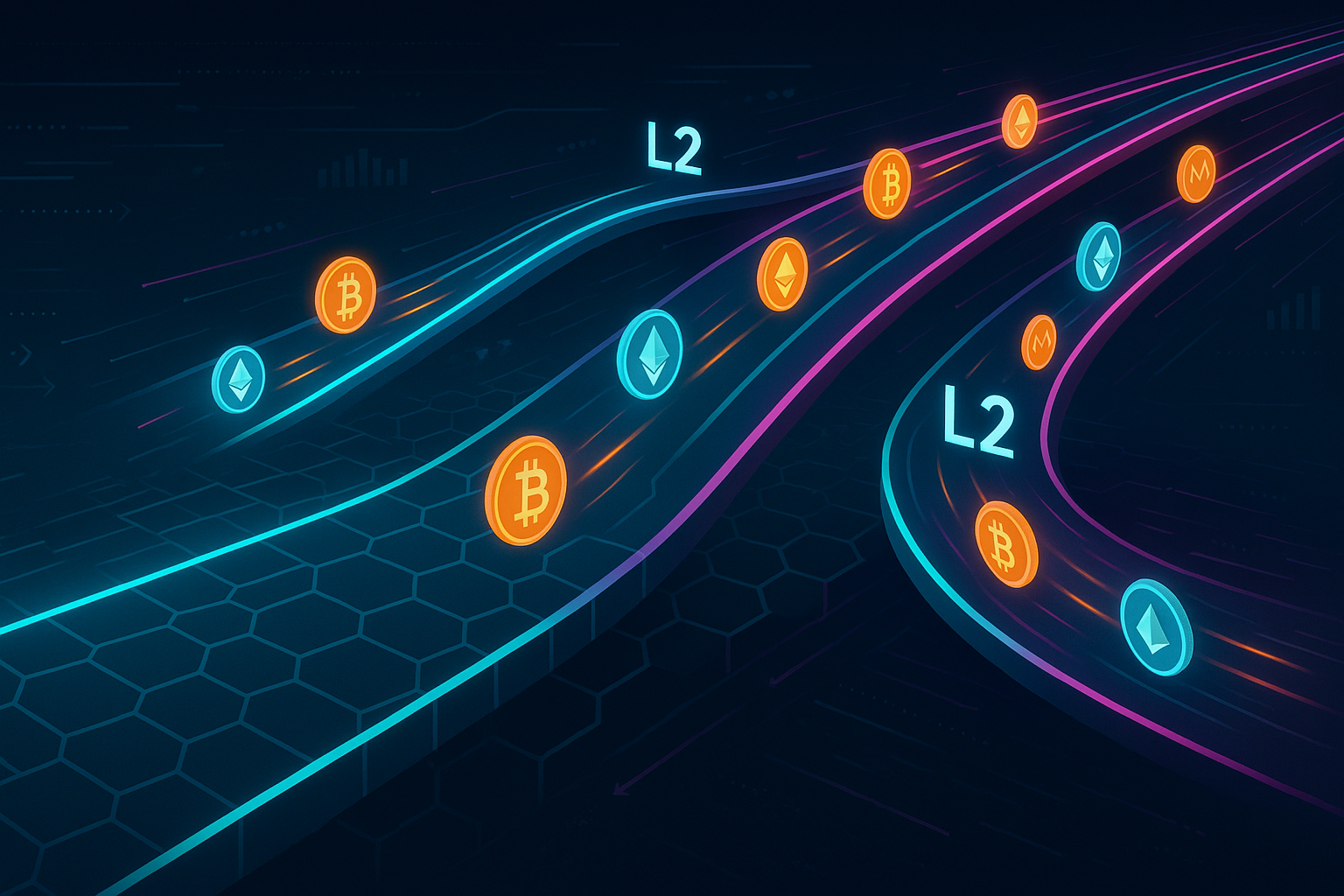
To understand what Layer 2 crypto is, imagine a busy highway.
The main blockchain, like Ethereum, is the highway. Everyone wants to drive on it, but it gets congested, so traffic slows and tolls (gas fees) go up.
Layer 2 is like building fast side roads and express lanes above or next to the highway. Cars move off the main road, travel on these faster routes, then rejoin the highway only when needed. The result is the same destination, but with less traffic and fewer delays.
In simple terms, Layer 2 solutions help blockchains handle more users and more transactions without breaking. They keep the core blockchain secure and decentralized while giving people a smoother experience for payments, DeFi, gaming, and trading.
How Does Layer 2 Crypto Work?
Now that you know what Layer 2 crypto is in plain language, let’s look at the mechanics.
Layer 1 vs Layer 2: The Base and the Add-on
Layer 1 (L1) is the main blockchain: Ethereum, Bitcoin, Solana, etc. It handles consensus, security, and final settlement of transactions. Examples of Layer 1 networks are listed on sites like CoinGecko’s Layer 1 category.
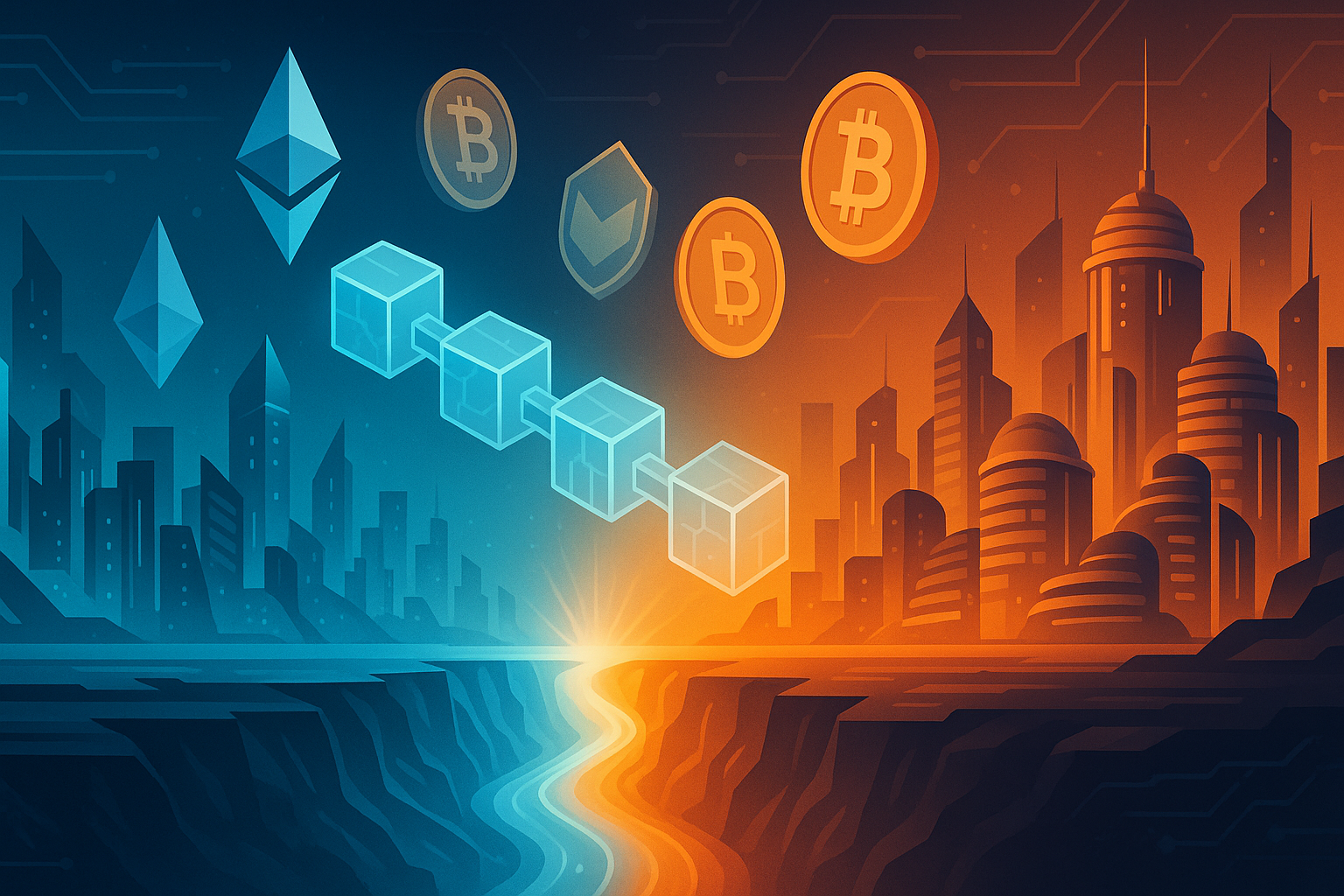
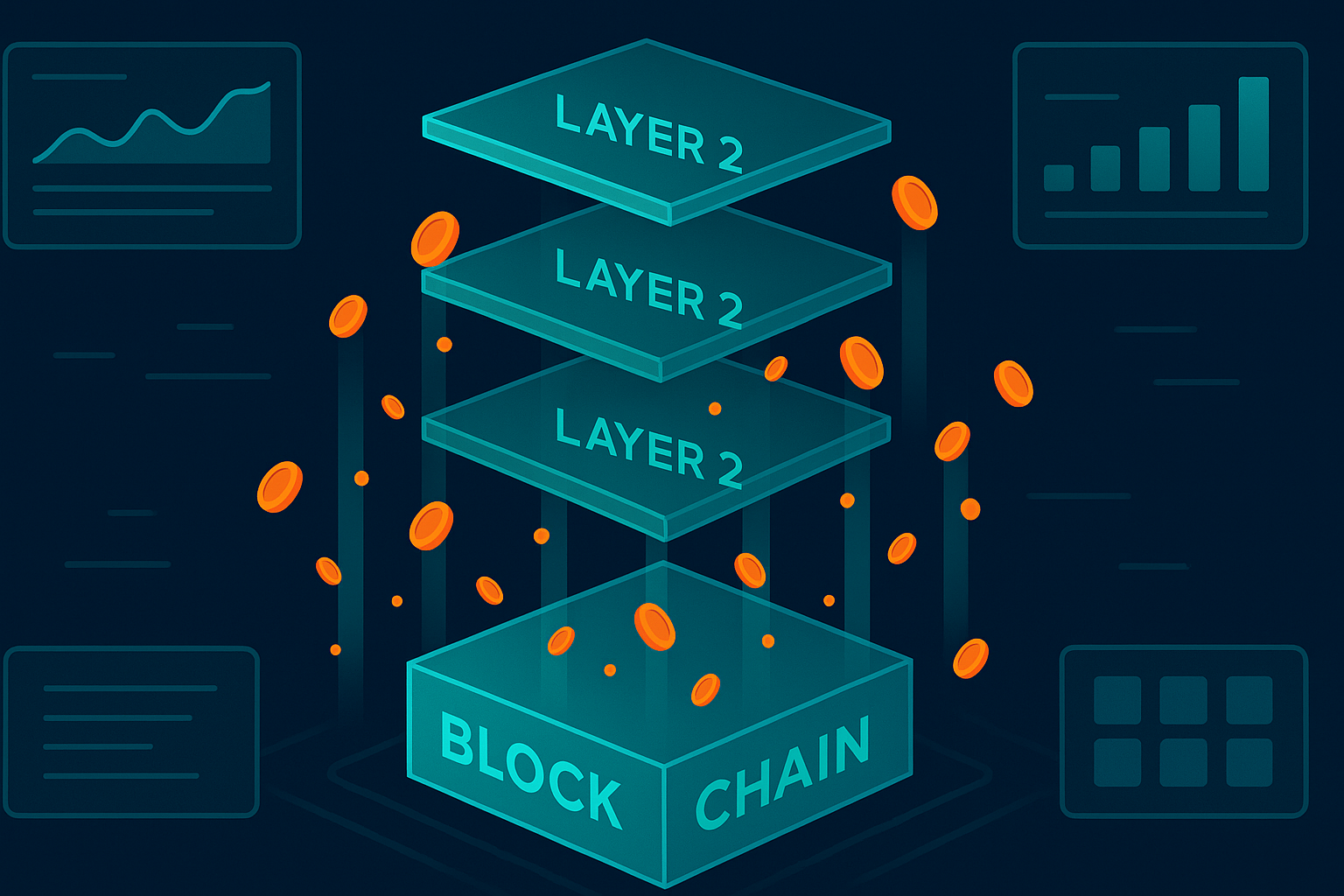
Layer 2 (L2) is a secondary network or protocol built on top of a Layer 1. It inherits security from the base chain but processes transactions separately to improve speed and cost. After processing, it periodically sends batched data back to L1 for final settlement.
The Core Idea: Move Activity Off-Chain, Keep Security On-Chain
Most Layer 2 solutions follow the same core pattern:
- Users deposit assets from the base chain into the Layer 2 system.
- Transactions occur on the Layer 2 network, not directly on the main chain.
- Layer 2 periodically sends compact proofs or summaries back to Layer 1.
- If something goes wrong, the Layer 1 rules and data decide the truth.
This allows Layer 2 to process thousands of operations while Layer 1 only sees a handful of batched updates.
Types of Layer 2 Solutions
Most modern solutions that define what Layer 2 crypto is fall into several categories:
Rollups (Optimistic & ZK-Rollups)
- Optimistic rollups assume transactions are valid by default and only check when someone disputes. They post transaction data to L1 and allow a challenge period. Examples include Arbitrum and Optimism.
- ZK-rollups (zero-knowledge rollups) use cryptographic proofs to show a batch of transactions is valid without revealing all details. They are often more complex but can be faster to finalize. Examples include zkSync Era and StarkNet.
Both types batch many transactions into one L1 update, cutting gas costs dramatically.
State Channels
State channels allow two or more users to transact off-chain many times, then settle the final result on-chain.
Think of it like opening a tab at a bar. You pay once at the end instead of paying for every drink separately. The Bitcoin Lightning Network is a state-channel-based Layer 2 for fast BTC payments.
Sidechains & Validiums (Often Layer 2–like)
Some networks are frequently grouped into discussions about what Layer 2 crypto is, even if they are more precisely “Layer 2–like” or “Layer 1.5”:
- Sidechains are separate blockchains bridged to a main chain, with their own validators and security models.
- Validiums keep transaction data off-chain but post validity proofs on-chain.
These can offer high throughput but sometimes with different trust and security trade-offs than strict L2 rollups.
Security Inheritance From Layer 1
A key reason Layer 2 is powerful is security inheritance.
Rollups, for example, rely on Ethereum’s consensus and data availability. Even if the Layer 2 operator misbehaves, users can often withdraw funds back to Layer 1 by using the on-chain data and proof systems.
This combination of off-chain scaling plus on-chain security is at the heart of what Layer 2 crypto is designed to achieve.
Why Does Layer 2 Crypto Matter?
Understanding what Layer 2 crypto is becomes important as soon as you try to use a popular blockchain during peak demand.
Scalability: More Users, More Transactions
Layer 1 chains have limited throughput. Ethereum, for example, historically processed around 15–30 transactions per second on-chain, which is not enough for global-scale apps.
Layer 2 solutions can increase effective throughput by orders of magnitude, making it realistic for DeFi protocols, games, NFTs, and social apps to support millions of users.
Lower Transaction Fees
High gas fees have been a major barrier to entry.
By batching and compressing transactions, Layer 2 networks can cut the cost per transaction significantly. Many rollups allow simple transfers and swaps for a fraction of mainnet costs, which opens the door for smaller traders and users with limited capital.
Better User Experience
Faster confirmation times and cheaper transactions mean smoother dApps, less waiting, and fewer failed swaps.
For people trading or moving funds frequently, Layer 2 feels more like a modern fintech app than a congested blockchain.
Vital for DeFi & Web3 Growth
Without scaling solutions, DeFi and Web3 would struggle to grow beyond a niche audience.
Layer 2 enables high-frequency activities like:
- On-chain trading and arbitrage
- Blockchain gaming with in-game assets
- Microtransactions and tipping
- Complex DeFi strategies across multiple protocols
For traders who rely on instant, non-custodial swaps, these improvements directly impact profitability and usability.
You can swap BTC, ETH, USDT and 1,500+ other coins instantly on GhostSwap without KYC, no matter which chain you prefer to hold your assets on.
Layer 2 Crypto Examples & Use Cases
To make what Layer 2 crypto is more concrete, let’s look at real networks and how people use them.
1. Arbitrum: High-Throughput DeFi on Ethereum
Arbitrum One is an optimistic rollup that has become one of the most used Ethereum Layer 2 networks.
Users bridge ETH and tokens to Arbitrum, then interact with DeFi protocols similar to mainnet but with lower fees. Trading, liquidity provision, and yield farming are common, with many apps mirrored from Ethereum.
2. Optimism: Scaling With an Ethereum-Aligned Vision
Optimism is another leading optimistic rollup focused on scaling Ethereum while funding public goods via its retroactive funding model.
It powers DeFi, NFT marketplaces, and social apps, and is a core part of the “Superchain” vision where multiple L2s interoperate. Fees are significantly reduced compared to mainnet Ethereum, which is critical for active traders.
3. zkSync & StarkNet: Zero-Knowledge Rollups
zkSync Era and StarkNet are ZK-rollup-based Layer 2 solutions built to combine privacy-friendly cryptography with high throughput.
These networks aggregate many transactions into succinct validity proofs and post them to Ethereum, enabling fast finality and potentially better security guarantees compared to optimistic rollups, at the cost of greater technical complexity.
4. Bitcoin Lightning Network: Fast BTC Payments
When people ask what Layer 2 crypto is for Bitcoin, the most recognized answer is the Lightning Network.
Lightning uses payment channels so users can send BTC almost instantly and with tiny fees. It is popular for microtransactions, merchant payments, and cross-border transfers, extending Bitcoin’s use beyond a slow, base settlement layer.
5. Gaming & NFT Layer 2s
Game-focused networks like Immutable X (built with ZK-rollup tech) show another side of what Layer 2 crypto is used for.
They support gas-free or low-cost NFT minting and trading, allowing games to issue many in-game items without clogging Layer 1. This makes blockchain games more accessible to mainstream players.
Pros and Cons of Layer 2 Crypto
Like any technology, understanding what Layer 2 crypto is also means recognizing both its strengths and trade-offs.
Advantages of Layer 2
- Lower fees per transaction compared to congested mainnets.
- Higher throughput, enabling more complex dApps and active trading.
- Improved user experience with faster confirmations.
- Security inheritance from robust Layer 1 chains in the case of rollups.
- Greater accessibility for users with smaller portfolios.
Drawbacks and Risks
- Bridging complexity: Moving assets between L1, L2, and other chains can be confusing and introduces risk.
- Smart contract risk: Layer 2 systems rely on complex contracts and infrastructure that can have bugs.
- Withdrawal delays: Some optimistic rollups have challenge periods, meaning funds can take days to fully exit back to L1.
- Centralization concerns: In early stages, many L2s rely on upgrade keys, sequencers, or operators controlled by small teams.
- Fragmented liquidity: Assets and apps spread across multiple L2s, making cross-chain and cross-layer swaps more important.
For traders using non-custodial swap tools, these pros and cons affect how and where they move liquidity across chains and layers.
How Layer 2 Crypto Relates to Trading on GhostSwap
If you use Layer 2 networks, you likely move assets across multiple chains and layers for better yield or lower fees. That is where a non-custodial, instant swap platform like GhostSwap becomes useful.
Bridging & Layer Switching Around Your Trades
Traders might:
- Earn yield on an Ethereum Layer 2 like Arbitrum or Optimism
- Decide to rotate into a different asset or network
- Swap tokens to BTC, ETH, USDT, or another coin using GhostSwap
- Then bridge or send funds to the desired Layer 2 or chain
Because GhostSwap is a non-custodial swap service, you stay in control of your private keys. You sign transactions from your own wallet and can route funds to the chain or Layer 2 that best matches your strategy.
Lower-Fee Environments for Active Traders
Active traders care deeply about cost. Paying high gas on Layer 1 for every swap or rebalance can erode profits quickly.
By operating primarily on Layer 2, you can reduce costs and then use tools like GhostSwap as a private exchange interface to pivot between assets quickly, sending output funds to whichever wallet or layer you prefer to use.
Ready to Start Trading?
If you understand what Layer 2 crypto is, you know that fast, low-cost transactions are only part of a successful strategy. You also need flexible, non-custodial tools for moving between assets.
With GhostSwap’s instant crypto swap interface, you can convert between 1,500+ coins and tokens, route funds to your preferred chains or layers, and maintain control over your keys the entire time. It is a simple way to integrate Layer 1, Layer 2, and cross-chain movements into a single workflow.
Frequently Asked Questions
What is Layer 2 crypto in simple terms?
Layer 2 crypto is any scaling solution or network built on top of a base blockchain like Ethereum or Bitcoin that processes transactions off the main chain to make them faster and cheaper. It keeps the underlying chain as the final source of truth, but offloads most day-to-day activity to a higher-throughput secondary layer.
Is Layer 2 safer or riskier than Layer 1?
Layer 2 solutions inherit much of their security from Layer 1 when built as rollups or similar architectures, but they also introduce new risks from smart contracts, operators, and bridges. Well-audited and widely used L2s are generally considered relatively secure, but they are more complex than holding tokens directly on the base chain.
Do I need a special wallet to use Layer 2 networks?
Many common wallets like MetaMask and other EVM-compatible wallets support Layer 2 networks directly by adding the L2’s RPC endpoint. For Bitcoin’s Lightning Network and some ZK-rollups, you may need dedicated wallets. Always follow the official documentation of the L2 project and use verified RPC details from trusted sources such as their official sites or aggregators like CoinMarketCap’s Layer 2 list.
Why are gas fees lower on Layer 2?
Gas fees are lower on Layer 2 because many transactions are bundled or executed off-chain and then settled on Layer 1 as a compressed batch. The cost of a single L1 update is shared across many users, which reduces the per-transaction fee. Additionally, some L2s optimize data storage and execution to keep overhead minimal.
Can I move my Layer 2 tokens back to Layer 1 any time?
In general, yes, but the process and timing vary by network. Optimistic rollups often have a withdrawal waiting period to allow fraud proofs, while ZK-rollups may enable faster exits. You will usually use a bridge interface to withdraw back to L1. Always check the official docs of the specific Layer 2 you are using to understand withdrawal times and fees.
How does Layer 2 affect my trading strategy?
Layer 2 affects your trading by lowering transaction costs and increasing speed, which can make frequent rebalancing, small position sizes, and arbitrage more viable. You may choose to hold working capital on a Layer 2 to interact with DeFi, then periodically use a non-custodial swap service like GhostSwap to pivot into other assets or chains without sacrificing control of your funds.