How to Buy Bitcoin Anonymously in 2026: Step‑by‑Step Privacy Guide
If you want the quickest way to buy Bitcoin anonymously in 2026, the most practical method is crypto‑to‑crypto: send a privacy coin like Monero (XMR) to a no‑KYC swap service and receive BTC directly in your wallet. For example, you can use a private exchange flow such as the BTC/XMR route on GhostSwap to keep sign‑ups and IDs out of the process.
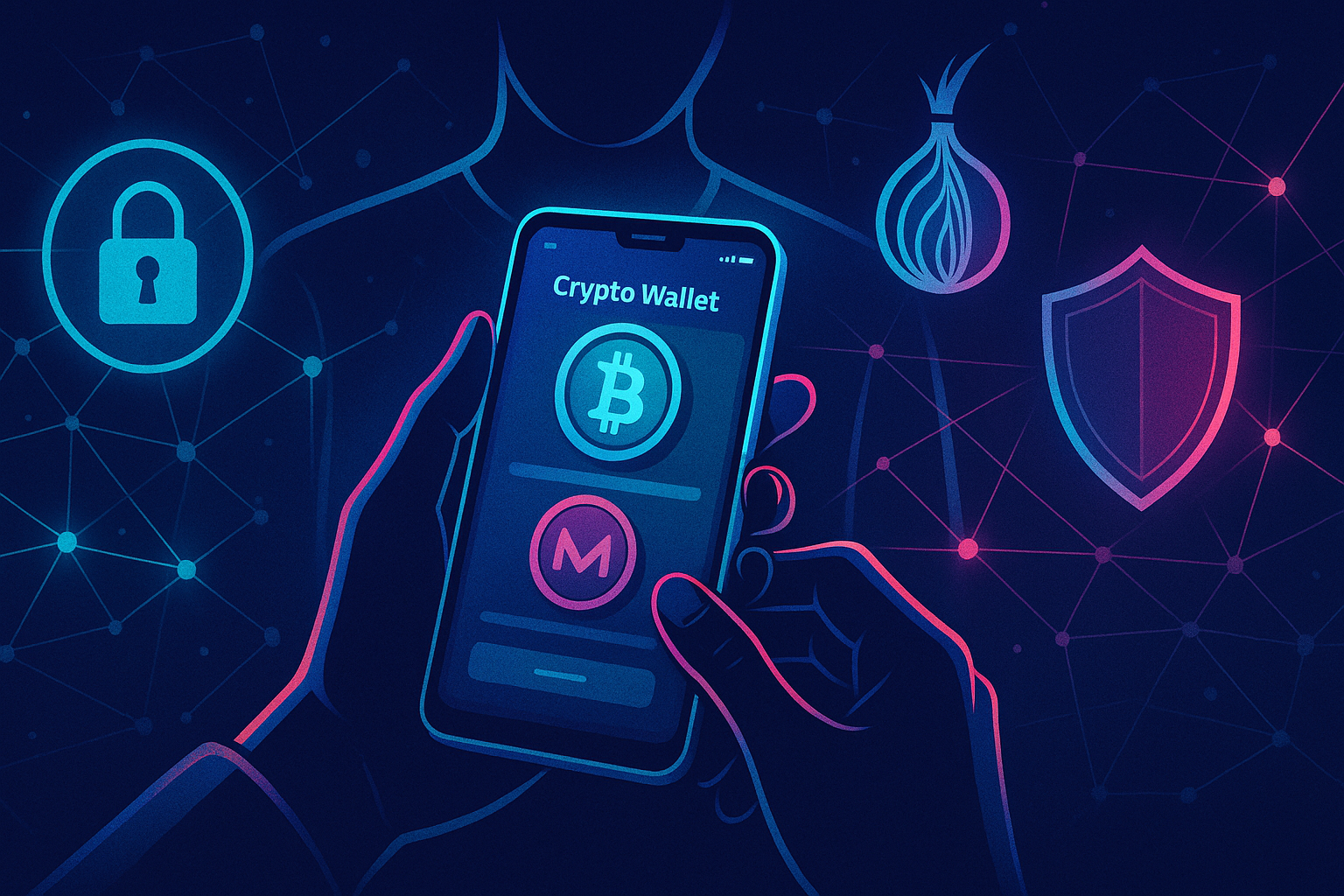
- Set up a non‑custodial Bitcoin wallet and securely back up your seed phrase.
- Acquire a privacy coin (like Monero) or another cryptocurrency without KYC where possible.
- Use a no‑KYC instant swap (for example, a non‑custodial swap from XMR to BTC) and enter your BTC address.
- Send the input coin, wait for confirmations, and receive Bitcoin directly to your wallet.
What You Need Before You Start
Before you learn how to buy Bitcoin anonymously, you need a few essentials in place. Skipping these basics is how people lose coins or accidentally link their identity.
1. A Non‑Custodial Bitcoin Wallet
To stay private, avoid keeping BTC on centralized exchanges or hosted wallets that require your ID.
Use a non‑custodial wallet where you control the seed phrase and private keys, such as:
- Mobile / Desktop: Sparrow Wallet, BlueWallet, Electrum, Phoenix
- Hardware (more secure): Ledger, Trezor, Coldcard
Key points:
- Write down your 12–24 word seed phrase offline, and store it in at least two safe locations.
- Never take photos of your seed or store it in cloud notes.
- Enable PIN, password, and 2FA where supported.
2. A Source of Funds
To get anonymous Bitcoin, you usually start from:
- Another cryptocurrency you already own
- Cash (banknotes) that cannot easily be traced to your identity
- A KYC free on‑ramp such as some P2P deals or certain ATMs
For the smoothest experience, many users first obtain a privacy coin like Monero (XMR) or other crypto through P2P or cash and then use a private exchange path into BTC.
3. Minimum Amounts and Network Fees
Every method has:
- Minimum trade amounts set by services and liquidity.
- Network fees for sending coins on different blockchains.
In practice, expect:
- Minimum swap limits around 20–50 USD equivalent on many instant services (varies by asset and market conditions).
- Bitcoin network fees that fluctuate with congestion; you can track this on sites like mempool.space.
Keep a small extra amount of each coin to cover network fees in addition to what you want to swap.
4. Time Needed
Time depends on the method:
- No‑KYC instant swap: Usually 5–30 minutes, depending on confirmations.
- Centralized exchange with KYC: From hours to several days for approval and funding.
- P2P or ATM: 10–60 minutes, depending on meeting logistics and queues.
If your priority is speed and privacy combined, crypto‑to‑crypto swaps using no‑KYC services are typically the fastest way to buy Bitcoin anonymously.
Method 1: Using GhostSwap (No KYC — Recommended)
GhostSwap is a non‑custodial, instant crypto swap service that lets you exchange 1,500+ coins without creating an account or completing KYC. This makes it a strong option if you want to avoid linking your identity to your Bitcoin purchases.
You trade directly from your wallet, and the platform never holds your keys.
Step 1: Go to GhostSwap.io
Open your browser and visit GhostSwap.io.
You will see a simple exchange widget on the home page where you choose which crypto you send and which you receive.
If you are following an anonymity‑focused route, you might start from a privacy coin like XMR and select BTC as the output asset on the dedicated BTC/XMR swap page.
Step 2: Select BTC in the Exchange Widget
In the “You get” or “Receive” field:
- Select Bitcoin (BTC) as the coin you want to receive.
In the “You send” field, choose the coin you already hold, for example:
- XMR if you want a more private path into BTC
- USDT, ETH, or other majors if that is what you currently own
Enter the amount you want to swap. The widget will display an estimated amount of BTC you will receive, factoring in liquidity and fees.
Step 3: Enter Your Bitcoin Wallet Address
Copy your BTC receive address from your non‑custodial wallet.
- Paste it into the “Your BTC address” (or similar) field on GhostSwap.
- Double‑check the first and last 4 characters.
- Confirm you are using a compatible network (for BTC, that means the native Bitcoin network, not wrapped versions on other chains).
Once confirmed, GhostSwap will generate a deposit address for the coin you are sending.
Step 4: Send Your Crypto and Receive BTC
From your wallet:
- Send the exact amount of the input coin to the deposit address shown by GhostSwap.
- Wait for network confirmations. The status will update on the swap page.
- After confirmation and processing, BTC is sent directly to your wallet address.
You stay in control the whole time. There is no account balance held on the platform, which is a core feature for preserving privacy.
Pros of Buying BTC Anonymously with GhostSwap
- No KYC: No ID upload, no selfies, and no personal profile linking your swaps to your name.
- Non‑custodial: You never deposit funds into an account; coins go from your wallet to the final destination.
- Instant processing: Swaps typically complete within minutes after confirmations.
- 1,500+ trading pairs: Wide support for altcoins, stablecoins, and privacy coins, giving you many paths into BTC.
- Simple UI: Good for both beginners and advanced users who value a fast workflow.
Cons of Buying BTC with GhostSwap
- Crypto‑to‑crypto only: You need to start from another coin. GhostSwap does not accept cash or bank transfers directly, although you can use third‑party “buy crypto” options when available.
- Network fees apply: You still pay standard blockchain transaction fees for both the input and output assets.
You can swap BTC, ETH, USDT and 1,500+ other coins on GhostSwap without KYC.
Method 2: Using a Centralized Exchange
Many people’s first instinct is to go to a big centralized exchange (CEX) when they want to buy Bitcoin. While this works, it is not anonymous and often not quick.
How Centralized Exchanges Work
A typical flow on a CEX looks like this:
- Create an account with your email and password.
- Complete KYC verification, providing your legal name, nationality, government ID, and sometimes a selfie or proof of address.
- Wait for your account to be approved, which can take anywhere from minutes to days depending on volume.
- Deposit fiat via bank transfer or card, or deposit crypto.
- Use the spot market or “Buy Crypto” interface to purchase BTC.
Once you have Bitcoin, you must withdraw it to a private wallet if you want to limit future tracking on that platform.
Why This Is Not Anonymous
Centralized exchanges are heavily regulated in many jurisdictions and typically:
- Collect and store personal data.
- Log all trade activity, deposits, and withdrawals.
- May share information with authorities upon request.
Even if you later move coins to a private wallet, the initial purchase is fully linked to your identity in the exchange’s database.
If your top priority is to learn how to buy Bitcoin anonymously, centralized exchanges are usually the method you want to avoid or at least understand as a “non‑private” on‑ramp.
Method 3: Peer‑to‑Peer & ATMs (More Cash‑Based Options)
If you want to start from physical cash or avoid using your bank, peer‑to‑peer (P2P) trades and Bitcoin ATMs can be viable alternatives. They each have trade‑offs between privacy, convenience, and fees.
P2P Marketplaces and In‑Person Trades
Some platforms and communities connect buyers and sellers directly so you can arrange:
- Cash‑in‑person deals
- Bank transfer trades
- Other payment methods like gift cards or local payment apps
In many regions, P2P marketplaces now require at least basic verification to use their escrow services. However, you can sometimes still find lower‑KYC or regional alternatives, or conduct transactions within trusted communities, local meetups, or forums.
- For price reference and market data, you can monitor BTC prices on sites like CoinGecko or CoinMarketCap.
How a Typical P2P Deal Works
- You find a seller willing to accept your preferred payment method (for example, cash).
- You agree on a price, payment window, and Bitcoin amount.
- For in‑person trades: meet in a public place, send cash, and receive BTC to your wallet.
- For remote trades: use an escrow system where the seller locks BTC until payment is confirmed.
Pros of P2P
- Can be partially anonymous if the platform has minimal KYC and you use cash.
- Flexible payment methods.
- Good for regions with limited banking access.
Cons of P2P
- Scam risk if you do not use escrow or trusted contacts.
- Time‑consuming to find reliable traders and negotiate prices.
- Some P2P platforms now enforce strict KYC rules.
Bitcoin ATMs
Bitcoin ATMs are physical kiosks that let you insert cash to buy BTC. Some also support selling BTC for cash.
How a Bitcoin ATM Purchase Works
- Locate a nearby ATM on a map service specializing in crypto ATMs.
- At the machine, choose “Buy Bitcoin.”
- Enter or scan your Bitcoin address from your wallet’s QR code.
- Insert cash and confirm the transaction.
- BTC is sent to your address after network processing.
Privacy With ATMs
Privacy varies widely:
- Small amounts: Some ATMs allow low‑value purchases with minimal data (e.g., phone number verification).
- Larger amounts: Often require ID scans and may even take a photo.
Always read the ATM’s terms and on‑screen privacy notices. Treat any machine that requires your full ID as a non‑anonymous purchase method.
Pros of ATMs
- Use physical cash without a bank account.
- Instant purchase with visible fee disclosure.
- Good for people who prefer in‑person interactions with a machine.
Cons of ATMs
- Fees can be significantly higher than online swaps.
- Limited privacy if the operator enforces strong KYC.
- Availability varies by country and city.
A hybrid approach many privacy‑focused users prefer is:
- Use cash/P2P/ATM to buy a privacy coin like XMR.
- Move that to a private wallet.
- Use a non‑custodial, no‑KYC service like GhostSwap to convert XMR into BTC.
Tips for Staying Safe While Buying Bitcoin Anonymously
Buying Bitcoin privately is not just about hiding your ID. It is also about protecting your coins from theft and minimizing traceability mistakes.
1. Use Strong Wallet Security
- Always test your wallet with a small transaction before sending a large amount.
- Consider hardware wallets if you are holding significant value.
- Keep wallet apps and firmware up to date to patch security vulnerabilities.
2. Protect Your Network Privacy
- Avoid using public Wi‑Fi for sensitive crypto activity.
- Use a reputable VPN to reduce IP address tracking.
- Consider Tor for additional network privacy if you understand its limitations.
3. Be Careful With Address Reuse
On blockchains such as Bitcoin, all transactions are public.
- Use a fresh receiving address each time if your wallet supports it.
- Avoid posting your Bitcoin address publicly where it can be linked to your identity.
- Consider coins with stronger default privacy if address linking is a concern and then convert via private swap routes.
4. Double‑Check All Transaction Details
Small mistakes can cost you your coins:
- Always verify addresses character by character, especially the first and last few characters.
- Confirm that you are using the correct network for deposits and withdrawals.
- Send a small test transaction if you are using a new service for the first time.
5. Avoid Sharing Screenshots and Transaction IDs Publicly
Transaction IDs (TXIDs) and screenshots of wallets or swaps can leak:
- Your balances or holdings.
- Transaction history and counterparties.
- Addresses that can be tied back to you later.
Keep these details private, and be mindful of what you post in public chats or social media.
6. Choose Reputable Tools and Services
When you use instant swap services, P2P platforms, or wallets:
- Prefer long‑running, well‑reviewed tools with transparent documentation.
- Check whether the service is non‑custodial or custodial, as this changes your risk profile.
- Verify URLs to avoid phishing sites that mimic legitimate platforms.
GhostSwap is one of the tools in this stack, helping bridge between different assets without requiring you to hand over your identity. Used correctly, it can be part of a privacy‑respecting workflow alongside good wallet hygiene.
Ready to Trade Bitcoin (BTC)?
If you have your wallet set up and understand the risks, you can start moving into Bitcoin privately using a non‑custodial swap. With GhostSwap, you stay in control of your keys while exchanging crypto for BTC across 1,500+ pairs. Try a private exchange route using XMR to BTC and receive coins directly to your own wallet without KYC.
Frequently Asked Questions
Can I do this without ID?
Yes, it is possible to get Bitcoin without submitting ID, but it depends on the method and your local regulations.
- No‑KYC instant swaps: Services like GhostSwap do not require ID for crypto‑to‑crypto exchanges, so you can convert other coins into BTC without creating a verified account.
- P2P and cash deals: In‑person cash trades or certain P2P arrangements can be done without formal ID, provided you stay within any legal limits in your jurisdiction.
- ATMs: Some Bitcoin ATMs allow small, lower‑tier purchases with only minimal data, but many now request ID for higher volumes.
Always comply with your local laws and regulations and avoid any activity that could be interpreted as money laundering or other illegal behavior.
What is the best method to buy Bitcoin anonymously?
The “best” method depends on your priorities:
- If you want a balance of privacy, speed, and convenience, many users prefer:
- Acquire a privacy coin like XMR via cash, P2P, or other on‑ramps.
- Use a non‑custodial, no‑KYC service such as GhostSwap to convert that coin into BTC.
- If you only have cash and no prior crypto, ATMs or P2P cash trades can work, but fees may be higher and you must be careful about safety.
Centralized exchanges are not suitable if anonymity is your primary goal because they hold full KYC data and comprehensive logs.
How long does it take to buy Bitcoin this way?
Timeframes vary:
- No‑KYC instant swaps: Typically 5–30 minutes once you send your crypto, depending on blockchain confirmations.
- P2P trades: Anywhere from minutes to hours, depending on how quickly you can find a counterparty and complete payment.
- Bitcoin ATMs: Usually under 10–20 minutes including cash insertion and confirmations.
- Centralized exchanges: Immediate trades after approval, but KYC and funding can add hours or days.
For most people looking for a quick route You can also buy crypto without verification directly through a non-custo For a fast, private option, you can ETH to Monero exchange on a non-custodial platform with no account required.dial platform., crypto‑to‑crypto no‑KYC swaps are the fastest way to obtain Bitcoin without going through full ID verification.
Is it safe to use GhostSwap?
GhostSwap is designed as a non‑custodial instant swap service, which has several safety advantages:
- You do not leave balances on an exchange account the platform controls.
- You retain control of your wallet and private keys at all times.
- There is no centralized user database of KYC documents that could be exposed in a breach.
However, safe use still requires:
- Verifying you are on the official GhostSwap.io domain to avoid phishing.
- Confirming all addresses and amounts before sending.
- Maintaining good wallet and device security.
When combined with a secure wallet and prudent operational security, GhostSwap can be a reliable piece of the puzzle for anyone learning how to buy Bitcoin anonymously in 2026.
Ready to Swap?
Convert your crypto instantly on GhostSwap — no KYC, no sign-up required.
Popular swaps: BTC to XMR | BTC to ETH | XMR to BTC | ETH to XMR | BTC to SOL