BTC to PEPE Swap: How to Exchange Bitcoin for PEPE Safely and Instantly
Introduction
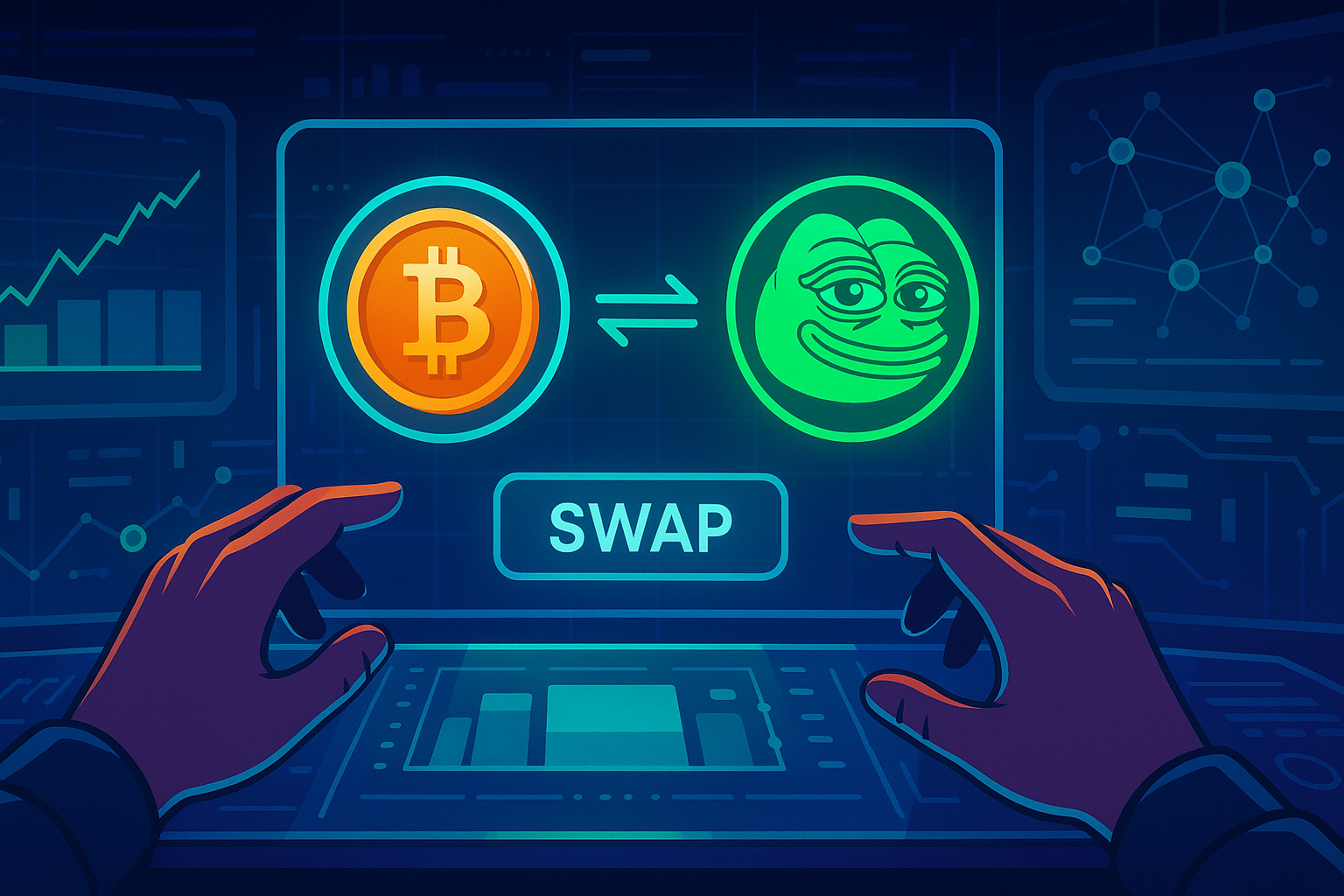
The crypto market moves quickly, and meme coins like PEPE have shown that community-driven tokens can gain traction in a very short time. If you are holding Bitcoin and want exposure to the PEPE ecosystem, learning how to execute a btc to pepe swap efficiently, securely, and at a fair rate is essential.
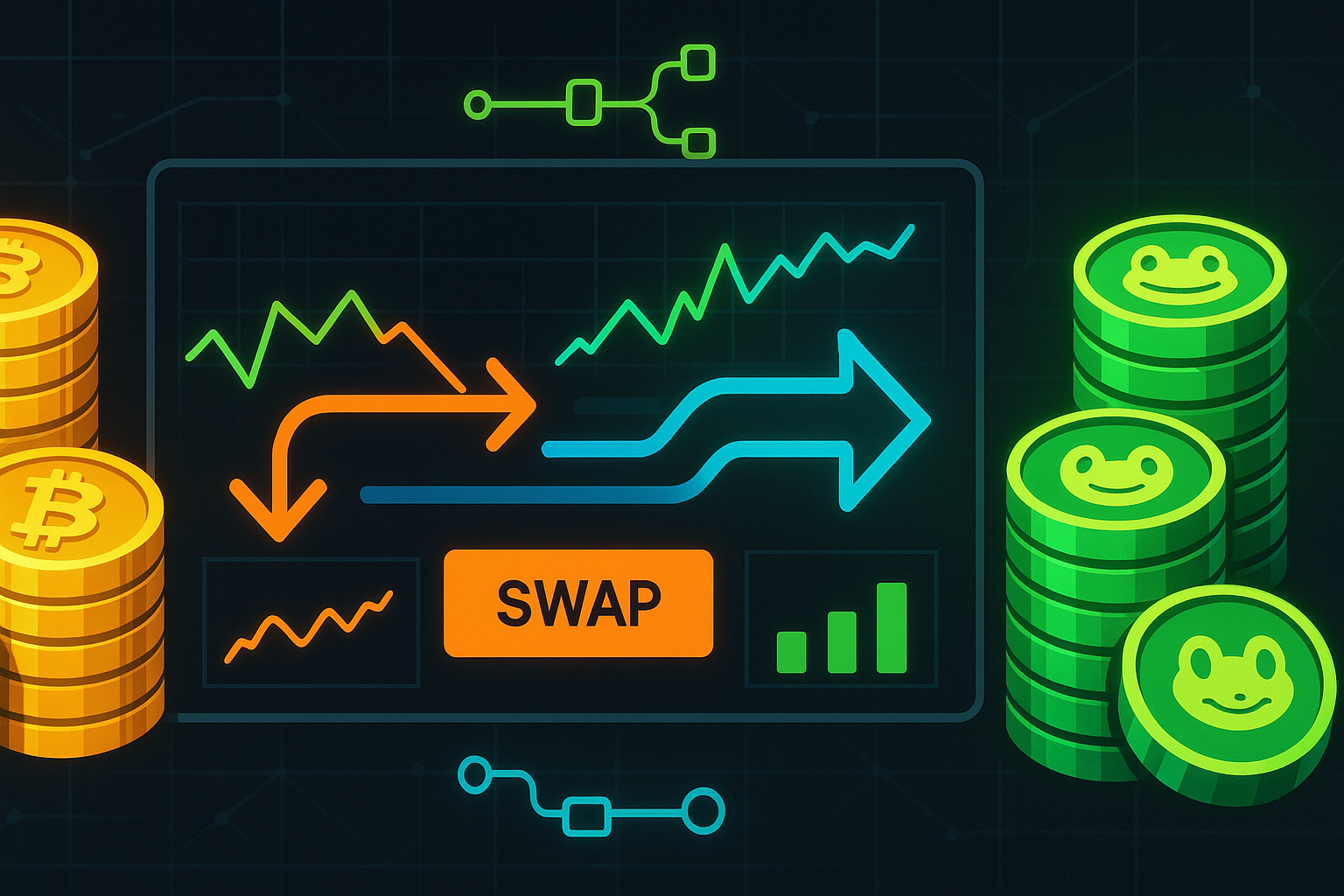
In this guide, we will walk through why swapping BTC to PEPE matters, the benefits and risks, and how to use a btc to pepe swap interface in a simple, step-by-step way. Whether you are a trader, long-term holder, or simply curious about meme coins, this article will help you navigate the process with more confidence.
We will also look at best practices for fees, privacy, and timing your trades so that you avoid common pitfalls that catch many new users by surprise.
Why Swapping BTC to PEPE Matters
Diversification into High-Risk, High-Reward Assets
Bitcoin is widely viewed as a blue-chip crypto asset. It is relatively more stable compared to smaller, speculative tokens. PEPE, by contrast, is a meme coin with higher volatility and stronger short-term speculative behavior.
For some market participants, a btc to pepe swap is a way to:
- Take on higher risk in exchange for potential outsized returns
- Participate in a meme-driven community
- Speculate on short-term price movements while keeping BTC as a base asset
Access to Meme Coin Communities and Culture
Meme coins often revolve around strong communities, viral memes, and social media presence. Swapping BTC to PEPE can give you access to:
- Community events, contests, and NFT tie-ins
- Trading opportunities on decentralized exchanges and meme coin platforms
- A different risk profile compared to major layer 1 or layer 2 tokens
Capital Efficiency and Liquidity
Bitcoin’s large market cap and deep liquidity make it a common base asset for moving into altcoins. Using BTC directly to acquire PEPE can be more capital-efficient than converting BTC to a stablecoin first and then buying PEPE, especially if you use an instant, non-custodial swap that routes liquidity behind the scenes.
Key Benefits of a BTC to PEPE Swap
1. Speed and Convenience
Modern instant swap platforms allow you to exchange BTC for PEPE within minutes. There is no need to place complex limit orders or worry about matching with another trader on an order book.
Instead, you typically:
- Select BTC as the asset you are sending
- Select PEPE as the asset you are receiving
- Get a transparent rate quote and expected output
- Send BTC to a provided address and receive PEPE in your wallet
2. Non-Custodial Control of Your Funds
Non-custodial services allow you to keep control of your private keys. You do not deposit assets into a centralized exchange account, which reduces the risk associated with exchange hacks, insolvency, or withdrawal freezes.
In a non-custodial environment, you typically:
- Connect your self-custody wallet
- Sign transactions locally
- Retain control over your BTC and PEPE at all times except during the actual swap transaction
3. Privacy and Reduced KYC Friction
Many instant swap services operate without full account creation or invasive KYC, especially for modest trade sizes. This can be appealing for users who value privacy and want to avoid the friction of account sign-up, verification, and documentation upload.
That said, be aware that some services may still enforce KYC on suspicious or very large transactions, often in line with regulatory obligations.
Risks and Drawbacks of a BTC to PEPE Swap
1. Volatility Risk
PEPE is highly volatile. Its price can move significantly in a short period of time. If you swap BTC to PEPE right before a price drop, you can incur large losses in BTC terms.
Mitigation tips:
- Never risk more than you are prepared to lose fully
- Consider dollar-cost averaging instead of a single large swap
- Use limit orders on exchanges if you want a strict entry price (though that adds complexity)
2. Smart Contract and Platform Risk
If you use a decentralized swap, you are interacting with smart contracts. Bugs, exploits, or misconfigurations can lead to loss of funds. Even with off-chain routing services, there is platform risk if the operator mismanages liquidity or goes offline at the wrong time.
Risk reduction steps:
- Use platforms with a track record and clear documentation
- Start with a small test swap before sending larger amounts
- Check whether contracts are audited and actively maintained
3. Slippage and Fees
When swapping BTC to PEPE, your effective rate is affected by:
- Exchange fee: The platform’s service fee for routing the swap
- Network fee: Miner/validator fees on the Bitcoin and PEPE chains (or their respective networks)
- Slippage: Difference between the quoted rate and final execution price due to market movement or liquidity depth
Careful choice of timing, swap size, and platform can significantly influence your net outcome.
4. Regulatory and Tax Considerations
In many jurisdictions, swapping from BTC to PEPE is a taxable event. You may be liable for capital gains or losses in your local currency for the BTC you dispose of.
Always:
- Keep records of swap amounts, timestamps, and transaction IDs
- Consult local regulations or a tax professional for specific advice
How to Perform a BTC to PEPE Swap: Step-by-Step Guide
The exact interface will differ between platforms, but the core process remains similar. Here is a practical, generic walkthrough for performing a btc to pepe swap using a non-custodial, instant swap service.
Step 1: Prepare Your Wallets
You will need:
- A wallet holding BTC (for example, a Bitcoin-native wallet or multi-coin wallet that supports BTC)
- A wallet address capable of receiving PEPE (usually an Ethereum-compatible or other relevant chain wallet, depending on the specific PEPE token you are targeting)
Double-check that the PEPE token contract address is correct and that your receiving wallet supports that specific token standard and network (such as ERC-20 on Ethereum).
Step 2: Choose a Swap Platform
Pick a platform that offers an instant btc to pepe swap with a private exchange flow. Look for:
- Transparent fees and exchange rates
- Non-custodial operation (you control your keys)
- Clear instructions and support documentation
- Reasonable minimum and maximum limits for your trade size
Step 3: Select Trading Pair and Enter Amount
On the swap interface:
- Choose BTC as the asset you are sending.
- Choose PEPE as the asset you want to receive.
- Enter the amount of BTC to swap or the desired amount of PEPE to receive, depending on the interface.
The platform should show you:
- Estimated amount of PEPE you will receive
- Estimated time to complete the swap
- Applicable fees or spreads included in the quote
Step 4: Provide Your PEPE Receiving Address
Paste the address of your PEPE-compatible wallet into the destination field. Verify:
- The address is correct and on the right network (for example, Ethereum mainnet if PEPE is ERC-20)
- There are no hidden characters or typos
- You are not reusing an address that has known security issues
Some wallets allow you to scan a QR code or connect directly, reducing the risk of copy-paste errors.
Step 5: Review the Quote and Confirm
Before committing:
- Verify the BTC amount you are sending
- Confirm the estimated PEPE output and minimum amount guaranteed (if specified)
- Check the timeout window: many quotes remain valid only for a limited period
If you are comfortable with the rate and conditions, proceed to the next step.
Step 6: Send BTC to the Provided Address
The platform will generate a BTC deposit address or a payment request. From your BTC wallet:
- Copy the deposit address or scan the QR code.
- Send the exact BTC amount you previously specified.
- Select an appropriate network fee to ensure confirmation within the expected time.
After broadcasting the transaction, you can monitor its status on a Bitcoin block explorer using the transaction ID.
Step 7: Wait for Confirmations and Receipt of PEPE
Once the platform receives your BTC with enough confirmations, it will execute the swap and send PEPE to the destination address you provided.
Check your wallet:
- Confirm that the PEPE balance has increased
- Verify the transaction on the appropriate block explorer
- Ensure you are viewing the correct network and token within your wallet app
Step 8: Secure Your Assets and Document the Swap
After completion:
- Record the date, time, BTC amount, and PEPE amount for your records
- Backup your wallet recovery phrase if you have not already done so
- Consider moving a portion of your PEPE to more secure storage if necessary
Practical Tips for a Better BTC to PEPE Swap Experience
1. Start Small and Scale Up
If you are new to a particular platform or to PEPE itself, start with a small test amount. Confirm that:
- The swap completes as expected
- Your wallet displays PEPE correctly
- The effective rate matches your expectations
Once you are confident, you can consider larger swaps while always staying within your risk tolerance.
2. Check Network Conditions
Both Bitcoin and PEPE’s underlying network (often Ethereum or another chain) can experience congestion, which may:
- Increase network fees
- Slow down confirmations
- Cause your swap to take longer than expected
Monitoring mempool congestion and average fees before initiating a large btc to pepe swap can save you both money and frustration.
3. Compare Effective Rates, Not Just Listed Prices
Two platforms might show similar BTC/PEPE prices, but the final result can differ after:
- Platform fees
- Network fees
- Slippage
Always look at the net amount of PEPE you will receive for a given BTC input, and consider whether small differences in rate are worth the additional risk or complexity of moving to another service.
4. Beware of Fake Tokens and Phishing
Especially with meme coins, scammers often deploy fake tokens with similar names or logos. Avoid:
- Random links from social media or group chats
- Importing token contracts you have not verified
- Connecting your wallet to unknown sites that request broad approvals
Use official project channels, reputable aggregators, or trusted swap interfaces to identify the correct PEPE token.
5. Maintain Good Security Hygiene
Standard security practices are critical:
- Never share your seed phrase or private keys
- Use hardware wallets for larger holdings
- Bookmark trusted swap URLs instead of clicking on ads
- Double-check SSL certificates and site addresses
These basics can prevent a large percentage of common attack vectors that target crypto users.
Conclusion: Is a BTC to PEPE Swap Right for You?
Swapping BTC for PEPE is a straightforward way to gain exposure to one of the more prominent meme coins in the market. By using a reliable, swap crypto instantly service that is non-custodial and privacy-conscious, you can streamline the process while retaining control over your funds.
However, PEPE remains a speculative asset. Before executing a btc to pepe swap, consider your risk tolerance, investment horizon, and the potential tax implications. Use small test trades, verify token details, and pay close attention to fees and network conditions.
If you approach the swap with clear expectations, sound security practices, and a realistic view of volatility, moving from BTC into PEPE can be a calculated part of a diversified crypto strategy rather than a blind gamble.
Ready to Swap?
Convert your crypto instantly on GhostSwap — no KYC, no sign-up required.
Popular swaps: BTC to XMR | BTC to ETH | XMR to BTC | ETH to XMR | BTC to SOL