USDC to BTC Swap: A Complete, Practical Guide for 2025
Introduction
Swapping USDC to BTC is one of the most common moves crypto users make today. Whether you are rotating from stablecoins into Bitcoin for long‑term holding, hedging against inflation, or preparing to move funds off an exchange, understanding how a USDC to BTC swap works can save you time, fees, and stress.
In this guide, we will walk through everything you need to know about converting USDC to BTC effectively: why it matters, the main benefits and risks, how to do it step by step, and practical tips to stay safe. Throughout, we will focus on instant, non‑custodial methods that let you retain control over your funds, such as using a private exchange for a USDC to BTC swap directly from your own wallet.
By the end of this article, you will know which options exist, how to pick the right one for your needs, and how to avoid the most frequent mistakes people make when swapping USDC to BTC.
Why USDC to BTC Swap Matters
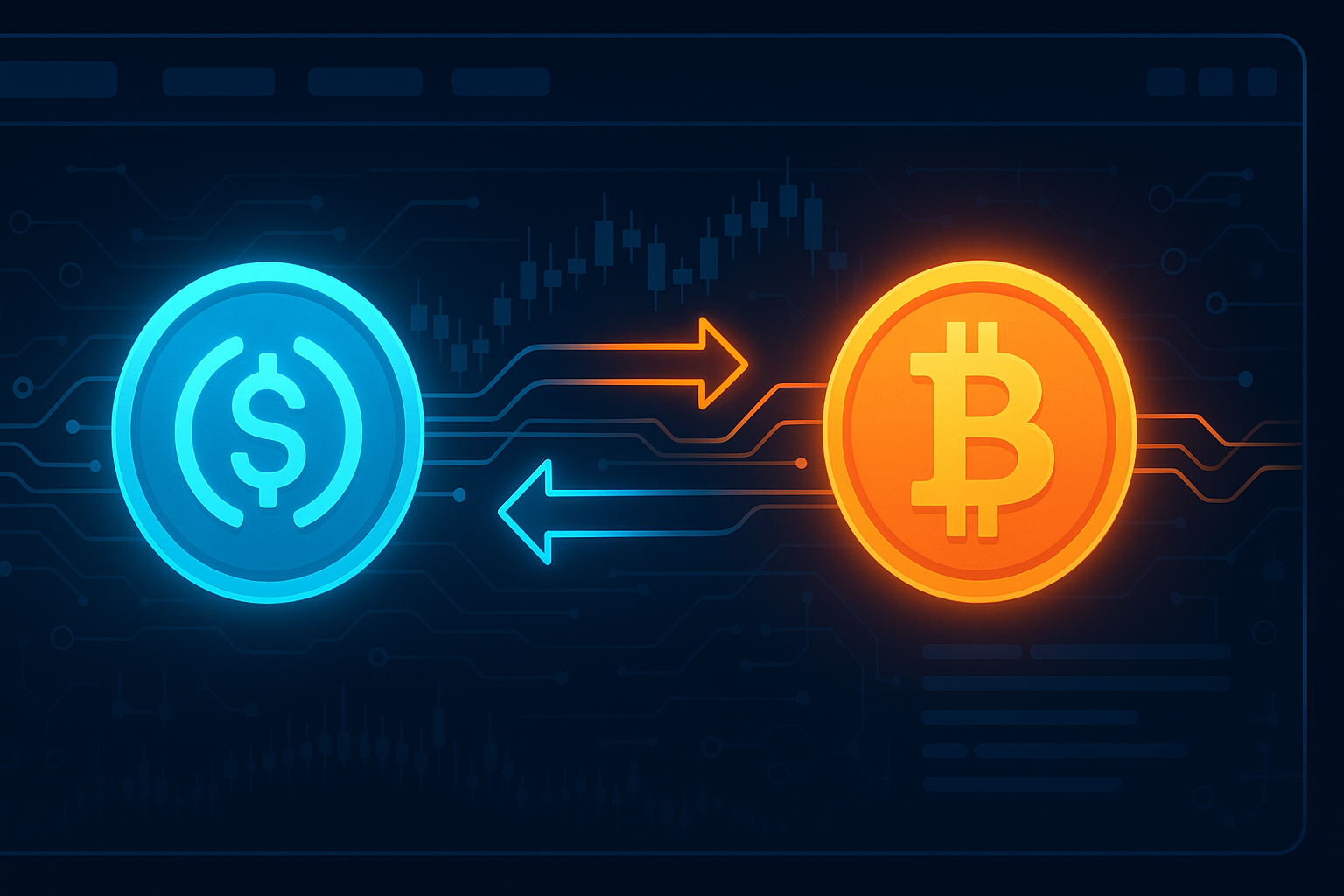
USDC and BTC sit at opposite ends of the crypto spectrum. USDC is a centralized, dollar‑pegged stablecoin; BTC is the flagship decentralized cryptocurrency with a fixed supply. Moving between the two efficiently is key to almost any crypto strategy.
USDC: Stability and Dollar Exposure
USDC (USD Coin) is a stablecoin designed to maintain a 1:1 value with the US dollar. It is widely used for:
- Parking profits from trades in a relatively stable asset
- On‑chain payments and remittances
- Yield farming and DeFi lending
- Reducing volatility risk without leaving the crypto ecosystem
Being asset‑backed and regulated, USDC is popular with traders who want less price fluctuation while staying crypto‑native.
BTC: Scarce, Volatile, and Long‑Term Oriented
Bitcoin (BTC) is the first and most recognized cryptocurrency. Its main characteristics include:
- Hard‑capped supply of 21 million coins
- Decentralized settlement with no central issuer
- High historical volatility
- Use as a store of value and speculative investment
Many traders keep capital in USDC during uncertain market conditions, then execute a USDC to BTC swap when they believe the price is favorable.
Why the Swap Is Strategically Important
Being able to swap USDC to BTC quickly and at a fair rate matters because:
- Timing is critical: Bitcoin’s price can move several percent within minutes.
- Fees eat into returns: High trading fees and wide spreads reduce your effective entry price.
- Custody risk is real: Centralized platforms can be hacked, freeze withdrawals, or impose limits.
Choosing the right method for your USDC to BTC swap has a direct impact on both your risk profile and your long‑term profits.
Benefits of Swapping USDC to BTC
1. Gaining Exposure to Bitcoin’s Upside
If you hold mainly stablecoins, you are effectively sitting in digital cash. That can be smart during bear markets, but in bull trends it often means missed opportunities. Swapping USDC to BTC:
- Lets you participate in potential Bitcoin price appreciation
- Can serve as a hedge against fiat currency debasement and inflation
- Gives you access to the broader Bitcoin ecosystem, including Lightning payments and BTC‑denominated services
2. Maintaining On‑Chain Flexibility
Both USDC and BTC are native to the crypto ecosystem. Moving between them keeps your funds on‑chain and under your control, instead of relying on banks or payment processors that operate on traditional rails and business hours.
3. Diversification of Crypto Holdings
Holding only stablecoins or only Bitcoin concentrates risk. By swapping a portion of your USDC into BTC you can:
- Balance volatility with stability
- Reduce exposure to any single issuer or protocol
- Position yourself for different market scenarios
4. Improved Privacy and Self‑Custody
If you use a non‑custodial tool that does not require registration, you can:
- Swap crypto instantly without lengthy KYC processes in many cases
- Maintain control of your private keys and avoid exchange custody risk
- Reduce the amount of centralized account data tied to your identity
For example, some services allow a non‑custodial swap directly from your wallet, where you send USDC from your own address and receive BTC straight into your Bitcoin wallet without depositing to a custodial exchange.
Risks and Drawbacks of Swapping USDC to BTC
No swap is risk‑free. Before converting USDC to BTC, consider the following.
1. Market Volatility and Timing Risk
Bitcoin’s price can fluctuate significantly over short periods. That means:
- The BTC price might move unfavorably between the moment you decide to swap and when the transaction finalizes.
- If you swap during a spike, a later correction may leave you with unrealized losses.
Mitigation strategies include using limit orders on order‑book exchanges, swapping in smaller tranches, or choosing services with tight spreads.
2. Counterparty and Custodial Risk
If you use a centralized exchange, you typically deposit USDC into a custodial account. This introduces risks such as:
- Exchange hacks or insolvency
- Account freezes, withdrawal delays, or new KYC requirements
- Withdrawal limits during high‑volatility events
Using non‑custodial swap services where you do not leave funds on the platform can reduce these risks, though it does not remove all smart contract or service‑operator risk.
3. Network Fees and Slippage
On‑chain swaps involve gas fees and potential slippage:
- High network congestion can make transactions expensive or slow.
- Slippage occurs when the final execution price differs from the quoted price, usually due to liquidity or rapidly changing markets.
- Bridging USDC across chains (for example from Ethereum to another network) adds extra cost and complexity.
Always estimate total costs (platform fee + network fee + spread) before confirming your swap.
4. Regulatory and Tax Considerations
In many jurisdictions, swapping USDC to BTC is a taxable event. You may incur:
- Capital gains or losses relative to your USDC cost basis
- Reporting requirements for each trade
Consult a qualified tax professional familiar with crypto in your country to understand your obligations.
Methods to Perform a USDC to BTC Swap
There are several main ways to swap USDC for BTC, each with different trade‑offs.
1. Centralized Exchanges (CEX)
Examples include major global trading platforms that list USDC/BTC pairs. Typical process:
- Create an account and complete KYC (identity verification).
- Deposit USDC to your exchange USDC wallet.
- Place a market or limit order on the USDC/BTC trading pair.
- Withdraw BTC to your personal wallet.
Pros:
- Deep liquidity and generally tight spreads
- Advanced order types and charting tools
- Clear trading history and reporting
Cons:
- Custodial: you must trust the exchange with your funds
- KYC and account setup required
- Possible withdrawal fees and limits
2. Non‑Custodial Swap Services
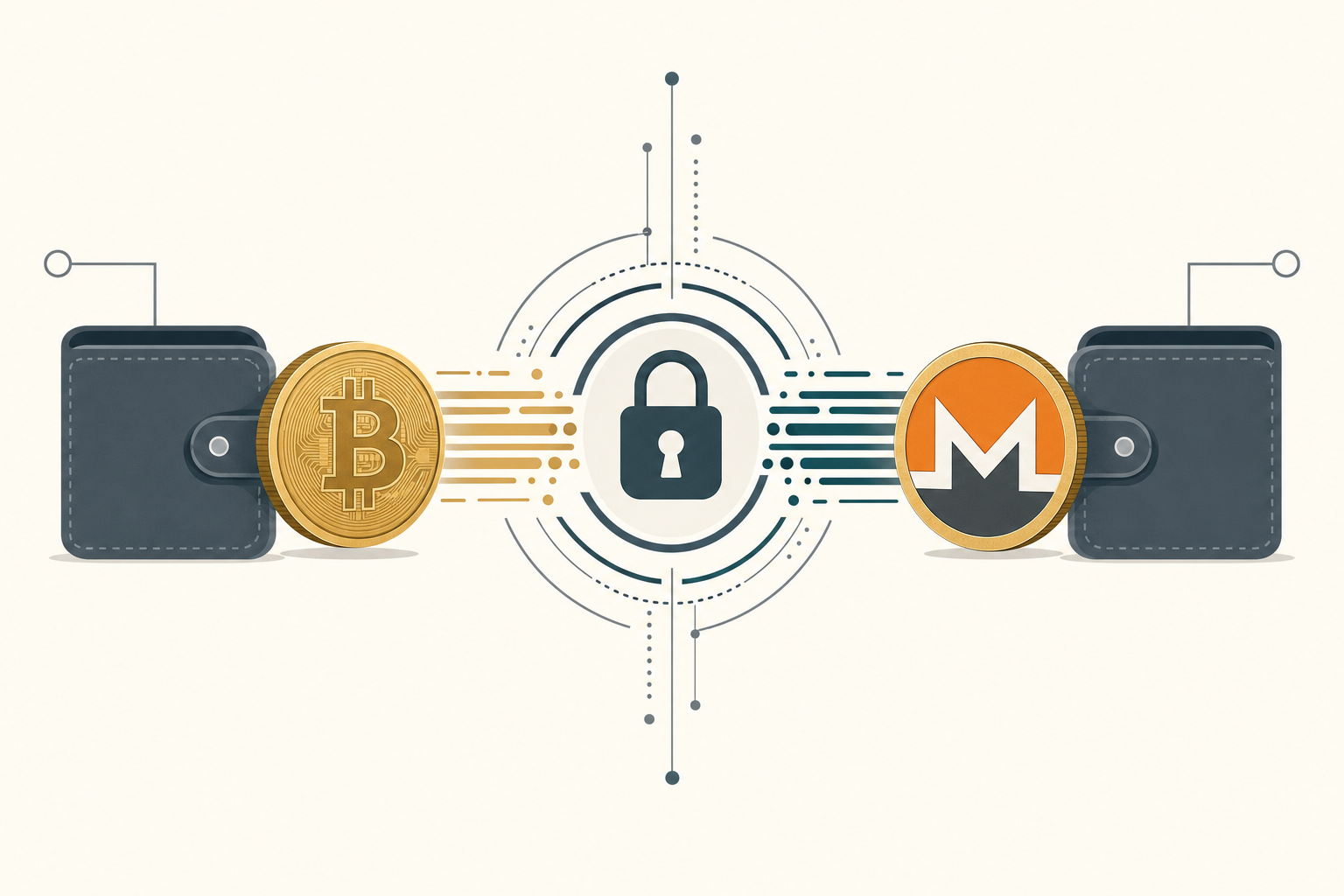
Non‑custodial swap tools allow you to send USDC from your own wallet and receive BTC directly in your Bitcoin wallet, without creating a custodial account.
Typical process:
- Enter how much USDC you want to swap.
- Provide your BTC receiving address.
- Send USDC to the deposit address generated by the service.
- Receive BTC after the swap is executed.
Pros:
- No long‑term custody by the platform
- Often no registration for moderate amounts
- Simple, user‑friendly interfaces for straightforward swaps
Cons:
- Rates and fees vary by provider
- Potential limits per transaction
- Less suitable for complex trading strategies
3. DeFi + Bridge + CEX Hybrid Route
For advanced users, it is possible to route a swap through decentralized exchanges and bridges, then into Bitcoin:
- Swap USDC to a BTC‑pegged token (such as WBTC) on a DEX.
- Bridge or use a supported path to real BTC, often via centralized infrastructure.
This can sometimes optimize rates or fit into an existing DeFi strategy, but it adds multiple layers of contract risk, fee complexity, and execution steps.
Step‑by‑Step Guide: How to Swap USDC to BTC Safely
The safest approach for many users is a straightforward non‑custodial swap from their wallet to a Bitcoin address. Here is a general step‑by‑step framework you can adapt to platforms like swap crypto instantly without giving up custody.
Step 1: Choose Your Platform
Evaluate potential services using criteria such as:
- Reputation: Look for third‑party reviews, security audits where available, and community feedback.
- Non‑custodial design: Prefer platforms that do not require you to leave funds on deposit.
- Supported networks: Verify that the platform supports the chain your USDC is on (Ethereum, Arbitrum, Polygon, etc.) and your desired BTC destination.
- Transparent fees and rates: Check spread, service fee, and any on‑chain costs.
Step 2: Prepare Your Wallets
You need two things ready:
- USDC wallet: A wallet holding the USDC you plan to swap, on a supported network.
- BTC wallet: A secure Bitcoin address where you will receive the BTC.
Tips:
- For USDC, ensure you have enough native gas token (for example ETH on Ethereum) to pay for the transaction.
- For BTC, consider using a hardware wallet or well‑maintained software wallet you control.
Step 3: Enter Swap Details
On your chosen platform:
- Select USDC as the asset you send.
- Select BTC as the asset you receive.
- Input the amount of USDC you want to convert.
- Paste your personal BTC receiving address carefully.
Double‑check:
- The network for USDC (do not mix up chains).
- The exact BTC address, character by character, or use QR codes to avoid typos.
- The estimated BTC output amount and total fee.
Step 4: Review the Quote
Before you confirm:
- Check the exchange rate against a trusted price feed or market aggregator.
- Note the service fee and any expected on‑chain fees.
- Look at the slippage tolerance if there is one and adjust if needed.
If the rate looks significantly worse than average market price, consider:
- Swapping a smaller amount
- Waiting for lower volatility
- Comparing other platforms in parallel
Step 5: Send Your USDC
Once you accept the quote, the service will provide a deposit address (and sometimes a unique memo or reference).
- From your USDC wallet, send the exact amount of USDC to that address.
- Keep the transaction hash (TXID) for reference.
Always verify:
- The deposit address on your wallet matches the one shown on the platform.
- You are sending the correct token on the correct network.
Step 6: Wait for Confirmations and Receive BTC
After your USDC transaction confirms:
- The platform detects the incoming USDC.
- It executes the swap according to your quote and internal process.
- BTC is then sent to your specified Bitcoin address.
Timing varies based on:
- The chain your USDC is on
- Network congestion
- The number of confirmations the service requires
Monitor your BTC wallet for the incoming transaction, and optionally verify it on a Bitcoin block explorer using the transaction hash.
Practical Tips for a Better USDC to BTC Swap
1. Start with a Small Test Transaction
Especially when using a new platform for the first time:
- Send a small amount of USDC and confirm you receive the correct BTC.
- Check timing, fees, and user experience.
Once you are confident everything works as expected, you can proceed with larger amounts.
2. Mind Network Fees and Timing
Network congestion can dramatically affect costs.
- On Ethereum, consider swapping during off‑peak hours when gas prices are lower.
- On other chains, fees may be lower but liquidity could also differ; check both.
- If your platform lets you choose fee levels, balance cost against speed.
3. Keep Security at the Center
Security best practices include:
- Using hardware wallets for long‑term BTC storage whenever possible.
- Keeping your seed phrases offline and never sharing them.
- Verifying URLs to avoid phishing sites, and bookmarking official links.
- Checking SSL certificates and avoiding public Wi‑Fi for high‑value swaps.
4. Track Your Cost Basis and Trades
For portfolio management and tax reasons:
- Record how much USDC you swapped, the BTC you received, timestamps, and approximate USD values.
- Use portfolio tracking tools or spreadsheets to maintain a clear history.
This helps you analyze performance and simplifies any future reporting needs.
5. Compare Platforms Periodically
Rates, fees, and liquidity change over time. Periodically:
- Compare quotes across a few reputable services.
- Review any fee updates or new features.
- Evaluate your need for more privacy, speed, or advanced options.
Conclusion: Making Your USDC to BTC Swap Efficient and Secure
Converting USDC to BTC is a core action for traders, long‑term investors, and crypto users who want to move between stability and growth potential. The best way to do this depends on your priorities: some prefer advanced order‑book trading on major exchanges, while others value a private, non‑custodial USDC to BTC swap flow that keeps them in full control of their keys.
By understanding the benefits, risks, and trade‑offs of each method, and by following sound operational steps, you can:
- Minimize fees and slippage
- Reduce counterparty and custodial risk
- Improve privacy and security around your Bitcoin holdings
Approach each USDC to BTC swap with the same care you would use for any significant financial move: verify details carefully, start small when trying new platforms, and keep good records. With a solid process in place, moving between USDC and BTC becomes a powerful tool rather than a source of anxiety.
Ready to Swap?
Convert your crypto instantly on GhostSwap — no KYC, no sign-up required.
Popular swaps: BTC to XMR | BTC to ETH | XMR to BTC | ETH to XMR | BTC to SOL