XMR to USDT Swap: A Complete, Practical Guide for Crypto Users
Introduction
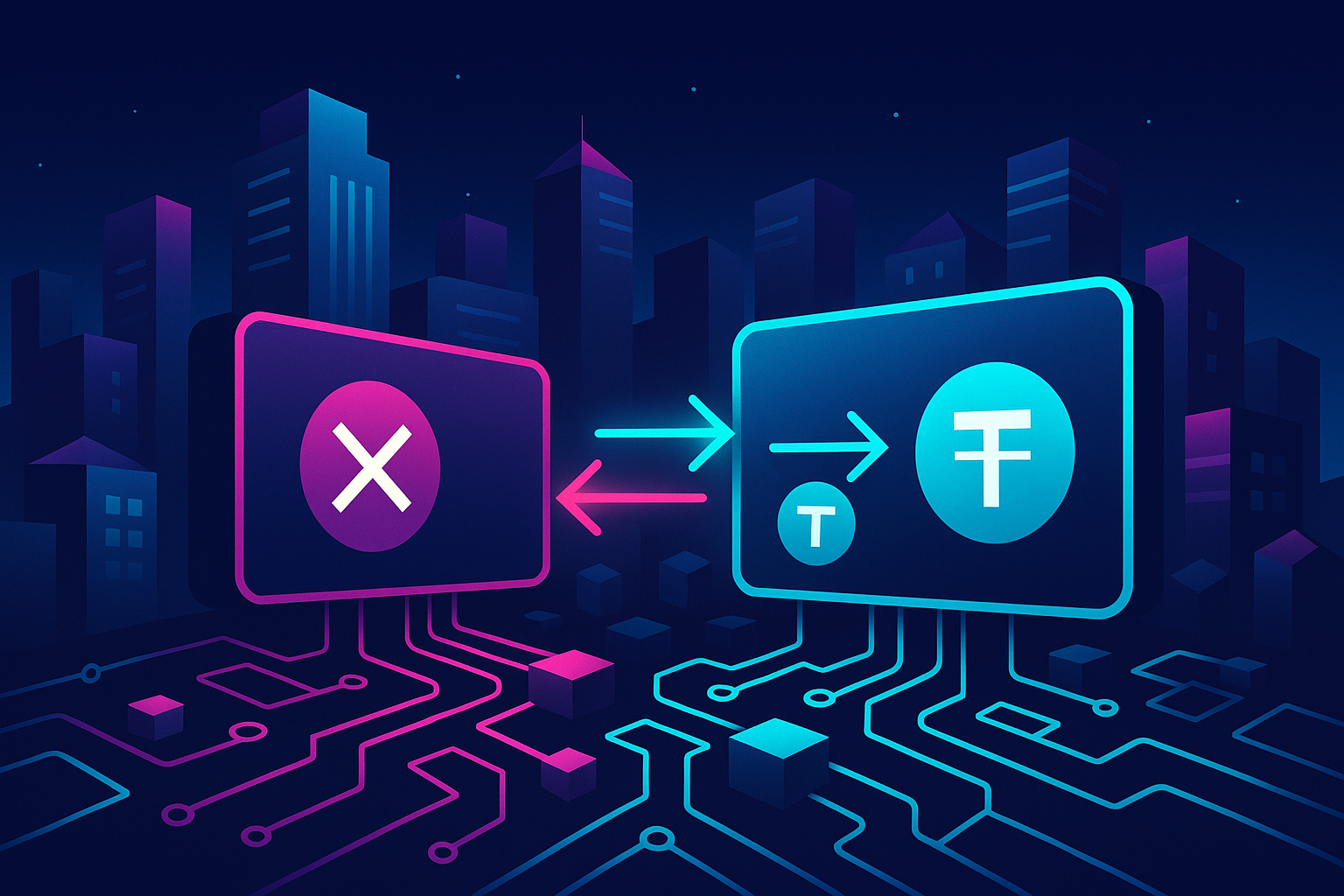
Swapping Monero (XMR) to Tether (USDT) has become a common move for traders who want to lock in profits, reduce volatility, or move from privacy coins to stable assets. Yet, if you care about anonymity, security, and low friction, choosing the right way to perform an xmr to usdt swap matters a lot more than just checking the current price.
Monero is a privacy-focused cryptocurrency, while USDT is a widely used stablecoin pegged to the US dollar. Converting between them involves balancing privacy, liquidity, regulation, and ease of use. Some users prefer centralized exchanges with full KYC, while others prioritize non-custodial tools that do not require identity verification.
This guide breaks down everything you need to know about swapping XMR to USDT in a secure, efficient, and privacy-aware way. You will learn the key benefits and risks, how to perform a swap step by step, and practical tips to avoid unnecessary fees or mistakes.
Why the XMR to USDT Swap Matters
1. Balancing Privacy with Stability
Monero gives strong on-chain privacy through stealth addresses, ring signatures, and confidential transactions. That makes XMR a favorite for users who do not want their balances or transaction history publicly traceable.
USDT, on the other hand, is a stablecoin pegged to USD and widely used across centralized and decentralized exchanges. When markets get turbulent, many traders exit volatile assets into USDT to protect capital.
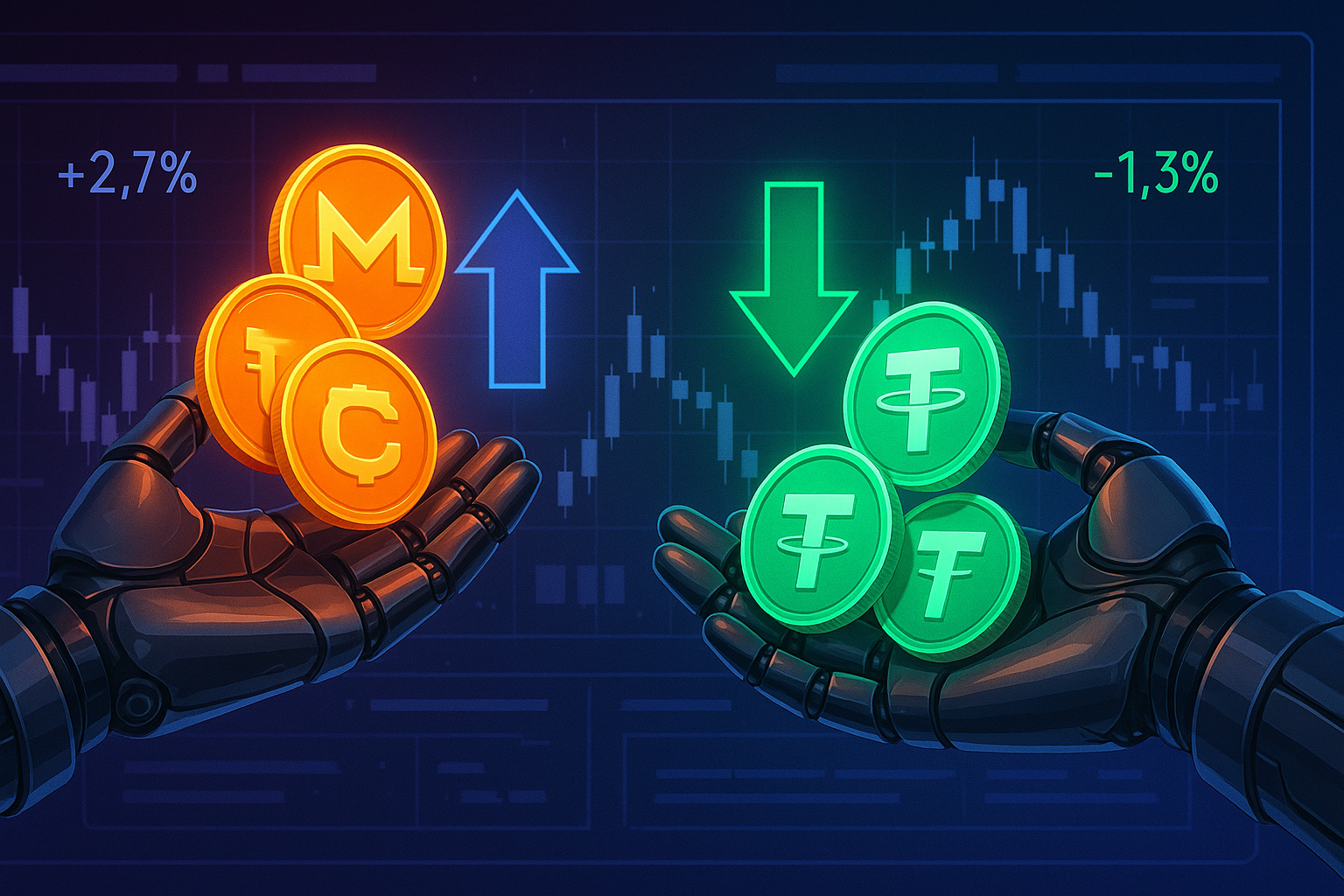
Swapping XMR to USDT is essentially a trade-off: you move from a highly private, volatile asset to a transparent but stable one. Understanding that trade-off helps you decide when and how to swap.
2. Access to Liquidity and Trading Pairs
Many platforms list more trading pairs against USDT than against XMR. By moving your Monero holdings into USDT, you can easily access:
- Major crypto pairs like BTC/USDT, ETH/USDT, SOL/USDT
- Altcoin markets that may not support XMR pairs
- DeFi platforms, lending markets, and spot/derivatives trading
This flexibility is a key reason active traders regularly convert XMR to USDT, especially during short-term market moves.
3. Regulatory and Banking Considerations
Many centralized exchanges and fiat on-ramps are stricter about handling Monero due to its strong privacy features. In contrast, USDT is widely accepted, making it easier to:
- Move between exchanges
- Provide collateral for margin or futures trading
- Off-ramp into fiat in some jurisdictions
For users who want to exit or move capital into more regulated environments, the XMR to USDT swap is often a necessary step.
Key Benefits of Swapping XMR to USDT
1. Price Stability
XMR is subject to typical crypto volatility. While that can be profitable, it also carries downside risk. USDT is designed to closely track 1 USD, which offers:
- Reduced short-term price risk
- A way to store value on-chain without exposure to major swings
- A base currency for planning and accounting
For traders who have made gains in XMR, swapping to USDT helps lock in profits instead of leaving them exposed to market corrections.
2. Easier Portfolio Management
USDT acts as a “cash layer” inside the crypto ecosystem. By converting some XMR to USDT you can:
- Rebalance your portfolio between risky and stable assets
- Set aside funds for future buys during dips
- Separate your trading capital from your long-term XMR holdings
This is particularly useful if you treat Monero as a long-term privacy asset while using USDT for active trading or liquidity management.
3. Faster Execution with Instant Swaps
Modern swap platforms allow you to swap crypto instantly without traditional order books. Instead of placing limit or market orders, you simply:
- Choose the pair (XMR to USDT)
- Enter the amount
- Provide a receiving address
- Send XMR and receive USDT automatically
This is particularly attractive if you want speed and simplicity instead of navigating complex exchange interfaces.
4. Privacy-Preserving Path to Stablecoins
If you already hold Monero for privacy reasons, you may want to convert part of your holdings to USDT without exposing personal information or full transaction history. Certain non-custodial swap platforms let you do this with:
- No account registration
- No KYC for reasonable limits
- On-chain settlement without custodial wallets
For privacy-focused users, this is often preferable to signing up for a fully KYC-ed centralized exchange.
Risks and Drawbacks of an XMR to USDT Swap
1. Loss of On-Chain Privacy
XMR transactions are private by design. USDT, however, usually lives on transparent blockchains like Ethereum, Tron, or others. When you swap XMR for USDT:
- Your new USDT holdings become traceable on-chain
- Subsequent transfers can be followed by analytics tools
- Privacy depends on how you manage addresses and counterparties going forward
If privacy is your top priority, you must accept that moving from XMR to USDT reduces your on-chain anonymity.
2. Counterparty and Platform Risk
Not all swap services are equal. Risks include:
- Custodial risk: If the platform holds your funds during the swap, it can be hacked or mismanaged.
- Exit scams: Untrusted services might not send your USDT after receiving XMR.
- Technical issues: Network congestion or system bugs can delay or complicate swaps.
Using reputable, non-custodial swap providers helps reduce but never fully eliminates these risks. Always research services before sending funds.
3. Stablecoin Issuer and Regulatory Risk
USDT is an asset issued and managed by a centralized company. That means:
- Blacklisting or freezing of specific addresses is technically possible
- Regulatory pressure could affect how USDT operates in certain regions
- You are indirectly exposed to the issuer’s reserve management and compliance practices
While USDT is widely used, it is important to recognize you are moving from a decentralized, privacy-focused coin into a centralized stablecoin.
4. Fees and Slippage
Swapping XMR to USDT can incur:
- Network fees on the XMR side
- Network fees for the chain your USDT is on (Ethereum, Tron, etc.)
- Platform fees or trading fees
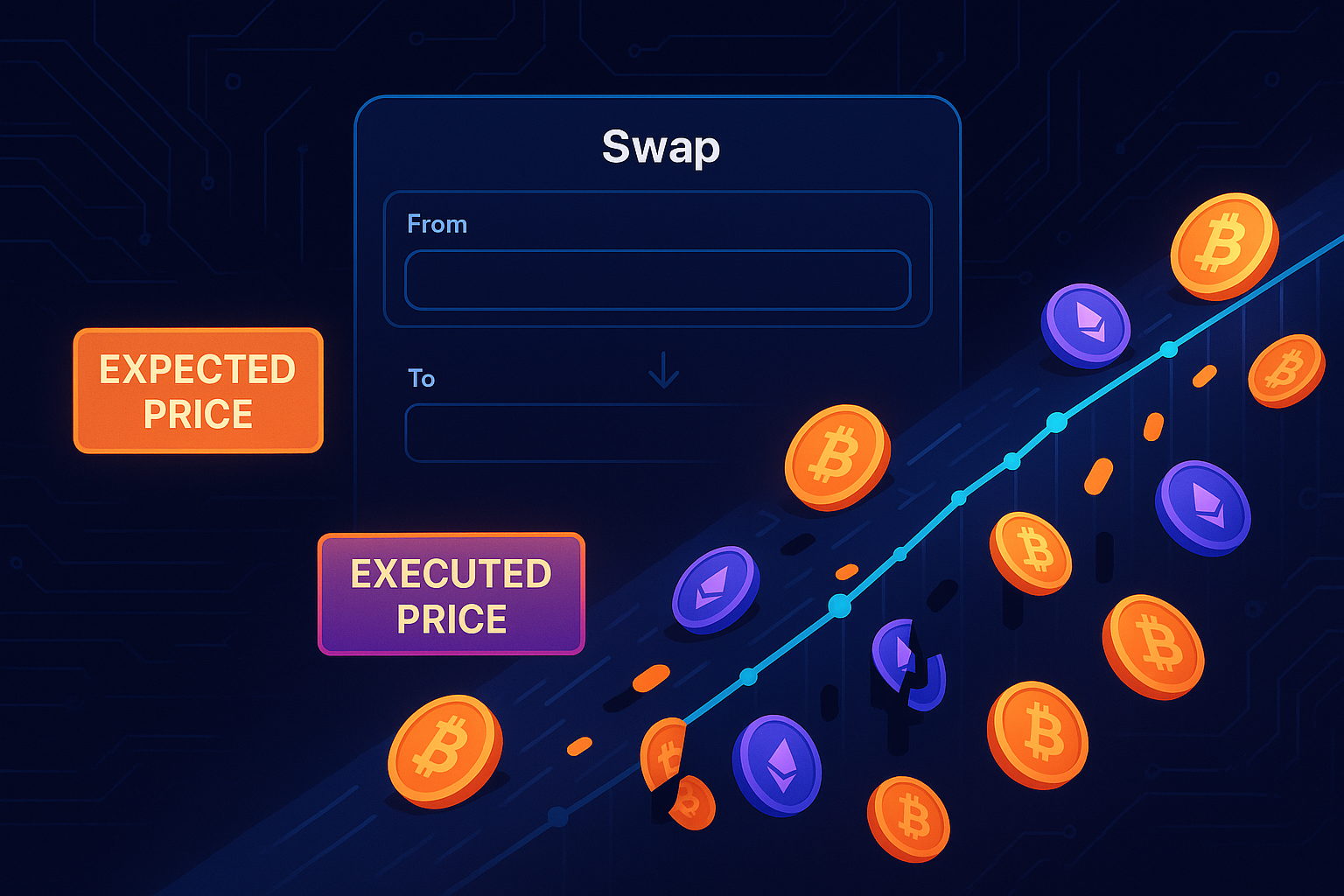
- Slippage if the rate changes before or during the swap
Carefully checking the effective rate and total expected output before confirming a swap helps you avoid unpleasant surprises.
Step-by-Step Guide: How to Perform an XMR to USDT Swap
Below is a general workflow you can adapt to different platforms. The basics remain similar whether you use a centralized exchange or a non-custodial instant swap service.
Step 1: Decide on Your Swap Method
You typically have three main options:
- Centralized exchange (CEX): Requires an account, often KYC, and custodial wallets. Offers deep liquidity.
- Non-custodial instant swap platform: No account in many cases, direct wallet-to-wallet transfers, simple interface.
- Peer-to-peer (P2P) trades: Directly with another person through classifieds or escrow platforms.
If privacy and simplicity are high priorities, a non-custodial private exchange style swap service is often the most convenient.
Step 2: Prepare Your Wallets
You will need:
- An XMR wallet with the amount you want to swap
- A USDT-compatible wallet address on your chosen chain (for example, ERC-20 on Ethereum or TRC-20 on Tron)
Always verify the network your USDT will be sent on. Sending to the wrong network can result in loss of funds.
Step 3: Check the Current XMR/USDT Rate
Before confirming any transaction:
- Look up the real-time XMR/USDT market price on a trusted price aggregator
- Compare that with the rate your chosen platform offers
- Note any service fees and estimated network fees
You are aiming for a fair rate with transparent costs and minimal slippage.
Step 4: Configure the Swap
On your chosen platform, you will usually:
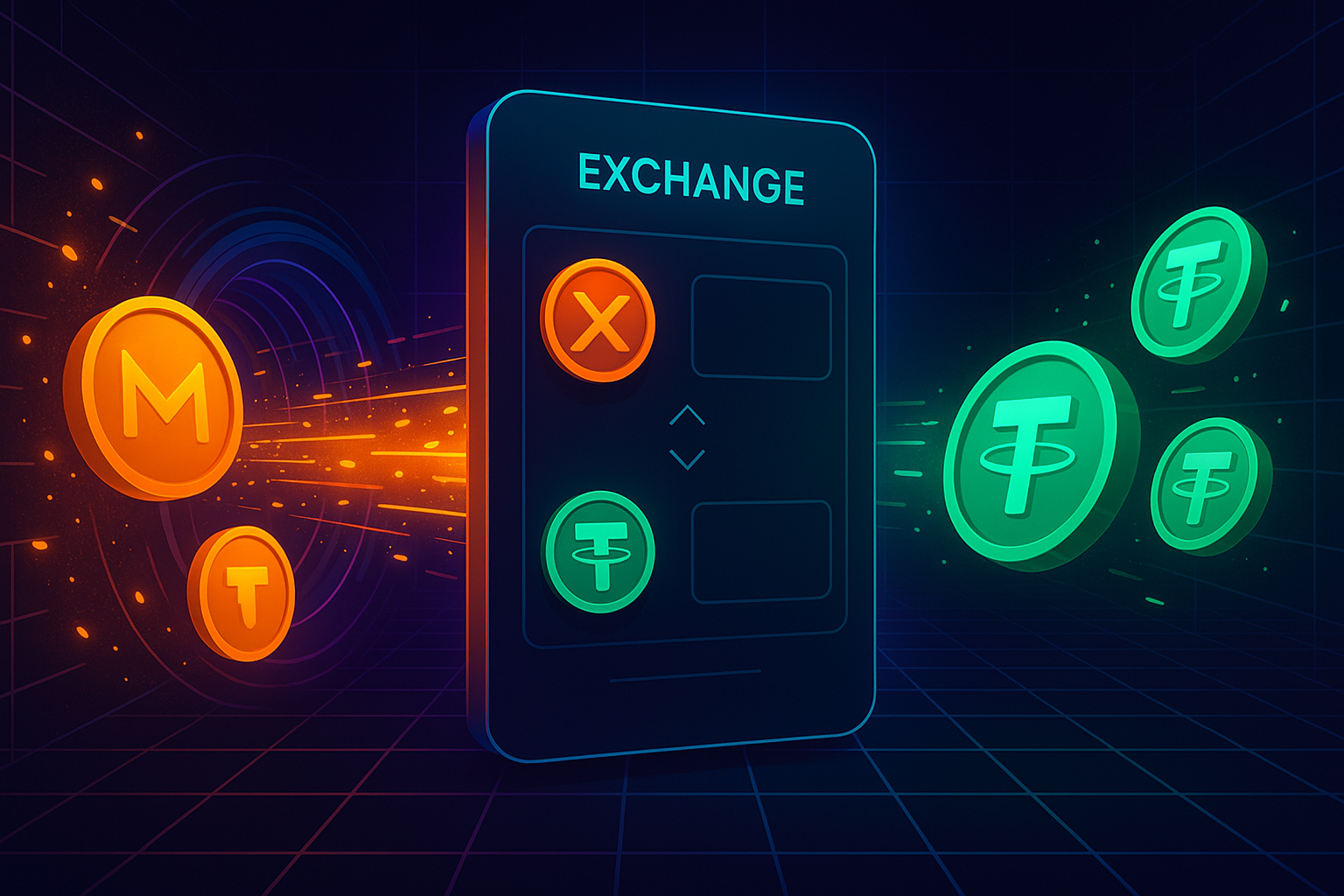
- Select the pair: XMR as the asset you send, USDT as the asset you receive
- Enter the amount of XMR you want to swap
- Paste or confirm your USDT receiving address
- Review the estimated USDT output and any time limit on the quoted rate
Take your time here. Double-check the receiving address and network. A small mistake can be costly.
Step 5: Send XMR to the Provided Address
The platform will display a unique deposit address for XMR. Then:
- Go to your XMR wallet
- Send the exact amount of XMR specified to the deposit address
- Optionally add a payment ID if the platform requires it (many modern platforms do not)
After the transaction is broadcast, the platform waits for a predefined number of confirmations on the Monero blockchain.
Step 6: Wait for Confirmation and Payout
Once your XMR transaction is confirmed:
- The platform executes the swap internally
- USDT is sent to the receiving address you provided
- You can track the outgoing transaction on the relevant blockchain explorer
Depending on network conditions, this can take from a few minutes to longer during peak congestion.
Step 7: Verify Receipt of USDT
Finally:
- Open your USDT wallet and confirm the incoming balance
- Verify the transaction hash on a block explorer
- Record the details of the swap for your own accounting or tax records if needed
Once the USDT is in your wallet, the XMR to USDT swap is complete.
Practical Tips for a Safe and Efficient XMR to USDT Swap
1. Test with a Small Amount First
When using a new platform or a new blockchain network:
- Send a small “test” amount of XMR first
- Verify that USDT arrives as expected
- Scale up only after you are confident everything works correctly
This protects you from losing a large sum to a typo, misunderstanding, or technical issue.
2. Always Verify URLs and Smart Contracts
Crypto-related phishing is common. To stay safe:
- Type URLs manually or use trusted bookmarks
- Avoid clicking random ads or unsolicited links
- If interacting with smart contracts, confirm contract addresses from official documentation
A few seconds of verification can prevent major losses.
3. Understand Network Choices for USDT
USDT exists on multiple blockchains. Each has different fees and ecosystem support:
- Ethereum (ERC-20): High compatibility, often higher fees
- Tron (TRC-20): Lower fees, widely supported by exchanges
- Other chains: Varying degrees of support and liquidity
Choose the network that balances cost, speed, and compatibility with the platforms you plan to use later.
4. Mind Privacy Leaks Beyond the Swap
Even if you use a privacy-conscious, non-custodial swap, privacy can still be compromised if you:
- Reuse addresses frequently
- Send USDT directly to a KYC exchange account under your real identity
- Combine multiple sources that make it easy to link your activity
If privacy is important, consider using fresh addresses and carefully planning how you move USDT afterward.
5. Track Fees and Effective Conversion Rate
To evaluate whether a swap is “good value,” look at:
- Amount of XMR sent
- USDT received after all fees
- Effective price per XMR versus market rate
If the gap is too large, you might want to wait, try a different platform, or adjust the timing of your transaction.
6. Prefer Non-Custodial, Transparent Services
Whenever possible, use services that:
- Do not hold your funds longer than necessary
- Require no account creation for straightforward swaps
- Display clear fee structures and estimated output
Non-custodial swap platforms that operate on a straightforward send-and-receive model reduce your exposure to exchange hacks or account freezes.
Conclusion
Swapping XMR to USDT is more than a simple trade between two assets. It is a strategic decision that affects your privacy, risk profile, and access to the broader crypto ecosystem. Monero provides strong on-chain anonymity, while USDT offers dollar-linked stability and wide exchange support. Managing the transition between them wisely is crucial for both traders and long-term holders.
If you value a balance of privacy, speed, and simplicity, using a reputable non-custodial service for your xmr to usdt swap via a non-custodial swap can be an efficient choice. Combine that with basic best practices like small test transactions, careful network selection, and diligent rate checking, and you will be well positioned to move between XMR and USDT safely and effectively.
By understanding the benefits, risks, and step-by-step process, you can turn the XMR to USDT swap from a confusing chore into a controlled, strategic tool in your crypto toolkit.