stETH to ETH Swap: Complete Guide to Converting Your Staked ETH Safely
Introduction: What Is a stETH to ETH Swap?
If you use Lido or hold liquid staking tokens, you have probably come across stETH. Lido staked Ether (stETH) represents ETH that has been staked on Ethereum, accrues staking rewards, and is tradable like any other token. At some point, you may want to convert it back to regular ETH. That process is what people refer to as a stETH to ETH swap.
In simple terms, a stETH to ETH swap means exchanging your stETH token for native ETH that you can use anywhere on the Ethereum network. You can do this on decentralized exchanges, aggregators, or specialized swap platforms. Many users now prefer privacy-friendly services that let them swap crypto instantly and non-custodially without going through centralized exchanges or long withdrawal queues.
As Ethereum staking continues to grow, understanding how to move between stETH and ETH efficiently is increasingly important. This guide explains why the swap matters, the main benefits and risks, and a clear step-by-step process so you can make informed decisions.
Why a stETH to ETH Swap Matters
1. Access to Liquidity and Spending Power
stETH is primarily a yield-bearing asset. It is excellent for long-term staking exposure and DeFi strategies, but some situations call for plain ETH:
- Paying gas fees on Ethereum
- Buying NFTs or interacting with smart contracts that only accept ETH
- Providing liquidity in pools that do not support stETH
- Paying someone directly in ETH
In all those cases, holding stETH is not enough. You need a reliable way to convert stETH to ETH at a fair rate and with minimal friction.
2. Risk Management and Portfolio Rebalancing
stETH is designed to track ETH value closely, but it can trade at a premium or discount, especially in periods of high market stress. That creates opportunities and risks:
- Discounts: stETH might trade below 1:1 with ETH, which affects your portfolio’s mark-to-market value.
- Premiums: In rarer cases, stETH might trade slightly above ETH, offering arbitrage possibilities.
If you want to reduce exposure to staking contracts, DeFi, or smart contract risk, converting part of your stETH stack back to ETH can help you rebalance toward “base layer” ETH.
3. Avoiding or Shortening Staking Withdrawal Queues
With native ETH staking, exiting the validator set involves a protocol-level withdrawal queue. Depending on network conditions, it can take time to fully redeem staked ETH back to regular ETH.
stETH, being a liquid representation, often lets you bypass long waits by selling or swapping your token directly on-chain. A smart and timely stETH to ETH swap can be faster than going through the official validator exit process, especially in congested periods.
Benefits of Swapping stETH to ETH via Non-custodial Platforms
1. You Keep Full Control of Your Funds
Non-custodial swap platforms do not hold your assets. You connect your wallet, sign a transaction, and receive the output asset directly in your address. This is fundamentally different from centralized exchanges where you deposit funds into their custody, then trust them to process withdrawals.
Using a private exchange that focuses on non-custodial swaps helps you:
- Avoid counterparty risk from centralized platforms
- Retain direct ownership of your keys and assets
- Reduce exposure to account freezes or KYC issues
2. Speed and Convenience
Swapping stETH to ETH directly from your wallet is often quicker than moving through exchanges:
- Connect wallet
- Select stETH and ETH
- Confirm the swap
- Receive ETH in the same wallet
You do not need to create exchange accounts, pass identity verification, or wait for bank transfers. It is especially convenient for DeFi native users who live fully on-chain.
3. Better Privacy Compared to Centralized Exchanges
Centralized exchanges usually require full KYC and may keep detailed logs of your trading activity. Non-custodial platforms that process swaps on-chain limit data collection to what the blockchain already exposes.
While on-chain activity is public, there is no centralized identity profile linking all your swaps under a single custodial account. For many users, this is a meaningful privacy improvement.
4. Flexibility Across Wallets and Devices
Most on-chain swap platforms integrate with:
- Browser wallets (MetaMask, Rabby, etc.)
- Hardware wallets (Ledger, Trezor via browser connections)
- Mobile wallets with WalletConnect support
That means your stETH to ETH swap can be executed from almost any device that supports Web3, giving you maximum flexibility.
Risks and Drawbacks of stETH to ETH Swaps
No strategy is risk-free. Before swapping, consider the following points.
1. Price Slippage and Market Volatility
stETH usually trades close to ETH but market conditions can change quickly. Risks include:
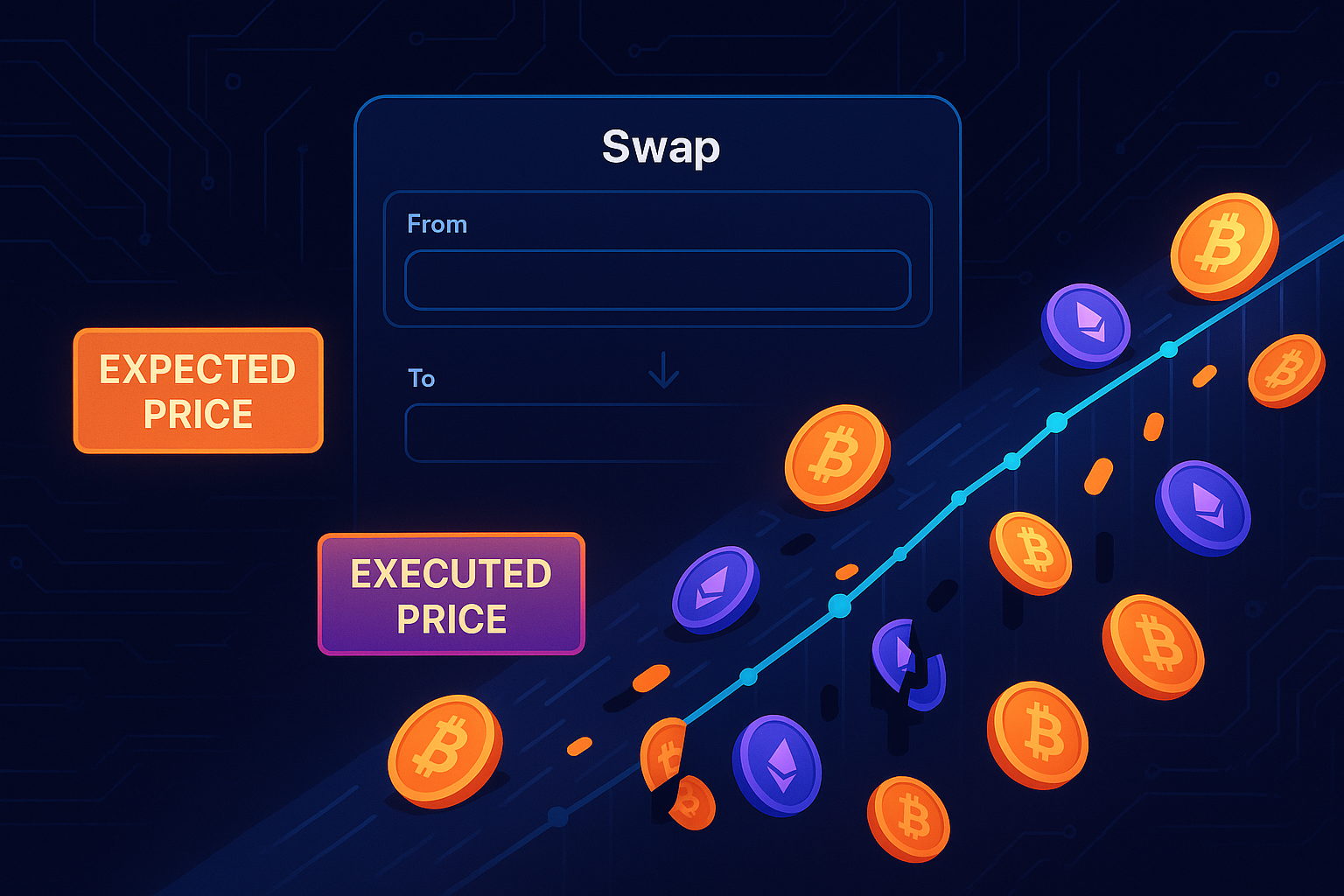
- Slippage: The actual rate you receive may differ from the quoted rate if liquidity is thin.
- Temporary de-pegging: In times of stress, stETH might trade at a discount relative to ETH.
Always check:
- The current stETH / ETH price on a reputable price feed
- The slippage tolerance settings in your chosen swap interface
2. Gas Fees on Ethereum
Swapping on Ethereum mainnet involves gas costs. At peak times, fees can become significant, especially for smaller trades. Practical implications:
- Small swaps might become uneconomical
- Your transaction might fail if the gas estimate is too low
If gas fees are high, you may want to wait for quieter periods or adjust your gas strategy.
3. Smart Contract and Platform Risk
While stETH itself has been widely used and audited, any on-chain interaction introduces some smart contract risk. This includes:
- The swap contract used by your chosen platform
- Any routers or aggregators involved in routing liquidity
Mitigate this by:
- Using well-reviewed, reputable swap platforms
- Testing with a small transaction first
- Keeping your wallet software and hardware secure
4. Impermanent Loss if You Move from LP Positions
If your stETH is currently deployed in liquidity pools (for example stETH/ETH pools on DEXs), exiting those positions to swap everything to ETH may crystalize impermanent loss. This is not specific to stETH, but it matters if you are reallocating a complex DeFi portfolio.
Step-by-Step Guide: How to Perform a stETH to ETH Swap
The exact interface may differ by platform, but the general process is similar. Below is a generic, wallet-based approach you can adapt.
Step 1: Prepare Your Wallet and Network
- Use a compatible wallet that holds your stETH (MetaMask, hardware wallet, etc.).
- Ensure the wallet is connected to Ethereum mainnet, since stETH is an ERC-20 token.
- Confirm you have enough ETH in the wallet to pay gas fees for the swap.
Step 2: Choose a Non-custodial Swap Platform
Look for a platform that supports a direct stETH to ETH swap and aligns with your privacy and UX preferences. Evaluate:
- Whether it requires an account or works purely via wallet connection
- Security reputation and track record
- User reviews and community sentiment
For example, you can use a dedicated stETH/ETH swap interface like this non-custodial stETH to ETH swap page to streamline the process.
Step 3: Connect Your Wallet
- Open the swap interface in a secure browser.
- Click “Connect Wallet” or similar.
- Select your wallet type and approve the connection in your wallet popup.
Double-check the URL before connecting, and avoid signing any strange permissions beyond the standard connection and token approvals.
Step 4: Select stETH as Input and ETH as Output
In the swap UI:
- Set the “From” token to stETH.
- Set the “To” token to ETH.
- Enter the amount of stETH you want to convert, or use “Max” if you want to swap everything.
The interface should show an estimated output in ETH, including fees and rates.
Step 5: Review the Rate, Slippage, and Fees
Before confirming:
- Check the exchange rate to see if it is close to 1:1 or if there is a visible premium or discount.
- Review the slippage tolerance setting. Tighter slippage reduces the chance of getting a worse price, but increases the risk of a failed transaction.
- Note the network gas fee estimate shown by your wallet.
If anything looks off, adjust the amount, slippage, or wait for better market conditions.
Step 6: Approve stETH (If Needed)
The first time you use stETH on a particular platform, you usually need to sign an “Approve” transaction. This gives the swap contract permission to spend your stETH.
- Click “Approve” in the UI.
- Confirm the approval in your wallet.
- Wait for the transaction to be mined.
You can limit the approval amount to just what you need for this swap, rather than giving unlimited approval.
Step 7: Confirm the Swap
Once approval is done:
- Click “Swap” or “Confirm Swap” on the platform.
- Check details again in your wallet popup: input token, output token, gas fee.
- Sign and send the transaction.
Your wallet will show a pending transaction until it is confirmed on-chain.
Step 8: Verify Receipt of ETH
After the transaction confirms:
- Open your wallet and look for your updated ETH balance.
- Optionally, view the transaction on Etherscan to confirm input and output amounts.
Once confirmed, your stETH has been converted to ETH and you can use it for gas, DeFi, or withdrawals to off-chain accounts.
Practical Tips for Efficient and Safe stETH to ETH Swaps
1. Monitor the stETH/ETH Peg
Keep an eye on the relative price:
- Check aggregators or price feeds that show the stETH/ETH pair.
- Consider setting alerts if the discount or premium reaches a threshold you care about.
If stETH is trading at a steep discount, you might choose to wait, or at least be aware you are locking in that discount when you swap.
2. Choose the Right Time for Gas Fees
Gas costs vary with network congestion. To optimize:
- Use gas tracking tools to see average fees throughout the day.
- Consider transacting during off-peak hours (often nights or weekends, depending on your region).
- Avoid times of major NFT mints or high-profile DeFi launches when gas spikes.
3. Start with a Test Transaction
If you are using a new platform or are not fully comfortable yet:
- Swap a small amount of stETH first.
- Confirm that the process works as expected and that your ETH arrives.
- Then proceed with larger amounts once you are confident.
4. Manage Token Approvals Carefully
Overly broad token approvals are a common security issue. Safer habits include:
- Approving only the amount of stETH you plan to swap.
- Regularly reviewing and revoking old approvals via tools that show your ERC-20 allowances.
This reduces your exposure if any contract is later compromised.
5. Maintain Good Wallet Security
The stETH to ETH conversion itself is only as safe as your wallet setup:
- Use a hardware wallet for larger sums where possible.
- Back up your seed phrase securely and offline.
- Beware of phishing links and double-check URLs before connecting.
- Keep your browser and wallet extensions updated.
6. Consider Your Tax and Accounting Obligations
Depending on your jurisdiction, swapping stETH for ETH may count as a taxable event, because stETH and ETH are different assets. This is not tax advice, but you should:
- Track dates, amounts, and transaction hashes.
- Use a crypto tax tool or speak to a professional if you have sizeable positions.
Conclusion: Making the Most of Your stETH and ETH
A reliable stETH to ETH swap strategy is essential if you participate in staking via Lido or similar protocols. It gives you the flexibility to move between yield-bearing staked positions and highly liquid ETH that you can use anywhere in the ecosystem.
By choosing a trustworthy non-custodial platform, paying attention to peg stability and gas fees, and following the step-by-step process outlined above, you can convert your assets efficiently while retaining strong control over privacy and security. When you are ready to act, using a focused stETH to ETH swap interface with instant, private exchange features can make the experience smoother and more predictable.
As Ethereum staking and liquid staking tokens evolve, staying informed about the best tools and practices for moving between stETH and ETH will help you manage risk, capture yield, and maintain on-chain flexibility.