SOL to USDT Swap: A Complete, Practical Guide for Crypto Users
Introduction
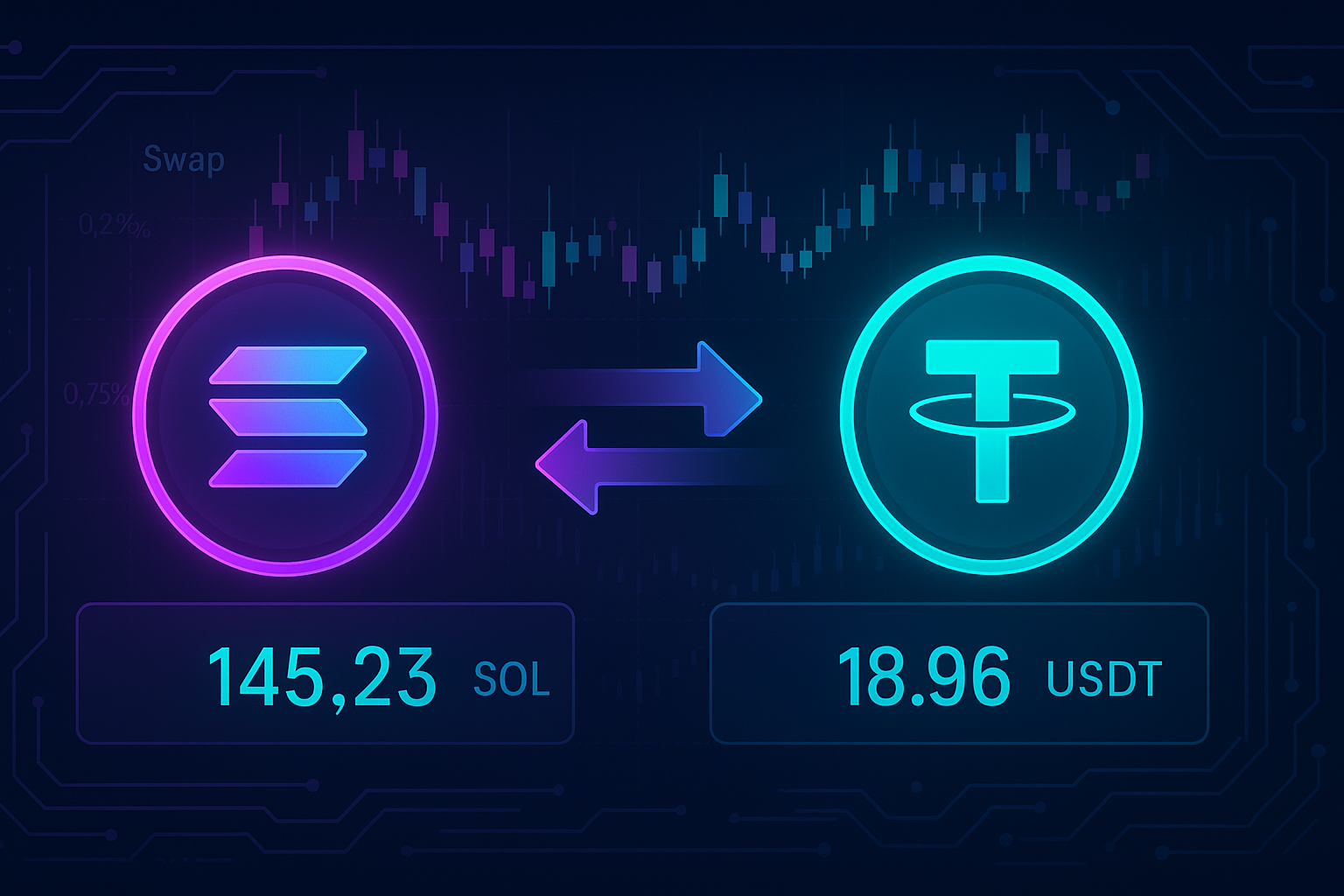
Swapping SOL to USDT is one of the most common actions for traders and long-term investors who use the Solana ecosystem. Whether you are taking profits, hedging against volatility, or preparing to move funds to another chain, knowing how to perform a secure, low-cost, and fast sol to usdt swap is essential.
On Solana, you can convert SOL to USDT through centralized exchanges (CEXs) or decentralized exchanges (DEXs). Many users now prefer non-custodial solutions that allow them to keep control of their private keys while they swap crypto instantly between SOL and USDT. Understanding the trade-offs between different methods helps you save fees and reduce risk.
This guide walks through why SOL to USDT swaps matter, what benefits and risks to consider, and gives you a step-by-step walkthrough, plus practical tips to make the process smoother and safer.
Why SOL to USDT Swaps Matter
1. Managing Volatility and Risk
SOL is a volatile asset. Its price can move quickly in both directions, which is attractive for traders but stressful for risk-averse holders. USDT is a stablecoin designed to maintain a 1:1 peg with the US dollar. Swapping SOL to USDT lets you:
- Lock in profits after a price rally
- Reduce exposure before uncertain market events
- Park funds in a relatively stable asset while you wait for better entry points
Using USDT as a base lets you manage risk without fully exiting the crypto ecosystem.
2. Accessing Liquidity and Other Markets
USDT acts as a primary quote asset on many trading pairs across CEXs and DEXs. By converting SOL to USDT, you can:
- Quickly move into other tokens that are paired with USDT
- Bridge stable value across chains that support USDT
- Use USDT in DeFi protocols for lending, farming, or liquidity provision
In short, USDT is a convenient “hub” asset that helps you pivot between different strategies and platforms.
3. Paying Expenses and Off‑Ramping
Whether you are paying freelancers, funding a business treasury, or off‑ramping to your bank account, USDT is more practical than SOL in many scenarios:
- Merchants and service providers often prefer stablecoins over volatile tokens
- Some off‑ramp services accept USDT directly
- Accounting and tax reporting is simpler with a stable unit of account
Having a reliable sol to usdt swap path is therefore a core piece of crypto money management.
Key Benefits of Swapping SOL to USDT on Solana
1. Low Fees and High Speed
One of Solana’s major strengths is its low transaction costs and fast confirmation times. When you perform a SOL to USDT swap on Solana:
- Network fees are typically a fraction of a cent per transaction
- Swaps are confirmed in seconds, not minutes
- You can execute frequent strategies like scalping or arbitrage more efficiently
Compared to swapping via Ethereum or bridging everything to a CEX, Solana-native swaps are usually faster and cheaper.
2. Non‑Custodial Control
With non‑custodial DEXs, you retain full control of your private keys. That means:
- No need to deposit into a centralized exchange wallet
- Lower counterparty risk from exchange hacks or withdrawal freezes
- More privacy, depending on the platform and routing
Solutions that focus on non-custodial swap functionality between SOL and USDT align with the core crypto principle of “not your keys, not your coins.”
3. Flexible Trading and Portfolio Management
Once you have an efficient sol to usdt swap process, you can:
- Rebalance your portfolio quickly in response to market moves
- Move in and out of stablecoins without long withdrawal waits
- Combine on-chain swaps with other DeFi strategies for yield or hedging
This flexibility is valuable whether you are an active trader or a conservative investor.
Risks and Drawbacks to Consider Before Swapping
1. Market and Slippage Risk
When you convert SOL to USDT, you are exposed to:
- Price volatility: SOL can move in price while your transaction is pending
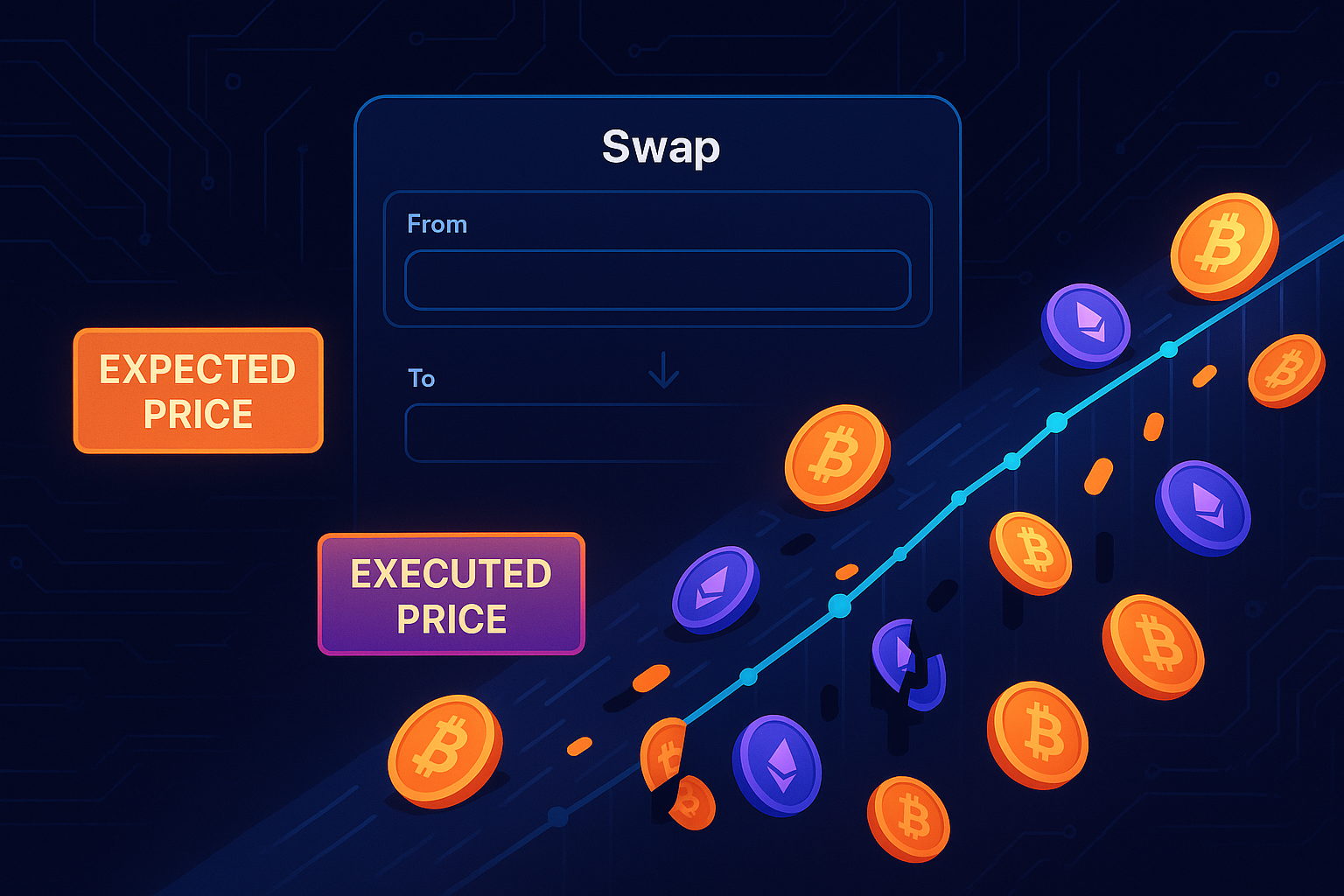
- Slippage: The final execution price may be worse than the quoted price if liquidity is thin or markets move quickly
To reduce these risks:
- Use limit-like controls where available (e.g., max slippage percentage)
- Avoid very large market swaps in illiquid pools
- Check the price impact before confirming the transaction
2. Smart Contract and Platform Risk
If you use a DEX aggregator or any on-chain router:
- You are trusting smart contracts that could contain bugs or vulnerabilities
- Front-end compromises (phishing or DNS hijacking) can misdirect your funds
Mitigation steps include:
- Use reputable, audited protocols
- Bookmark official URLs to avoid phishing sites
- Double-check transaction details in your wallet before approving
3. Custodial and Regulatory Risk on CEXs
If you opt for a centralized exchange for your SOL to USDT swap:
- Your funds may be subject to withdrawal limits, KYC, or account freezes
- There is inherent counterparty risk if the exchange becomes insolvent
- Your trading activity is typically linked to your identity
This is one reason many users prefer a more private exchange or aggregator that keeps the swap on-chain and non‑custodial.
Step‑by‑Step Guide: How to Perform a SOL to USDT Swap
Below is a general, practical workflow for swapping SOL to USDT using a non‑custodial DEX interface. Exact screens may vary depending on the platform you choose.
Step 1: Set Up and Fund Your Solana Wallet
1. Choose a wallet that supports Solana such as Phantom, Solflare, or Backpack.
2. Create a new wallet and securely back up your seed phrase offline.
3. Acquire SOL by:
- Buying SOL on a centralized exchange and withdrawing to your wallet address
- Receiving SOL from another user or wallet
4. Keep a small extra amount of SOL for transaction fees after the swap.
Step 2: Connect Your Wallet to a Swap Interface
1. Navigate to a reputable DEX or aggregator that supports the SOL / USDT pair.
2. Click “Connect Wallet” and choose your wallet provider.
3. Approve the connection in your wallet pop-up.
4. Verify that:
- The URL is correct and from a trusted source
- You see your correct wallet address and SOL balance
Step 3: Select the SOL to USDT Trading Pair
1. In the “From” field, choose SOL as the token you are swapping from.
2. In the “To” field, choose USDT on the Solana network.
3. Enter the amount of SOL you wish to swap or click “Max” if you want to swap everything.
4. The interface will display:
- Estimated USDT you will receive
- Estimated fees and price impact
- Slippage tolerance setting
Step 4: Review Slippage and Routing
Before approving:
- Adjust your slippage tolerance to a reasonable level (for stable, liquid pairs, many users prefer 0.1% to 1% depending on volatility).
- Check the price impact percentage. High price impact indicates low liquidity or an unusually large order.
- If the platform shows routing details, confirm that the path (pools used) seems normal for a common pair like SOL / USDT.
Step 5: Confirm the Swap in Your Wallet
1. Click the button to initiate the swap.
2. Your wallet will display a transaction approval screen. Review:
- The amount of SOL being spent
- The destination token (USDT)
- Estimated fees
3. If everything looks correct, approve the transaction.
4. Wait a few seconds for Solana to confirm your transaction. Most SOL to USDT swaps finalize quickly thanks to Solana’s high throughput.
Step 6: Verify Receipt of USDT
1. After the transaction confirms, check your wallet’s token list.
2. Ensure:
- Your SOL balance has decreased by the swapped amount plus fees
- Your USDT balance has increased by the expected amount minus any DEX fees
3. For additional certainty, view the transaction details in a Solana block explorer by clicking the link usually provided in your wallet.
If you prefer a preconfigured interface for this exact pair, you can start a sol to usdt swap using a private exchange page dedicated to SOL / USDT and follow comparable steps.
Practical Tips for Better SOL to USDT Swaps
1. Always Leave a Small SOL Buffer
Never swap 100% of your SOL balance to USDT. You still need SOL to:
- Pay for future on-chain transactions
- Move USDT to another wallet or platform
- Perform additional swaps or DeFi operations
A small buffer (for example 0.05 to 0.1 SOL, depending on your activity level) is usually sufficient for many transactions.
2. Check Network Status and Congestion
Although Solana is designed for high throughput, performance can vary during peak periods or upgrades. Before a large sol to usdt swap:
- Check Solana network status pages or community channels
- Avoid executing big trades during severe congestion or known maintenance windows
- Consider splitting very large swaps into smaller chunks
3. Monitor the USDT Variant You Are Using
On some chains, there can be different stablecoin variants, but on Solana you should still:
- Verify that you are using the correct and widely supported USDT token address
- Avoid scam tokens with similar names or tickers
- Rely on established interfaces that auto-select the legitimate USDT
4. Optimize for Fees and Execution Quality
While network fees on Solana are low, spread and slippage can still affect your result:
- Compare quoted prices across a couple of DEX interfaces or aggregators
- Be wary of extremely favorable quotes from unknown platforms
- Set slippage only as high as you actually need
5. Protect Your Privacy and Security
To make your SOL to USDT swaps both safe and discreet:
- Use private browser sessions or separate wallets for different strategies
- Never share your seed phrase or wallet private keys
- Double-check URLs and avoid clicking random “swap” links from social media or DMs
If privacy and self‑custody are priorities, prefer a non-custodial swap solution that does not require account creation or deposits into a hosted wallet.
When to Prefer SOL to USDT Swaps Over Other Options
Short‑Term Traders
For traders moving in and out of positions quickly:
- Swapping SOL to USDT on Solana lets you react to price movements in near real time
- You avoid delays associated with centralized exchange deposits and withdrawals
- It is easier to automate or script on‑chain strategies with suitable tooling
Long‑Term Holders and Yield Seekers
If you mainly hold for the long term:
- Use USDT to protect a portion of your capital during uncertain conditions
- Park USDT in conservative DeFi options if you are comfortable with smart contract risk
- Gradually rebalance back into SOL when your target price or allocation is reached
Cross‑Chain Users
For users bridging between ecosystems:
- Convert SOL to USDT on Solana first, then bridge USDT where supported
- This can be simpler and cheaper than liquidating via multiple token hops
- Using a stable intermediary reduces your exposure to price swings mid‑transfer
Conclusion
A reliable, efficient sol to usdt swap process is a core building block of modern crypto portfolio management. By understanding the benefits, potential risks, and concrete steps involved, you can move between SOL and USDT with confidence, maintain better control over volatility, and access broader opportunities in DeFi and trading.
Always remember to:
- Use reputable, audited platforms
- Keep a small SOL buffer for future transactions
- Double‑check token addresses, quotes, and slippage before confirming
Whether you are hedging, taking profits, or preparing funds for new strategies, a dedicated interface for swapping SOL to USDT on a non‑custodial, private exchange page can streamline the experience while keeping your keys under your control.