How to Do a SOL to BTC Swap Safely, Quickly, and at a Good Rate
Introduction
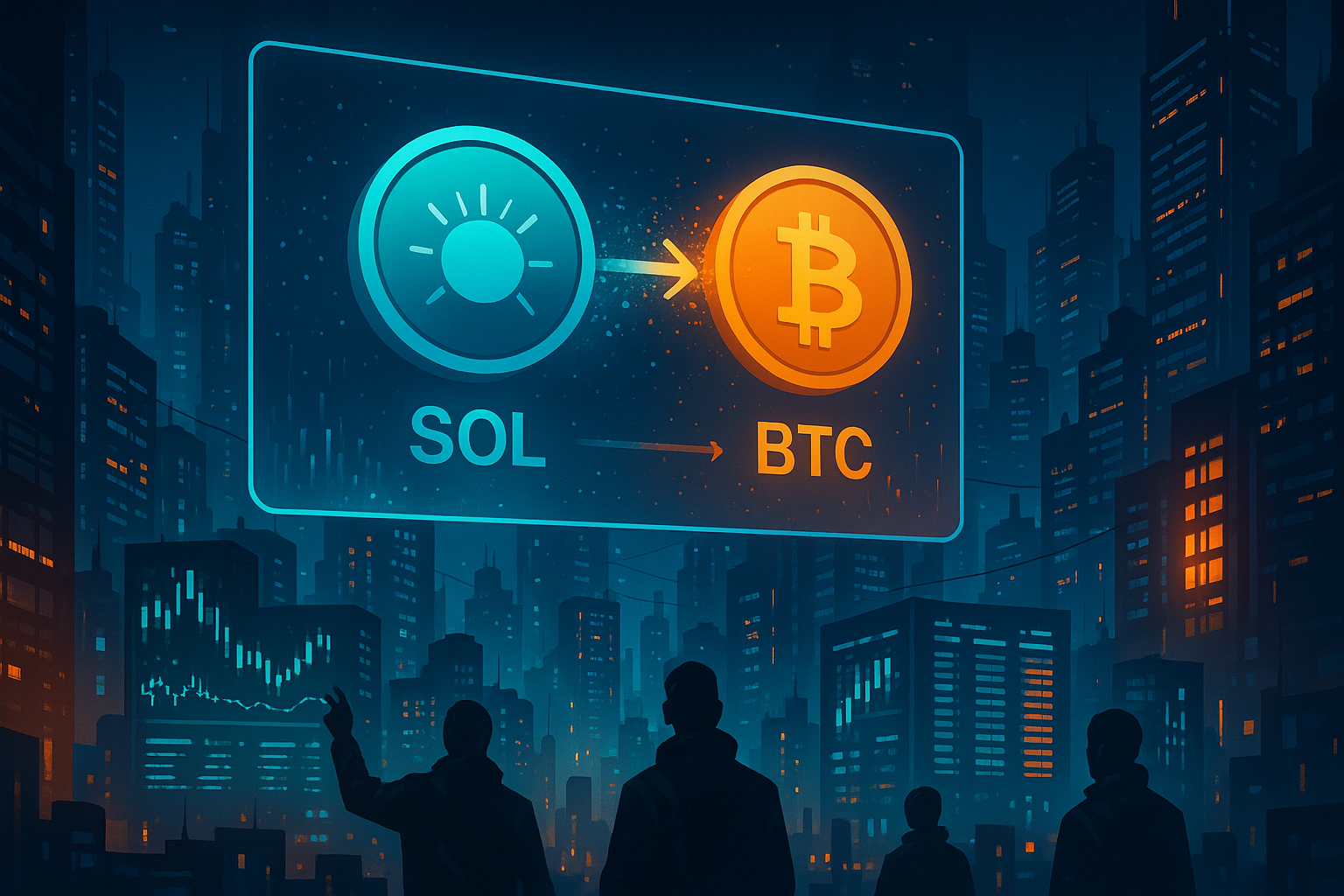
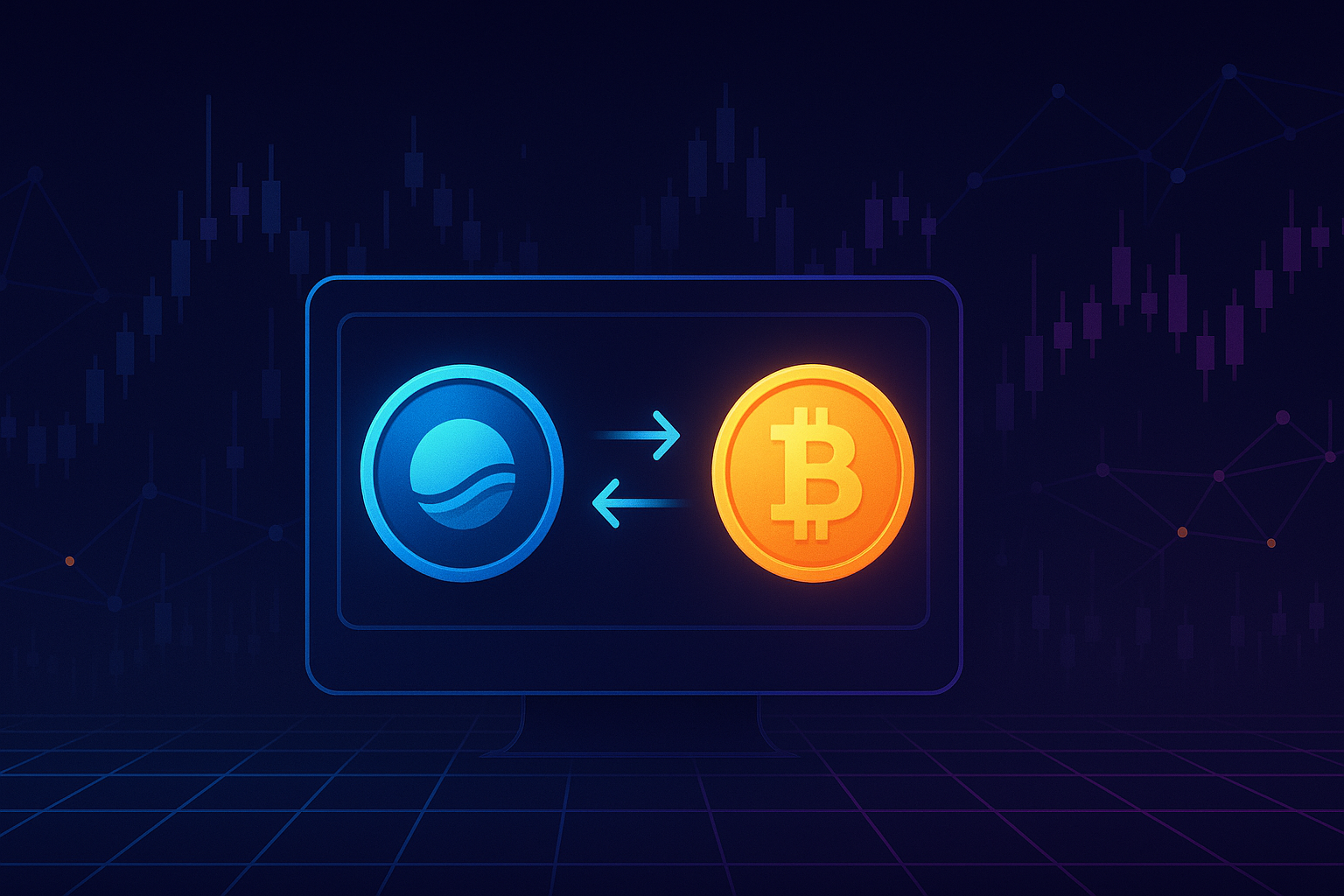
Solana and Bitcoin sit at two very different ends of the crypto spectrum. Solana is known for speed and low fees, while Bitcoin is the original, most widely recognized store of value. Moving between them efficiently has become a core need for active traders, DeFi users, and long-term holders alike. That is where a reliable sol to btc swap process becomes essential.
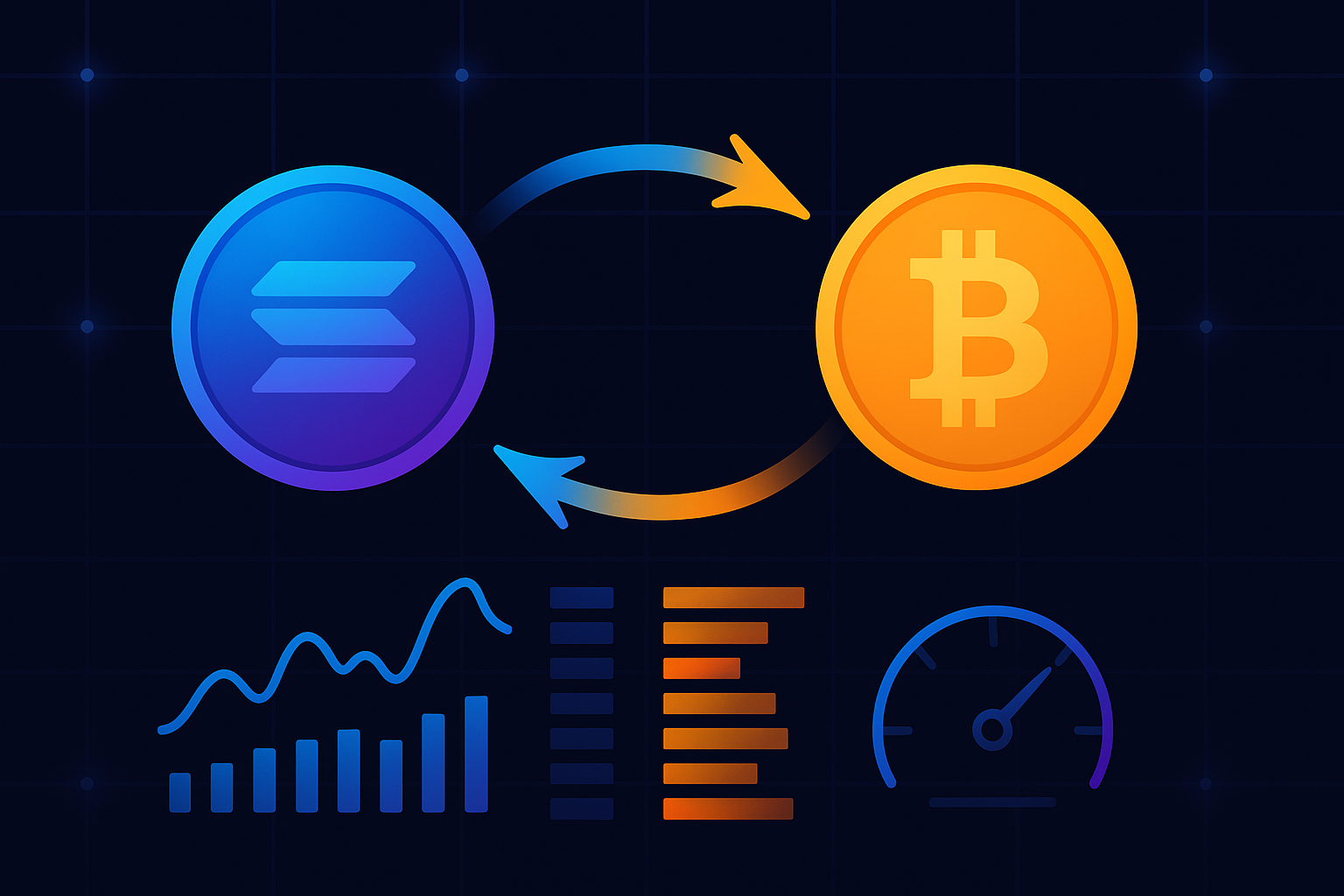
Whether you are rotating gains from SOL into BTC, rebalancing a portfolio, or just testing out new strategies, having a simple way to convert between these two assets can save time, reduce fees, and cut down on unnecessary risks. Today, you do not have to register on a big centralized exchange to swap; you can use a non-custodial, instant platform that never holds your funds. For example, services like sol to btc swap tools let you exchange directly from your wallet without creating an account.
This guide explains why SOL to BTC swaps matter, the benefits and risks, and gives you a clear, step-by-step walkthrough so you can swap with confidence.
Why SOL to BTC Swaps Matter
1. Portfolio diversification and risk management
Solana and Bitcoin play different roles in a crypto portfolio:
- Bitcoin (BTC) is often treated as a digital store of value, a hedge against inflation, and a core long-term holding.
- Solana (SOL) is a high-performance smart contract platform, widely used in DeFi, NFTs, and high-throughput applications.
Traders and investors move between SOL and BTC to:
- Lock in profits from a SOL rally by moving into BTC
- Rotate from BTC into SOL when seeking higher potential upside
- Maintain a target allocation, for example 50 percent BTC, 30 percent SOL, 20 percent stablecoins
A frictionless sol to btc swap makes these strategies more practical and frequent, rather than something you avoid due to complexity.
2. Access to different ecosystems
Bitcoin and Solana live in separate ecosystems with different tooling and opportunities:
- Bitcoin ecosystem: long-term holding, collateral for some lending platforms, and increasing support in L2s and sidechains.
- Solana ecosystem: fast DeFi apps, high-frequency trading, NFTs, and complex on-chain strategies.
Being able to move between these quickly lets you:
- Exit Solana-based strategies into BTC during periods of high volatility
- Enter Solana DeFi from BTC without routing through multiple centralized exchanges
3. Reducing dependence on centralized exchanges
Historically, users relied heavily on centralized exchanges (CEXs) to perform cross-chain swaps like SOL to BTC. This creates several problems:
- Custodial risk, since you must deposit your funds
- KYC / privacy concerns
- Withdrawal limits or delays
- Potential regulatory freezes or platform downtime
Non-custodial swap services significantly reduce these issues by letting you exchange directly from your own wallet, often without creating an account at all.
Key Benefits of Doing a SOL to BTC Swap
1. Non-custodial control over your funds
With a quality non-custodial platform, you remain in charge of your private keys. The service never holds your assets in a central account:
- You send SOL from your wallet directly to a smart address or swap address.
- You receive BTC directly to your own Bitcoin wallet.
- There is no long-term deposit or balance held by the platform.
This greatly reduces counterparty risk compared to leaving funds on a CEX.
2. Better privacy for on-chain users
If you prefer to avoid KYC or large centralized databases of user data, a non-custodial private exchange lets you swap with minimum personal information. In many cases you only need:
- Your return address for SOL (typically your wallet address)
- Your recipient BTC address
Staying within a wallet-centric workflow means fewer platforms handling your identity and fewer centralized logs tied to your financial activity.
3. Speed and simplicity
Solana is built for speed and low fees. A well-designed SOL to BTC bridge or swap service can:
- Confirm your SOL transaction quickly, often within seconds
- Process the BTC payout after a standard number of Bitcoin confirmations
Compared with signing up for an exchange, passing verification, and withdrawing assets, this can be significantly faster and less frustrating.
4. Transparent costs
Instant swap platforms typically show:
- The estimated output in BTC for your SOL amount
- Network fees and service fee embedded in the rate
You can compare the offered rate with prices on major exchanges before confirming. Since Solana fees are low, most of the cost is in the BTC network fee and the service spread.
Risks and Drawbacks of SOL to BTC Swaps
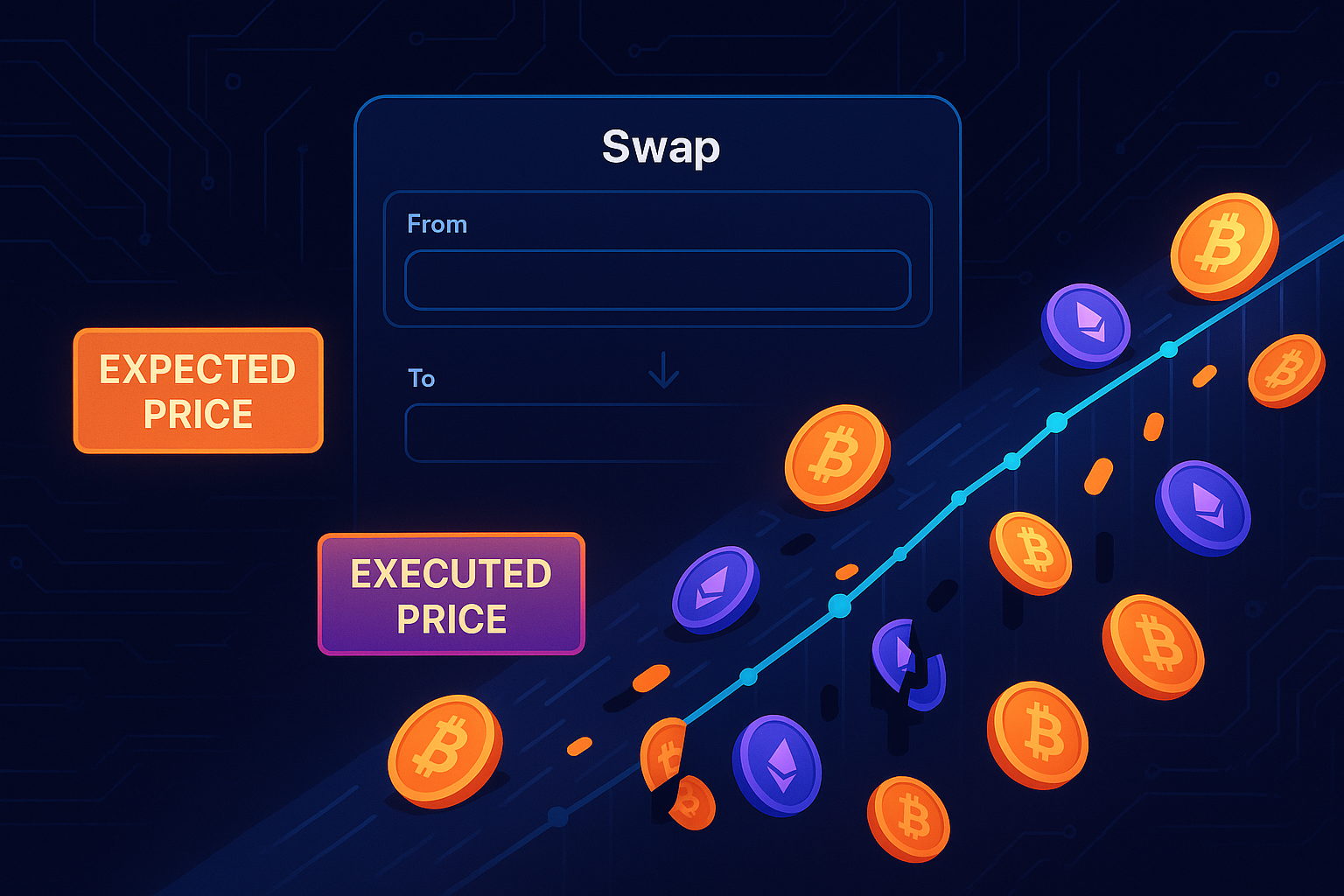
1. Rate volatility and slippage
Crypto markets move constantly. Between the time you start a swap and the time it completes, rates can change. You might see:
- Slippage where you receive slightly less BTC than the initial quote
- Expired quotes if you take too long to send the SOL
To manage this:
- Send your SOL promptly after getting a quote
- Avoid swapping very large amounts in one transaction during high volatility
2. Counterparty and technical risk
Even non-custodial platforms involve some trust:
- You trust the service to correctly forward your SOL and send back BTC
- You rely on its infrastructure and integrations with blockchains
To reduce risk:
- Use a reputable provider with a clear track record
- Test the service with a small amount first
- Verify addresses carefully before sending
3. Wrong addresses and user mistakes
The most common real-world risk is human error, not the platform:
- Sending SOL to the wrong address or chain
- Typing a BTC address incorrectly
- Using an incompatible or outdated wallet
Crypto transactions are irreversible. If you send coins to an incorrect or non-recoverable address, funds are usually lost permanently.
4. Regulatory and tax considerations
In many jurisdictions, swapping SOL for BTC is a taxable event:
- The sale of SOL may crystallize a gain or loss
- The acquisition of BTC is your new cost basis for future tax calculations
Always:
- Keep records of swap dates, amounts, and values in fiat
- Consult a tax professional if you are unsure how local rules apply
Step by Step: How to Perform a SOL to BTC Swap
The exact steps differ slightly by platform, but the overall process is similar. Below is a generic walkthrough that matches how many instant, non-custodial services work.
Step 1: Prepare your wallets
You will need:
- A Solana wallet holding the amount of SOL you want to swap
- A Bitcoin wallet with a valid BTC address where you want to receive the funds
Popular Solana wallets include Phantom, Solflare, and Backpack. For Bitcoin, you can use hardware wallets, mobile wallets, or desktop wallets, but make sure you control the private keys whenever possible.
Step 2: Choose a swap service
Select a platform that supports direct sol to btc swaps. Look for features such as:
- Non-custodial architecture
- No mandatory account or KYC for reasonable volumes
- Clear display of rates and fees
- Good documentation and support
Services like instant, non-custodial swap platforms are designed specifically to streamline SOL to BTC and similar pairs.
Step 3: Select the pair and enter amounts
On the swap interface:
- Set the input currency to SOL.
- Set the output currency to BTC.
- Enter the amount of SOL you want to swap, or the BTC amount you want to receive.
The platform will show you an estimated BTC amount and sometimes a rate indicator so you can judge whether the quote is competitive.
Step 4: Provide your BTC address
Paste your personal Bitcoin receiving address into the designated field. Double check:
- You copied the full address, with no missing or extra characters
- The address type is supported by your wallet (e.g., bech32 / SegWit, etc.)
- You are not pasting an old or unused address from a different chain (for example, a testnet address)
Some platforms may also ask for a refund or return address for SOL in case the swap cannot be completed.
Step 5: Review the quote and fees
Before confirming:
- Check the estimated BTC output for your SOL amount
- Review any stated service fees or network fees
- Confirm the minimum and maximum swap amounts
If the rate looks acceptable and you understand the costs, proceed.
Step 6: Send SOL from your wallet
The platform will now display a specific deposit address, or prompt your wallet directly if you are using a browser extension:
- Copy the SOL deposit address provided by the platform.
- Open your Solana wallet and initiate a send transaction to that address.
- Double check the destination address and amount.
- Confirm and sign the transaction.
Solana typically confirms quickly. The platform will detect your deposit and move to the swap/settlement stage.
Step 7: Wait for BTC to arrive
After your SOL is received, the service executes the trade and sends BTC to your specified Bitcoin address. Timing depends partly on:
- Bitcoin network congestion at the time
- The number of confirmations your wallet or exchange requires before showing the funds as spendable
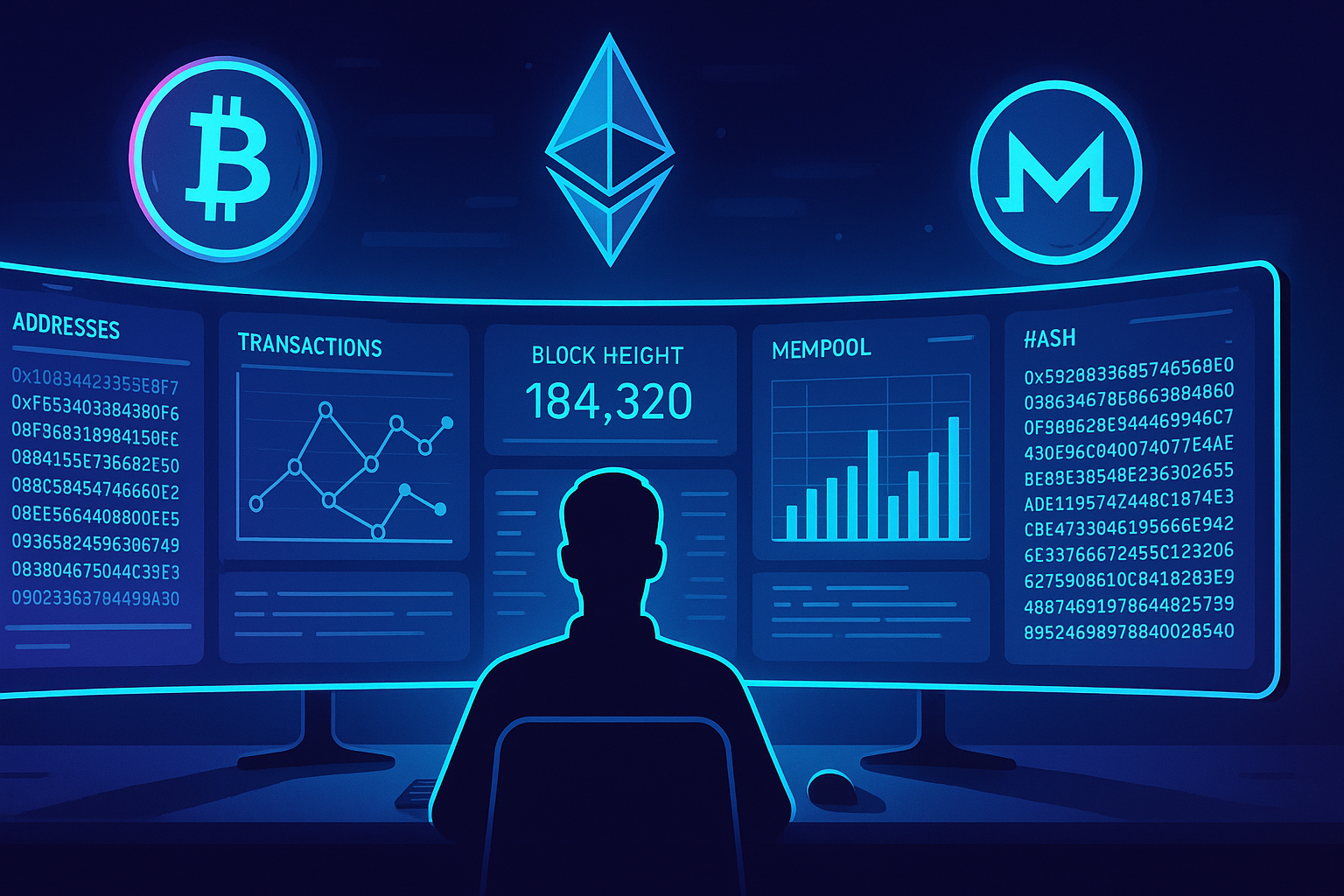
Once the transaction is broadcast, you can track its progress on a Bitcoin block explorer by entering your BTC address or transaction ID.
Practical Tips for a Safer and Cheaper SOL to BTC Swap
1. Always test with a small amount first
If you are using a platform for the first time or switching to a new wallet, start with a smaller swap. This lets you:
- Confirm that you entered addresses correctly
- Verify average processing time
- See how the platform handles quotes and confirmations
Once you are comfortable, you can scale to larger amounts.
2. Compare effective rates, not just the visible fee
Different services structure pricing differently. Some list a clear fee, while others absorb it into the quoted exchange rate. To compare effectively:
- Check the market rate for SOL/BTC on a major exchange
- Compare how much BTC you would receive after all fees with each service
The best option is the one that balances rate, trustworthiness, and convenience, not simply the one that claims “zero fee”.
3. Watch network conditions
Bitcoin fees fluctuate depending on network congestion. To optimize:
- Avoid peak periods if your swap is not urgent
- Understand that lower BTC fees can lead to slower confirmation times
- Check average fees on public dashboards if you are cost sensitive
Solana fees are typically low and relatively stable, but it is still a good habit to check for network incidents or congestion before moving large amounts.
4. Use secure, up-to-date wallets
Security begins on your device:
- Keep your wallet software updated to the latest version
- Use hardware wallets for large holdings whenever possible
- Back up seed phrases securely offline
- Beware of fake wallet apps and browser extensions
Never share your seed phrase or private key with any swap service or website.
5. Document your transactions
For tax and accounting purposes:
- Note the date and time of each SOL to BTC swap
- Record how much SOL you traded, how much BTC you received, and the approximate fiat values
- Export transaction histories from your wallets periodically
This makes future reporting significantly easier and helps you analyze your trading performance.
Conclusion
A well executed sol to btc swap lets you move smoothly between a high performance smart contract ecosystem and the most established digital store of value. By using a non-custodial, instant platform, you can maintain control of your keys, protect your privacy, and avoid the friction of traditional centralized exchanges.
The core principles are straightforward: choose a reputable non-custodial service, verify addresses carefully, test with small amounts first, and stay aware of fees and tax implications. When you follow these steps, swapping SOL for BTC becomes a normal part of managing your crypto portfolio rather than a stressful or risky task.
If you are ready to put this into practice, consider trying a non-custodial SOL to BTC swap service that fits your security and privacy preferences. With the right setup, you can rebalance, take profits, and reposition between Solana and Bitcoin quickly, safely, and on your own terms.