How to Make a Secure Render to BTC Swap: Complete Guide for 2025
Introduction
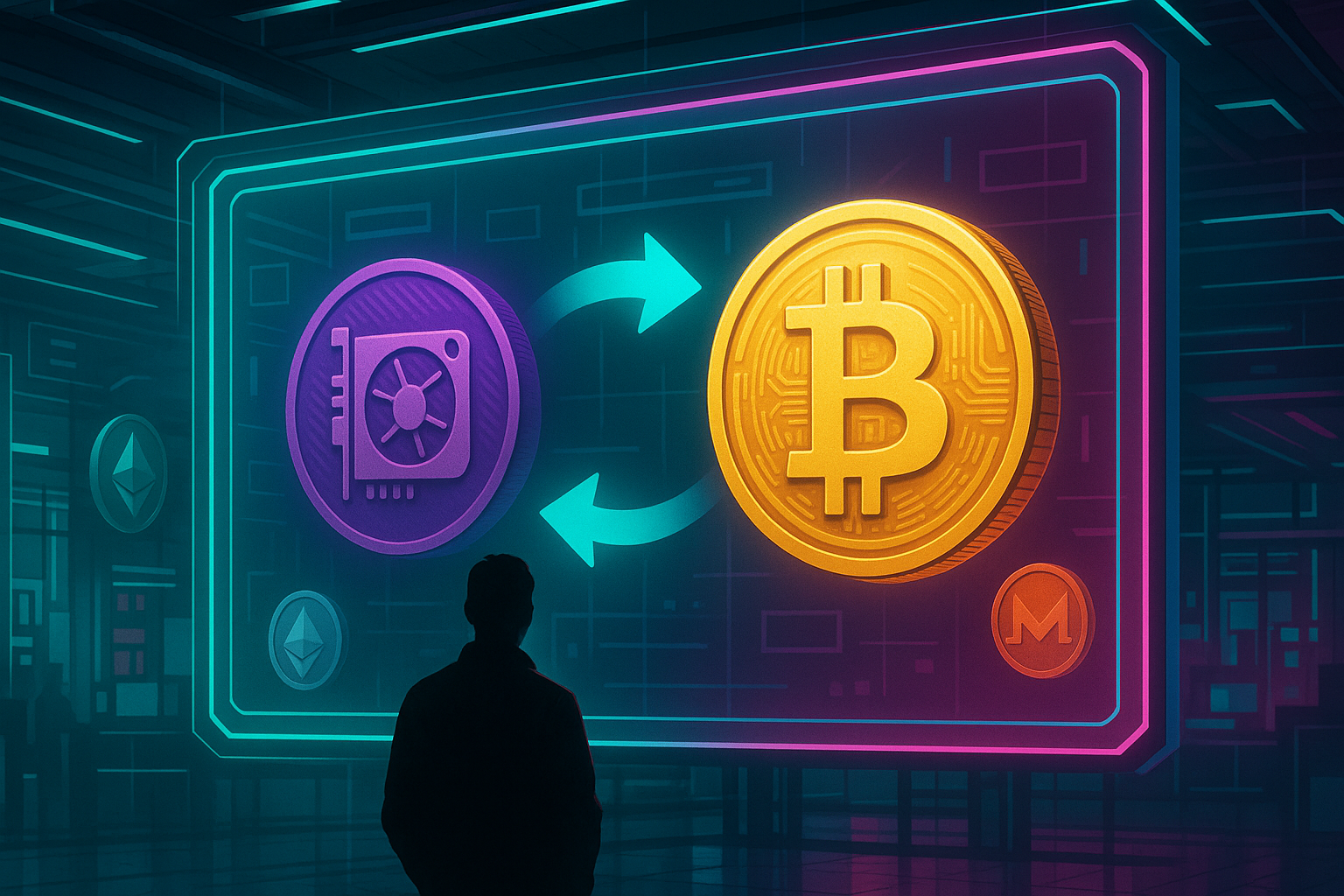
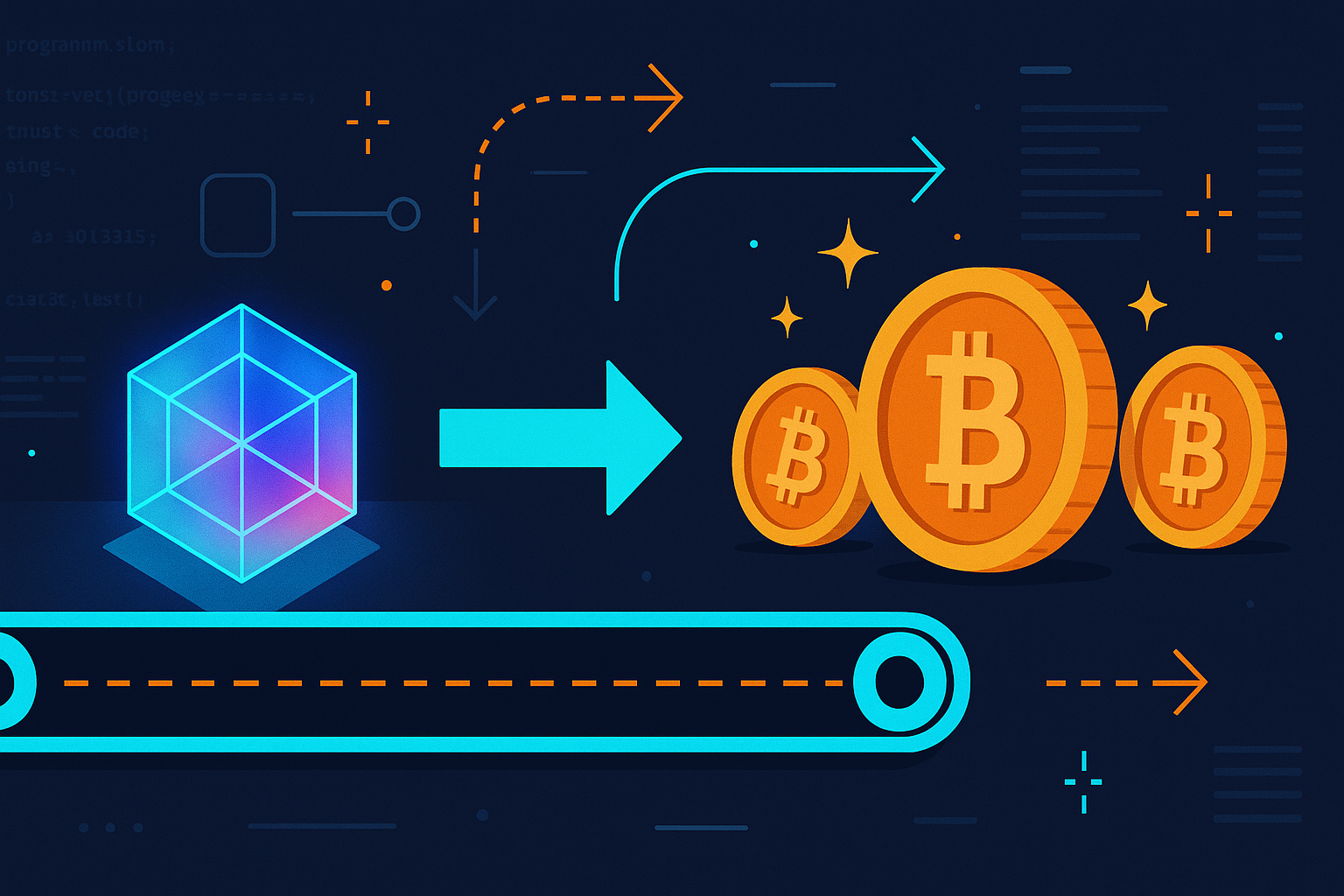
If you hold Render (RNDR) and want to move into Bitcoin (BTC), learning how to execute a safe and efficient render to BTC swap is essential. Whether you are taking profits, reallocating your portfolio, or simply consolidating into BTC, the way you swap matters as much as the price you get.
Today, crypto users have more options than ever: centralized exchanges, non-custodial aggregators, and privacy-focused swap platforms. The challenge is choosing a method that balances security, speed, cost, and privacy. A reliable render to BTC swap tool can help avoid unnecessary risk and friction.
This guide explains why swapping RNDR to BTC matters, the main benefits and risks, and how to complete the process step by step using a non-custodial workflow. By the end, you will know exactly what to check before sending any funds, how to optimize fees, and how to keep control of your keys throughout the swap.
Why Render to BTC Swap Matters
1. Rebalancing a volatile portfolio
Render is a powerful project focused on decentralized GPU rendering, and its token can be highly volatile. Many traders move profits from RNDR into BTC to:
- Lock in gains after a strong price move
- Reduce portfolio volatility by increasing BTC exposure
- Build a long-term Bitcoin position while still speculating on RNDR
Being able to execute an on-demand render to BTC swap lets you react quickly without overexposing yourself to short-term price swings.
2. Hedging into a more established asset
Bitcoin is widely perceived as the “reserve asset” of the crypto market. Even if you believe strongly in the Render Network, there are good reasons to hedge into BTC:
- Stronger liquidity and deeper order books on most exchanges
- Wider acceptance on institutional platforms and custodians
- Historically lower relative risk compared to many mid-cap tokens
In practice, that means you can often move large amounts into or out of BTC with less slippage than in smaller altcoins.
3. Access to different yield and custody options
Some services only support BTC for:
- Institutional-grade custody solutions
- Bitcoin-focused savings or yield products
- Payments, remittances, or on/off ramps to fiat
If your end goal is to use Bitcoin for payments, store it in cold storage, or allocate to BTC-based financial products, converting RNDR to BTC is a necessary step.
Key Benefits of a Smart Render to BTC Swap
1. Non-custodial control of your funds
Whenever possible, it is safer to keep control of your private keys and avoid leaving assets on centralized exchanges. A non-custodial swap workflow means you:
- Keep RNDR in your own wallet until the moment of swap
- Send RNDR directly to a swap contract or address only when needed
- Receive BTC directly to a wallet that you control
Platforms that let you swap crypto instantly without creating a custodial account can significantly reduce counterparty risk.
2. Speed and simplicity
If you use a dedicated render to BTC swap tool instead of a full trading interface:
- You do not need to manage complex order books or limit orders
- You avoid multiple intermediate swaps (RNDR → USDT → BTC)
- You can often complete the entire flow in a few blockchain confirmations
This matters when markets move fast. Quick execution helps you get a rate close to what you see at the time of initiating the swap.
3. Potential privacy improvements
While on-chain transparency is unavoidable for most public blockchains, you can still improve privacy by:
- Avoiding KYC-heavy centralized exchanges when possible
- Using a private exchange route that does not require long-term account storage
- Separating your personal identity from on-chain addresses where feasible
No tool can provide perfect anonymity, but minimizing data collection and account linkage is a practical step toward better privacy.
4. Cost efficiency
A direct render to BTC path can often save fees compared to multi-hop swaps. Costs to consider include:
- Network fees when sending RNDR
- Swap or service fees taken by the platform
- BTC network fees when receiving to your destination wallet
Optimizing all three can noticeably increase your net outcome, especially when you swap larger amounts.
Risks and Drawbacks to Consider
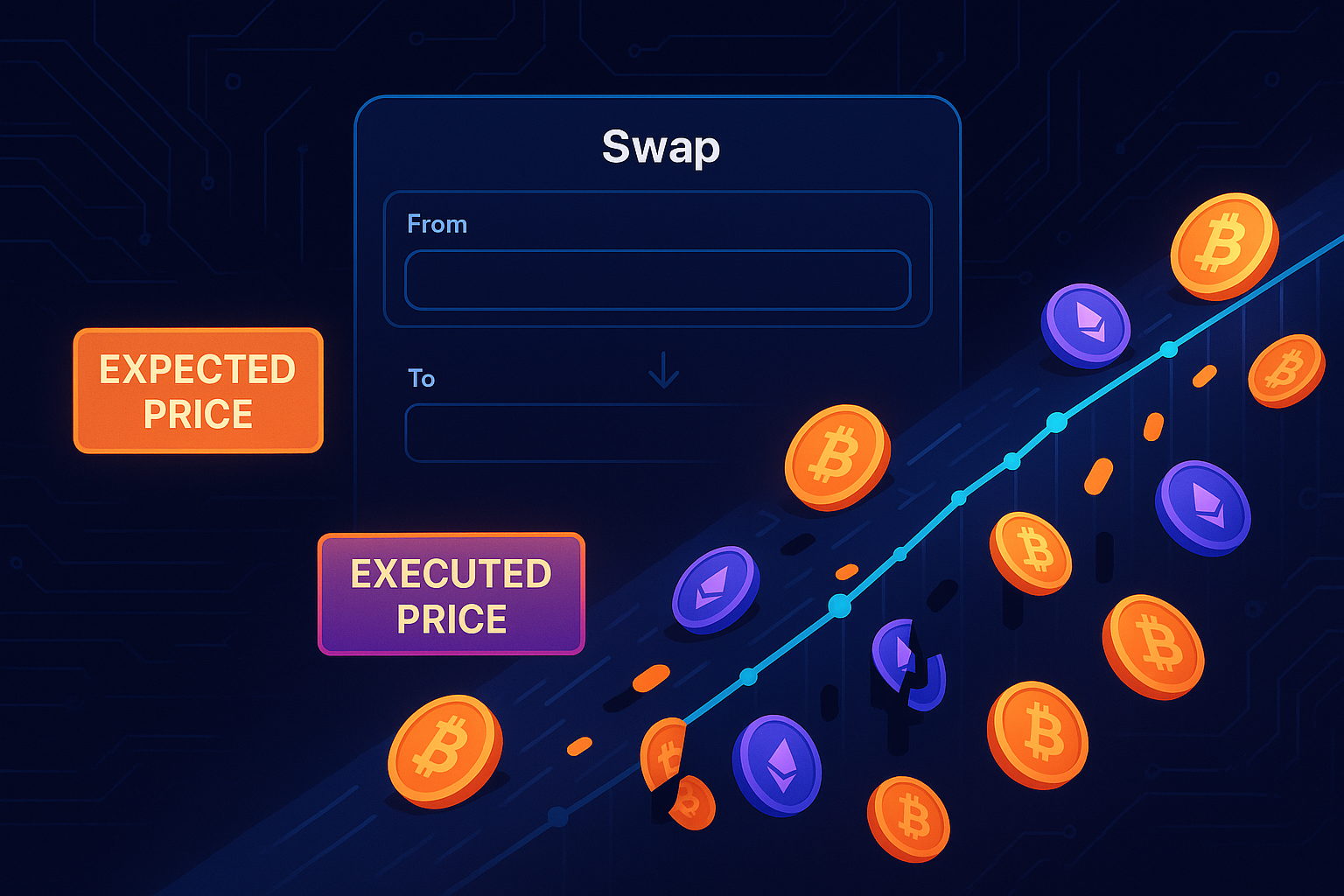
1. Market volatility and slippage
Both RNDR and BTC can move rapidly. When you start a swap:
- The quoted rate might be indicative, not guaranteed, if markets move
- Significant price movement between initiation and confirmation can reduce your received BTC
- Low liquidity in RNDR markets can cause slippage on larger trades
Mitigation strategies:
- Check whether the platform offers fixed-rate or floating-rate swaps
- Split very large swaps into smaller chunks
- Avoid swapping exactly during major news events or extreme volatility when possible
2. Platform and smart contract risk
Using any online service introduces some degree of risk:
- Service outages or maintenance may delay your swap
- Smart contract bugs (if used) could potentially trap or misroute funds
- Phishing sites pretending to be legitimate swap providers
Minimize this by:
- Bookmarking the correct URL for your chosen swap service
- Verifying contract addresses from official documentation or repositories
- Testing with a small transaction before sending large amounts
3. Network congestion and fee spikes
On busy days:
- Ethereum gas fees (if RNDR is on Ethereum) can spike sharply
- Bitcoin network fees can increase, especially in periods of high demand
- Slow confirmations may delay the final settlement of your swap
Consider checking real-time network fee dashboards and adjusting your timing or gas settings accordingly.
4. Regulatory and tax implications
In many jurisdictions, swapping one crypto for another is a taxable event. A render to BTC swap may:
- Trigger capital gains or losses on your RNDR position
- Require record-keeping of the swap date, amounts, and fair market value
Always consult local regulations or a qualified tax professional to understand your obligations.
Step-by-Step Guide: How to Perform a Render to BTC Swap
Step 1: Prepare your wallets
You need two wallets:
- RNDR wallet holding the tokens you plan to swap
- BTC wallet where you want the Bitcoin to be received
Practical tips:
- Confirm you have the correct RNDR network (for example, ERC-20 on Ethereum or the specific chain RNDR currently uses)
- Back up your seed phrases securely before moving funds
- Verify that your BTC wallet supports on-chain Bitcoin addresses (not only wrapped BTC on other networks)
Step 2: Choose a render to BTC swap platform
When evaluating platforms:
- Check if RNDR/BTC is supported directly
- Look for a non-custodial workflow where you control your keys
- Review fees, reviews, documentation, and support channels
You can use specialized services that focus on fast, non-custodial swaps so you do not need to register on a centralized exchange or go through lengthy KYC if that is not required in your jurisdiction.
Step 3: Enter your swap details
Once on the chosen swap interface:
- Select RNDR as the asset you are sending
- Select BTC as the asset you want to receive
- Input the amount of RNDR you plan to swap
- Paste your destination BTC address very carefully
Before continuing:
- Double-check the BTC address character by character
- Verify whether the quote is fixed or subject to market fluctuations
- Review the minimum and maximum swap amounts
Step 4: Review the rate, fees, and time estimate
Most platforms show:
- Estimated BTC you will receive
- Network fees and service fees included in the quote
- Expected number of confirmations and approximate processing time
If the platform you choose directly supports a render to BTC swap, compare its quote with other aggregators or exchanges to ensure the rate is competitive.
Step 5: Send RNDR to the provided address
After you confirm the swap details, the platform will show you:
- A deposit address for RNDR, or
- A QR code you can scan from your wallet app
Then:
- Open your RNDR wallet
- Send the exact amount of RNDR specified in the order
- Set an appropriate gas fee (if on Ethereum or similar networks) so the transaction confirms in a timely way
Always send from your own wallet, not from an exchange, unless the platform explicitly supports deposits from centralized exchanges.
Step 6: Wait for network confirmations
The platform will watch the blockchain for your RNDR transaction:
- You can follow your transaction using a block explorer by pasting the TX hash
- Once required confirmations are reached, the swap logic is triggered
- The service will execute the RNDR to BTC trade on the backend and send BTC to your address
The total time depends on:
- RNDR’s underlying chain congestion
- Bitcoin network activity
- The platform’s internal processing logic
Step 7: Confirm BTC arrival and secure your funds
When your BTC arrives:
- Verify the incoming transaction in your BTC wallet
- Cross-check the amount received with the platform’s final statement
- Consider moving BTC to long-term cold storage if you do not plan to trade it soon
Keep records of:
- Transaction hashes for both RNDR and BTC legs
- The date and time of the swap
- Quoted rate and fees for tax and accounting purposes
Practical Tips to Optimize Your Render to BTC Swap
1. Start with a small test transaction
Before swapping a large RNDR position:
- Send a small amount first to verify the workflow
- Confirm that your BTC wallet receives funds as expected
- Get comfortable with the platform’s interface and timing
A small “trial run” can help you avoid costly mistakes.
2. Monitor both RNDR and BTC fee environments
Fee optimization steps:
- Check gas prices if RNDR is on Ethereum or another smart contract chain
- Check current Bitcoin network fees and adjust timing if they are unusually high
- Avoid making low-priority transactions during peak demand unless speed is critical
Lower fees can make a substantial difference, especially for medium and large swaps.
3. Watch liquidity and market depth
If you are swapping a large amount:
- Verify that the RNDR/BTC market has enough liquidity to handle your size without excessive slippage
- Consider splitting your order into several smaller swaps across time
- Compare rates on more than one service or exchange
This can help you secure a more favorable blended price.
4. Use strong security practices
Protect yourself by:
- Storing seed phrases offline, never in screenshots or cloud notes
- Checking URLs carefully to avoid phishing clones
- Using hardware wallets for significant amounts of RNDR and BTC
Good operational hygiene prevents many of the most common loss scenarios.
5. Keep track of your tax basis
For each render to BTC swap:
- Record the cost basis of your RNDR (what you originally paid)
- Log the fair market value at the time of swap
- Store documentation that may be useful when filing taxes
Even if you do not need it immediately, solid records save time and stress later.
Conclusion
Executing a render to BTC swap safely is about more than just clicking “exchange.” It requires a clear understanding of the assets involved, awareness of volatility and fees, and careful handling of your wallets and transaction details.
By choosing a trustworthy non-custodial service, verifying every address, and starting with small test amounts, you can reduce the main risks while benefiting from fast conversion, better privacy, and full control of your keys. Whether you are locking in profits from Render, rebalancing into Bitcoin for the long term, or simply simplifying your portfolio, a well-planned non-custodial render to BTC swap is a practical and efficient path.
Always stay informed, compare options, and adapt your strategy as network conditions and market dynamics evolve. With the right preparation, turning RNDR into BTC can be a smooth and secure part of your overall crypto plan.