OP to ETH Swap: Complete Guide to Exchanging Optimism Tokens for Ethereum
Introduction
The Optimism ecosystem has grown rapidly, and many users are now looking for the fastest and safest way to perform an OP to ETH swap. Whether you are taking profits, reallocating your portfolio, or simply need ETH for gas or other DeFi activities, understanding how to move between OP and ETH efficiently is essential.
With the rise of Layer 2 networks and privacy-focused tools, you now have more choices than ever. You can use centralized exchanges, bridges, or a non-custodial op to eth swap solution that keeps you in control of your keys. Each method has different trade-offs in terms of speed, cost, privacy, and security.
This guide explains what an OP to ETH swap is, why it matters, the key benefits and risks, and gives you a clear, step-by-step walkthrough so you can choose the method that fits your goals.
What Is an OP to ETH Swap?
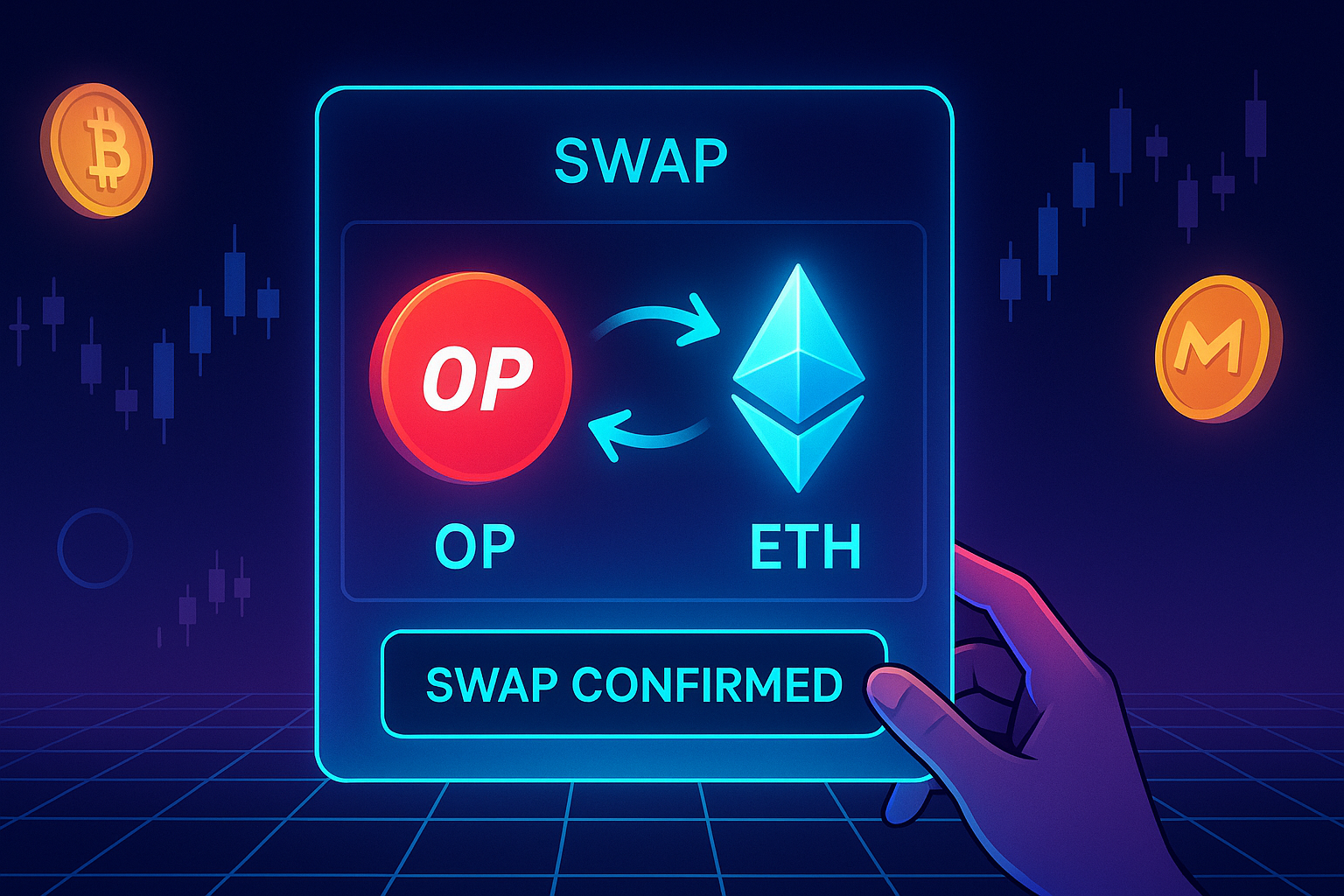
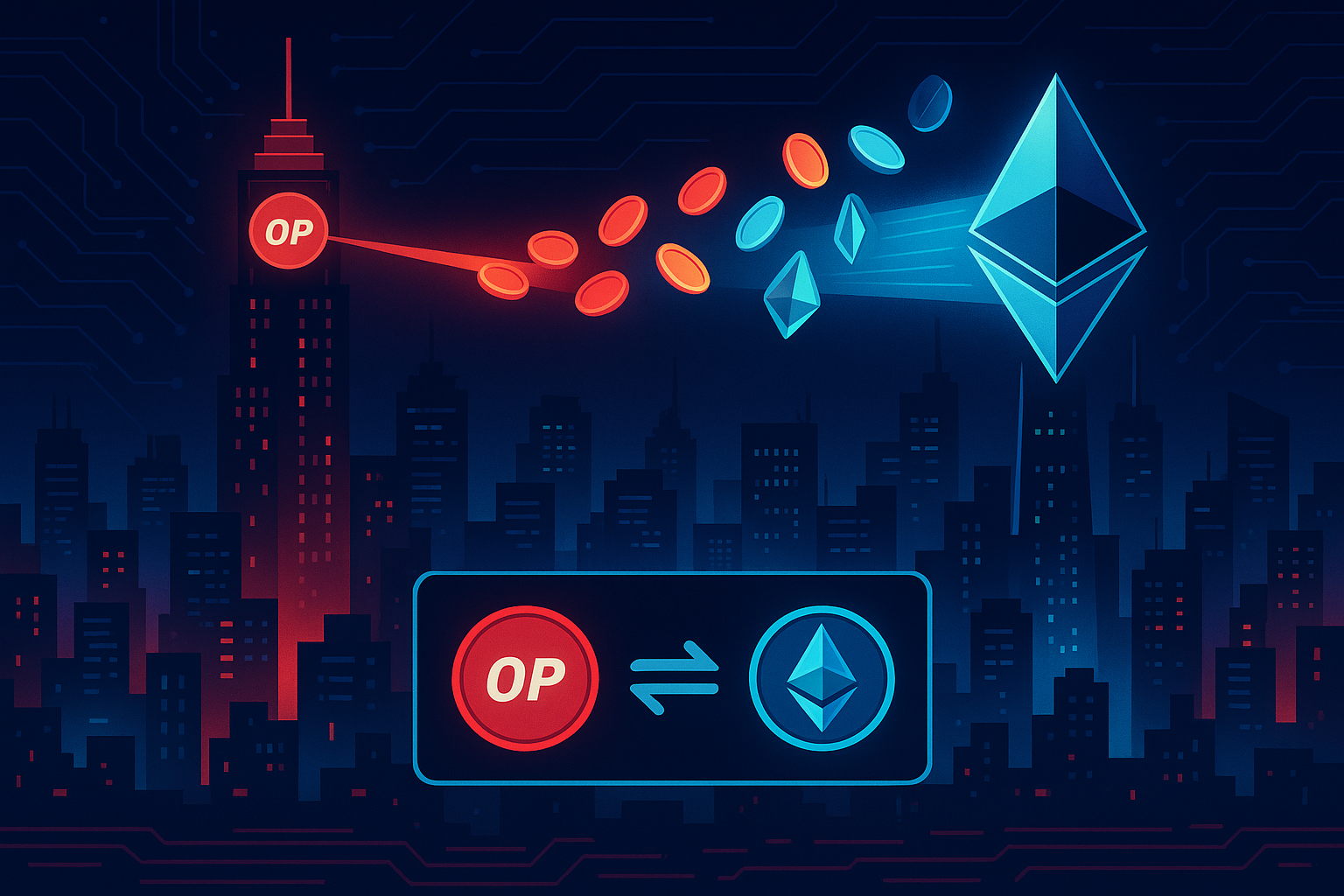
An OP to ETH swap is the process of exchanging Optimism’s native governance token OP for Ethereum’s native asset ETH. Depending on the platform you use, this can involve:
- Swapping OP for ETH on the Optimism network
- Bridging assets between Optimism and Ethereum mainnet
- Using a third-party aggregator or private exchange that sources liquidity across multiple venues
In practice, most users just want a simple, reliable way to start with OP and end with ETH in their wallet, without worrying about complex routing, order books, or chain specifics.
Why OP to ETH Swaps Matter
OP and ETH serve different purposes, even though they are closely related in the broader Ethereum ecosystem. Understanding why OP to ETH conversions are important helps you make smarter decisions with your assets.
1. Access to Broader DeFi Opportunities
Many DeFi protocols still prefer or require ETH as the primary collateral and trading asset. Swapping OP to ETH allows you to:
- Provide liquidity in ETH pools
- Borrow or lend using ETH as collateral
- Trade ETH pairs on major DEXs and CEXs
This expands your options beyond the Optimism-specific ecosystem.
2. Gas and Transaction Fees
On both Ethereum mainnet and Optimism, having ETH is crucial to pay for transactions. Even if you are bullish on OP long term, you may still need to convert a portion of your holdings into ETH for:
- Daily DeFi usage
- NFT minting or trading
- Participating in protocol governance where ETH is used for voting or staking
3. Portfolio Management and Risk Balancing
OP is a governance and incentive token that can be more volatile than ETH. Strategically performing an OP to ETH swap can help you:
- Lock in profits after a rally in OP
- Reduce exposure to a single ecosystem token
- Rebalance into a more established asset with deeper liquidity
Key Benefits of Swapping OP to ETH
Choosing the right method for your OP to ETH swap can significantly impact your costs, security, and overall user experience. Here are the main benefits you can gain by using a well-designed, non-custodial swap service instead of a traditional centralized exchange.
1. You Keep Control of Your Keys
With a non-custodial solution, you do not deposit funds into a platform-controlled wallet. Instead, you connect your wallet, sign a transaction, and the swap runs through smart contracts or external liquidity sources. This reduces your exposure to:
- Exchange hacks
- Withdrawal freezes
- Account closures or KYC issues
In other words, you maintain direct control of your funds throughout the entire process.
2. Instant or Near-Instant Settlement
Centralized exchanges often require:
- Deposit confirmations
- Manual trading on an order book
- Withdrawal delays and fees
With an instant swap crypto instantly flow, the whole process can typically be completed in a single, user-friendly step that does not involve order book management or waiting for manual approvals.
3. Better Privacy Options
Many users prefer not to attach their personal identity to every on-chain move. Some non-custodial platforms focus on privacy and do not require sign-ups or KYC for standard swaps. This can be beneficial if you want:
- Lower data exposure to centralized entities
- Less tracking of your trading history
- A more discreet way to rebalance between OP and ETH
4. Flexible Routing and Liquidity
Advanced swap platforms can aggregate liquidity from several sources, including DEXs and cross-chain liquidity networks. For you, that means:
- More competitive rates on OP to ETH swaps
- Lower slippage, especially on larger trades
- Automatic routing without needing to choose individual pools or paths
Risks and Drawbacks to Consider
Every crypto transaction involves some form of risk. A responsible approach to an OP to ETH swap means understanding those risks before you click “Confirm.”
1. Price Volatility
OP and ETH are both volatile assets. During your swap, the rate can change due to:
- Market movements
- Low liquidity in certain pools
- Unexpected news affecting either token
Consider using limit-like protection where possible, or swap in smaller tranches if you are concerned about sharp swings.
2. Slippage and Fees
Swapping involves two primary cost components:
- Network fees for on-chain transactions
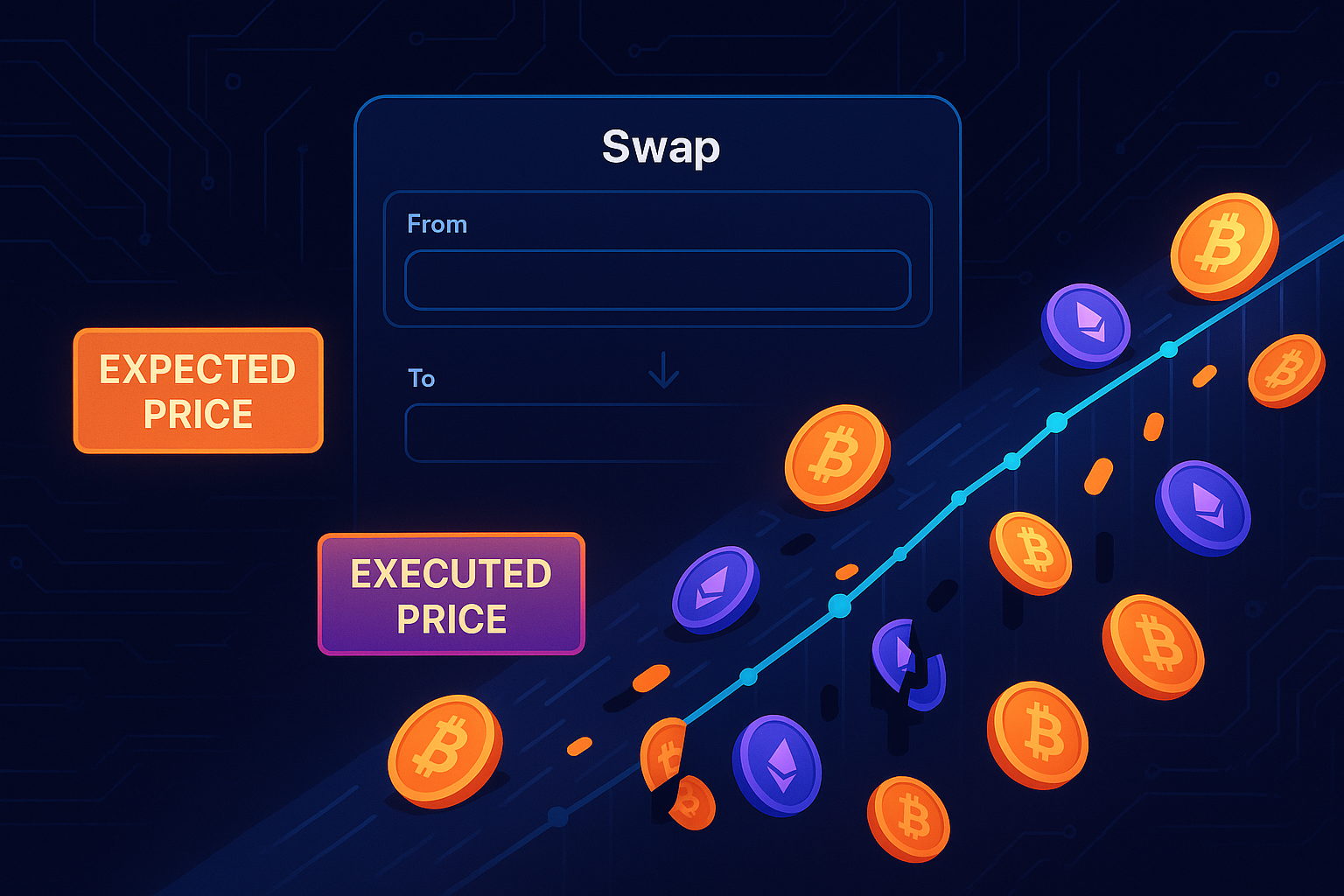
- Trading spread and slippage between the quoted and final execution price
On Optimism, gas fees are usually much lower than on Ethereum mainnet, but you still need to track the effective rate you are getting for your OP to ETH swap.
3. Smart Contract and Platform Risk
When you use a DEX or non-custodial interface, you rely on smart contracts and infrastructure. Potential issues include:
- Smart contract bugs or exploits
- Front-end downtime or misconfiguration
- Third-party infrastructure failures (RPCs, oracles, bridges)
Mitigate this by:
- Using reputable platforms with visible track records
- Testing with a small amount first
- Keeping your wallet and browser extensions up to date
4. Regulatory and Compliance Concerns
Depending on your jurisdiction, certain platforms might have restrictions or reporting requirements. While most basic swaps are straightforward, large or frequent transactions can attract more scrutiny. Always check local regulations and, if necessary, consult a professional for tax or legal advice.
Step-by-Step Guide: How to Perform an OP to ETH Swap
Below is a general, user-friendly walkthrough of how to swap OP for ETH using a non-custodial, privacy-focused interface. Specific screens will differ slightly from platform to platform, but the core logic remains the same.
Step 1: Prepare Your Wallet and Network
- Choose your wallet
Use a widely supported Web3 wallet such as MetaMask, Rabby, or another EVM-compatible wallet. - Select the correct network
Ensure your wallet is connected to the Optimism network if your OP tokens are on Optimism. If your OP is on another network, you may have to bridge first. - Hold a small amount of ETH
You need ETH on the same network to pay gas fees for the swap transaction.
Step 2: Connect to a Non-Custodial Swap Platform
- Open a trusted interface that supports OP and ETH.
- Click “Connect Wallet” and choose your wallet provider.
- Approve the connection inside your wallet.
Many users prefer a private exchange for OP to ETH that does not require creating an account or completing KYC for standard swaps, as this keeps the process simple and preserves privacy.
Step 3: Choose OP as the Token You Are Swapping From
- In the “From” field, select OP.
- In the “To” field, select ETH.
- Enter the amount of OP you want to swap, or choose a percentage of your balance.
The interface should automatically display a quoted amount of ETH you will receive, including estimated price impact and fees.
Step 4: Review the Rate, Fees, and Slippage
Before confirming, verify:
- The exchange rate from OP to ETH
- The estimated gas fee for the transaction
- Your slippage tolerance setting, if available
If volatility is high, consider slightly increasing your slippage tolerance so the transaction does not fail, but do not set it excessively high.
Step 5: Approve OP Spending (If Required)
For ERC‑20 tokens like OP, your first swap on a specific platform may require a one-time “approve” transaction:
- Click “Approve OP” or similar.
- Confirm the approval in your wallet.
- Wait for the transaction to be confirmed on-chain.
Once approved, you can perform multiple swaps without repeating this step, unless you revoke permissions later.
Step 6: Confirm the Swap
- Click the main “Swap” or “Exchange” button.
- Check the transaction details carefully in your wallet, including gas fee and token amounts.
- Confirm the transaction.
After submission, the platform will show a pending status. On Optimism, confirmation is usually rapid, especially compared to Ethereum mainnet.
Step 7: Verify Receipt of ETH
Once the transaction is confirmed:
- Open your wallet and check your ETH balance on the appropriate network.
- If needed, add the ETH token to your wallet interface so it is visible.
- Review your activity or transaction history for a record of the swap.
You have now completed your OP to ETH swap successfully.
Practical Tips for Better OP to ETH Swaps
1. Watch Network Conditions
Gas prices and congestion can fluctuate. To optimize your swap:
- Avoid peak times when gas is unusually high
- Use tools that show current Optimism and Ethereum gas prices
- Batch several smaller actions into fewer bigger ones when practical
2. Start with a Test Amount
If you are using a new interface or method for the first time, always start with a small test swap. This allows you to:
- Confirm that the route works as expected
- Verify that you receive ETH at the correct address
- Get a realistic sense of fees and slippage
3. Double-Check Token Contracts
When manually adding tokens or searching by name, there is a risk of selecting a fake or scam token. To avoid this:
- Use verified token lists from reputable sources
- Cross-check the OP contract address from trusted explorers or official docs
- Bookmark official resources so you do not rely on search engine ads or random links
4. Manage Allowances Safely
Approvals let a contract spend your tokens. Good hygiene includes:
- Limiting approvals to the expected amount instead of “unlimited,” when feasible
- Periodically reviewing and revoking old or unused approvals via a trusted token allowance manager
- Being extra careful with large balances and high-value wallets
5. Consider Tax and Record-Keeping
In many jurisdictions, swapping OP to ETH is considered a taxable event. To stay organized:
- Export transaction histories from your wallet or use portfolio trackers
- Label your swaps and bridging transactions for clarity
- Consult a tax professional if you are unsure how local rules apply
Conclusion
Swapping OP to ETH is a core activity for anyone active in the Optimism and Ethereum ecosystems. Whether you are managing risk, funding gas fees, or rebalancing into a more established asset, a smooth OP to ETH swap process saves time and reduces stress.
By choosing a reputable non-custodial swap platform, understanding the benefits and risks, and following a simple step-by-step approach, you can move between OP and ETH with confidence. Always double-check network settings, review fees and slippage, and start small when testing a new method.
As the Layer 2 ecosystem continues to develop, having a reliable way to convert OP into ETH will remain an essential tool in your crypto toolkit, enabling you to take advantage of opportunities across both Optimism and the broader Ethereum network.