Ocean to BTC Swap: A Complete Guide to Exchanging OCEAN for Bitcoin
Introduction
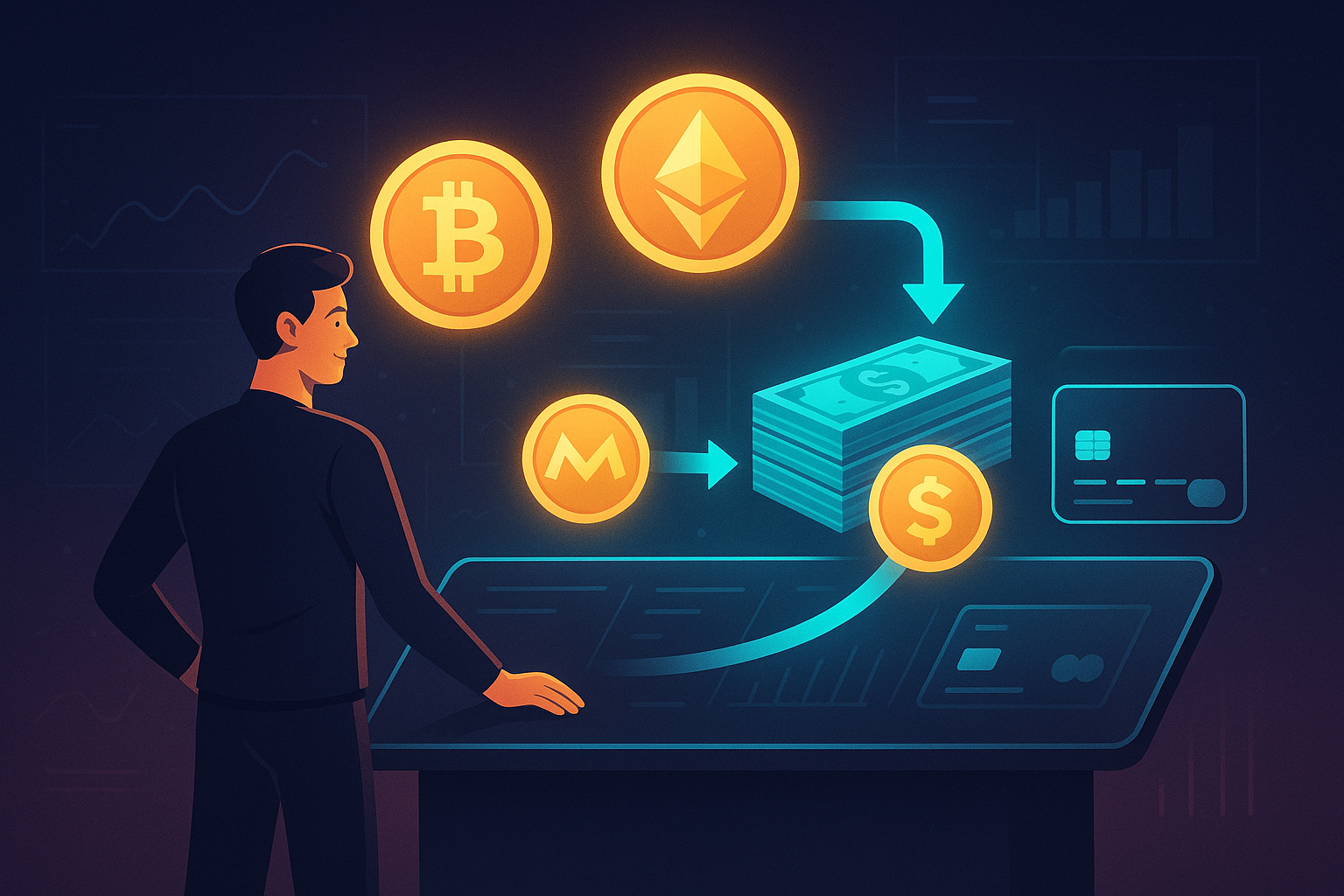
As the crypto ecosystem matures, more traders and long-term investors are looking for efficient ways to move between niche tokens and blue-chip assets like Bitcoin. One common move is converting Ocean Protocol’s OCEAN token into BTC. An ocean to btc swap can help you lock in profits, reduce volatility, or rebalance your portfolio toward a more established asset.
In the past, this required opening accounts on centralized exchanges, going through KYC, and placing multiple trades. Today, you can use a non-custodial ocean to btc swap service that lets you exchange directly from your own wallet, often without creating an account at all.
This guide explains why swapping OCEAN to BTC matters, the main benefits and risks, how to execute the swap step by step, and practical tips to avoid common mistakes.
Why an Ocean to BTC Swap Matters
1. Moving from a sector token to a base asset
OCEAN is a utility token focused on data markets and Web3 data infrastructure. Bitcoin, in contrast, is widely viewed as a monetary base asset in crypto. Swapping OCEAN to BTC can help you:
- Consolidate smaller positions into a core holding
- Reduce exposure to a specific project or niche sector
- Prepare for long-term holding in a more liquid and widely adopted asset
2. Managing volatility and risk
Altcoins like OCEAN often move more aggressively than Bitcoin. That can be attractive on the way up, but also painful in drawdowns. An ocean to btc swap can be part of a risk management strategy:
- Realize gains after strong rallies in OCEAN
- Shift to BTC as a relatively lower volatility asset within crypto
- Hedge against project-specific risks while staying in the crypto market
3. Accessing deeper liquidity and utility
Bitcoin has deep liquidity across centralized and decentralized venues. Holding BTC instead of OCEAN can open up:
- More trading pairs and arbitrage opportunities
- Access to Bitcoin-based financial products (such as futures and options)
- Greater acceptance for payments and off-ramps to fiat
Key Benefits of Swapping OCEAN to BTC
1. Simplicity with non-custodial swaps
Modern ocean to btc swap tools allow you to connect your wallet, choose your amounts, and complete the trade without ever depositing funds into an exchange account. With a non-custodial solution, you stay in control of your private keys during the process.
2. Speed and convenience
Compared with the older method of signing up to a centralized exchange, funding an account, trading, and withdrawing, a direct swap can be much faster:
- No lengthy registration or KYC in many jurisdictions
- Fewer steps and less chance of errors
- Near-instant quoting and execution once your transaction confirms on-chain
3. Improved privacy options
Some users value privacy when moving between tokens. Certain non-custodial services support private exchange flows that do not require an account or store your personal data. While transactions are still recorded on their respective blockchains, avoiding centralized onboarding can help reduce the amount of linked identity data.
4. Flexible trade sizing
Many instant swap platforms support both small and relatively large trades, depending on market liquidity. This lets you:
- Test the process with a small amount of OCEAN
- Scale up gradually as you become more comfortable
- Time multiple swaps around market conditions and gas costs
Risks and Drawbacks to Consider
1. Price slippage
Slippage occurs when the execution price differs from the quoted price, often due to low liquidity or rapid market moves. When doing an ocean to btc swap:
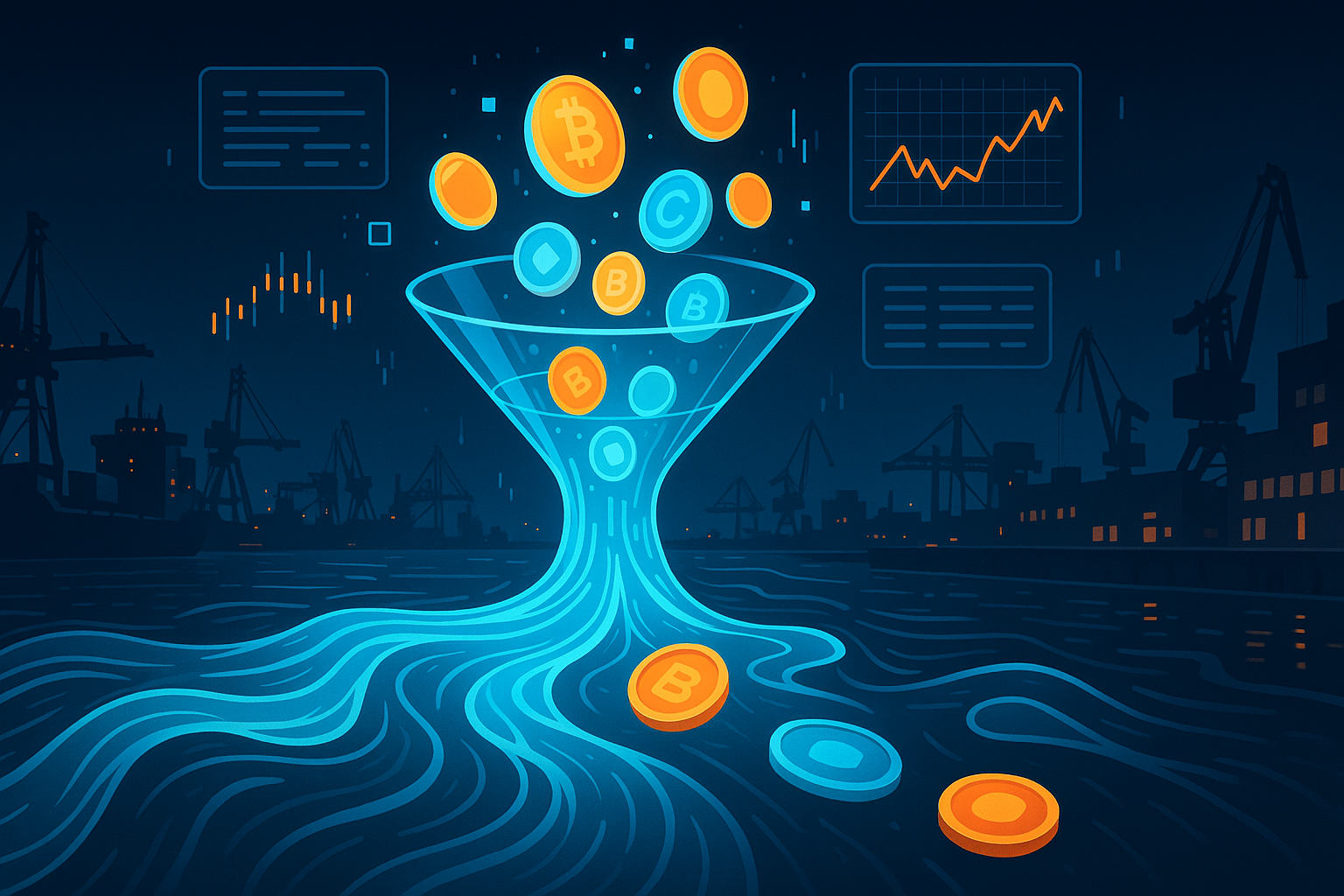
- Check the estimated rate and any warning about high slippage
- Avoid very large trades relative to typical market volume for OCEAN
- Consider splitting big swaps into smaller chunks
2. Network fees and blockchain congestion
Swapping OCEAN to BTC usually involves at least one blockchain transaction, sometimes more. That means:
- You pay gas or network fees on the chain where OCEAN resides
- Fees can spike during congestion, reducing your net received BTC
- Transactions might take longer to confirm in busy periods
3. Irreversible transactions
Crypto transfers are typically final once confirmed. Common user errors include:
- Sending OCEAN to the wrong address or unsupported network
- Entering an incorrect BTC destination address
- Ignoring minimum or maximum swap limits
If you make a mistake, recovery is often impossible. Always double-check addresses and instructions before confirming.
4. Counterparty and smart contract risk
With any third-party service or protocol you use to swap crypto instantly, you must consider:
- Counterparty risk on centralized or semi-centralized swap providers
- Smart contract risk on decentralized protocols
- Regulatory risk, especially for custodial platforms
Use well-established services, read documentation, and start with smaller amounts until you are comfortable with the process.
Step-by-Step Guide: How to Perform an Ocean to BTC Swap
Specific steps will vary by platform, but the workflow below covers the essential process for a typical non-custodial swap.
Step 1: Prepare your wallets
- OCEAN wallet: Ensure your wallet supports OCEAN on the correct network (for example, Ethereum mainnet if that is where your tokens are).
- BTC wallet: Have a secure Bitcoin address ready where you want to receive the BTC.
- Fund gas fees: If OCEAN is on Ethereum, you will need ETH for gas. Check your balance before starting.
Step 2: Choose a reliable instant swap service
Look for a platform that supports direct OCEAN to BTC conversion, prioritizing a non-custodial swap model where you retain control of your funds. A dedicated OCEAN/BTC page, such as this ocean to btc swap interface, can simplify the process by preselecting the correct pair.
Step 3: Enter swap details
- Select OCEAN as the token you are sending.
- Select BTC as the asset you will receive.
- Enter the amount of OCEAN you want to swap, or the target amount of BTC you wish to receive.
- Review the quoted rate, estimated BTC output, and any indicated slippage.
Step 4: Provide your BTC receiving address
Paste the Bitcoin address where you want to receive your BTC. Make sure:
- It is a valid BTC address format for the network you intend to use (on-chain, not a testnet).
- You have backed up the wallet or seed phrase that controls this address.
- You double-check every character, ideally using copy and paste rather than manual typing.
Step 5: Confirm and send OCEAN
- Review all details, including:
- OCEAN amount
- Expected BTC amount
- Fees and minimums
- Destination BTC address
- Confirm the swap on the platform.
- Your wallet will prompt you to send OCEAN to a specified address or smart contract.
- Approve and broadcast the transaction, paying the required gas fee.
Step 6: Wait for confirmations and receive BTC
After you send OCEAN, the swap service will wait for the necessary number of on-chain confirmations. Once detected and verified:
- The provider completes the trade on its side.
- BTC is sent to your destination address.
- You can monitor transaction status via a blockchain explorer on both networks.
The total time will depend on the congestion of both chains and the platform’s internal processing rules.
Practical Tips for a Smooth Ocean to BTC Swap
1. Start with a test amount
If this is your first time using a specific platform or performing an ocean to btc swap at all, send a small amount first. Confirm you receive BTC successfully before swapping larger sums.
2. Check market conditions
Volatile markets can increase slippage and make instant swaps less predictable. Before executing:
- Look at recent OCEAN price action and trading volume
- Avoid swapping during extreme volatility if you care about precise execution
- Expect slightly different execution if prices are rapidly moving
3. Optimize for fees and timing
Network fees can be a significant component of your swap cost, especially on busy chains:
- Check typical gas prices throughout the day and week
- Consider swapping during off-peak times when possible
- Balance speed and cost when choosing gas settings in your wallet
4. Secure your environment
Because you will handle wallet connections and addresses, basic security hygiene matters:
- Use reputable wallets with up-to-date software
- Access swap services via bookmarked URLs rather than random search ads
- Avoid performing sensitive operations on public or unsecured Wi-Fi
5. Keep records for tracking and tax purposes
Many jurisdictions treat crypto-to-crypto swaps as taxable events. Whether or not you are certain how your local rules work, it is smart to record:
- Date and time of the swap
- Amount of OCEAN sent and BTC received
- Transaction IDs on both blockchains
- Fair market values at the time of the trade, if available
Conclusion
An ocean to btc swap is a practical way to rotate from a specialized Web3 data token into Bitcoin, the most established asset in the crypto market. By using a reliable non-custodial service, you can keep control of your funds, avoid complicated exchange workflows, and complete the trade with just a few transactions.
The key is to understand both the benefits and risks: improved liquidity, consolidation into a core asset, and better privacy on one side, balanced against slippage, network fees, and the finality of on-chain transactions on the other. Approach the process methodically, start with smaller amounts, and follow best practices for security and record-keeping.
If you are ready to move from OCEAN into Bitcoin, a dedicated swap crypto instantly interface can streamline the entire process and help you execute your strategy with fewer steps and less friction.
Ready to Swap?
Convert your crypto instantly on GhostSwap — no KYC, no sign-up required.
Popular swaps: BTC to XMR | BTC to ETH | XMR to BTC | ETH to XMR | BTC to SOL