LTC to XMR Swap No KYC: How to Exchange Privately and Instantly
Introduction
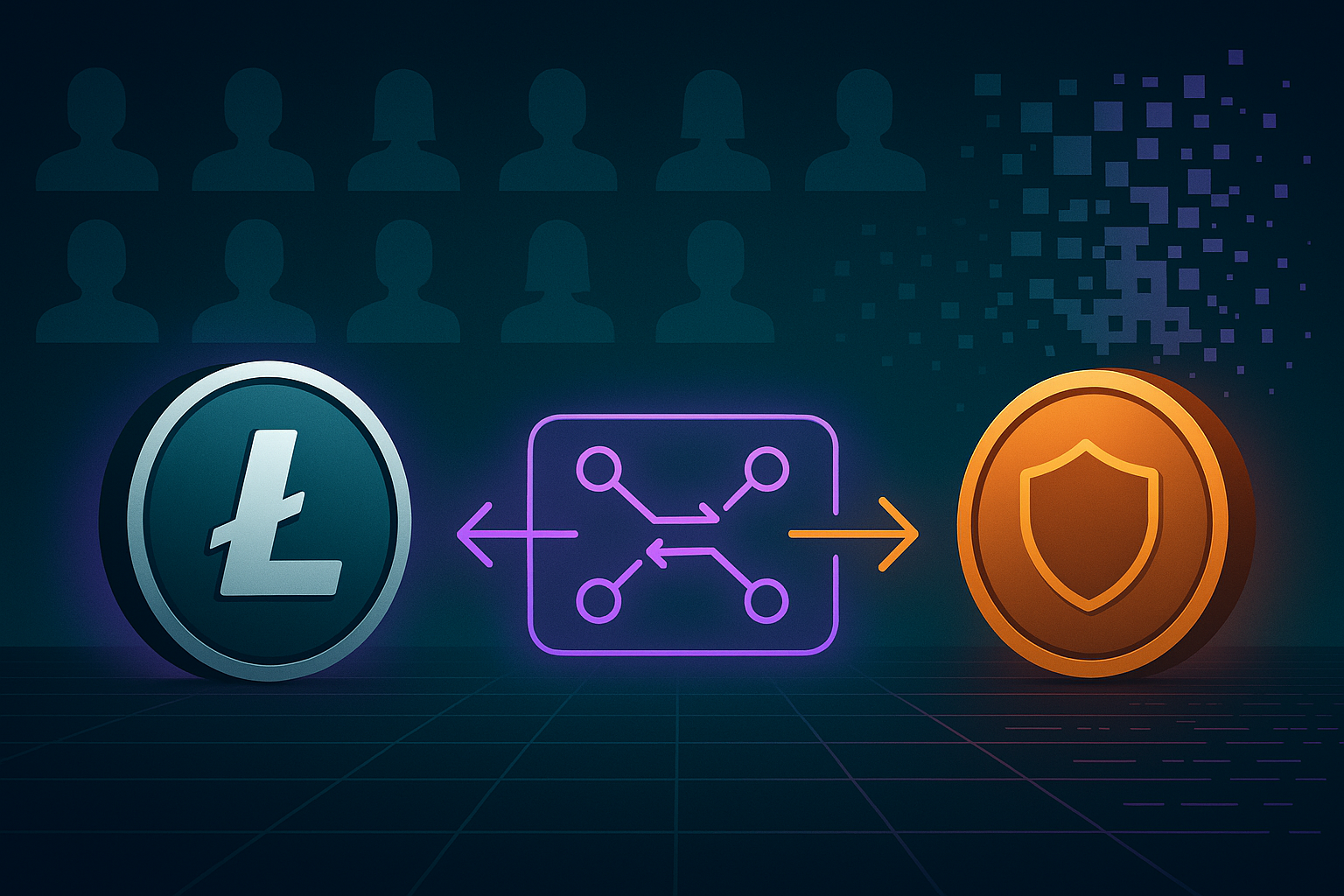
Privacy focused crypto users are increasingly looking for ways to move between assets without revealing their identity. One of the most common needs is an LTC to XMR swap no KYC, because Litecoin is widely available and cheap to move, while Monero is considered one of the strongest privacy coins on the market.
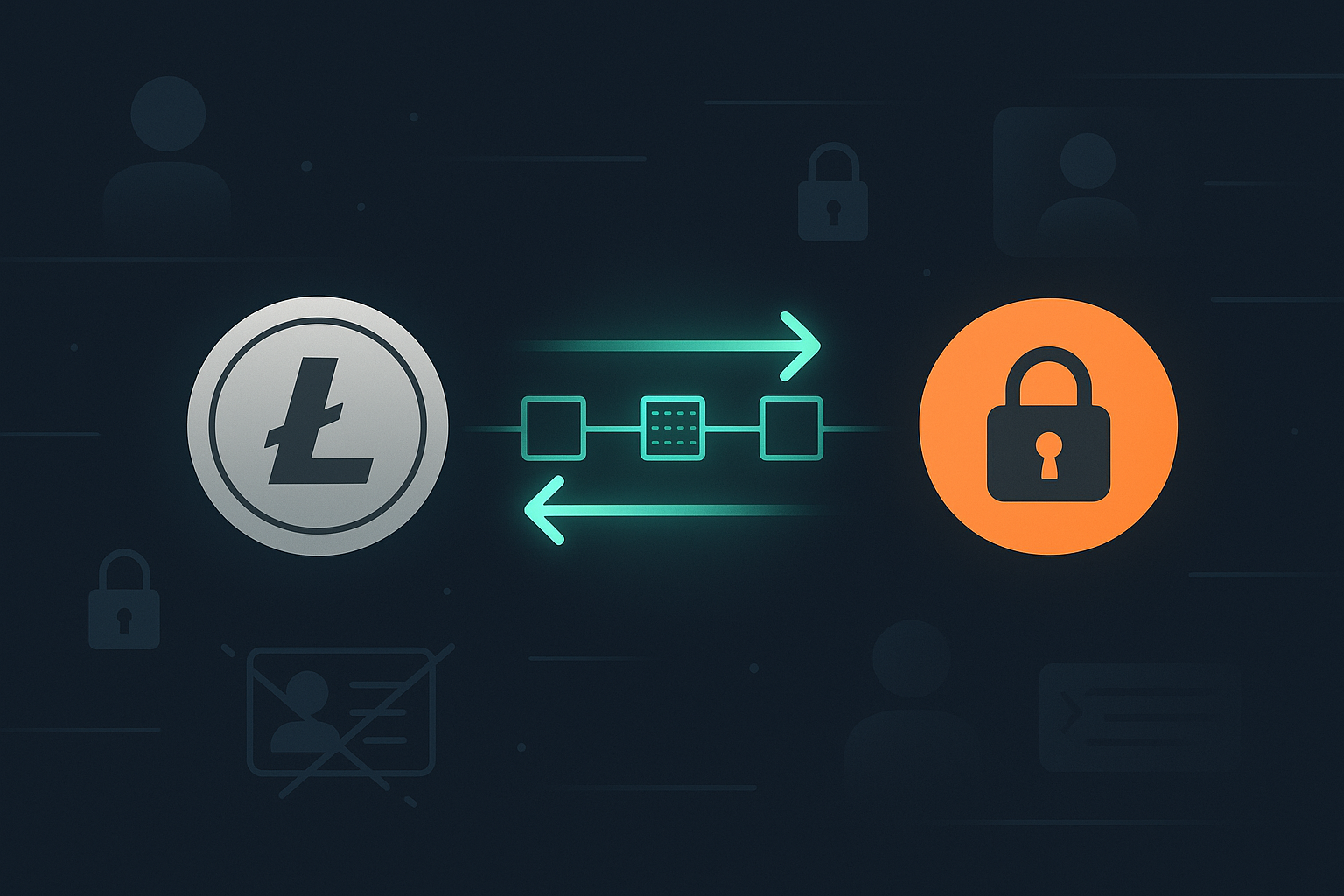
Centralized exchanges typically require full identity verification, link your activity to your real-world identity, and often share data with third parties. In contrast, non custodial, no KYC swap services let you trade directly from one address to another, with far less data collection and a much smaller attack surface.
Modern instant swap platforms like ltc to xmr swap no kyc tools have made this process much more streamlined, but you still need to understand how it works, what you are giving up, and how to reduce your risk when you use them.
Why an LTC to XMR Swap With No KYC Matters
Regulatory pressure and surveillance
Over the last several years, regulators have pushed centralized exchanges to implement strict KYC and AML policies. That often includes:
- Mandatory ID uploads (passport, driver’s license, selfie)
- Proof of residence (bank statements, utility bills)
- Transaction monitoring and advanced chain analytics
- Automatic reporting of “suspicious” activity
For many users this is acceptable, but for others it conflicts with the original value proposition of cryptocurrencies: permissionless, censorship resistant transactions that are not tied to a permanent identity profile.
Why Litecoin to Monero specifically?
An LTC to XMR swap without KYC is popular for a few key reasons:
- Litecoin (LTC) is liquid and accessible: It trades on nearly every centralized exchange and is easy to acquire with fiat or other crypto.
- Low transaction fees: LTC is relatively cheap to move, making it a convenient on ramp before you move into more private assets.
- Monero (XMR) is privacy centric: With ring signatures, stealth addresses, and confidential transactions built in, XMR transactions are designed to be difficult to trace on chain.
- KYC free bridging of liquidity: You can buy LTC on a regulated exchange if you choose, then move off the platform and privately convert to XMR using a non custodial no KYC service.
The combination gives users a path to more private holdings, while still benefiting from the liquidity of a major coin.
Key Benefits of an LTC to XMR Swap With No KYC
1. Reduced data collection
A properly designed non custodial swap service typically does not require:
- Names, addresses, or government IDs
- Selfies or biometric data
- Bank account or credit card numbers
Most services only see the crypto addresses involved and some basic technical information needed to process the swap. This reduces the risk of personal data leaks and targeted hacks against identity databases.
2. Stronger financial privacy
If you acquire XMR directly from a centralized exchange, your account, IP address, and purchase history are linked to that stash of coins. By using LTC as an intermediate step and a private exchange or non custodial swap service, you can make it significantly harder for observers to link your real world identity to your Monero holdings.
3. Non custodial control
Non custodial swaps let you retain control of your private keys:
- You send LTC from a wallet you control.
- You receive XMR directly to your personal Monero wallet.
- There is no long term deposit account on the platform that can be frozen.
This approach aligns better with the “not your keys, not your coins” principle that many crypto users follow.
4. Convenience and speed
Instant swap platforms are usually faster than going through a standard exchange workflow:
- No sign up forms or ID checks.
- No long deposit / withdrawal queues.
- Simple “send in one coin, receive the other” flow.
With a platform that lets you swap crypto instantly, the entire process often takes just a few confirmations on each chain.
5. Geographic accessibility
Users in restricted jurisdictions might not be able to open accounts on large exchanges at all, or may face very limited features. A no KYC LTC to XMR swap gives those users another path to access privacy technology without a centralized gatekeeper.
Risks and Drawbacks You Should Understand
No solution is perfect. Before you jump into an LTC to XMR swap with no KYC, consider these risks.
1. Platform risk
Non custodial does not mean risk free. Potential issues include:
- Exit scams or fraud: Some services may run for a while to build trust, then disappear with user funds.
- Technical failures: Bugs in the swap engine could lock or misroute funds.
- Liquidity problems: If there is not enough liquidity, your rate may be worse than expected or swaps could be delayed.
Mitigation tips include starting with small test amounts, checking independent reviews, and verifying that the service has a history of successful swaps.
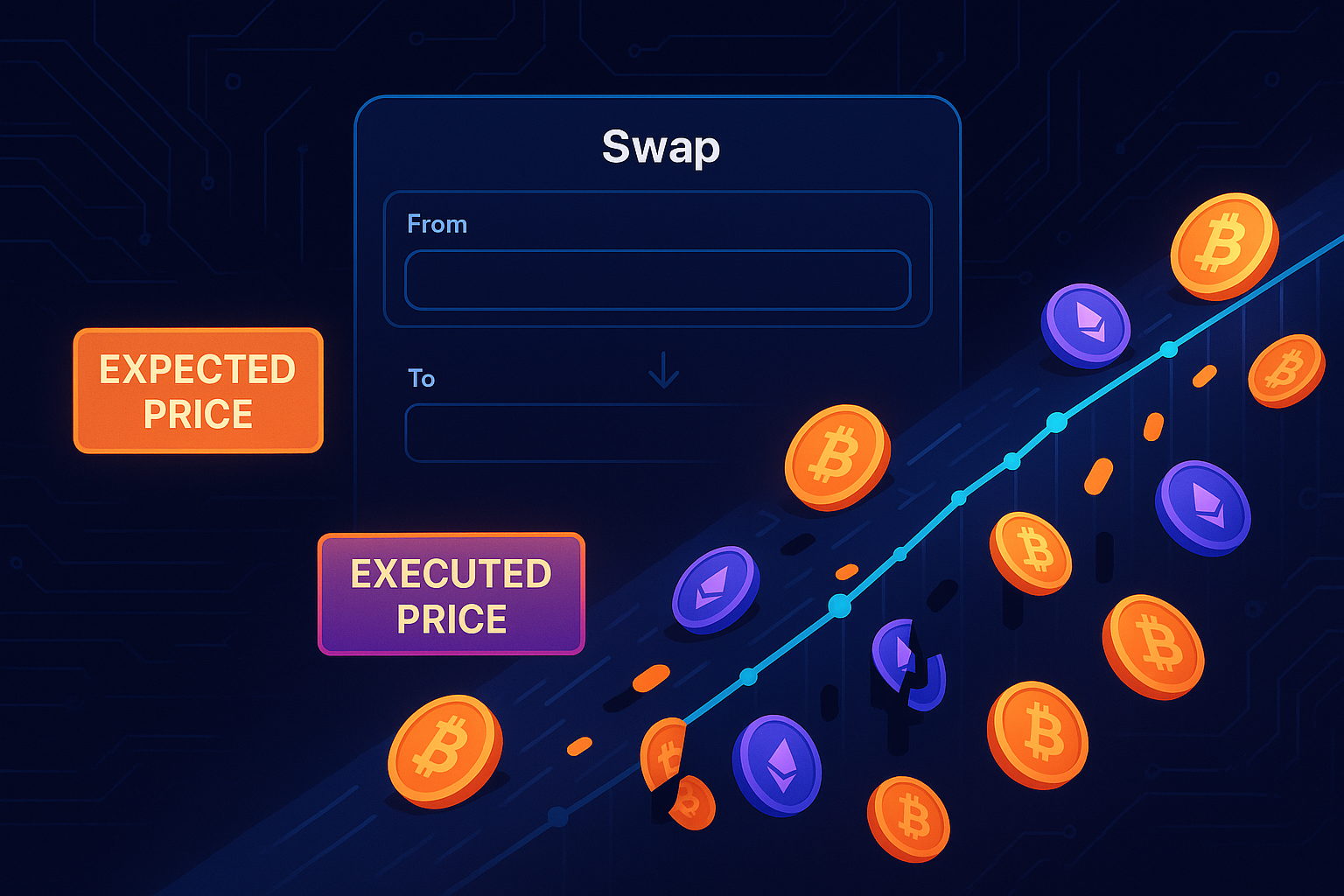
2. Rate and fee uncertainty
Instant swap platforms usually make money in two ways:
- Spread between buy and sell rates.
- Service or network fees.
You might not always get the absolute best execution price compared to actively trading on a large exchange order book. For many users, the trade off is worth it for privacy and simplicity, but you should always:
- Check the quoted amount before sending LTC.
- Understand the difference between fixed rate and floating rate swaps.
- Compare against live market prices so you know what you are paying for convenience and anonymity.
3. Regulatory and legal considerations
Depending on your jurisdiction, privacy coins and no KYC services can be subject to greater scrutiny. Some countries have:
- Restrictions on listing privacy coins.
- Stricter reporting requirements for non KYC platforms.
- Broad laws that could apply to how you use privacy tools.
Always check the rules where you live and consult a qualified professional if you are unsure. This article is for educational purposes only and is not legal or financial advice.
4. Network level traceability
Even with a private coin like Monero, you should not assume invisibility:
- Your ISP or VPN provider may see that you interact with certain services.
- On the Litecoin side, the transaction is still public and traceable on chain.
- Repeated patterns of deposits and withdrawals can be analyzed statistically.
The privacy you gain from LTC to XMR no KYC swaps is real but not absolute. Your operational practices matter.
Step by Step Guide: How to Do an LTC to XMR Swap With No KYC
This section walks you through a typical workflow using a non custodial instant exchange. Details vary between providers, so always follow instructions on the specific platform.
Step 1: Prepare your wallets
You will need two wallets:
- A Litecoin wallet with the LTC you intend to swap.
- A Monero wallet where you will receive XMR.
Make sure:
- Both wallets are fully synced.
- You have backed up your seed phrases safely and offline.
- You have a small extra amount of LTC if needed to cover network fees.
Step 2: Choose a non custodial swap service
Look for a service that:
- Supports LTC to XMR directly.
- Does not require account registration or KYC for your volume.
- Clearly displays the rate and expected output amount.
- Offers transparent information about fees and minimum / maximum limits.
Services like non-custodial swap platforms for LTC and XMR are designed specifically for this use case and provide a streamlined interface.
Step 3: Enter the swap details
On the selected platform:
- Select LTC as the coin you send and XMR as the coin you receive.
- Enter the amount of Litecoin you want to swap.
- Paste your own Monero wallet address as the destination address.
- In many cases, you can optionally specify a refund LTC address in case something goes wrong.
Review:
- The estimated amount of XMR you will receive.
- Whether the rate is fixed or floating.
- The network fee and service fee, if itemized.
Step 4: Confirm and send LTC
Once you confirm the details, the service will show you a unique LTC deposit address. This is where you send your Litecoin.
Tips for this step:
- Send the exact amount of LTC requested, including decimals.
- Use your own wallet, not a centralized exchange withdrawal, if possible. Some swaps can fail or delay when funds come from exchange addresses.
- Double check that the destination address is correct and matches what the service shows.
After sending, your wallet will show a transaction ID (TXID). Save this for reference in case there are delays or support requests.
Step 5: Wait for confirmations and the XMR payout
The service waits for a certain number of LTC blockchain confirmations. Typical ranges:
- 1 to 6 confirmations on Litecoin, depending on fee level and platform policy.
Once the LTC is considered confirmed, the backend system executes the trade on its liquidity sources and sends the corresponding amount of XMR to your Monero address.
You can then:
- Check your Monero wallet for the incoming transaction.
- Verify the amount is roughly equal to the quote, accounting for spreads and fees.
- Store your XMR safely, ideally in a wallet where you control the seed phrase.
Practical Tips to Maximize Privacy and Safety
1. Use a VPN or Tor where appropriate
If privacy is a strong concern for you:
- Access the swap service over a reputable VPN or Tor to reduce IP level metadata.
- Avoid logging into personal accounts in the same browser session.
- Consider using privacy focused browsers that limit tracking.
2. Avoid direct links between KYC accounts and XMR
To improve your privacy profile:
- Do not send LTC directly from a KYC exchange account into the swap deposit address if you want to break links.
- Instead, withdraw LTC to your personal wallet first, then send from there to the swap service.
- Likewise, receive XMR to your own wallet, not to any address that exchanges or custodians control.
3. Start small and scale up
For first time users:
- Test the process with a small amount of LTC.
- Verify that the XMR arrives and the amounts are correct.
- Then, if satisfied, you can repeat with larger amounts, staying below any thresholds that might trigger enhanced checks.
4. Time your swap for network conditions
Fees and confirmation times vary:
- Check current Litecoin network fees and estimated confirmation times.
- Avoid periods of extreme congestion if you need the swap finalized quickly.
- Monitor XMR network conditions as well, especially if your wallet is not fully synced.
5. Keep your software up to date
Security is not only about platforms, but also your own devices:
- Use updated versions of your LTC and XMR wallets.
- Apply operating system security updates.
- Scan for malware and avoid installing untrusted software that could capture your seed phrase or private keys.
Conclusion: Is an LTC to XMR No KYC Swap Right for You?
An ltc to xmr swap no kyc is a powerful tool for users who value privacy, direct control of funds, and a simple way to move from a widely traded asset into a strong privacy coin. By using a reputable private exchange or non custodial instant swap platform, you can:
- Reduce the amount of personal data you hand over to third parties.
- Maintain greater separation between your real identity and your crypto holdings.
- Execute swaps quickly, without the friction of full account creation and verification.
At the same time, it is important to recognize the trade offs: potential platform risk, rate spreads, and the need to manage your own operational security. You should always verify details, start with small amounts, and stay informed about the legal landscape in your jurisdiction.
If you decide this approach matches your risk tolerance and privacy goals, services that let you swap crypto instantly between LTC and XMR without KYC can be a practical part of your toolkit. Used thoughtfully, they provide a bridge from mainstream liquidity into stronger on chain privacy with minimal friction and no unnecessary exposure of your personal information.