LTC to ETH Swap: How to Exchange Litecoin for Ethereum Safely and Efficiently
Introduction
Trading one cryptocurrency for another has become a routine part of managing a modern crypto portfolio. Among the most common conversions is the LTC to ETH swap, which lets you move value from Litecoin into the Ethereum ecosystem quickly and with relatively low fees.
Whether you are shifting strategies, looking to access DeFi, or simply balancing your holdings, knowing how to swap Litecoin to Ethereum efficiently is essential. Today, you do not need to use a complex trading terminal or open an account on a centralized exchange. You can perform an ltc to eth swap through simple, non-custodial interfaces that focus on speed and privacy.
In this guide, you will learn why this conversion matters, the main benefits and risks, and a step-by-step walkthrough to complete the swap with best practices that help you avoid common mistakes.
Why LTC to ETH Swaps Matter
Litecoin and Ethereum serve different purposes in the crypto ecosystem:
- Litecoin (LTC) is optimized for fast, low-cost payments and is often used as a “digital silver” complement to Bitcoin.
- Ethereum (ETH) powers smart contracts, decentralized applications, NFTs, and most of the DeFi space.
Swapping LTC to ETH matters for several reasons:
1. Access to DeFi and dApps
Most decentralized applications run on Ethereum or EVM-compatible networks. If your funds are sitting in Litecoin, you cannot directly:
- Provide liquidity on decentralized exchanges like Uniswap clones
- Participate in DeFi lending or borrowing
- Mint or trade NFTs on Ethereum marketplaces
Converting LTC to ETH is often the first step to joining these ecosystems.
2. Portfolio Rebalancing
Market conditions change. You might prefer:
- Increasing your exposure to ETH during periods of strong smart contract adoption
- Taking profits on LTC and reallocating to a different risk profile
- Reducing volatility by spreading holdings across multiple major assets
A flexible LTC to ETH swap process lets you reposition quickly without jumping through unnecessary hoops.
3. Lower Friction Than Fiat On-Ramps
Sometimes you already hold LTC from past trades or payments. Instead of selling to fiat and buying ETH again, it can be cheaper and faster to move directly from LTC to ETH, particularly through a private exchange that supports instant swaps.
Key Benefits of Swapping LTC to ETH
When you use a modern, non-custodial swap service, you gain several advantages over legacy exchange workflows.
1. Speed and Convenience
A specialized swap interface is usually much simpler than a full exchange:
- No need to place limit orders or understand complex order books
- Fewer steps than depositing, waiting for confirmations, trading, and withdrawing
- Transactions typically complete in minutes, depending on network congestion
If you use a platform designed to swap crypto instantly, you generally only specify the amounts, destination address, and then send LTC to a generated address.
2. Non-Custodial Control
With non-custodial swaps, you do not give your login credentials, identity documents, or account control to a third party. Instead:
- You send LTC from your own wallet
- The service performs the conversion
- You receive ETH directly at your destination address
Funds are never held long-term on a centralized balance sheet, which reduces exposure to exchange hacks or operational failures.
3. Improved Privacy
Many instant swap platforms emphasize privacy. While you should always verify each service’s policies, a privacy-friendly, non-custodial swap flow typically means:
- No lengthy identity verification for modest-sized swaps
- Minimal stored user data
- Fewer centralized records tied to your personal information
This can be attractive if you value transactional privacy and want to avoid creating extensive centralized records of your crypto history.
4. Competitive Fees
Traditional exchanges usually charge:
- Deposit fees or hidden network costs
- Trading fees per transaction
- Withdrawal fees per coin
A direct LTC to ETH swap typically folds these costs into:
- The network fees for LTC and ETH
- A single service fee included in the quoted rate
If you compare the effective rate and final amount received, a streamlined swap can be cost-competitive or better, especially for smaller or medium-sized conversions.
Risks and Drawbacks of an LTC to ETH Swap
Every crypto transaction carries some risk. Understanding these helps you protect your funds.
1. Price Volatility and Slippage
The price of LTC and ETH can move quickly. Two main issues arise:
- Volatility: The market may shift between the time you receive the swap quote and the time your LTC transaction is confirmed on-chain.
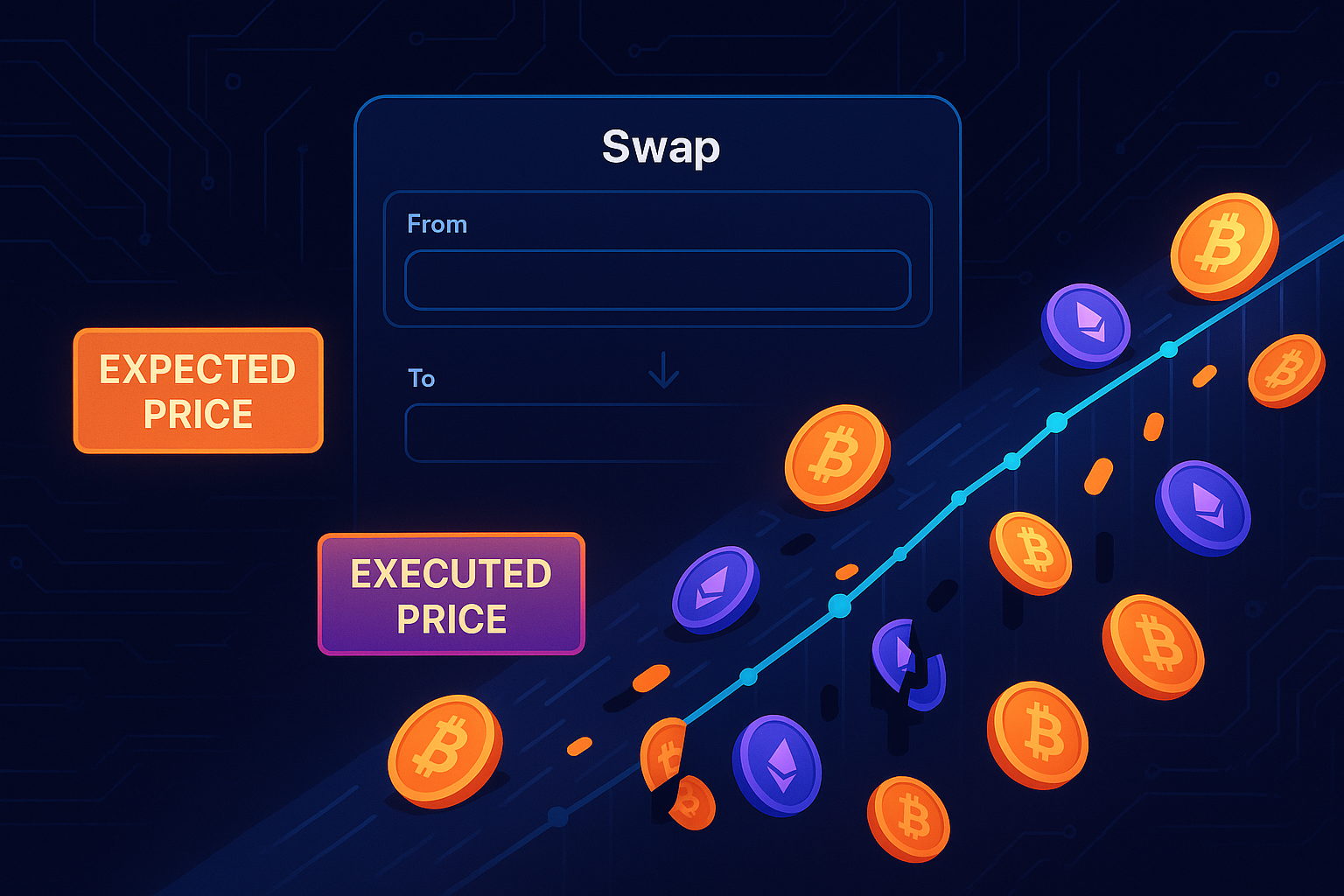
- Slippage: If liquidity is thin or markets are moving rapidly, the executed rate might differ from the initially displayed rate.
To reduce this risk, some swap services offer fixed-rate quotes within a short time window, while others operate at a floating market rate.
2. Network Fees and Congestion
Two blockchains are involved:
- Litecoin network fees: For sending LTC to the swap service.
- Ethereum gas fees: For sending ETH to your wallet after the conversion.
If Ethereum is congested, gas prices can spike, reducing the net amount you receive. It is wise to check current fee levels before initiating your swap.
3. Service Reliability and Trust
Not all swap platforms are equal. Key considerations include:
- Reputation and longevity of the service
- Clear, transparent fee structure
- Support responsiveness
- Public track record and independent reviews
Always verify the URL, avoid lookalike phishing sites, and confirm you are interacting with a legitimate service.
4. Irreversible Transactions
Blockchain transfers are generally final. Mistakes such as:
- Sending LTC to the wrong address
- Entering an incorrect ETH destination address
- Using an unsupported contract or token address instead of a plain ETH address
can lead to permanent loss of funds. Double check all details before you confirm.
Step-by-Step Guide: How to Swap LTC to ETH
The exact interface varies between platforms, but most LTC to ETH swap processes follow a similar pattern. Here is a generalized step-by-step guide.
Step 1: Prepare Your Wallets
Before starting:
- Ensure you have LTC in a wallet that lets you send to external addresses.
- Set up an ETH wallet where you control the private keys or seed phrase. This could be:
- A hardware wallet like Ledger or Trezor
- A software wallet such as MetaMask, Trust Wallet, or similar
- A mobile wallet that supports Ethereum mainnet
- Back up your seed phrase securely offline to protect your assets.
Step 2: Choose a Swap Service
Select a platform that offers:
- A clear LTC to ETH market or pair
- Transparent rate and fee display
- Non-custodial architecture and good privacy practices
Look for an interface specifically tailored to the LTC/ETH pair so you do not need to navigate multiple trading screens.
Step 3: Enter Swap Details
On the swap page:
- Select LTC as the coin you will send.
- Select ETH as the coin you will receive.
- Enter the amount of LTC you want to convert, or the amount of ETH you want to receive, depending on the interface.
- Paste your destination ETH address carefully.
The platform should show you a quote for how much ETH you will receive, along with the type of rate (fixed or floating) and any associated limits.
Step 4: Review the Rate and Fees
Pause and verify:
- Displayed LTC to ETH conversion rate
- Estimated ETH amount after all fees
- Minimum and maximum transaction amounts
- Any time limit on the offered rate
If the numbers look reasonable compared to public market prices, proceed. If they differ drastically, recheck amounts or compare with another service.
Step 5: Send Your LTC
The swap platform will generate a unique LTC deposit address for your transaction. To continue:
- Copy that LTC address exactly.
- In your LTC wallet, start a send transaction to this address.
- Double check:
- The address matches character for character.
- The amount is correct.
- The network is Litecoin, not another chain.
- Confirm and broadcast the transaction.
Most services will show a waiting screen while they detect your LTC transaction and wait for the required confirmations.
Step 6: Wait for Confirmations and ETH Delivery
After your LTC transfer is confirmed:
- The service executes the LTC to ETH trade according to the agreed rate model.
- ETH is sent to the destination address you provided.
- You can monitor the progress on-chain using a Litecoin explorer and an Ethereum explorer.
Once complete, open your wallet and confirm the ETH balance has arrived. For extra safety, verify the transaction hash in a block explorer.
Practical Tips for a Smooth LTC to ETH Swap
A bit of preparation helps you avoid headaches and keep more of your value.
1. Start with a Small Test Transaction
If it is your first time using a particular service or wallet combination:
- Send a small amount of LTC first.
- Verify that ETH arrives correctly in your wallet.
- Then proceed with the full amount once you are confident everything works.
This approach reduces the risk of losing a large sum due to a simple mistake.
2. Check Network Conditions
Before you initiate the swap:
- Look at current Litecoin fees and estimated confirmation times.
- Check Ethereum gas prices using a public gas tracker.
- Avoid times of extreme congestion on Ethereum, as this can significantly reduce net received value.
Timing your swap when networks are relatively calm can save money.
3. Use Secure, Up-to-Date Wallets
Security fundamentals:
- Download wallets only from official sites or verified app stores.
- Keep your device operating system and wallet software updated.
- Never share your seed phrase or private keys with anyone, including support staff.
- Consider a hardware wallet for higher-value holdings.
4. Verify URLs and Beware of Phishing
Always check:
- You are on the correct domain of the swap service.
- The connection is secured with HTTPS.
- Links you click are from trusted sources, not random ads or messages.
Bookmark the correct address of your preferred private exchange to reduce the chance of mistyping or falling for a spoofed website.
5. Keep Records of Your Swaps
For accounting, tax, or general tracking:
- Save transaction hashes for both LTC and ETH transfers.
- Note the date, time, and rate of your LTC to ETH swap.
- Export logs or screenshots if needed for future reference.
Many jurisdictions treat crypto-to-crypto swaps as taxable events, so having clear records is often important.
Conclusion
An LTC to ETH swap lets you move seamlessly from a fast payment-focused coin into the smart contract powerhouse of Ethereum. This conversion is essential if you want to access DeFi, NFTs, yield opportunities, or simply rebalance your crypto portfolio.
By choosing a reliable, non-custodial platform, double checking addresses and amounts, and paying attention to network conditions, you can swap Litecoin to Ethereum quickly and with a strong focus on privacy and security. When you are ready to act, using a dedicated interface for a non-custodial swap between LTC and ETH can streamline the entire process into just a few straightforward steps.
Always move carefully, test with smaller amounts if you are unsure, and keep control of your own keys. With these habits, converting LTC to ETH becomes a simple, repeatable part of your overall crypto strategy.