ETH to USDC Swap: A Complete, Practical Guide for Crypto Users
Introduction
Swapping ETH to USDC is one of the most common actions in DeFi today. Whether you are locking in profits, reducing volatility, or preparing stable collateral, understanding how an ETH to USDC swap works can save you money and reduce risk.
With so many platforms available, choosing where and how to swap matters. For users who want a simple, non-custodial way to swap ETH to USDC instantly, modern aggregators and privacy-focused exchanges can provide better rates and more control than a typical centralized exchange.
This guide explains why ETH to USDC swaps are important, what benefits and risks to consider, and how to perform the swap safely and efficiently, step by step.
Why ETH to USDC Swaps Matter
Stability in a Volatile Market
ETH is a volatile asset. Its price can move several percent in a single hour. USDC, in contrast, is a dollar-pegged stablecoin designed to hold value at roughly 1 USDC = 1 USD.
Swapping from ETH to USDC allows you to:
- Lock in profits after a strong price move
- Reduce exposure during uncertain market conditions
- Park funds in a stable asset before re-entering the market
Liquidity and On-Chain Utility
USDC is widely integrated across DeFi protocols, exchanges, and on-chain services. Holding USDC after an ETH swap can make it easier to:
- Provide liquidity or farm yields
- Use lending and borrowing protocols
- Pay for services or on-chain invoices that require stablecoins
- Move funds between chains or platforms using bridges and payment rails
Risk Management and Portfolio Strategy
For many traders and investors, an ETH to USDC swap is not just a trade, it is part of a broader risk management strategy. You might:
- Rebalance a portfolio between volatile and stable assets
- Set aside funds for taxes or real-world expenses
- Mitigate drawdowns during bear markets by increasing stablecoin allocations
The ability to move smoothly between ETH and USDC helps you stay flexible and responsive in any market condition.
Key Benefits of Swapping ETH to USDC
1. Reduced Price Volatility
By converting ETH to USDC, you shield your holdings from large price swings. This can be especially helpful if:
- You expect short-term market downside
- You are waiting for a clearer trend before re-entering
- You want predictability for near-term spending or obligations
2. Stable Unit of Account
Managing your crypto finances in a stablecoin like USDC simplifies accounting. It is easier to measure profit and loss, value your portfolio, and plan cash flows when denominated in a relatively stable asset rather than a highly volatile one.
3. Better Access to DeFi Opportunities
Many DeFi protocols, from lending markets to liquidity pools, use USDC as a primary base asset. Once you complete an ETH to USDC swap, you may gain:
- Access to USDC-based lending with predictable interest rates
- Eligibility for stablecoin liquidity pools that reduce impermanent loss
- More consistent returns in yield strategies denominated in dollars
4. Faster Decision Making
When markets move quickly, you do not want to be stuck waiting for bank transfers or fiat on-ramps. Swapping directly on-chain with a service that lets you swap crypto instantly in a non-custodial way helps you react in real time.
Risks and Drawbacks of ETH to USDC Swaps
While stablecoins and on-chain swaps are powerful tools, they are not risk free. It is important to consider the trade-offs.
1. Smart Contract and Protocol Risk
If you use a DeFi protocol or aggregator to swap, you rely on its smart contracts. Potential issues include:
- Bugs or vulnerabilities in the contract code
- Misconfigured liquidity pools
- Oracle failures impacting pricing
Always prefer audited and battle-tested protocols, and avoid interacting with contracts you do not recognize.
2. Stablecoin Risk
USDC is a centralized stablecoin backed by reserves and regulated entities. Still, there are inherent risks:
- Regulatory or compliance actions impacting USDC
- Freezing of specific addresses in extreme cases
- Potential depegging events, even if historically rare and usually short-lived
No stablecoin is perfectly riskless, even if its track record is strong.
3. Price Slippage and Fees
Swapping ETH to USDC can incur:
- Slippage when large trades move the market price
- Network fees (gas) on Ethereum, which can spike during congestion
- Protocol or service fees depending on where you swap
Careful selection of route, timing, and platform can significantly reduce these costs.
4. Custodial and Privacy Concerns
If you use a centralized exchange, you often:
- Give up custody of your assets while they sit on the exchange
- Submit extensive KYC information
- Create a transaction history tied to your real identity
Users who prioritize privacy or control might prefer a non-custodial swap solution that does not hold funds or store personal data for extended periods.
Step-by-Step Guide: How to Swap ETH to USDC
Below is a general workflow you can follow to complete an ETH to USDC swap safely. Specific details vary by platform, but the core steps are similar.
Step 1: Choose Your Swap Method
You have three main options:
- Centralized Exchange (CEX)
Deposit ETH to an exchange like Binance or Coinbase, sell ETH for USDC, then withdraw USDC.
Pros: High liquidity, familiar interface.
Cons: Custodial, KYC heavy, slower withdrawals, privacy trade-offs. - Decentralized Exchange (DEX)
Use UniSwap, SushiSwap, or other DEXs directly from your wallet.
Pros: Trustless, non-custodial, wide token support.
Cons: Price impact for large trades, potential for higher gas fees, you must manage route selection yourself. - Aggregator / Private Exchange Interface
Use a dedicated interface that routes your ETH to USDC swap through the best on-chain liquidity, often focusing on privacy and simplicity.
Pros: Non-custodial, optimized rates, potentially better privacy and UX.
Cons: You rely on the aggregator to select safe liquidity routes.
Step 2: Connect or Prepare Your Wallet
If you are swapping on-chain:
- Use a Web3 wallet like MetaMask, Rabby, or a hardware wallet interface
- Ensure you have enough ETH to cover both the swap amount and gas fees
- Double check that your network is set to Ethereum mainnet, not a testnet
If using a centralized exchange:
- Create and verify your account if required
- Deposit ETH from your wallet to the exchange deposit address
Step 3: Enter the Swap Amount
On your chosen interface:
- Select ETH as the token you are swapping from
- Select USDC as the token you are receiving
- Enter the amount of ETH you want to exchange, or use the “max” button if you understand the implications
Pay attention to:
- The quoted rate (how much USDC you receive per 1 ETH)
- Estimated network fees
- Minimum received amount after slippage
Step 4: Review Slippage Tolerance and Routing
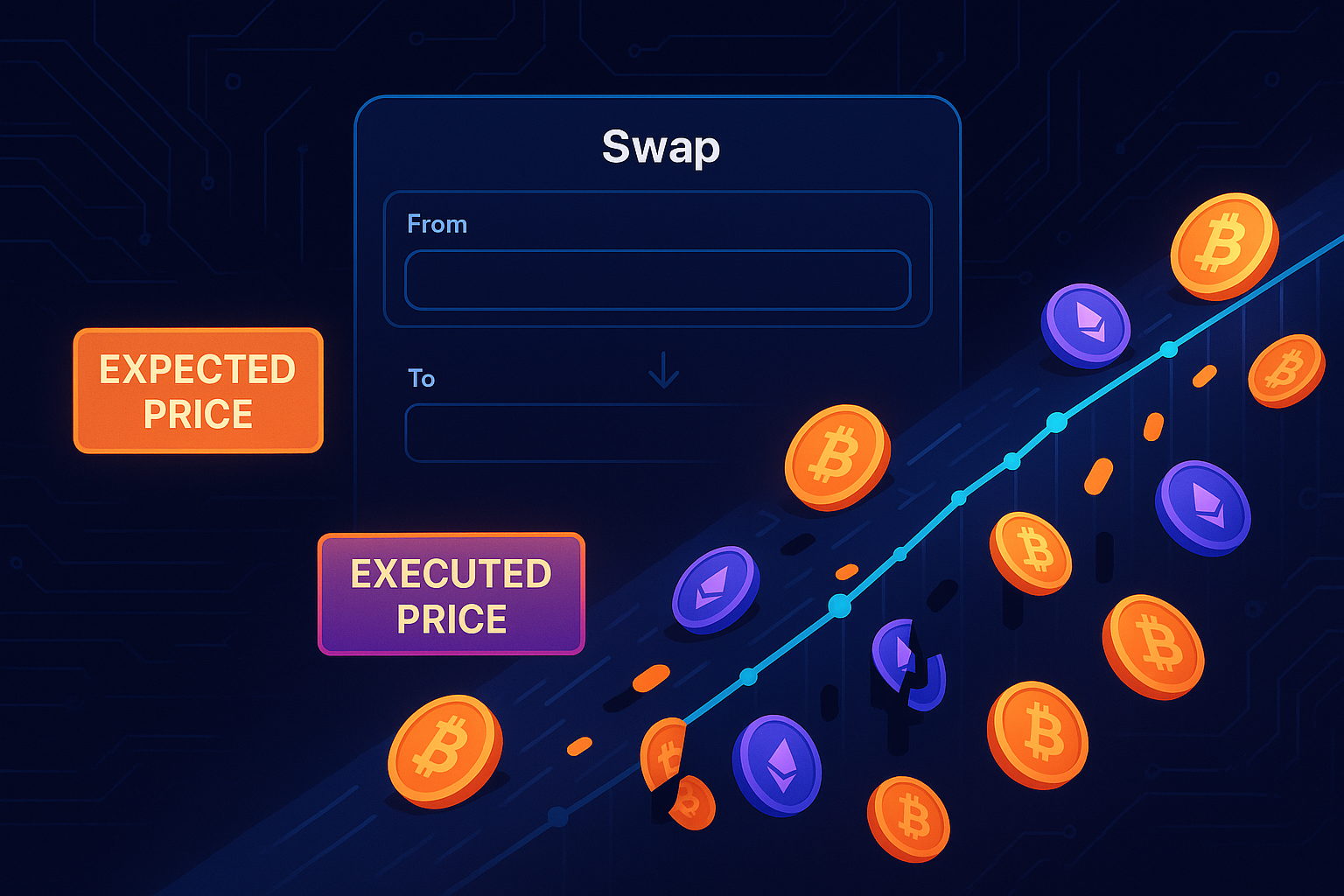
Slippage tolerance controls how much price movement you will accept between quote and execution.
- Low slippage (like 0.1 to 0.5 percent) helps protect you from bad fills, but may cause the transaction to revert if the market moves
- Higher slippage may help the trade go through in volatile conditions but opens you to worse pricing
If your platform shows route details, review which pools or DEXs it will use. A route through deep, reputable liquidity pools is generally safer and more efficient.
Step 5: Confirm and Sign the Transaction
When everything looks correct:
- Click the button to initiate the swap
- Your wallet will show a transaction prompt with gas fees and details
- Carefully check that:
- The “to” address is the expected contract
- The amount of ETH to be spent is correct
- The estimated gas fee is acceptable
- Sign and confirm the transaction in your wallet
Step 6: Wait for Confirmation and Verify USDC Balance
After submitting the transaction:
- Wait for on-chain confirmations, which can take from a few seconds to a few minutes depending on network conditions
- Check your wallet for your updated USDC balance
- If USDC does not appear, you might need to manually add the USDC token contract to your wallet’s token list
For those prioritizing simplicity and privacy, a dedicated interface that acts as a private exchange for ETH to USDC swaps can streamline this entire process into just a few clicks.
Practical Tips for Better ETH to USDC Swaps
1. Time Your Gas Fees
Ethereum gas prices fluctuate throughout the day. To avoid overpaying:
- Use gas tracking tools to find cheaper time windows
- Avoid peak congestion during major announcements or NFT drops
- Consider setting a custom gas fee that still confirms in a reasonable time
2. Beware of Fake Tokens
When interacting with USDC:
- Verify the official contract address for USDC on Ethereum
- Do not blindly trust search results within unverified DEX frontends
- Bookmark and use reputable interfaces and explorers
3. Start With Small Test Transactions
If you are using a new platform or performing a large swap:
- Send a small test amount first
- Confirm that the swap works as expected
- Then proceed with the full amount once you are comfortable
This simple practice can save you from costly mistakes.
4. Use Non-Custodial, Privacy-Conscious Options When Possible
If you prefer not to leave funds on centralized exchanges or link every action to KYC:
- Favor non-custodial swap interfaces
- Keep control of your private keys and wallet
- Consider platforms that avoid unnecessary data collection
This can reduce counterparty risk and help preserve on-chain privacy.
5. Understand the Tax Implications
In many jurisdictions, swapping ETH to USDC is considered a taxable event, such as a disposal of ETH at its current market value. To stay compliant:
- Track the price of ETH at the time of your swap
- Use portfolio or tax tracking tools to record transactions
- Consult a qualified tax professional familiar with crypto
Conclusion
An ETH to USDC swap is one of the most versatile tools in your crypto toolkit. It lets you lock in profits, manage risk, access DeFi opportunities, and maintain a stable unit of account, all without leaving the blockchain.
By understanding the benefits and risks, choosing the right platform, and following a clear step-by-step process, you can execute swaps more safely and at better rates. Whether you prefer a traditional DEX, a centralized exchange, or a streamlined interface designed for fast, non-custodial ETH to USDC swaps, the fundamentals remain the same: protect your keys, verify contracts and details, and always consider fees and slippage.
Used thoughtfully, stablecoin swaps can give you more control over your crypto journey, smoother portfolio management, and greater resilience in every market cycle.