ETH to ETC Swap: Complete Guide to Exchanging Ethereum for Ethereum Classic
Introduction: What Is an ETH to ETC Swap?
An ETH to ETC swap is the process of exchanging Ethereum (ETH) for Ethereum Classic (ETC) using a crypto exchange or non-custodial swap service. In practice, you send ETH from your wallet and receive ETC back, either to the same wallet (if it supports both assets) or to a different address on the Ethereum Classic network.
With modern tools, you do not need to create an account on a centralized exchange or complete a lengthy KYC process just to move between assets. Non-custodial swap platforms let you perform an eth to etc swap directly from your own wallet, giving you more privacy and control over your funds.
This guide explains why people convert ETH to ETC, how the swap works behind the scenes, key benefits and risks, and a detailed step-by-step walkthrough so you can complete a swap confidently.
Why ETH to ETC Swaps Matter
On the surface, swapping ETH to ETC might seem like a simple trade between two similar coins. In reality, it often reflects deeper choices around:
- Investment strategy: Rotating between ecosystems, hedging exposure, or diversifying.
- Network philosophy: ETH and ETC have different governance and monetary policies.
- Technical needs: Some dApps, miners, or tools are specific to Ethereum Classic.
Ethereum and Ethereum Classic share a common origin, but they now serve different communities and use cases. Here is why users care about moving from ETH to ETC.
Different Philosophies and Communities
Ethereum Classic preserves the original Ethereum chain following the DAO hard fork, emphasizing immutability and “code is law.” Ethereum has evolved aggressively, with major upgrades like the Merge to proof of stake.
For some, holding ETC is a way to support that philosophy of immutability and a more conservative upgrade path, while others see it as a speculative bet on an alternative smart contract chain.
Portfolio Diversification
Crypto investors may not want all their capital concentrated in a single L1 ecosystem. Swapping a portion of ETH into ETC can:
- Spread risk across multiple networks.
- Offer exposure to different market cycles.
- Provide a hedge if one ecosystem underperforms the other.
Access to ETC-Specific Opportunities
While Ethereum has the larger DeFi and NFT ecosystem, Ethereum Classic still supports:
- Native ETC staking or yield solutions on certain platforms.
- Applications that specifically target the ETC community.
- Mining-related exposure before or alongside other strategies.
If you want to participate in ETC-focused projects, an ETH to ETC swap is usually your starting point.
Key Benefits of Swapping ETH to ETC
The specific advantages you gain depend on your goals, but there are several broad benefits that make ETH to ETC swaps appealing.
1. Non-Custodial Control
Using non-custodial services, you keep control of your private keys throughout the process. Instead of depositing to an exchange and trusting it not to freeze or lose your funds, you connect your own wallet and approve a swap directly.
Platforms that support a non-custodial swap from ETH to ETC let you maintain self-custody, which significantly reduces counterparty risk compared with centralized exchanges.
2. Privacy and Minimal Data Sharing
Many instant swap services do not require account creation, email addresses, or identity verification for modest swap sizes. This is attractive to users who:
- Prefer not to link every on-chain transaction to a centralized identity profile.
- Trade small to medium amounts and do not wish to go through full KYC.
- Value privacy as part of their overall security posture.
3. Speed and Convenience
Compared with using a centralized exchange, an instant swap solution often:
- Completes in a few blockchain confirmations instead of hours or days.
- Does not require deposits, internal transfers, or withdrawal requests.
- Reduces friction to a simple “send ETH, receive ETC” flow.
This streamlined process is ideal if you want to swap crypto instantly while staying in control of your wallet.

4. Access to Different Risk / Reward Profiles
ETC’s market behavior is distinct from ETH’s. By swapping part of your ETH to ETC you might:
- Position for potential outperformance if ETC sees renewed interest.
- Gain exposure to a different set of catalysts and narratives.
- Balance your portfolio between a more established L1 and a smaller, more volatile one.
Risks and Drawbacks of ETH to ETC Swaps
Every swap involves tradeoffs. Understanding these risks will help you decide how and when to convert ETH to ETC.
1. Market Volatility and Price Risk
Both ETH and ETC are volatile assets. When you swap:
- The ETH price may drop after you sell, making the timing look poor in hindsight.
- The ETC price might fall relative to ETH, reducing the value of your new position.
- Short-term fluctuations can magnify slippage or cause larger than expected differences from quoted prices.
Only swap amounts you are comfortable seeing fluctuate significantly in value.
2. Liquidity and Slippage
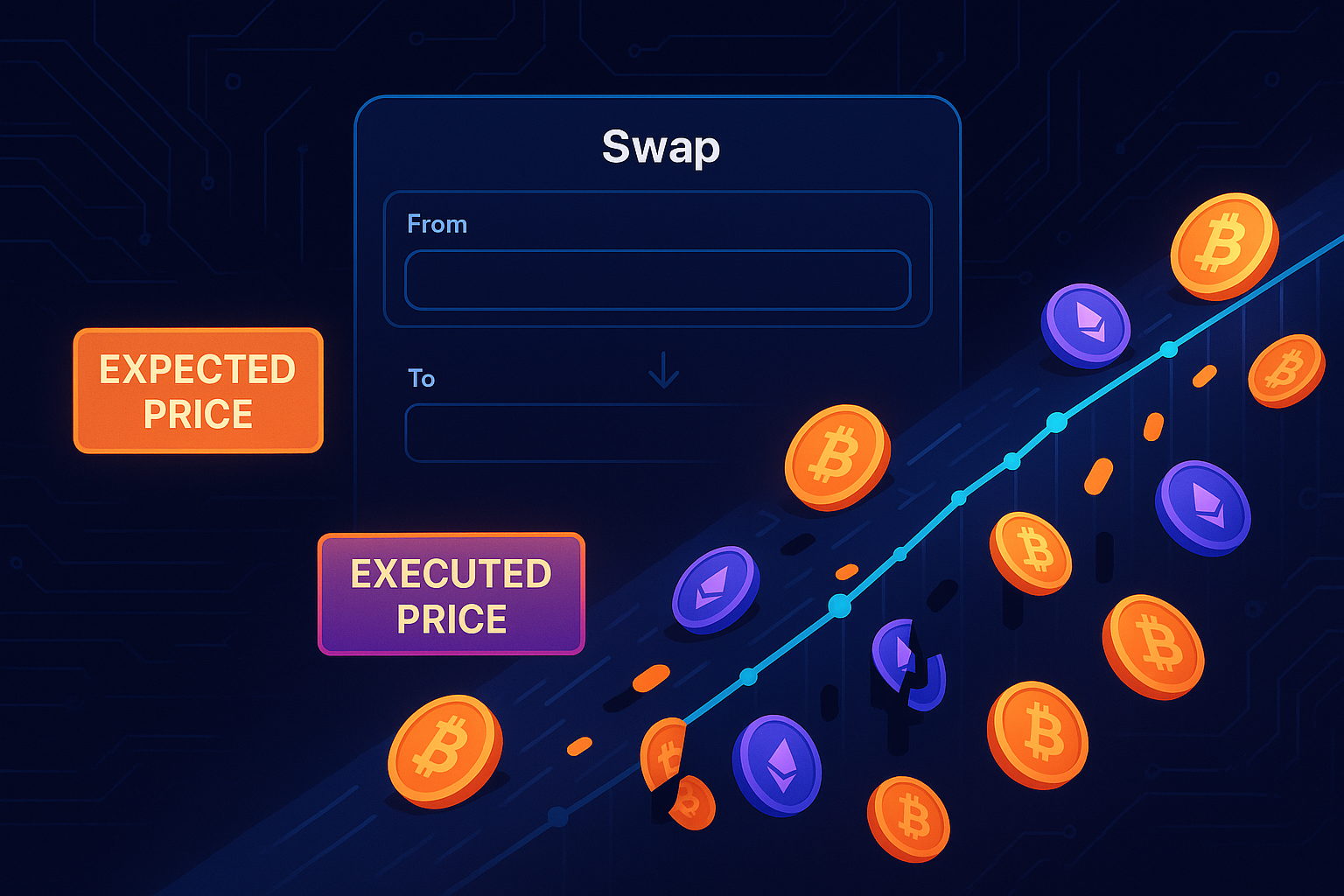
If you are swapping large amounts or using a lower liquidity route, you may experience slippage. This is when the rate you actually receive differs from the rate that was quoted, especially in fast-moving markets.
To mitigate this, pay attention to:
- The max slippage setting (if provided).
- Minimum amount you will accept in the swap.
- Depth of liquidity on the underlying paths used by the service.
3. Network Fees
On Ethereum, gas fees can spike during congestion. These fees affect the cost of sending ETH to the swap provider and sometimes the cost of internal routing transactions. While ETC fees are generally lower, you should still account for:
- Gas to send ETH from your wallet to the service.
- Any service fees built into the swap rate.
- Gas to move ETC from your receiving address if needed later.
4. Counterparty and Smart Contract Risks
Even with non-custodial designs, you still interact with smart contracts or liquidity providers. Potential risks include:
- Smart contract bugs that could lock or misdirect funds.
- Service downtime or technical issues delaying the swap.
- Misconfigured receiving addresses leading to permanent loss.
Always test with a small amount first and double-check all details before sending a large transaction.
5. Regulatory and Compliance Considerations
Depending on your jurisdiction, swapping between crypto assets may have tax or reporting implications. For example:
- Swapping ETH for ETC can be a taxable event in many countries.
- You might need to track cost basis and realized gains or losses.
- Record keeping becomes important for later filings.
Consult a qualified tax professional for guidance that fits your local rules.
Step-by-Step Guide: How to Perform an ETH to ETC Swap
The exact process can vary by platform, but the general workflow is similar across most non-custodial swap services. Below is a typical step-by-step outline you can follow.
Step 1: Prepare Your Wallets
- Choose a compatible wallet that supports ETH and, ideally, ETC as well. Popular options include MetaMask, hardware wallets, and multi-chain mobile wallets.
- Verify you control the ETC receiving address. Some wallets let you add the Ethereum Classic network and re-use the same seed phrase, but addresses differ per chain. Ensure you are generating an address on the correct network.
- Check your ETH balance to ensure you have enough for:
- The swap amount.
- Network gas fees.
Step 2: Select a Non-Custodial Swap Platform
Look for a platform that lets you perform an ETH to ETC exchange directly from your wallet without creating an account. Evaluate factors like:
- Transparent exchange rates and fees.
- Clear UX and visible status tracking.
- Reputation in the community and real user feedback.
Using a private exchange with non-custodial design helps minimize the need to trust third parties with your funds or personal information.
Step 3: Enter Swap Details
- Select the trading pair: Choose ETH as the asset you send, and ETC as the asset you want to receive.
- Enter the amount of ETH you want to convert. The platform should show an estimated amount of ETC you will receive based on current rates.
- Paste your ETC receiving address very carefully. Double-check:
- That it is an ETC address not an ETH-only address.
- There are no typos or extra spaces.
- It belongs to a wallet where you control the private keys.
Step 4: Review the Quote and Fees
Before confirming:
- Review the exchange rate and ensure it is reasonable compared to market prices.
- Check any explicit service fee or spread included in the quote.
- Look at the minimum receive amount to confirm you are comfortable with the slippage tolerance.
- Note any time limit on the quote. Many services lock the rate for a short window (for example 10 or 20 minutes).
Step 5: Send ETH from Your Wallet
- The service will show a deposit address or prompt your wallet to sign a transaction.
- Send the exact amount of ETH specified. Sending less or more than requested can cause delays or require manual intervention.
- Set an appropriate gas fee so the transaction confirms within the quote window. Most modern wallets estimate this for you.
- Confirm the transaction and wait for it to be mined on the Ethereum network.
Step 6: Wait for the Swap to Complete
Once your ETH transaction is confirmed:
- The platform detects the incoming ETH.
- It executes the internal swap operation.
- ETC is sent to the address you provided.
You can typically track the progress using:
- A status page on the swap service.
- Block explorers for both Ethereum and Ethereum Classic.
Step 7: Verify ETC in Your Wallet
After the service broadcasts the ETC transfer:
- Open your wallet and make sure the Ethereum Classic network is enabled or added.
- Check the ETC balance to confirm receipt.
- Use an ETC block explorer to double-check the transaction hash and confirm that the amount matches your expectations.
At this point, your ETH to ETC swap is complete, and you can hold, stake, or use ETC as you prefer.
Practical Tips for Safer and More Efficient ETH to ETC Swaps
1. Start with a Small Test Swap
Especially if you are using a platform for the first time, consider sending a small amount of ETH to confirm:
- The ETC address is correct and accessible.
- The platform processes the swap as advertised.
- You are comfortable with the UX and time to completion.
2. Double-Check Networks and Addresses
ETH and ETC use different underlying networks even though their original roots are shared. Avoid mistakes by:
- Confirming that your receiving wallet is set to the Ethereum Classic network.
- Copying and pasting addresses instead of typing them.
- Comparing the first and last few characters of the address before sending.
3. Monitor Gas Prices and Network Conditions
If gas prices on Ethereum are very high, your overall cost of swapping might not make sense for small amounts. Before initiating a swap:
- Check a gas tracker to see current and projected fees.
- Consider waiting for a less congested period if fees are extreme.
- Adjust gas settings in your wallet to balance speed and cost.
4. Keep Records for Tax and Accounting
Document each swap with:
- Date and time of the transaction.
- Amount of ETH sent and ETC received.
- Fiat value at the time of the swap if available.
- Transaction hashes for both networks.
This data will save time later when preparing tax reports or reviewing your investment history.
5. Review Platform Reputation and Security Practices
Before you trust any swap platform with substantial value:
- Look for mentions and reviews in reputable crypto communities.
- Check whether it is non-custodial and how it manages liquidity and routing.
- Read documentation or FAQs to understand how disputes or failures are handled.
Conclusion: Is an ETH to ETC Swap Right for You?
Swapping ETH to ETC can be a useful move if you want greater exposure to Ethereum Classic, support its philosophy, or diversify across different L1 ecosystems. With modern non-custodial tools, you can perform an eth to etc swap securely, privately, and without surrendering control of your keys.
As with any crypto transaction, success depends on preparation. Take the time to understand the assets, confirm addresses, evaluate fees and rates, and start with smaller amounts until you are comfortable. When you are ready, a reliable ETH to ETC non-custodial swap service can make the entire process straightforward and efficient.
Always align your swaps with your broader investment thesis, risk tolerance, and regulatory obligations so that each trade advances your long-term goals rather than reacting to short-term market noise.