How to Make an ETC to ETH Swap Safely and Efficiently
Introduction
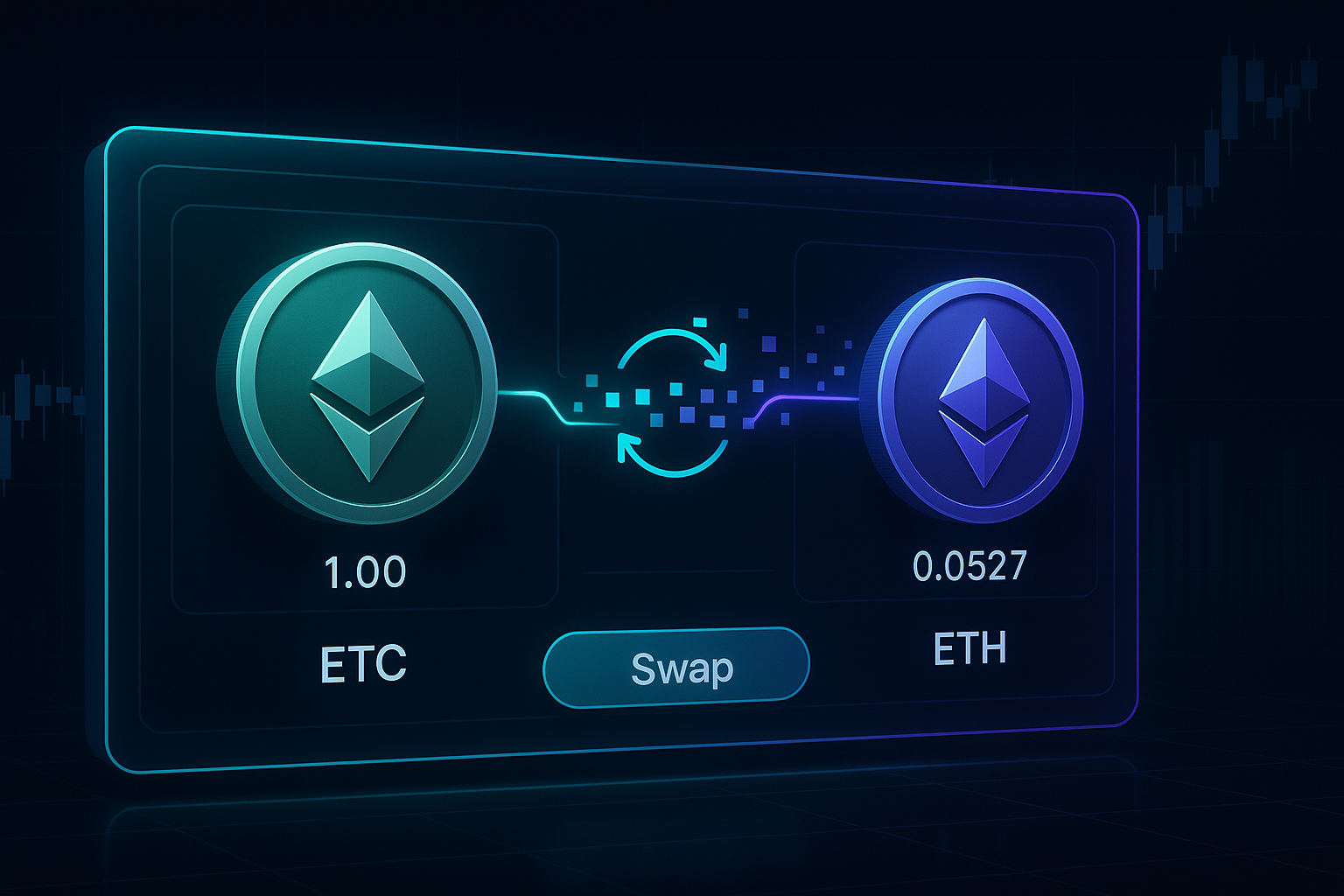
Ethereum Classic (ETC) and Ethereum (ETH) are two closely related but fundamentally different blockchains. Many investors eventually find they want to move value from ETC into ETH, whether to access DeFi, NFTs, or broader ecosystem tools. That is where an ETC to ETH swap comes in: exchanging your ETC coins for ETH in a secure, cost effective way.
Today you do not need centralized exchanges or long KYC processes to perform this trade. You can use a non custodial, privacy focused service to run an etc to eth swap directly from your own wallet, often in minutes.
This guide walks through why people switch from ETC to ETH, what to watch out for, and a clear step by step process you can follow. It is written for everyday crypto users who want a practical, SEO friendly explanation without hype or confusion.
Why ETC to ETH Swaps Matter
Different visions, different ecosystems
ETC and ETH share a common origin but diverged after the DAO hack in 2016, resulting in a fork.
- Ethereum Classic (ETC) kept the original chain, with a strong focus on immutability and a fixed monetary policy similar to Bitcoin.
- Ethereum (ETH) continued as the more experimental and fast moving chain, now operating under proof of stake with a massive DeFi and NFT ecosystem.
Because of this split, each chain developed its own community, apps, and economic properties. Holding ETC is not the same as holding ETH, either in terms of technology or opportunities.
Access to DeFi, NFTs, and broader utility
Most of the cutting edge crypto activity happens on Ethereum or its layer 2 networks:
- Decentralized exchanges (DEXs) like Uniswap
- Lending protocols and yield platforms
- NFT marketplaces and gaming projects
- Stablecoin liquidity and on chain derivatives
If your capital is locked in ETC, you might feel limited. Performing an ETC to ETH swap lets you:
- Enter DeFi strategies that only support ETH and ERC 20 tokens
- Pay gas on Ethereum and its L2s
- Participate in Web3 apps that do not exist on Ethereum Classic
Portfolio rotation and risk management
Traders also move between ETC and ETH during different market cycles:
- Rotating from ETC to ETH if they expect stronger growth or lower volatility in ETH
- Reducing exposure to a smaller market cap asset
- Consolidating holdings into one main ecosystem to simplify management
All of this makes a clean, secure swapping process important for both long term holders and active traders.
Key Benefits of an ETC to ETH Swap
1. Direct access to Ethereum’s ecosystem
Once you convert ETC to ETH, you can:
- Provide liquidity or farm yield in DeFi
- Mint or trade NFTs on leading marketplaces
- Bridge ETH to layer 2 networks like Arbitrum, Optimism, or Base
- Use ETH as collateral across different protocols
ETC is valuable, but Ethereum has far more integrations, tools, and developer activity.
2. Improved liquidity and market depth
ETH typically offers:
- Higher daily trading volume
- Deeper order books on most centralized and decentralized exchanges
- Tighter spreads for large trades
Swapping to ETH can make it easier to enter and exit positions quickly with less slippage, especially if you are moving a meaningful amount of capital.
3. Non custodial, private swaps
Historically, converting ETC to ETH often meant sending coins to a centralized exchange, waiting for confirmations, trading on an order book, then withdrawing ETH. This creates:
- Custodial risk
- Potential account freezes or withdrawal delays
- Mandatory KYC in many jurisdictions
Today, you can use non custodial services that let you swap crypto instantly from your own wallet. These platforms typically:
- Do not take long term custody of your funds
- Use one time deposit addresses and on chain settlement
- Allow direct wallet to wallet swaps without full exchange accounts
Risks and Drawbacks You Should Understand
Even though an ETC to ETH swap is straightforward, you must understand the tradeoffs.
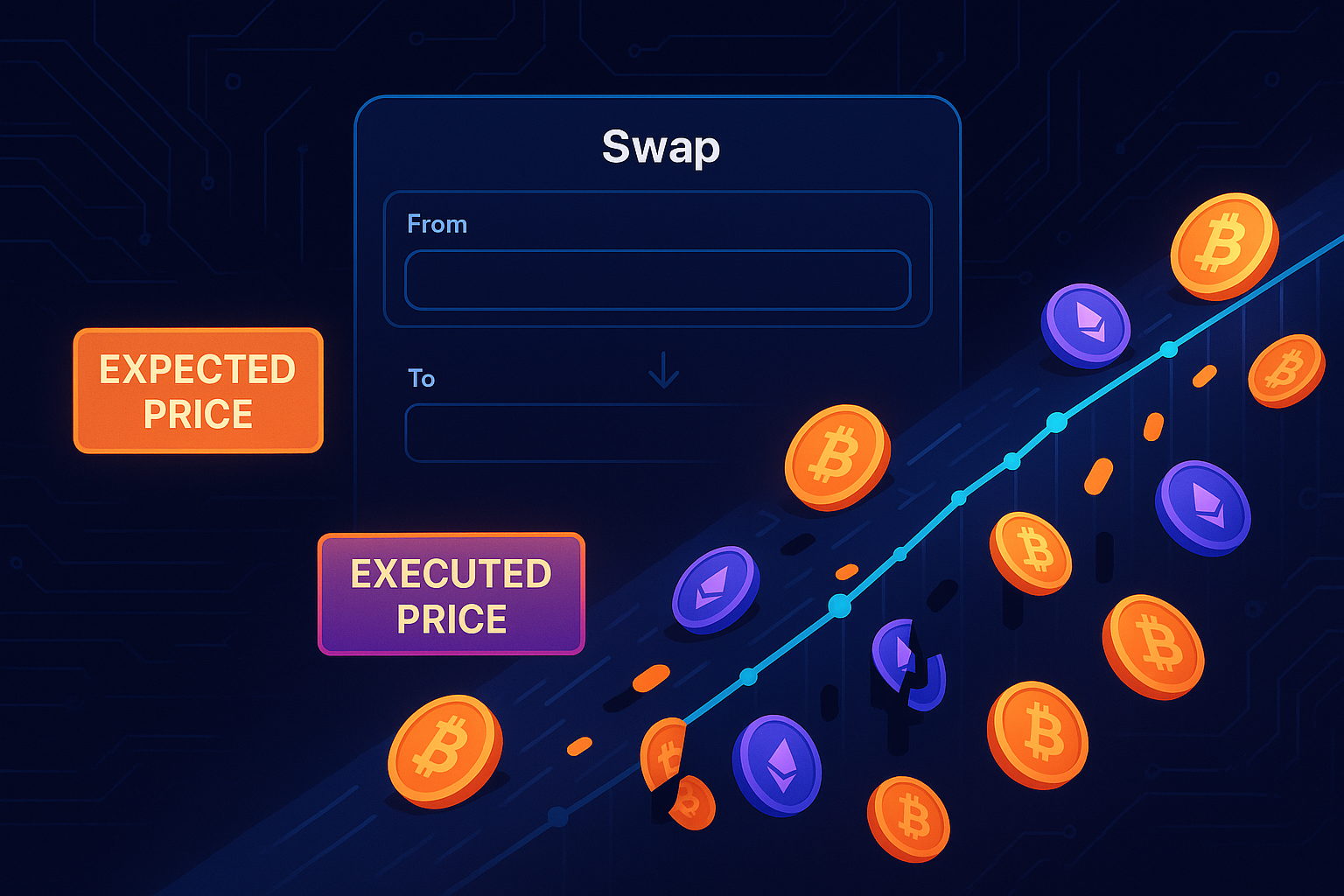
1. Price volatility and slippage
Crypto markets move fast. Between the moment you initiate a swap and when it completes:
- ETC or ETH price can change noticeably
- You might receive slightly more or less ETH than expected
Mitigation tips:
- Check if the service offers fixed rate or floating rate swaps
- Study the quoted rate and any slippage warnings before confirming
- Avoid large trades during extreme volatility or major news events
2. Network fees and congestion
Both Ethereum and Ethereum Classic charge transaction fees. During high demand:
- Ethereum gas fees can spike, making small swaps less economical
- Transactions may take longer to confirm
You can:
- Check current gas prices before swapping
- Avoid peak times if possible
- Consider batching larger swaps instead of many tiny ones
3. Counterparty and platform risk
Not all swap services are equal. Main risks include:
- Poor security practices or smart contract vulnerabilities
- Hidden fees or unfavorable rates
- Slow or unresponsive customer support
Risk reduction steps:
- Use reputable, non custodial platforms with on chain settlement
- Start with a small test amount before swapping your full balance
- Verify URLs and avoid links from unsolicited messages
4. Irreversible transactions
On blockchains, transactions are usually final. If you:
- Send ETC to the wrong address
- Choose an incompatible ETH wallet address
- Ignore the memo or destination tag when required (for other coins)
then recovery is unlikely. Double checking details is critical.
Step by Step Guide: How to Perform an ETC to ETH Swap
The exact interface varies by platform, but the core process is similar. Below is a general workflow you can adapt to any trustworthy private exchange that supports ETC and ETH.
Step 1: Prepare your wallets
You will need:
- An ETC wallet that holds the Ethereum Classic you want to swap.
- An ETH wallet that supports Ethereum mainnet (for example, MetaMask, a hardware wallet, or a trusted mobile wallet).
Basic checks:
- Make sure you control the private keys or seed phrase to both wallets.
- Verify you can send a small test transaction on each chain.
Step 2: Choose a non custodial swap service
Look for a platform that:
- Supports direct ETC to ETH swaps
- Is non custodial and does not require you to hold balances on a centralized account
- Displays transparent exchange rates and fees
- Provides clear instructions and status updates during the swap
Research you can do:
- Read recent user reviews or community feedback
- Check for a history of running swaps without major incidents
- Test the site on a small amount first
Step 3: Configure the swap details
On the swap interface you will typically:
- Select ETC as the coin you are sending.
- Select ETH as the coin you are receiving.
- Enter the amount of ETC you want to convert into ETH.
- Paste your receiving ETH wallet address.
Carefully verify:
- The ETH address is on the correct network (Ethereum mainnet, not a layer 2 unless explicitly supported).
- The amount of ETC you are sending is correct and fits your risk tolerance.
Step 4: Review the quoted rate and fees
Before confirming, examine:
- Estimated ETH output you will receive for your ETC
- Network fees on both chains, if disclosed
- Whether the rate is fixed (locked for a short period) or floating (market based)
If the platform offers a fixed rate they usually lock it for a limited time window and give you a countdown to send your ETC.
Step 5: Send ETC to the deposit address
After confirming, the platform will display an ETC deposit address.
From your ETC wallet:
- Copy the deposit address exactly.
- Initiate a transfer of the agreed ETC amount to that address.
- Set a reasonable fee so the transaction confirms within the specified time.
Then, monitor the transaction:
- Most platforms show real time status updates after detecting your deposit.
- They will usually require a certain number of ETC confirmations before processing the swap.
Step 6: Wait for processing and ETH payout
Once the service confirms your ETC deposit:
- It executes the swap on its backend or via liquidity providers.
- Then it sends the resulting ETH to the address you provided.
Timeline expectations:
- ETC confirmations can take several minutes depending on network conditions.
- ETH payout also waits for blockchain confirmation.
You should generally see:
- An on site status indicator moving through stages (waiting, exchanging, sending out).
- Final confirmation that your ETH has been sent, along with a transaction hash.
Step 7: Verify the ETH in your wallet
Open your Ethereum wallet and:
- Confirm that the ETH balance has increased by the expected amount.
- Use a block explorer like Etherscan to view the incoming transaction and verify its status.
Once you see the ETH received and confirmed, the ETC to ETH swap is complete. You can now move on to using ETH in DeFi, NFTs, or any other Ethereum based activity.
Practical Tips for a Smooth ETC to ETH Swap
1. Start with a small test swap
If you are using a service for the first time:
- Begin with a modest amount of ETC.
- Confirm that the ETH arrives as expected.
- Only then scale up to larger amounts.
This reduces the risk of errors, especially if you are new to non custodial swaps.
2. Double check every address
Always:
- Copy paste addresses rather than typing them manually.
- Compare the first and last characters to ensure there is no mismatch.
- Beware of clipboard malware that can silently alter addresses.
If available, use address book or saved contacts features in your wallet to reduce repeated copying.
3. Watch the market context
Timing matters:
- Avoid major events like hard forks, large protocol upgrades, or regulatory announcements when volatility and network congestion can spike.
- Check recent ETC and ETH price charts to understand short term volatility.
- Use limit like or fixed rate options if the platform provides them to lock in a known rate.
4. Mind your security hygiene
To protect your funds:
- Never share your seed phrase or private keys with any website or support agent.
- Use hardware wallets where possible when interacting with Web3.
- Access swap services from your own bookmarks, not random links in emails or social media.
- Consider using a fresh receiving address for each swap to improve privacy.
5. Track fees and tax implications
Depending on your jurisdiction:
- Swapping ETC for ETH might be a taxable event, similar to selling one asset for another.
- Recording the swap date, amount, and value in your base currency can make tax reporting easier.
Fee awareness:
- Add up network fees and service spreads to understand your actual cost.
- For small amounts, verify that fees do not consume too much of the value.
Conclusion: Is an ETC to ETH Swap Right for You?
An ETC to ETH swap can be a smart move if you want deeper liquidity, broader ecosystem access, and better integration with DeFi, NFTs, and Web3 applications. By using a non custodial, privacy focused service for your non-custodial swap, you keep control of your keys while converting between chains efficiently.
Before you act, consider:
- Your conviction in the long term prospects of ETC versus ETH
- Your need for Ethereum based tools and applications
- The risks around volatility, fees, and platform selection
If you follow the step by step process, double check addresses, start small, and maintain strong security practices, swapping ETC to ETH can be a straightforward part of managing your crypto portfolio rather than a stressful gamble.