DOGE to ETH Swap: How to Exchange Dogecoin for Ethereum Quickly and Safely
Introduction
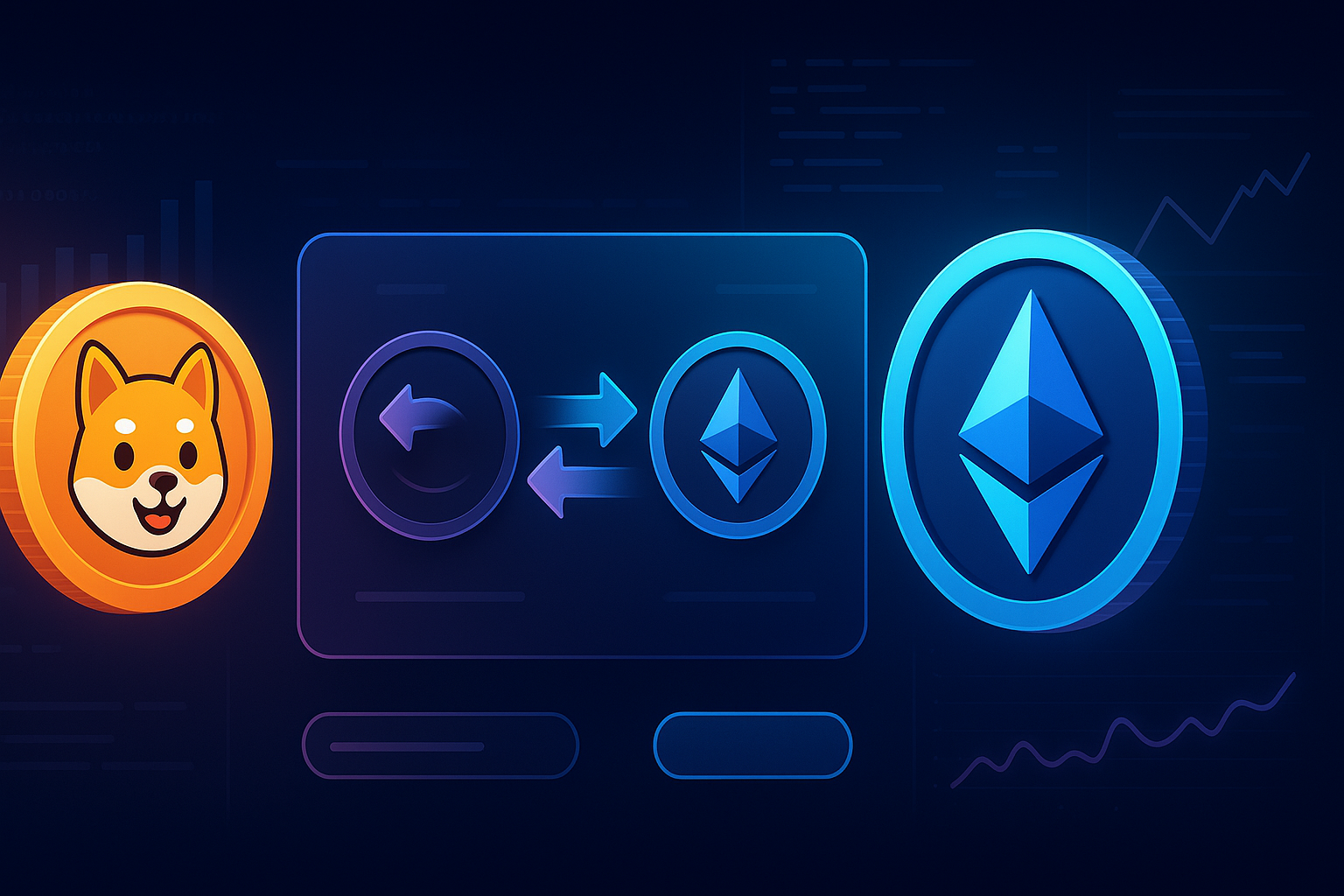
Dogecoin and Ethereum are two of the most popular cryptocurrencies on the market, but they serve very different purposes. Dogecoin (DOGE) is widely known as a meme coin and a community-driven tipping currency, while Ethereum (ETH) is the backbone of an entire smart contract ecosystem, powering DeFi, NFTs, and thousands of dApps. As more users move from speculation to utility, the doge to eth swap has become a common and important step in many portfolios.
Today, you do not need to go through complicated trading interfaces or centralized exchanges to convert DOGE to ETH. With modern, non-custodial services, you can move from Dogecoin into Ethereum directly and securely. For example, you can use a doge to eth swap service that helps you exchange coins privately and instantly without giving up custody of your funds.
This guide walks through why swapping DOGE to ETH matters, the benefits and risks, and a clear step-by-step process for doing it efficiently. Whether you are reallocating your portfolio, funding an NFT purchase, or entering DeFi, understanding how to swap DOGE for ETH will help you avoid common mistakes and save on both time and fees.
Why Swapping DOGE to ETH Matters
Although both are cryptocurrencies, DOGE and ETH play very different roles in the crypto ecosystem. That difference is the core reason many investors decide to convert one into the other.
1. Access to the Ethereum Ecosystem
ETH is not just a token. It is the native asset of the Ethereum network and the fuel that powers:
- Decentralized exchanges (DEXs)
- Lending and borrowing protocols
- Yield farming and liquidity pools
- NFT marketplaces and gaming projects
- DAO governance and on-chain voting
If your portfolio is heavy in DOGE but you want to participate in these activities, you need to swap some of that DOGE into ETH. Without ETH, you cannot pay gas fees on Ethereum or interact deeply with its apps.
2. Portfolio Diversification and Risk Management
Dogecoin is highly speculative and driven largely by market sentiment and social media. Ethereum, although still volatile, has more established use cases and developer activity. Moving part of your holdings from DOGE into ETH can help you:
- Diversify away from a pure meme-coin exposure
- Gain access to more fundamental, utility-driven value
- Align your portfolio more closely with long-term crypto infrastructure
3. Preparing for On-Chain Opportunities
Many users hold DOGE on centralized exchanges or wallets mainly for price speculation. When new opportunities arise on Ethereum, such as a promising DeFi protocol or NFT mint, they often need to shift value quickly into ETH. Knowing how to perform a doge to eth swap efficiently lets you respond faster to market opportunities.
Key Benefits of Swapping DOGE to ETH
When you convert DOGE to ETH using modern, non-custodial tools, you can unlock several advantages compared with traditional centralized exchanges.
1. Direct Access to DeFi and dApps
Once you hold ETH in a wallet like MetaMask, Ledger, or another Web3-compatible wallet, you can:
- Connect directly to decentralized exchanges such as Uniswap or other DEXs
- Provide liquidity and earn fees or rewards
- Lend ETH or borrow against it
- Purchase NFTs or participate in token sales
DOGE, on the other hand, has limited integration with DeFi relative to ETH. Converting to ETH is often the gateway to a much broader universe of possibilities.
2. Flexibility Across Networks and Tokens
ETH also serves as a bridge asset. Once you have Ethereum, you can more easily:
- Swap into stablecoins like USDC or DAI
- Move assets to layer 2 solutions that support Ethereum
- Interact with cross-chain bridges if you want exposure to other blockchains
This flexibility is valuable if you regularly rotate between different investment strategies or protocols.
3. Non-Custodial Control
If you use a non-custodial swap service instead of a centralized exchange, you keep control of your private keys. You send DOGE directly from your wallet and receive ETH directly into your Ethereum address, without parking your assets on a third-party account.
This approach reduces counterparty risk and makes it easier to maintain privacy and security, provided you keep your wallet keys secure.
Risks and Drawbacks of a DOGE to ETH Swap
Every crypto transaction carries some risk. Understanding these drawbacks will help you choose the safest method and timing for your swap.
1. Price Volatility
Both DOGE and ETH are volatile. During the actual swap, prices can move quickly, which can impact how much ETH you receive. Consider:
- Checking the current market rate on multiple sources
- Avoiding highly volatile periods when possible
- Understanding whether your swap provider locks in a rate for a certain time window
2. Network Fees
Each network charges its own transaction fees:
- Doge network fees for sending DOGE from your wallet
- Ethereum gas fees for receiving ETH or for subsequent transactions on Ethereum
These costs vary with network congestion. Always factor fees into your decision, especially for smaller swap amounts where fees can significantly reduce the final value.
3. Counterparty and Technical Risk
Although non-custodial tools reduce many custodial risks, you still need to trust that:
- The swap engine executes as advertised
- Smart contracts, if used, are well audited
- You enter the correct deposit and receiving addresses
A simple mistake, such as sending DOGE to the wrong address, is usually irreversible. Always double-check all details before confirming.
4. Regulatory and Tax Considerations
In many jurisdictions, converting one crypto asset into another is a taxable event. A doge to eth swap may trigger capital gains or losses depending on your purchase price and the current value at the time of the swap. It is important to:
- Keep accurate records of transaction amounts, dates, and rates
- Consult local tax guidelines or a professional if you are unsure
Step-by-Step Guide: How to Swap DOGE to ETH
This section outlines a typical process for converting DOGE into ETH using a non-custodial, instant swap service. Exact steps can vary depending on the platform, but the overall flow is similar.
Step 1: Prepare Your Wallets
- Dogecoin wallet: Make sure your DOGE is available in a wallet that lets you send to an external address. This can be a mobile wallet, desktop client, hardware wallet, or a supported exchange account.
- Ethereum wallet: Set up an ETH-compatible wallet such as MetaMask, Trust Wallet, a hardware wallet, or another Web3 wallet, and confirm you have your Ethereum address ready.
Always back up your seed phrase securely before moving any significant amount of funds.
Step 2: Choose a Swap Service
Select a reputable platform that supports Dogecoin to Ethereum conversions. A specialized private exchange for DOGE to ETH lets you swap crypto instantly without creating full exchange accounts or going through complex interfaces.
When evaluating a service, consider:
- Supported pairs and liquidity
- Displayed exchange rates and any added spread
- Network fee estimates and transparency
- Reputation, uptime, and user feedback
Step 3: Enter the Swap Details
- Select DOGE as the asset you are sending and ETH as the asset you will receive.
- Input the amount of DOGE you want to convert.
- Paste your Ethereum receiving address carefully. Double-check every character or use the QR code function if available.
- Review the quoted rate, the minimum and maximum allowed amounts, and estimated time for completion.
Step 4: Confirm and Send DOGE
Once the details look correct:
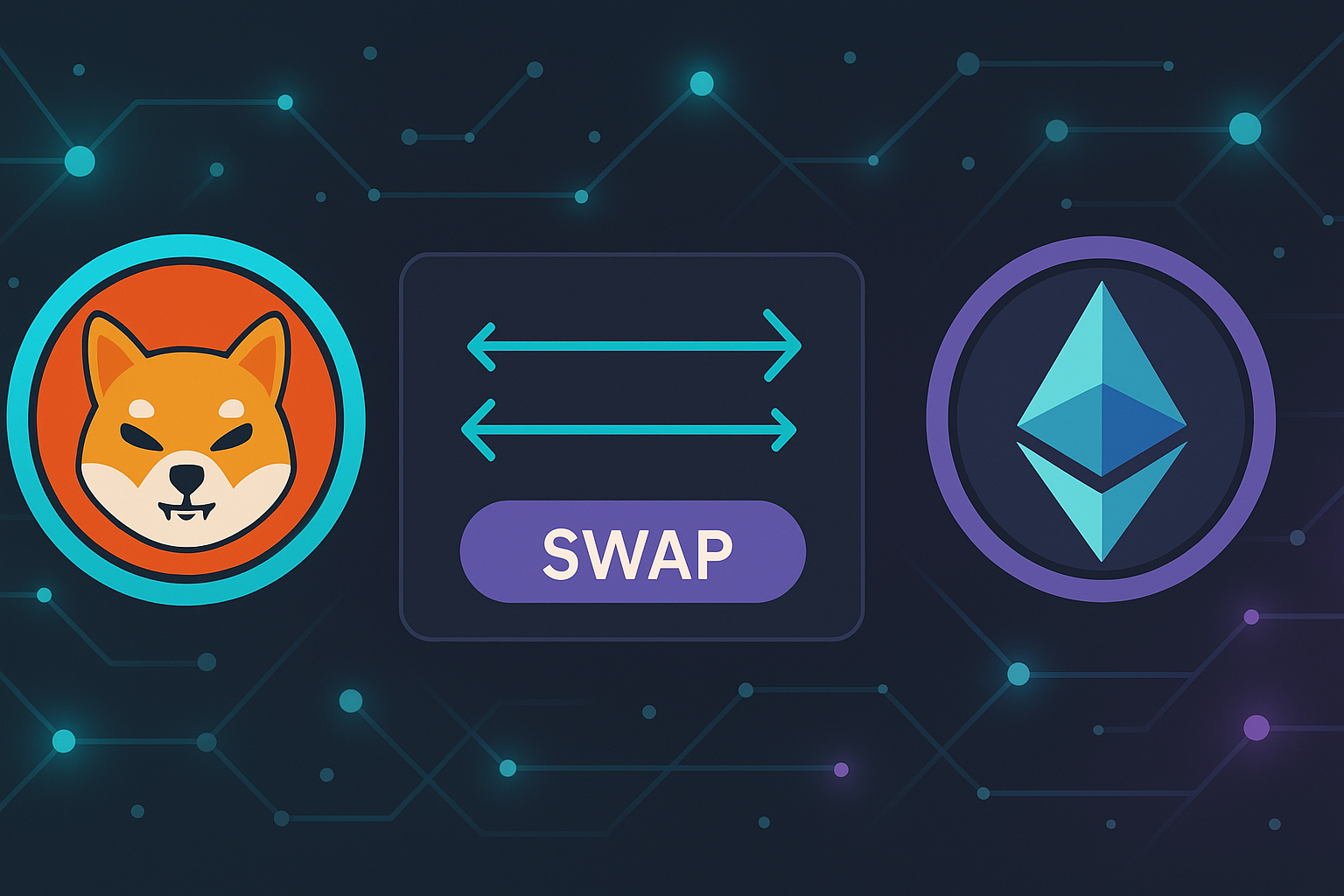
- Confirm the swap request on the service.
- The service will generate a unique DOGE deposit address for this swap.
- From your Dogecoin wallet, send the exact amount of DOGE to this address.
- Wait for DOGE network confirmations, which can take a few minutes depending on conditions.
Step 5: Receive ETH in Your Wallet
After the swap service detects your DOGE deposit and the required confirmations, it will execute the trade internally and send the resulting ETH to your specified address. You can monitor:
- The swap status on the platform
- Your Ethereum wallet balance for the arrival of ETH
- Blockchain explorers for DOGE and ETH to verify transactions
Once the ETH arrives, your doge to eth swap is complete, and you can start using your ETH for DeFi, NFTs, or other on-chain activities.
Practical Tips for a Smooth DOGE to ETH Swap
To minimize problems and improve your experience, keep these practical guidelines in mind.
1. Start With a Small Test Amount
If it is your first time using a particular wallet or swap service, send a small amount of DOGE first. Confirm that the process works as expected and that you receive ETH at the correct address before sending a larger amount.
2. Double-Check Addresses
Address mistakes are one of the most common causes of lost funds. To avoid this:
- Copy and paste addresses rather than typing them
- Check the first and last several characters of the address
- Use QR codes where possible, but verify they match your intended address
3. Watch Network Conditions and Fees
Ethereum gas fees can spike during busy periods. If you are not in a rush, consider waiting for quieter times when the network is less congested. Many explorers and wallet apps show current gas fee estimates and historical charts, which can help you choose a cheaper window.
4. Understand Rate Types
Different platforms may offer:
- Fixed rates: The service locks in a rate for a limited time window. This can protect you from sudden swings but may include a higher spread.
- Floating rates: The amount of ETH you receive is based on the market rate at the time the swap is executed. You might get a slightly better or worse rate depending on price movements.
Make sure you understand which type you are using before sending DOGE.
5. Keep Records for Taxes
Record key details such as:
- Date and time of the swap
- Amount of DOGE sent and ETH received
- Fiat value at the time of the transaction, if available
- Transaction IDs for both DOGE and ETH networks
Good recordkeeping makes tax reporting easier and helps you track your overall portfolio performance.
6. Maintain Wallet Security
The security of your doge to eth swap is only as strong as the security of your wallets. Protect yourself by:
- Storing seed phrases offline and never sharing them
- Using hardware wallets for larger balances
- Keeping software wallets and browsers up to date
- Being cautious with browser extensions and websites you connect to
Conclusion
Swapping DOGE to ETH is a practical move for many crypto users who want to shift from meme-driven speculation to utility-focused participation in the Ethereum ecosystem. Whether you are planning to explore DeFi, buy NFTs, or rebalance your portfolio, understanding how to perform a secure and efficient doge to eth swap is essential.
By using a reliable, non-custodial doge to eth converter, preparing your wallets carefully, and following best practices around fees, timing, and security, you can move between DOGE and ETH with confidence. As always, take time to research, manage your risk, and keep full control over your private keys while you navigate the evolving crypto landscape.
Ready to Swap?
Convert your crypto instantly on GhostSwap — no KYC, no sign-up required.
Popular swaps: BTC to XMR | BTC to ETH | XMR to BTC | ETH to XMR | BTC to SOL