Dash to BTC Swap: A Complete, SEO-Friendly Guide for 2024
Introduction
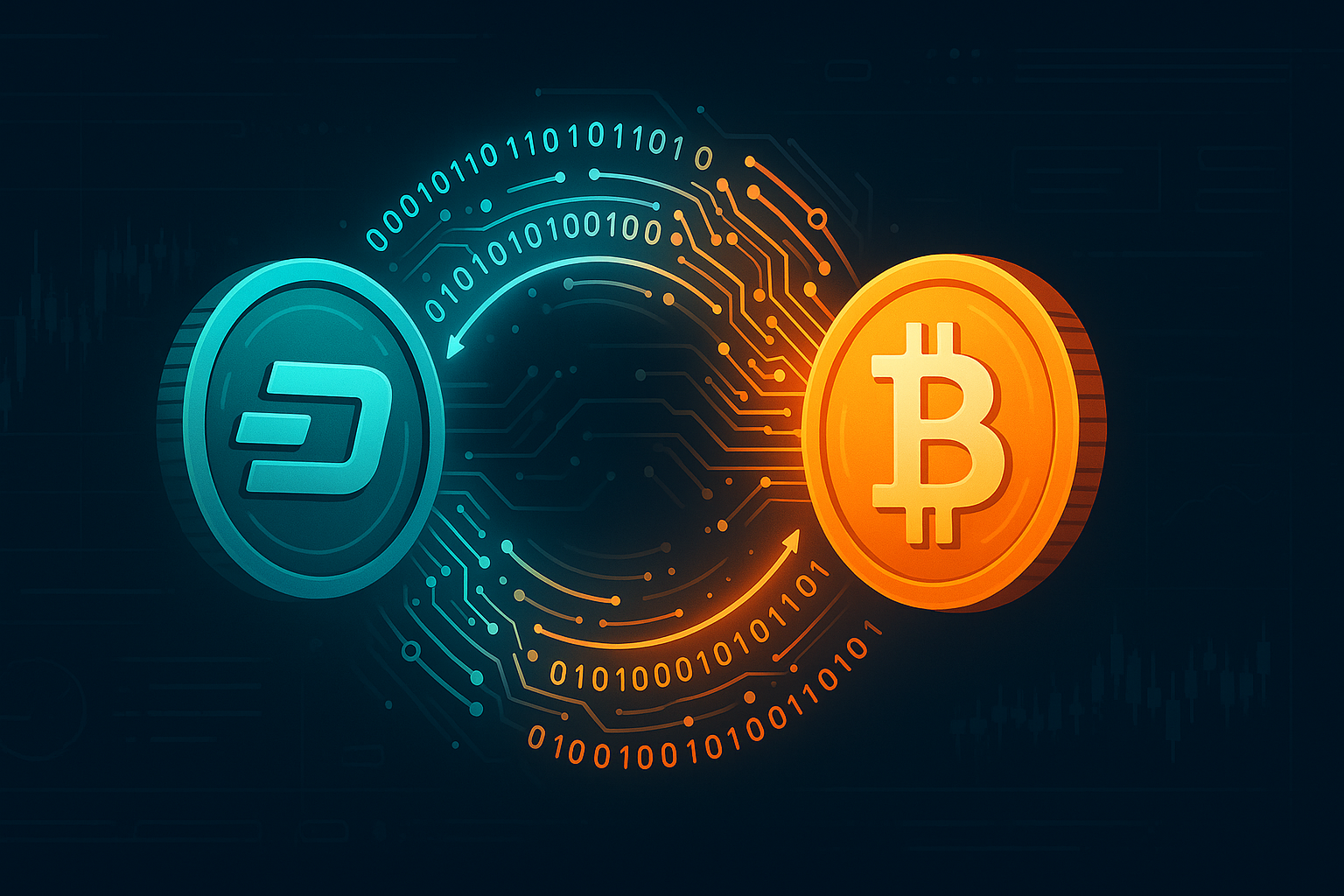
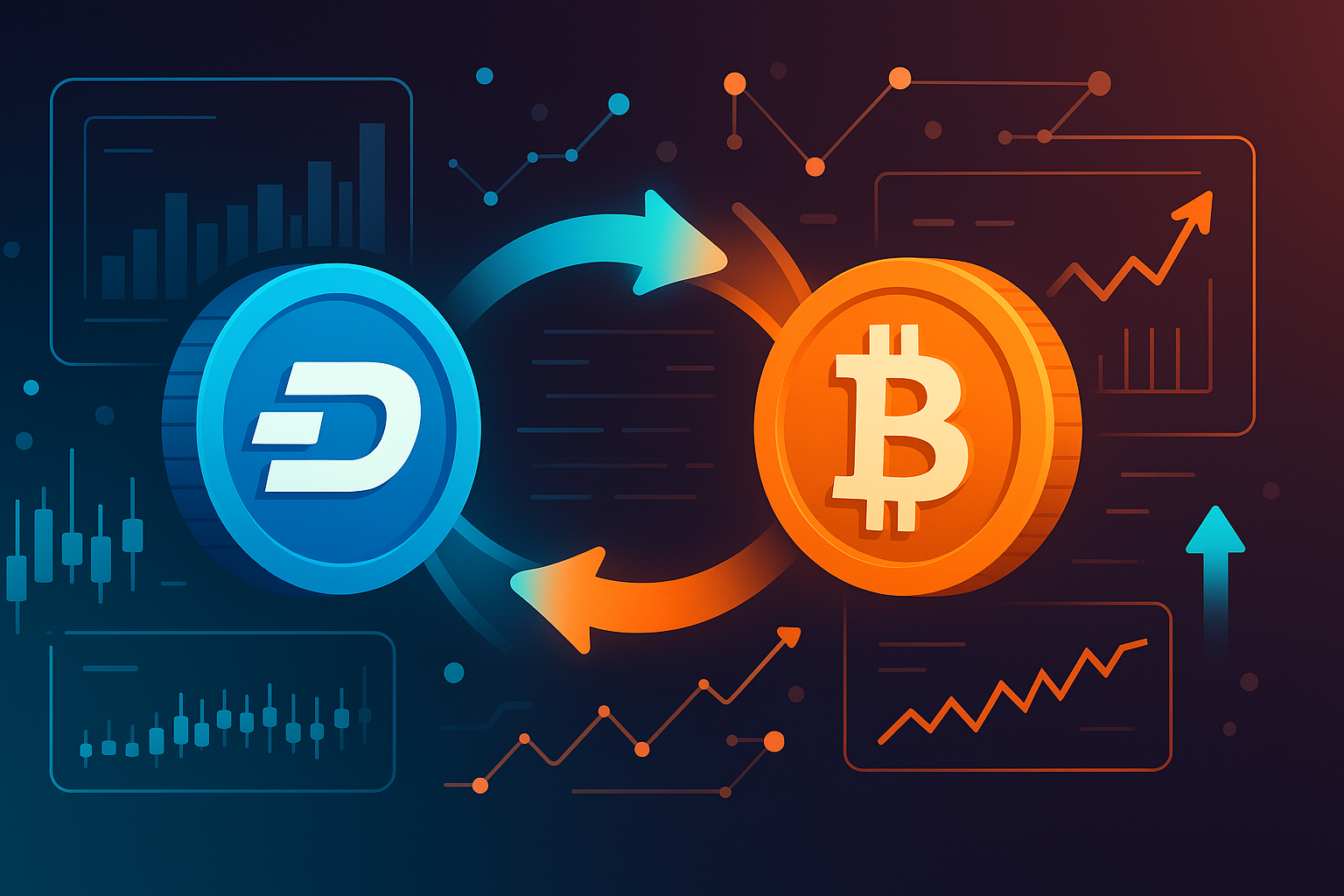
Converting Dash to Bitcoin has become a routine move for many crypto users, whether they are traders, long-term holders, or privacy-focused investors. A dash to btc swap lets you take advantage of Bitcoin’s liquidity and brand recognition while still benefiting from Dash’s fast, low-fee transactions when you need them.
In 2024, you no longer have to send your coins to a centralized exchange, wait for approvals, and then manually trade on an order book. You can swap crypto instantly using non-custodial services that put you in control of your own keys from start to finish.
This guide explains why Dash to BTC swaps matter, how they work, the benefits and risks, and walks you through a clear, practical, step-by-step process. Whether you are new to crypto or a seasoned user optimizing your strategy, you will find actionable tips to make each conversion smooth and cost-effective.
Why Dash to BTC Swaps Matter
Positioning Within the Crypto Ecosystem
Dash and Bitcoin occupy different roles in the broader crypto ecosystem:
- Bitcoin (BTC): Often seen as “digital gold,” it is the most recognized and liquid cryptocurrency, widely used as a base asset for trading and long-term holding.
- Dash: Designed for fast and cheap payments, with features catering to everyday transactions and, for some users, additional privacy.
A dash to btc swap lets you move value from a payments-oriented coin into the most widely accepted store-of-value coin. This flexibility is essential if you want to:
- Access more trading pairs and DeFi opportunities that primarily use BTC
- Reduce exposure to altcoin volatility by rotating into Bitcoin during uncertain markets
- Use Dash for quick, low-fee movements, then park the value in BTC for the long term
Regulatory and Custodial Concerns
Centralized exchanges remain under intense regulatory scrutiny across jurisdictions. Many now require strict KYC and monitoring, and sometimes restrict accounts with little warning. Non-custodial swaps that settle directly to your own wallet can reduce:
- Custodial risk (exchanges getting hacked or going insolvent)
- Account freezes or withdrawal delays
- Overexposure of your identity and transaction history
For privacy-conscious users, routing your Dash to BTC via a private exchange that does not hold funds on your behalf can be a more resilient way to manage your assets.
Key Benefits of a Dash to BTC Swap
1. Improved Liquidity and Market Access
Bitcoin is still the most widely traded crypto asset. By swapping Dash to BTC, you gain access to:
- A broad range of BTC pairs on both centralized and decentralized platforms
- Higher overall liquidity, which tends to reduce slippage on large trades
- Products and services that primarily accept BTC as a payment or collateral asset
2. Portfolio Diversification and Risk Management
Altcoins, including Dash, often move more sharply than Bitcoin during market swings. Managing your exposure between Dash and BTC can help:
- Lock in gains from Dash during bullish periods by rotating to BTC
- Reduce downside risk if you expect altcoins to correct harder than Bitcoin
- Balance a payments-focused stack (Dash) with a store-of-value stack (BTC)
3. Faster, Non-Custodial Conversions
Traditional exchanges require:
- Depositing funds
- Waiting for confirmations
- Trading on an order book
- Then withdrawing to your own wallet
A direct, non-custodial dash to btc swap minimizes steps. You typically just:
- Specify how much Dash you want to swap
- Provide your BTC address
- Send Dash and receive BTC directly to your wallet
This is both more efficient and aligns with the core crypto principle of “not your keys, not your coins.”
4. Enhanced Privacy Options
Some users do not want all their transactions tied to a centralized platform’s KYC identity. While no online service can promise perfect anonymity, a non-custodial swap that does not require account registration or hold customer funds may reduce the amount of information exposed to third parties.
Combining Dash’s payments-oriented design with a privacy-aware swap route into Bitcoin can be part of a broader strategy to compartmentalize your financial footprint.
Risks and Drawbacks of Swapping Dash to BTC
1. Price Volatility and Slippage
Crypto markets are highly volatile. Between the time you initiate a swap and the time it completes, market conditions can move against you. Key risks include:
- Rate movement: Dash or BTC may change price quickly, affecting the final amount you receive.
- Slippage: On low-liquidity routes, the actual executed rate can differ from the quoted rate.
Some platforms offer fixed-rate swaps for a limited time window. These can protect you from sudden price moves but may come with a slightly higher spread to compensate for the risk the platform takes.
2. Network Fees and Confirmation Times
Each blockchain has its own fee market and confirmation speed. When doing a Dash to BTC swap you will encounter at least:
- The Dash network fee when sending Dash to the swap service
- The Bitcoin network fee when the service sends BTC to your wallet
In periods of high BTC network congestion, transaction fees can rise significantly, sometimes making small swaps less economical. Always consider the total cost relative to the amount you are swapping.
3. Counterparty Trust and Service Reliability
Even with non-custodial services, you still rely on a counterparty to execute the swap correctly. Potential downsides include:
- Failed or delayed swaps if the provider has technical issues
- Poor customer support in case of errors or edge cases
- Unclear policies around refunds for expired rates or incorrect amounts sent
Use platforms with transparent terms, clear status pages, and verifiable on-chain behavior whenever possible.
4. Regulatory Uncertainty
Regulations around cryptocurrency are evolving. Some jurisdictions place restrictions on certain types of privacy-focused tools or expect detailed reporting of swaps and capital gains. You should:
- Understand your local tax and reporting obligations
- Keep accurate records of swap rates, amounts, and timestamps
- Consult a professional if you have significant volume or complex transactions
Step-by-Step Guide: How to Perform a Dash to BTC Swap
The exact flow can vary slightly by platform, but most non-custodial services follow a similar pattern. Here is a generic walk-through that reflects how modern instant swap platforms, such as Dash to BTC swap tools, usually work.
Step 1: Choose a Reliable Swap Service
Look for the following characteristics:
- Non-custodial design so the service never takes long-term control of your funds
- No mandatory account registration for a simple asset swap
- Transparent fee structure and clear rate quotes
- Public reputation, user reviews, and support channels
Verify you are using the correct, official URL and consider bookmarking it to avoid phishing attempts.
Step 2: Select the Trading Pair (DASH to BTC)
On the swap interface:
- Set the from asset to DASH.
- Set the to asset to BTC.
- Enter the amount of Dash you want to convert, or the amount of BTC you want to receive, depending on which field is supported.
The interface should display:
- The current exchange rate
- Estimated network fees (where applicable)
- Estimated amount of BTC you will receive
Step 3: Select Rate Type (If Available)
Some services offer:
- Floating rate: The final amount is based on the market rate at execution. Potentially better overall but more exposed to volatility.
- Fixed rate: The rate is locked for a short time window. Safeguards you from short-term price moves but may include a higher spread.
Choose the option that matches your risk tolerance and time horizon for executing the swap.
Step 4: Enter Your BTC Receiving Address
You will need an external Bitcoin wallet where you control the private keys. This could be:
- A hardware wallet
- A reputable mobile or desktop wallet
- A Bitcoin-only wallet for maximum simplicity and security
Copy your BTC address carefully and paste it into the swap form. Double-check the address format and, if your wallet supports it, use features like QR scanning to reduce manual errors.
Step 5: Review Details and Confirm the Swap
Before sending any Dash, verify:
- The correct amount of Dash to send
- The displayed estimated BTC you will receive
- Your BTC receiving address
- Any applicable rate lock time window (for fixed-rate swaps)
Once everything looks correct, proceed to generate the Dash deposit address provided by the service.
Step 6: Send Dash to the Provided Address
From your Dash wallet:
- Paste the Dash deposit address given by the swap interface.
- Enter the exact amount specified by the service.
- Confirm and broadcast the transaction.
Pay attention to:
- Exact amount requirements: Some services treat overpaying or underpaying as separate orders or require manual intervention.
- Time limits: For fixed-rate swaps, you must send the funds within a specified timeframe or the rate may expire.
Step 7: Wait for Confirmations and Receive BTC
Once your Dash transaction is broadcast:
- The service waits for a set number of Dash confirmations.
- After sufficient confirmations, it executes the swap on its routing backend.
- It then sends Bitcoin to your specified BTC address.
You can track the status either directly on the swap site, via transaction IDs on block explorers, or within your Bitcoin wallet. The BTC will appear after the transaction is broadcast and has the required number of confirmations on the Bitcoin network.
Practical Tips for Efficient and Secure Dash to BTC Swaps
1. Start with a Small Test Swap
If you are using a new service for the first time or sending from a new wallet address:
- Begin with a small test amount.
- Verify that the process works end-to-end.
- Confirm that you receive BTC at your intended wallet address.
Once comfortable, you can proceed with larger amounts.
2. Monitor Network Conditions
Before executing a large dash to btc swap:
- Check Dash network fees and average confirmation times.
- Check Bitcoin mempool congestion and current fee levels.
Tools like popular block explorers and mempool visualizers give you real-time insight into whether fees are rising or falling. If BTC fees are unusually high, you may want to delay large swaps or bundle them strategically.
3. Secure Your Wallets
Even the best swap flow will not protect you if your own wallet environment is compromised. To strengthen your setup:
- Use hardware wallets or reputable open-source software wallets when possible.
- Store seed phrases offline and never share them with anyone.
- Verify addresses on a hardware wallet screen before confirming transactions.
- Keep your devices free of malware and phishing extensions.
4. Keep Detailed Records
For tracking performance and meeting tax obligations, keep a log of:
- Date and time of each swap
- Amount of Dash sent and BTC received
- USD or local currency value at time of swap (from a reputable price index)
- Transaction IDs on both blockchains
Many portfolio trackers allow you to enter swap transactions manually or via CSV, helping you keep a clean paper trail.
5. Be Wary of Phishing and Fake Platforms
Scammers frequently create fake versions of popular crypto services. To protect yourself:
- Always type the URL manually or use a trusted bookmark.
- Check for HTTPS and correct spelling of the domain.
- Be suspicious of unsolicited messages directing you to “support” sites or alternative links.
- Never share private keys or seed phrases; legitimate services will never ask for them.
Conclusion: Making Dash to BTC Swaps Work for You
A well-timed dash to btc swap can enhance your liquidity, improve your portfolio resilience, and give you more ways to use both Dash and Bitcoin effectively. By choosing a reliable, non-custodial service, double-checking addresses and amounts, and keeping an eye on fees and market conditions, you can convert between these two assets with confidence.
For users who prioritize speed, control, and privacy, using a private, non-custodial Dash to BTC exchange is often more aligned with crypto’s original ethos than relying solely on centralized platforms. Combine that with robust wallet security and accurate record-keeping, and your swaps can become a seamless, low-friction part of your broader crypto strategy.
Ready to Swap?
Convert your crypto instantly on GhostSwap — no KYC, no sign-up required.
Popular swaps: BTC to XMR | BTC to ETH | XMR to BTC | ETH to XMR | BTC to SOL