How to Execute a CRV to ETH Swap Safely and Efficiently
Introduction
Curve DAO Token (CRV) and Ether (ETH) are two of the most traded assets in the DeFi ecosystem. Whether you are realizing profits from yield farming, rebalancing your portfolio, or moving into a more liquid asset, mastering a secure and cost‑efficient crv to eth swap is an essential skill for any crypto user.
Today there are many ways to swap CRV to ETH: centralized exchanges, DeFi aggregators, AMMs, and privacy‑focused, non‑custodial services. For users who value speed and security, using a dedicated swap interface such as
crv to eth swap tools can be an efficient way to convert tokens without giving up custody of your funds.
This guide explains why CRV to ETH swaps matter, explores the main benefits and risks, and walks you step by step through the process. You will also find practical tips to minimize fees, avoid slippage, and stay safe from common DeFi pitfalls.
Why CRV to ETH Swaps Matter
CRV is the governance and incentive token of Curve Finance, a leading decentralized exchange specializing in stablecoin and similar‑asset swaps. ETH, on the other hand, is the native currency of the Ethereum network and one of the most liquid and widely accepted digital assets in the world.
Swapping CRV to ETH plays a key role in several common strategies:
- Realizing rewards: Many DeFi protocols pay rewards in CRV. Converting those rewards into ETH lets you lock in profits in a more established asset.
- Portfolio rebalancing: If CRV has outperformed other tokens in your portfolio, swapping some of it to ETH can help you maintain your target asset allocation.
- Accessing liquidity: ETH pairs are supported on nearly every exchange and DeFi protocol, so holding ETH often gives you more flexibility and liquidity.
- On‑chain usage: Gas fees on Ethereum are payable in ETH, so users who earn CRV may need to swap part of it into ETH simply to continue interacting with smart contracts.
Because both tokens sit at the heart of DeFi, a reliable CRV to ETH swap process helps you move efficiently between governance and utility, speculation and infrastructure.
Key Benefits of Swapping CRV to ETH
1. Greater Market Liquidity
ETH is one of the deepest and most liquid assets in crypto. By converting CRV to ETH, you gain access to:
- More trading pairs on centralized and decentralized exchanges
- Higher daily trading volumes
- Typically tighter spreads and smaller price impact for large orders
This makes ETH a convenient base asset if you want to move into other tokens later or need to exit the market quickly.
2. Flexibility in DeFi and Web3
ETH is the primary gas token on Ethereum, so swapping CRV to ETH gives you the flexibility to:
- Provide liquidity on multiple DEXs
- Use lending and borrowing platforms
- Mint NFTs or interact with NFT marketplaces
- Participate in token launches or new DeFi projects
CRV is extremely valuable within its own ecosystem, but ETH is the “fuel” that opens doors across the entire Ethereum network.
3. Non‑custodial Control and Privacy (When Using DeFi)
If you use a non-custodial swap solution, you do not have to deposit your funds to a centralized exchange account. This can provide several advantages:
- You retain control of your private keys and assets throughout the swap.
- You avoid account freezes, KYC delays, or withdrawal limits.
- You may benefit from greater privacy, especially with services that minimize on‑chain traceability of swaps.
For many DeFi‑native users, avoiding custodial risk is a primary motivation to use decentralized or privacy‑preserving CRV to ETH swap services.
4. Speed and Convenience
A CRV to ETH swap can often be completed in minutes:
- No waiting for centralized exchange approvals
- No multiple transfers between wallets and platforms
- Simple interfaces that require only your wallet and the amount to swap
Especially for active traders or yield farmers, time saved is capital preserved.
Risks and Drawbacks to Consider
Despite the advantages, a CRV to ETH swap is not risk‑free. Understanding the key issues helps you make informed decisions.
1. Price Volatility
Both CRV and ETH are volatile assets. Their relative price can move quickly, especially around:
- Protocol governance changes that impact Curve incentives
- Macro market movements and Bitcoin price swings
- Major Ethereum ecosystem upgrades or news
If you are swapping large amounts, consider splitting your swaps into smaller tranches or using limit‑like mechanisms where available to reduce timing risk.
2. Slippage and Liquidity Constraints
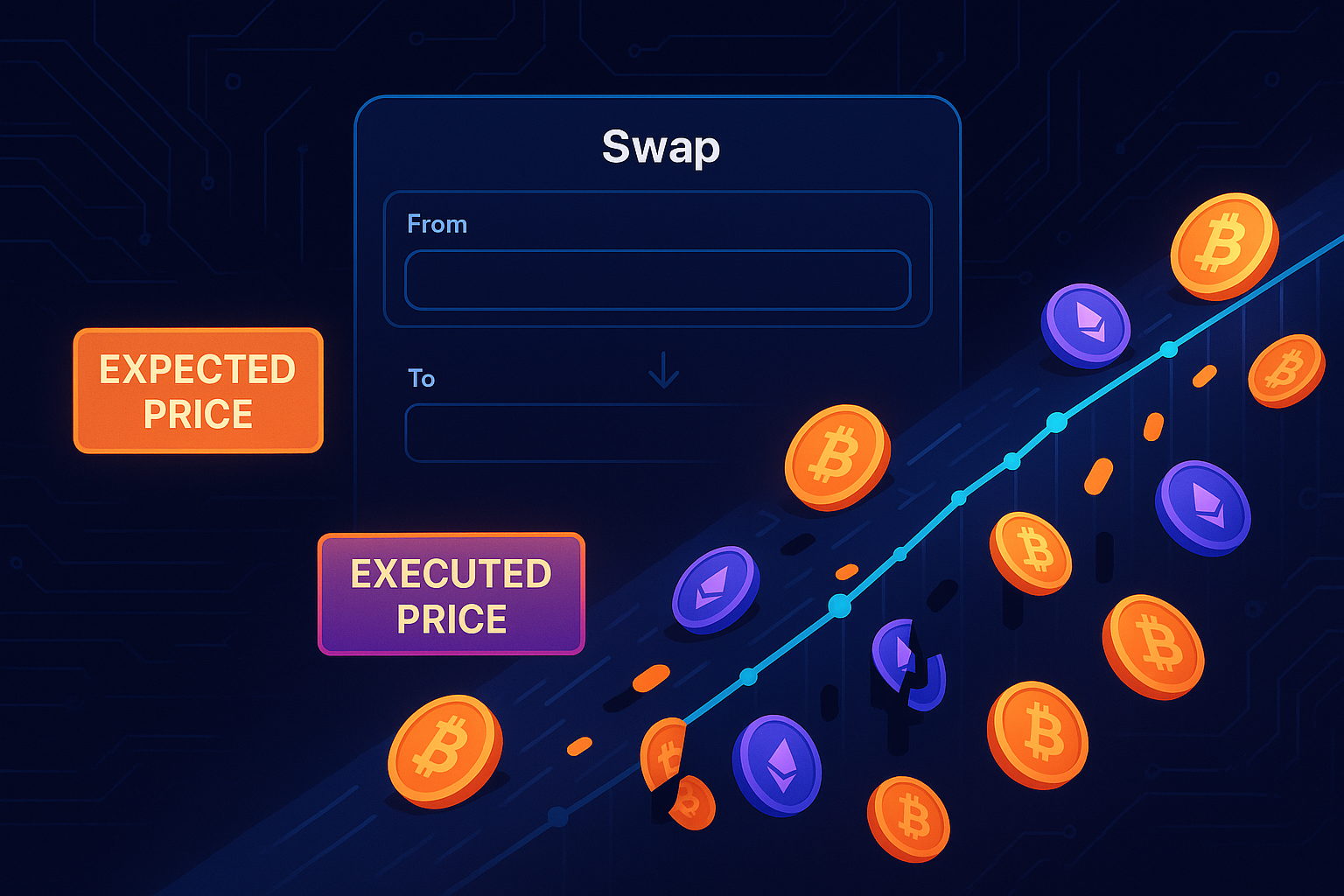
Slippage is the difference between the price you expect and the price you actually receive after execution. It can increase when:
- Liquidity in the CRV/ETH pair is low on your chosen venue
- Order size is large relative to the pool or order book
- Market conditions are highly volatile
Always check the estimated output and slippage tolerance settings before confirming the swap.
3. Smart Contract and Platform Risk
If you use a DeFi protocol or a private exchange interface, you are interacting with smart contracts and backend systems that can contain bugs or vulnerabilities. You should:
- Prefer audited and battle‑tested protocols when possible
- Start with small test trades to build confidence
- Verify you are on the official site to avoid phishing clones
4. Gas Fees on Ethereum
Ethereum gas fees vary significantly depending on network congestion. High fees can erode the benefit of a CRV to ETH swap, particularly on smaller amounts. It is worth:
- Checking current gas prices via a reputable gas tracker
- Avoiding periods of extreme congestion when possible
- Batching operations (for example, doing a single larger swap instead of many tiny ones) where it makes sense
Step‑by‑Step Guide: How to Perform a CRV to ETH Swap
The exact process varies slightly from platform to platform, but most non‑custodial CRV to ETH swap interfaces follow a similar flow. Below is a generalized step‑by‑step guide.
Step 1: Choose Your Swap Method
You have three primary options:
- Centralized exchange (CEX): Deposit CRV, trade CRV/ETH spot market, then withdraw ETH. Simple but custodial.
- Decentralized exchange (DEX): Connect your wallet to an AMM (such as a DEX that supports CRV/ETH directly or via routing) and swap in one transaction.
- Non‑custodial swap service: Use a bridge‑like interface that handles routing in the background and lets you swap crypto instantly from CRV to ETH on‑chain while keeping custody of your wallet.
Step 2: Set Up and Fund Your Wallet
For DeFi or non‑custodial swaps, you need a compatible Ethereum wallet (e.g., MetaMask, hardware wallet with browser extension, or a trusted mobile wallet).
- Install and back up your wallet securely (write down your seed phrase offline).
- Confirm that your CRV tokens are in this wallet on the correct network (typically Ethereum mainnet).
- Make sure you have enough ETH in the same wallet to pay for gas fees. You cannot complete a CRV to ETH swap if you cannot pay transaction costs.
Step 3: Connect to the Swap Interface
Open your chosen DEX or non‑custodial swap website. Check the URL carefully to avoid phishing. Then:
- Click “Connect Wallet” or equivalent.
- Select your wallet type (for example, MetaMask, WalletConnect, or another supported option).
- Approve the connection request inside your wallet app or extension.
Step 4: Configure the CRV to ETH Swap
On the swap interface:
- Select CRV as the “From” or input token.
- Select ETH as the “To” or output token.
- Enter the amount of CRV you want to swap or the amount of ETH you want to receive.
- Review the quoted rate, estimated output, and implied fees.
Many platforms show price impact and minimum amount received. Pay close attention to these figures; they tell you how much slippage you might face if the price moves before or during your transaction.
Step 5: Adjust Slippage Tolerance and Gas Settings
Most swap interfaces allow you to set a slippage tolerance. A low tolerance (for example, 0.1–0.5%) protects you from unexpected price moves but may cause the transaction to fail if the market moves slightly. A higher tolerance makes execution more likely but with more risk of a worse price.
You can usually choose between “slow,” “average,” and “fast” gas tiers. Higher gas means quicker confirmation and less chance of getting stuck while the market moves, but it costs more. Balance speed and cost according to your priorities and current network conditions.
Step 6: Approve CRV (If Required)
The first time you use CRV with a particular smart contract, you typically need to sign an approval transaction that allows the contract to move your CRV for the swap.

- Click “Approve CRV” or similar.
- Confirm the approval in your wallet, including the gas fee.
- Wait for the approval transaction to be confirmed.
For security, avoid giving unlimited token approvals when possible. Some interfaces allow you to set a custom spending cap closer to the amount you actually plan to swap.
Step 7: Execute the Swap
Once CRV is approved:
- Click “Swap” or “Confirm swap.”
- Check the final transaction details in your wallet (input token, output token, gas fee, and price).
- Confirm the transaction and wait for it to be mined.
After a few confirmations, your ETH balance should update in your wallet. Always verify that the transaction hash on a block explorer (such as Etherscan) matches what you intended.
Step 8: Verify and Secure Your Funds
When the swap is complete:
- Check your wallet to confirm that your CRV has decreased and your ETH has increased by the expected amounts.
- Optionally, move larger long‑term holdings to a hardware wallet for better security.
- Record the transaction details if you need them later for tax or accounting purposes.
Practical Tips for Better CRV to ETH Swaps
1. Monitor Market Conditions
Try to avoid swapping at times of extreme volatility or when major news is breaking. Spikes in volume can lead to poor prices, especially on thinner liquidity venues. Watching both the CRV and ETH charts, as well as overall market sentiment, can help you choose a calmer window to execute your trade.
2. Compare Routes and Fees
Different platforms may give different effective rates, depending on:
- How they route liquidity between pools and pairs
- Whether they aggregate multiple sources
- What service fees they charge on top of network gas
For large swaps, even a small rate difference can be significant. It can be worth checking at least two venues before committing.
3. Start with a Small Test Swap
When using a new interface, send a small amount of CRV first to confirm the process and verify that your ETH arrives as expected. Once you are comfortable with how the system behaves, you can proceed with larger amounts if desired.
4. Watch for Fake Tokens and Phishing Sites
Always verify:
- The official contract address of CRV on Ethereum
- The full URL of any exchange or DeFi protocol you use
- That your wallet only connects to sites you trust
Attackers often create spoofed interfaces that mimic popular swap services in order to steal funds or approvals. Bookmark official sites and access them from your bookmarks rather than search results where possible.
5. Consider Tax and Accounting Implications
In many jurisdictions, swapping one crypto asset for another (such as CRV to ETH) can be a taxable event. Keep records of:
- Date and time of the swap
- Value of CRV and ETH in your local currency at the time of the transaction
- Transaction hashes and platform used
Consult a tax professional familiar with digital assets if you are unsure how your swaps should be reported.
Conclusion
Executing a crv to eth swap is a core operation for DeFi participants, from yield farmers and liquidity providers to long‑term investors who want to rebalance into a more liquid asset. By understanding the benefits, risks, and step‑by‑step process, you can approach each swap with more confidence and precision.
For many users, the ideal approach is to use a secure, non‑custodial interface that allows them to keep control of their private keys while accessing deep liquidity. Solutions that specialize in fast, privacy‑aware conversions can make it straightforward to perform a CRV to ETH swap without handing funds to a centralized custodian.
Whichever method you choose, take the time to verify contract addresses, confirm URLs, monitor fees, and test with small amounts first. Used wisely, tools like a dedicated
CRV to ETH private swap interface can help you move between assets smoothly while staying aligned with your security, privacy, and portfolio goals.