Cross Chain Swap Explained: How to Swap Crypto Across Blockchains Safely
Introduction: What Is a Cross Chain Swap?
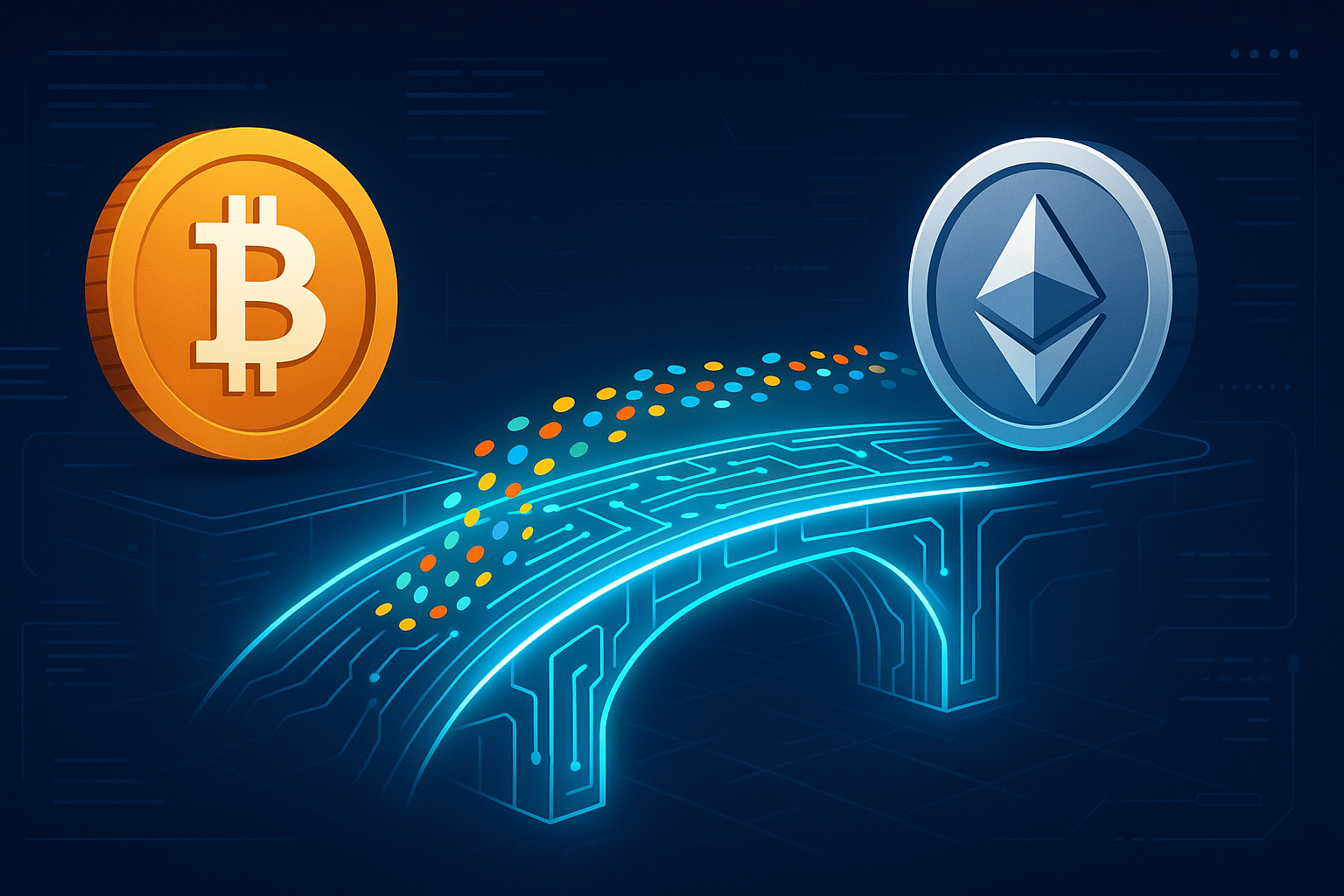
Blockchains are like separate islands. Bitcoin, Ethereum, Solana, BNB Chain and others all operate on their own networks, with their own rules and tokens. A cross chain swap is the process of exchanging crypto from one blockchain to another without going through a centralized exchange or traditional bridge.
In this guide, you will find “cross chain swap explained” in plain language: what it is, how it works, why it matters, and how to use it safely. If you want a hands-on way to swap crypto instantly across chains, this article will also give you the concepts you need to understand what is happening behind the scenes.
At a high level, a cross chain swap lets you do something like:
- Swap BTC (Bitcoin) on the Bitcoin network for ETH on Ethereum
- Trade USDT from Tron for USDC on Arbitrum
- Move value from one ecosystem to another without first converting to fiat
Instead of depositing funds to a centralized exchange, you interact with smart contracts, liquidity pools, or specialized routing systems that handle the conversion across chains.
Why Cross Chain Swaps Matter
Crypto is no longer a single-chain world. DeFi, NFTs, gaming and payment apps now exist on dozens of chains. If you are active in crypto, you will almost certainly need to move value between blockchains at some point.
Cross chain swaps matter because they solve several key problems:
- Interoperability: Different chains cannot talk to each other natively. Cross chain tools create communication and liquidity between them.
- Access to opportunities: Yield farms, airdrops, NFT mints and lending markets can be chain-specific. You need to move assets to where opportunities live.
- Reduced reliance on centralized exchanges (CEXs): Cross chain swaps allow you to stay in self-custody instead of trusting exchanges with your keys.
- Capital efficiency: Rather than cashing out to fiat and back in, you directly convert from one crypto to another on a different chain.
As multi-chain ecosystems grow, being able to understand cross chain swap explained in a practical way becomes a core skill for any serious crypto user.
How Cross Chain Swaps Work (High-Level Overview)
There are multiple technical designs for cross chain swaps. At a conceptual level, they all solve the same problem: how to move value from one chain to another without double-spending or relying entirely on trust.
Main models used in cross chain swaps
-
Liquidity network / aggregator model
In this design, a protocol maintains liquidity pools or partners with liquidity providers across many chains. When you request a swap, the system:- Receives your token on the source chain
- Credits or delivers equivalent value on the target chain from its liquidity
- Uses internal accounting, or hedging, to rebalance liquidity after the fact
This is common in modern “any-to-any” swap platforms that emphasize speed and user-friendliness.
-
Bridges + DEXs combined
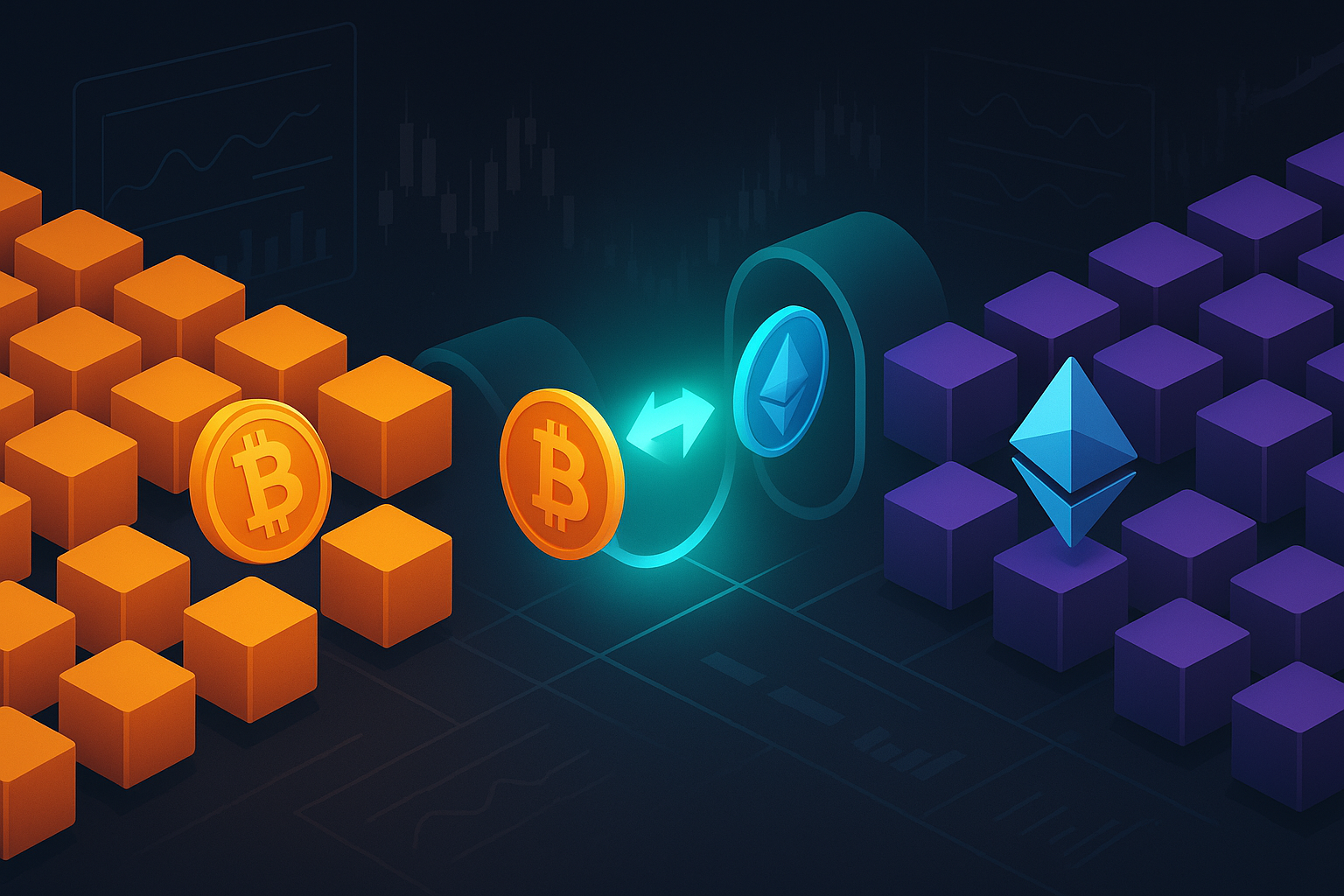
A more traditional approach uses:- A bridge to move a token to another chain (minting a wrapped version)
- A DEX (decentralized exchange) on the target chain to swap the wrapped token for your desired asset
This is functionally a cross chain swap, but often requires multiple steps and more manual effort.
-
Atomic swaps (hash time-locked contracts)
Atomic swaps use cryptographic conditions (HTLCs) so that either both sides of a trade complete, or nothing happens. This allows two parties to swap across chains without trusting each other. While powerful, atomic swaps are more technical and less user-friendly than aggregator-based solutions.
Most retail-friendly platforms hide this complexity behind a simple interface: you pick which asset you have, which asset you want, which chains are involved and the protocol handles the routing.
Benefits of Cross Chain Swaps
Understanding “cross chain swap explained” is much easier if you see what real-world problems it solves.
1. Stay in control of your funds
Many cross chain swap tools are non-custodial. That means you connect your wallet, sign transactions, and remain the owner of your keys the entire time. Funds are not held in one central, pooled account under someone else’s control.
- You avoid deposit and withdrawal delays typical of CEXs
- Counterparty risk is reduced because there is no single party that can freeze or lose your funds
2. Access better opportunities across ecosystems
Certain yields, token launches or NFT collections might only exist on a particular chain. Cross chain swaps allow you to:
- Move from older, congested chains to newer, cheaper ones
- Enter ecosystems such as Arbitrum, Optimism, Base, or Solana to access specific DeFi or NFT projects
- Respond quickly when a new opportunity goes live on a different network
3. Convenience and speed
Compared to the traditional route of using a centralized exchange, a cross chain swap can be:
- Faster: No waiting for deposit confirmations and withdrawal approval queues
- Simpler: A single flow instead of multiple conversions (Token A → BTC → FIAT → ETH → Token B)
- More private: Depending on the platform, you may be able to avoid extensive KYC for simple, non-fiat swaps
4. Potential privacy improvements
Some cross chain tools are designed as a private exchange environment, minimizing data collection and avoiding centralized identity checks if local regulations allow. When used responsibly and legally, these tools can reduce the amount of personal information tied to every on-chain move.
Risks and Drawbacks of Cross Chain Swaps
Despite the benefits, cross chain swaps are not risk-free. Understanding the risks is crucial before you move significant amounts of capital across chains.
1. Smart contract and protocol risk
Many cross chain systems rely on smart contracts, multi-signature wallets, or complex routing logic. Bugs or vulnerabilities can lead to:
- Loss of funds locked in a contract
- Incorrect accounting of balances across chains
- Exploits where attackers drain liquidity pools or bridge reserves
To reduce this risk, favor platforms with:
- Independent security audits
- Time in the market without major incidents
- Transparent documentation and clear communication
2. Bridge and liquidity risk
Some swap routes rely partly on bridges or pooled liquidity across chains. Typical risks include:
- Bridge exploits: If the underlying bridge is compromised, tokens could become unbacked or frozen.
- Low liquidity: For obscure tokens or chains, slippage can become very high, making swaps expensive.
3. Counterparty or operator risk
If a service is not truly non-custodial, or if the infrastructure is opaque, there may be hidden counterparty risk. Signs to watch for:
- Platform requires deposits to a shared address before you initiate a swap
- No publicly verifiable contracts or on-chain logic
- Limited documentation on how swaps are executed and backed
4. Regulatory and compliance considerations
Cross chain swaps may fall into different regulatory gray areas depending on your jurisdiction. Factors include:
- Whether KYC/AML rules apply to certain volumes or asset types
- Tax reporting obligations associated with each swap (many tax authorities treat swaps as taxable events)
- Restrictions on privacy-enhancing services in some regions
Always make sure you understand and comply with your local regulations.
5. User error
A significant portion of losses in crypto comes from simple mistakes:
- Sending funds to the wrong address or selecting the wrong network
- Misreading the estimated output and slippage
- Failing to back up recovery phrases and losing wallet access after the swap
A careful, stepwise approach can mitigate most user-side risks.
Cross Chain Swap Explained: Step-by-Step Guide
This section will walk you through a typical cross chain swap flow, using a generic non-custodial service as an example. Specific interfaces differ, but the logic is similar.
Step 1: Choose a reputable non-custodial swap platform
Look for platforms that explicitly highlight non-custodial swap design and privacy-focused or self-custodial values. For example, some services let you swap crypto instantly with no registration, prioritizing security and simplicity.
Evaluate:
- Supported chains and tokens
- Security track record and audits
- Transparent fee structure
- User reviews and community presence
Step 2: Connect or prepare your wallet
Depending on the platform, you will either:
- Connect a browser wallet (such as MetaMask, Rabby, Phantom)
- Specify an address on the destination chain where you want to receive funds
Before starting:
- Verify you have enough tokens on the source chain to cover both the swap amount and gas fees
- Ensure your wallet is correctly configured for the relevant networks
Step 3: Select source and destination assets
You typically see fields like:
- From: BTC on Bitcoin, ETH on Ethereum, USDT on Tron, etc.
- To: The token and chain you want to receive (for example, USDC on Arbitrum)
At this point, the platform will:
- Calculate an estimated rate
- Show estimated slippage
- Display fees (network fees, protocol fees, potential routing or liquidity costs)
Step 4: Review rates, slippage and timing
Before you confirm, check:
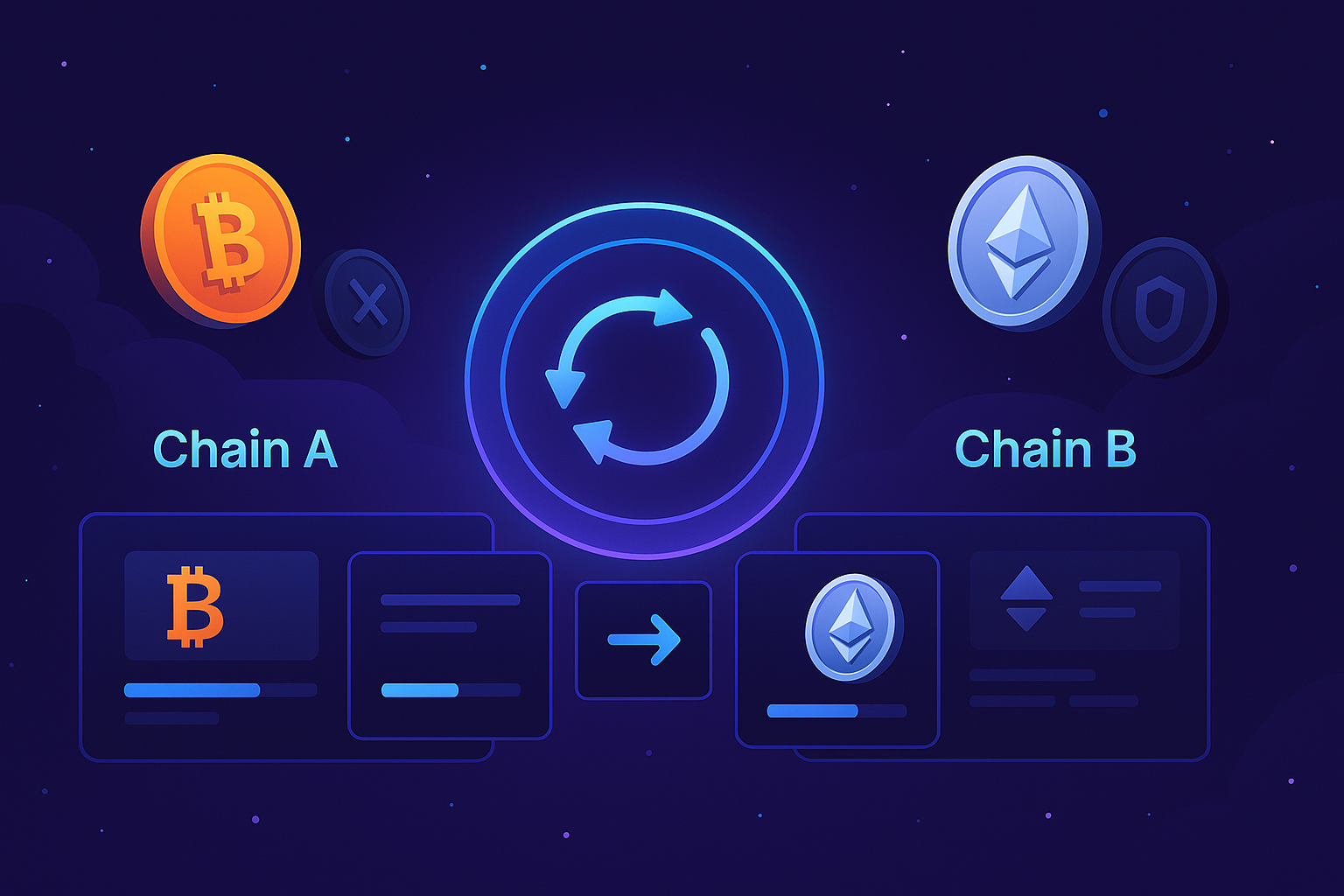
- Expected output: How many tokens you will receive on the destination chain
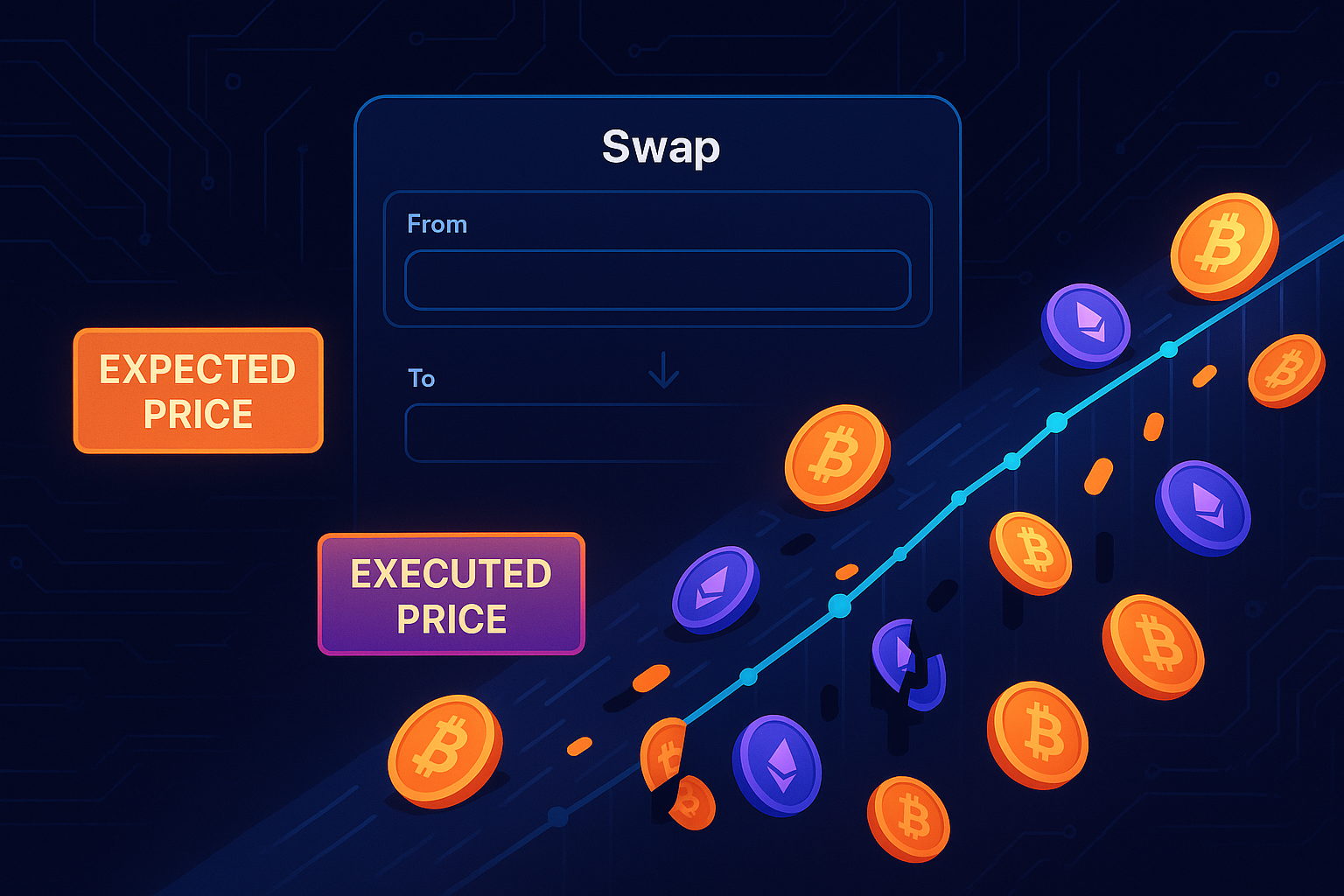
- Slippage tolerance: The maximum acceptable price difference between quote and execution
- Estimated completion time: Some cross chain routes are near-instant; others can take several minutes or more
If you are swapping a large amount or a volatile asset, consider tightening slippage and breaking the swap into smaller chunks.
Step 5: Initiate the swap from your wallet
After confirming the details, you are usually asked to:
- Sign a transaction in your wallet that sends the input asset to a smart contract or controlled address designated by the platform
- Pay gas fees on the source chain
Once that transaction is confirmed on-chain, the protocol can begin the cross chain process.
Step 6: Protocol executes the cross chain routing
This part happens under the hood and varies by design. Broadly, the protocol might:
- Lock or credit your tokens on the source side
- Use internal liquidity pools, external dexes, or bridges to simulate or perform the asset conversion
- Release or send the target asset from its liquidity on the destination chain to your specified address
This is where robust risk management and security architecture matter most, which is why you should be selective about which services you trust.
Step 7: Receive tokens on the destination chain
Once complete, you will see the incoming token transaction on your destination wallet or address. Verify that:
- You received the right token and correct amount (minus expected fees)
- The network is correct (for example, USDC on Arbitrum, not on Ethereum mainnet if you specified Arbitrum)
- Your wallet UI recognizes the token; if not, you may need to add the token contract manually
Your cross chain swap is now complete. You can now use your assets in DeFi, NFTs, or other applications on the destination chain.
Practical Tips for Safer and More Efficient Cross Chain Swaps
1. Start with a small test amount
For any new platform, route or chain, always do a small “test swap” first:
- Confirm that the process works end-to-end
- Verify timing, fees and actual output
- Check that your wallet handles the destination chain correctly
2. Double-check addresses and networks
Common mistakes are easy to avoid with a quick review:
- Ensure the destination address is yours and correct
- Confirm that the selected network matches the address format
- Verify token tickers, since many networks use similar names for different assets
3. Watch for fees and hidden costs
Cross chain swaps involve multiple cost layers:
- Source chain gas fees
- Destination chain gas fees (if further actions are needed)
- Protocol or routing fees
- Slippage impact on large trades
In some market conditions, doing the swap at off-peak hours or choosing a different route can significantly reduce costs.
4. Prefer non-custodial, privacy-conscious solutions
If self-custody and privacy are priorities, look for services that clearly emphasize being a private exchange and non-custodial by design. Signs of this include:
- No account creation or personal data required for crypto-to-crypto swaps
- Funds never pooled under a centralized, user-specific account
- Transparent documentation on how swaps are executed on-chain
5. Keep your wallet and device secure
Even the best cross chain swap platform cannot protect you if your keys are compromised. Good practices include:
- Using hardware wallets for meaningful amounts
- Keeping seed phrases offline and never entering them into websites or random apps
- Maintaining updated operating systems and browser security
6. Stay informed about protocol status
Before major swaps, check the project’s:
- Official social channels or status pages for downtime or issues
- Documentation for any special notes about your chosen route
- Recent community reports about performance and reliability
Conclusion: Cross Chain Swap Explained in Practice
Cross chain swaps turn a fragmented multi-chain world into a more unified experience. By understanding the basics behind “cross chain swap explained” you can:
- Move assets quickly between ecosystems without centralized exchanges
- Stay in control of your private keys with non-custodial tools
- Access DeFi, NFTs and other opportunities wherever they appear
At the same time, it is vital to respect the risks: smart contract vulnerabilities, bridge exploits, user mistakes and regulatory constraints. Taking a cautious, informed approach and starting small will help you benefit from cross chain swaps without exposing yourself to unnecessary danger.
If you are ready to put these concepts into practice, explore a non-custodial swap platform that focuses on privacy and fast cross chain execution. Combine the principles from this guide with careful due diligence, and you will be well positioned to navigate the multi-chain future of crypto.