How to Do a cbETH to ETH Swap Safely and Efficiently
Introduction
Converting cbETH back to ETH is a common step for users who have participated in liquid staking on Coinbase and now want full flexibility with their Ether. Whether you are taking profits, moving funds to DeFi, or preparing for a different staking strategy, understanding how a cbETH to ETH swap works is essential.
A cbeth to eth swap can be done on various platforms, including decentralized, non-custodial exchanges that prioritize privacy. The method you choose affects fees, speed, control over your keys, and exposure to platform risk.
This guide will walk you through what cbETH is, why swapping to ETH matters, key benefits and risks, and a step-by-step process to complete your swap with practical tips to optimize for safety and cost.
What Is cbETH and How Does It Relate to ETH?
Coinbase Wrapped Staked ETH (cbETH) is a liquid staking token issued by Coinbase. When you stake ETH through Coinbase, you can receive cbETH as a tokenized representation of your staked position.
Key points about cbETH:
- Backed by staked ETH: cbETH represents your claim on staked ETH and staking rewards in Coinbase’s staking pool.
- Liquid and transferable: Unlike native staked ETH, cbETH can be transferred, traded, or used in DeFi.
- Value may diverge from 1:1: cbETH does not always trade exactly at 1:1 with ETH. It often trades at a slight premium or discount, influenced by markets and expected yield.
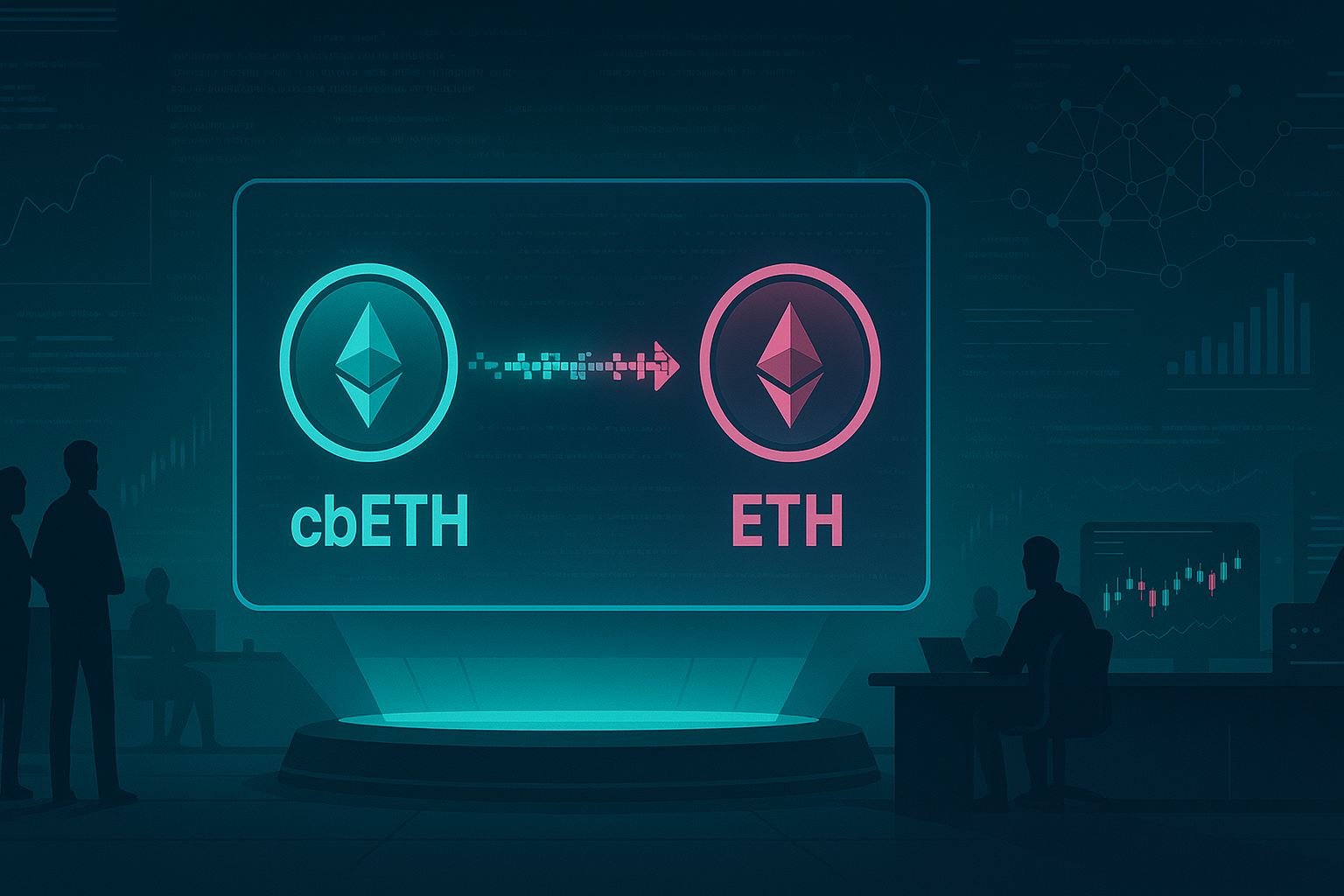
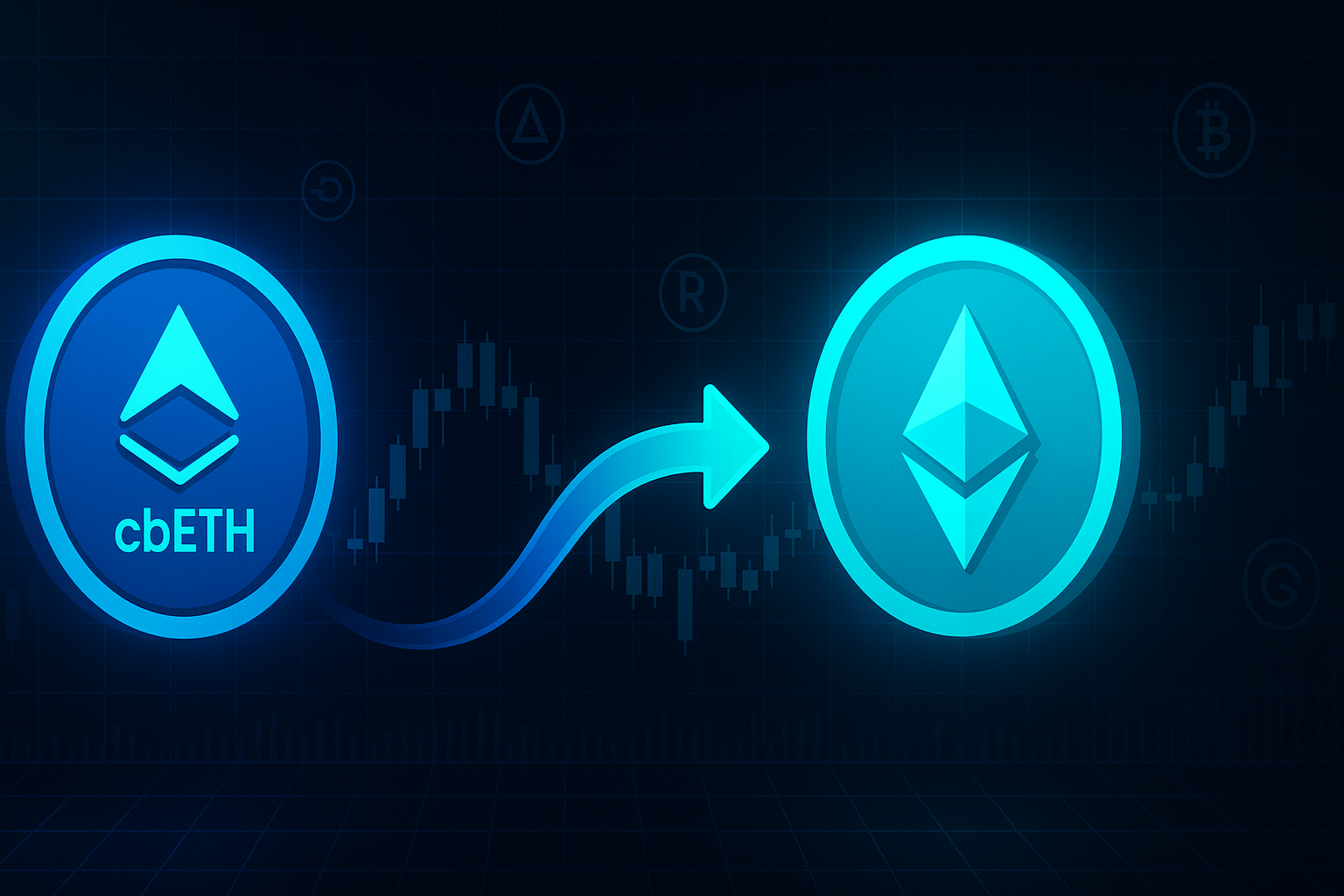
When you perform a cbETH to ETH swap, you are essentially moving from a yield-bearing derivative token back to the underlying asset, Ether.
Why a cbETH to ETH Swap Matters
Swapping cbETH to ETH is not just a technical action. It directly impacts your liquidity, strategy, and risk profile.
1. Returning to Base Liquidity
ETH is the base currency of the Ethereum network. Most DeFi protocols, NFTs, and on-chain activities ultimately settle in ETH. By converting cbETH back to ETH, you regain maximum flexibility to:
- Trade other tokens or NFTs
- Provide liquidity in ETH-only or ETH-pair pools
- Use ETH as collateral for lending and borrowing
- Pay gas fees without managing multiple token balances
2. Strategy Shifts in Staking and Yield
You might want to:
- Move from Coinbase staking to another liquid staking solution
- Stake directly with validators you control
- Switch to a different yield strategy, like DeFi lending or yield farming
In each case, converting cbETH to ETH is the middle step that frees your capital for a new approach.
3. Risk Management and Platform Exposure
Holding cbETH exposes you to Coinbase’s platform and smart contract risk related to its staking system. Swapping cbETH to ETH lets you:
- Reduce centralized exchange or single-platform exposure
- Move assets to self-custody wallets
- Rebalance your portfolio between ETH and other assets
Key Benefits of Swapping cbETH to ETH
1. Restoring Full Control Over Your ETH
With cbETH, your exposure is tied to Coinbase’s staking infrastructure. ETH itself is more broadly accepted and is the native asset of Ethereum. Once you swap:
- You can interact with any DeFi app that supports ETH
- You avoid potential limitations related to cbETH-specific liquidity
- You maintain flexibility to re-enter staking at any time, via any protocol
2. Access to Deeper Liquidity and Tighter Spreads
Although cbETH is supported in many places, ETH markets are much deeper. That usually means:
- Better price execution on large trades
- Lower slippage, especially in volatile conditions
- More options across centralized and decentralized venues
On some non-custodial platforms that let you swap crypto instantly, you can route cbETH through liquidity sources that optimize for price and execution.
3. Simplifying Portfolio Tracking and Accounting
If you are actively trading, managing taxes, or reporting portfolio performance, consolidating back to ETH can help:
- Fewer token balances to track
- Clearer cost basis and PnL in a single reference asset
- Less confusion over derivative token pricing vs underlying value
Risks and Drawbacks of a cbETH to ETH Swap
Every on-chain or off-chain transaction has tradeoffs. Before swapping cbETH to ETH, consider the following risks.
1. Market Price Risk and Conversion Rate
cbETH may trade at a discount or premium to ETH, depending on:
- Market sentiment around Coinbase and staking
- Expectations for future yields
- Liquidity conditions across exchanges
If cbETH is at a discount, swapping back to ETH effectively realizes that discount. Conversely, if it is at a premium, you could benefit. Always check the effective cbETH/ETH rate before confirming a swap.
2. Network Fees and Transaction Costs
On Ethereum mainnet, gas fees can be significant, especially during busy periods. Costs can accumulate when you:
- Approve cbETH for spending (if required by the DEX)
- Execute the swap
- Move resulting ETH to another wallet or protocol
Using layer 2 networks or batching actions can help, but they may introduce additional complexity.
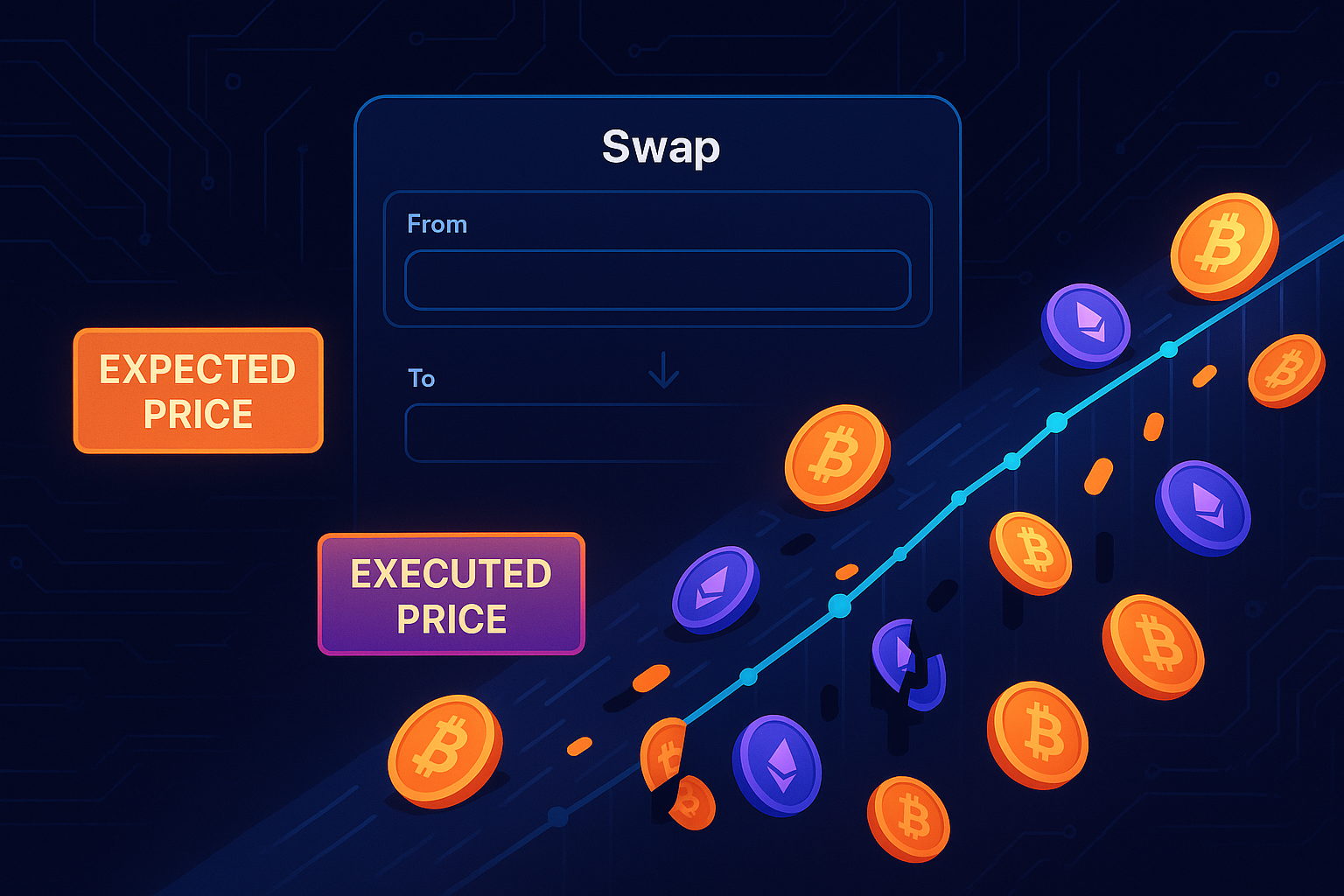
3. Slippage and Low Liquidity in Certain Pools
Depending on where you trade, cbETH liquidity may be shallow. This can lead to:
- Slippage that reduces your effective return
- Front-running risk in public mempools
- Unfavorable routing if the aggregator uses illiquid pools
Always set a reasonable slippage tolerance and double-check outputs before confirming.
4. Smart Contract and Platform Risk
If you use a DEX, aggregator, or a cross-chain bridge, your swap depends on:
- Smart contract security of the platform
- Reliable routing and price feeds
- Correct handling of ERC-20 tokens like cbETH
Use reputable platforms, and consider non-custodial options that do not require depositing funds into centralized accounts.
Step-by-Step Guide: How to Swap cbETH to ETH
Below is a generic process that covers what you need to do whether you use a DEX, aggregator, or a dedicated private exchange interface. Always adapt specific steps to the platform you choose.
Step 1: Prepare Your Wallet and Network
- Choose a compatible wallet
Common options include MetaMask, Coinbase Wallet, Rabby, Ledger (via integrations), and others that support ERC-20 tokens. - Confirm cbETH balance
Make sure cbETH is visible in your wallet and that you hold enough for the swap you intend to make. - Have ETH for gas
Ensure your wallet has a sufficient ETH balance to cover transaction fees. Without ETH, you cannot sign or broadcast on-chain transactions. - Select the correct network
cbETH typically lives on Ethereum mainnet as an ERC-20 token. Verify that your wallet is set to Ethereum mainnet or the chain your cbETH resides on.
Step 2: Choose Your Swap Method
You have several options to perform a cbETH to ETH swap:
- Centralized exchange (CEX)
Deposit cbETH to a CEX that lists the cbETH/ETH pair, then trade. This method requires account creation, KYC in most cases, and trusting the exchange with custody during the process. - Decentralized exchange (DEX) or aggregator
Connect your wallet to a DEX or a liquidity aggregator that can route cbETH to ETH. This approach is non-custodial and typically gives you more direct control over the transaction. - Specialized swap interfaces
Some platforms focus on streamlined, non-custodial swaps where you connect your wallet, specify tokens and amounts, and let the protocol handle routing behind the scenes.
When comparing options, consider your priorities: privacy, speed, cost, and custody.
Step 3: Connect Your Wallet to the Platform
- Open the swap or exchange interface in your browser.
- Click “Connect Wallet” and choose your wallet provider.
- Confirm the connection in your wallet. Check that you are on the correct address that holds cbETH.
- Verify the site URL to avoid phishing. Always type the URL directly or use trusted bookmarks.
Step 4: Set Up the cbETH to ETH Trade
- Select tokens
In the “From” field, choose cbETH. In the “To” field, select ETH. - Enter the cbETH amount
You can specify a custom amount or use “Max” if you want to convert the entire balance (while leaving a bit of ETH for gas). - Review the quoted rate
Compare the cbETH/ETH rate to external price references if needed. This helps verify you are not accepting a poor quote. - Adjust slippage tolerance
Set a slippage tolerance that fits your risk tolerance and market conditions. Smaller trades can use tighter slippage, while larger trades might require slightly higher tolerance to ensure execution.
Step 5: Approve cbETH (If Required)
For ERC-20 tokens, some platforms require an on-chain approval transaction that allows the smart contract to access your cbETH:
- Click “Approve” or similar.
- Confirm the transaction in your wallet and pay the gas fee.
- Wait for confirmation on the blockchain. Once approved, you can proceed with the swap.
Note: Approvals are a common attack vector if misused. After completing your swap, you may later revoke unnecessary token approvals using a tool like Etherscan’s token approval checker or similar services, if desired.
Step 6: Execute the cbETH to ETH Swap
- Click “Swap” or “Confirm Trade.”
- Double-check:
- Input token: cbETH
- Output token: ETH
- Expected ETH amount after fees and slippage
- Recipient address (usually your own wallet)
- Confirm the transaction in your wallet.
- Wait for blockchain confirmation, then verify the new ETH balance in your wallet.
Step 7: Post-Swap Actions
After the swap:
- Check whether your cbETH balance is now reduced or zero.
- Ensure the ETH amount matches what you expected within slippage tolerance.
- Consider revoking large or unnecessary token approvals for security hygiene.
- Move ETH to cold storage, another protocol, or keep it in your hot wallet depending on your strategy.
Practical Tips for a Better cbETH to ETH Swap Experience
1. Monitor Gas Fees and Time Your Transaction
Gas prices fluctuate throughout the day. To reduce costs:
- Use gas trackers to identify cheaper times
- Avoid highly congested periods, such as major NFT mints or market volatility spikes
- Consider using a reasonable gas setting that balances cost and speed
2. Start With a Test Transaction
If this is your first time using a platform or you are swapping a significant amount:
- Begin with a small cbETH amount to confirm the process works as expected
- Check that you receive ETH in the expected quantity and timeframe
- Only then proceed with a larger swap once you are confident
3. Protect Your Privacy and Security
When managing large balances or sensitive strategies:
- Access swap interfaces from a secure device and network
- Use hardware wallets where possible
- Be cautious of sharing wallet addresses publicly, especially when dealing with high-value transactions
- Regularly review active approvals and connected dApps in your wallet
4. Compare Routes and Effective Prices
Not all swaps are equal:
- Different platforms may route through different liquidity pools
- Some paths may include extra hops, increasing fees and slippage
- Always focus on the final ETH you receive, net of all costs
A bit of comparison shopping can materially improve your outcome on larger trades.
5. Consider Your Tax and Accounting Obligations
In many jurisdictions, swapping one crypto asset for another can be a taxable event:
- Keep records of the date, amount of cbETH, amount of ETH received, and fiat values at the time of the swap
- Use portfolio tracking tools or spreadsheets to keep your data organized
- Consult a tax professional familiar with digital assets if you are unsure of your obligations
Conclusion: Making the Most of Your cbETH to ETH Swap
Swapping cbETH to ETH is a core step for anyone transitioning from Coinbase’s liquid staking token back to the base Ether asset. Done thoughtfully, it allows you to:
- Regain full liquidity and flexibility in the Ethereum ecosystem
- Adjust your staking or DeFi strategies as markets evolve
- Manage platform risk and maintain control via non-custodial tools
By understanding how cbETH pricing works, paying attention to gas fees and slippage, and choosing reliable platforms, you can convert with confidence and keep more of your value intact.
Whenever you execute a non-custodial swap from cbETH to ETH, prioritize security, verify every transaction, and maintain good records. With the right approach, your cbETH to ETH swap becomes a straightforward, low-friction step in a broader, flexible crypto strategy.