BTC to ZEC Anonymous Swap: A Complete, Practical Guide
Introduction
Bitcoin and Zcash serve very different roles in the privacy landscape. Bitcoin is the original cryptocurrency and the most liquid, but its blockchain is transparent. Zcash, on the other hand, offers optional privacy with shielded addresses and zero-knowledge proofs, making it attractive for users who want stronger on-chain confidentiality.
Because of this contrast, many users look for a btc to zec anonymous swap to move from a transparent asset into a privacy-focused one without exposing their identity or transaction history. With the right tools, it is possible to perform an instant, non-custodial swap between BTC and ZEC without creating centralized exchange accounts or submitting KYC documents.
If your goal is to avoid traditional exchanges, a btc to zec anonymous swap through a private, non-custodial exchange flow can be a strong option. This article explains why it matters, what to watch out for, and how to complete such a swap safely and efficiently.
Why BTC to ZEC Anonymous Swaps Matter
1. Bitcoin is transparent by default
Bitcoin’s blockchain is a public ledger. Every transaction, address, and balance is permanently recorded and viewable by anyone. While Bitcoin addresses are pseudonymous, many entities use advanced chain analysis techniques to cluster addresses and infer identities, especially if your BTC ever touched a KYC exchange.
Key implications:
- Your transaction graph can be traced from exchanges, payment processors, or other known points.
- Patterns such as consolidation, timing, and repeated use of addresses can reveal financial behavior.
- Businesses and individuals may not want their entire payment history to be trivially traceable.
2. Zcash adds strong privacy capabilities
Zcash supports both transparent and shielded addresses:
- Transparent addresses (t-addresses): Similar to Bitcoin, visible on chain.
- Shielded addresses (z-addresses): Sender, receiver, and transaction amount can be hidden from public view, using zero-knowledge proofs.
By swapping BTC to ZEC and then moving to shielded addresses, users can reduce the public visibility of their holdings and transfers compared with staying entirely in Bitcoin.
3. Regulatory and personal context
Privacy is not the same as illegal activity. There are many legitimate reasons users pursue more private asset flows:
- Protecting personal safety by obscuring wealth and payment history.
- Business confidentiality for sensitive commercial arrangements.
- General principle of data minimization and financial privacy in a digital world.
An anonymous btc to zec anonymous swap helps users disconnect their identity-linked BTC from their future transactions, especially if they then use shielded ZEC addresses.
Benefits of a BTC to ZEC Anonymous Swap
1. Enhanced on-chain privacy
Swapping from BTC to ZEC and then to shielded ZEC addresses can help:
- Break direct links from KYC-tagged Bitcoin UTXOs.
- Limit who can see your future transaction graph.
- Provide plausible deniability about exact balances and counterparties.
2. Non-custodial control over your funds
Using a non-custodial swap service means:
- You keep control of your private keys at all times.
- The swap platform only coordinates the exchange; it does not hold your coins long term.
- Risk of centralized platform hacks or withdrawal pauses is reduced compared to account-based exchanges.
Many instant swap platforms, such as those that let you swap crypto instantly between BTC and ZEC, operate without traditional user accounts. Instead, they rely on a one-time transaction flow that begins when you send BTC and ends when you receive ZEC at your chosen address.
3. No sign-up or KYC in many cases
Account-based exchanges often require:
- Photo ID and government documents.
- Proof of address.
- Extended verification for higher limits.
In contrast, an anonymous BTC to ZEC swap typically:
- Does not require creating a user account.
- Relies on the blockchain itself as the record of your transaction.
- Allows you to avoid connecting your real-world identity directly to the swap.
Note: Laws vary by jurisdiction, and some services may impose additional checks depending on transaction size, geolocation, or risk profile.
4. Speed and convenience
Instant swap flows are usually streamlined:
- Paste your ZEC address, send BTC, and wait for confirmations.
- No order books, market depth concerns, or complex trading interfaces.
- Simple for non-traders who just want to move assets with less friction.
Risks and Drawbacks of Anonymous BTC to ZEC Swaps
1. Counterparty risk and platform trust
Non-custodial swap platforms still pose some level of counterparty risk:
- You must trust the service to send ZEC once your BTC transaction confirms.
- If the service fails, is compromised, or runs out of liquidity, funds can be delayed or lost.
Mitigation strategies:
- Research the platform’s reputation and user reviews.
- Start with small test amounts before committing larger sums.
- Avoid services that ask you to deposit large sums upfront or hold balances.
2. Network fees and exchange rates
Swapping BTC to ZEC incurs multiple costs:
- Bitcoin network fee: Required to send BTC to the swap provider.
- Service fee or spread: The swap platform’s commission embedded in the exchange rate.
- Zcash network fee: Typically lower than BTC, but still present.
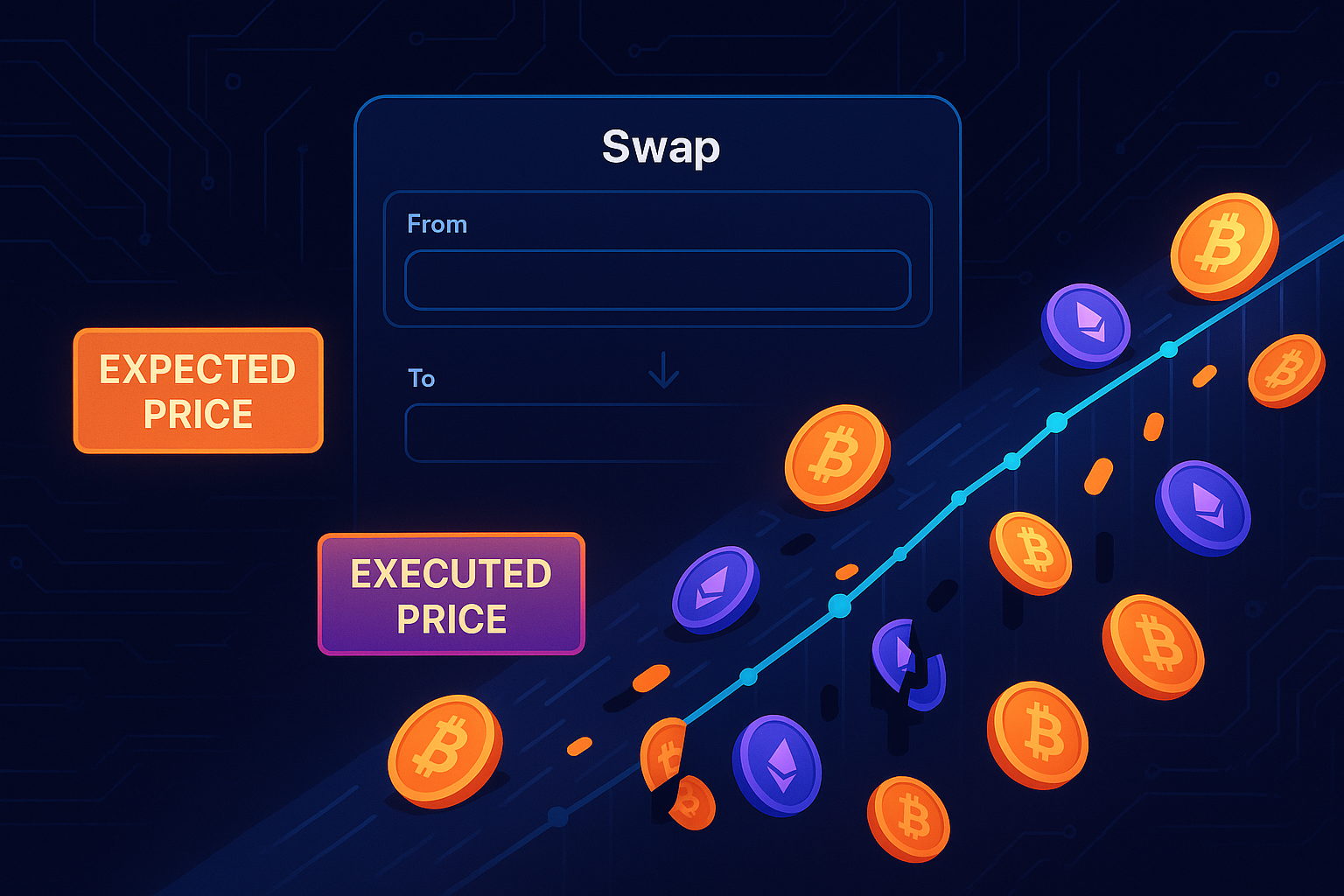
Volatility also matters. If the market moves quickly between the moment you start the swap and the moment it completes, the effective rate may differ from what you expected.
3. Privacy is not absolute
Even with Zcash, privacy is not guaranteed unless you use it correctly:
- If you use Zcash transparent addresses, your transactions remain visible.
- Reusing addresses or poor operational security can still leak metadata.
- Network-level observers (for example, your ISP) may correlate timing and IP data unless you use protection such as VPNs or Tor.
Swapping BTC to ZEC helps, but it is only one layer in a broader privacy strategy.
4. Regulatory uncertainty
Privacy tools and anonymous swaps sometimes face regulatory scrutiny:
- Some jurisdictions restrict or closely monitor privacy coins.
- Services can be geofenced or blocked from specific regions.
- Rules regarding reporting obligations can change over time.
Always understand your local laws and act accordingly.
Step-by-Step Guide: How to Perform a BTC to ZEC Anonymous Swap
Below is a general workflow for a BTC to ZEC anonymous swap using a non-custodial, instant swap service. Details can vary per platform, but the core steps are similar.
Step 1: Prepare your wallets
1. Bitcoin wallet
- Use a wallet that you control (non-custodial), such as a hardware wallet or reputable software wallet.
- Ensure you have enough BTC to cover the swap amount plus mining fees.
2. Zcash wallet
- Choose a wallet that supports shielded addresses (z-addresses) if your goal is privacy.
- Generate a new shielded address specifically for receiving the swapped ZEC.
Step 2: Choose a non-custodial swap service
Look for services that:
- Do not require sign-up or KYC for reasonable transaction sizes.
- Support direct BTC to ZEC swaps.
- Clearly display estimated rates, fees, and time windows.
- Have a track record of successful swaps and transparent communication.
Step 3: Configure the swap
On the swap page:
- Select BTC as the asset you send and ZEC as the asset you receive.
- Enter the amount of BTC to swap. The service typically shows you:
- An estimated amount of ZEC you will receive.
- The minimum required amount and any network/time limits.
- Paste your ZEC receiving address, preferably a shielded address for better privacy.
- Confirm that you understand the fees, slippage, and completion window.
Some platforms, such as those offering a private exchange route for BTC to ZEC, streamline this into a single page where you enter only the amount and the destination address.
Step 4: Send BTC to the provided deposit address
After configuration, the service shows you a unique BTC deposit address and a timer:
- Send the exact amount of BTC from your wallet to that address.
- Double-check the address and amount to avoid errors.
- Pay attention to the required number of confirmations; some services will begin the swap after a set number of blocks.
For privacy:
- Avoid reusing old, highly identifiable UTXOs if possible.
- Consider coin control features to choose which BTC inputs you use.
Step 5: Wait for confirmations and swap execution
Once your BTC transaction is broadcast:
- The service monitors the Bitcoin network for confirmations.
- After the required confirmations, it executes the BTC to ZEC trade.
- Finally, it sends the resulting ZEC to your provided address.
Most instant swaps complete within a window defined by:
- Bitcoin mempool congestion.
- Required number of confirmations.
- Service-side processing time.
Step 6: Verify receipt in your Zcash wallet
After the swap completes:
- Open your Zcash wallet and check for the incoming transaction.
- For shielded transactions, your wallet may need extra time to scan for notes and update balances.
- Optionally, send a small follow-up transaction to another shielded address you control to further break linkability.
Once your ZEC arrives, your BTC to ZEC anonymous swap is complete.
Practical Tips for Maximizing Privacy and Security
1. Use shielded addresses whenever possible
If you swap BTC to ZEC and then receive funds to a transparent Zcash address, you lose most of the privacy advantages. Best practices:
- Generate a new shielded address for each swap or for each counterparty.
- Avoid reusing the same address frequently.
2. Network-level privacy
Even if on-chain details are hidden, network metadata can leak:
- Use a reliable VPN or Tor when accessing swap sites and broadcasting transactions.
- Avoid performing all privacy-sensitive activities from a single, highly-identifiable IP address.
3. Limit information shared with third parties
- Avoid screenshots of transaction details that reveal addresses or amounts.
- Do not reuse addresses tied to your identity, email, or centralized exchange accounts.
- Be cautious about publicly posting transaction IDs or wallet addresses.
4. Start with small test transactions
Especially when using a service for the first time:
- Send a small amount of BTC, confirm you receive ZEC as expected.
- Only then increase transaction size if needed.
- Keep large sums spread across multiple swaps and addresses where appropriate.
5. Maintain good key management
Privacy gains mean little if you lose your funds:
- Back up seed phrases securely and offline.
- Consider hardware wallets for long-term storage.
- Keep software wallets updated to reduce security vulnerabilities.
Conclusion
A btc to zec anonymous swap is a practical method to move from the transparent world of Bitcoin into the more private environment of Zcash. By using a non-custodial, no-signup swap flow, you can gain stronger financial privacy without surrendering control of your keys or going through lengthy KYC procedures.
To do this safely and effectively:
- Choose reputable, instant swap services that show clear rates and policies.
- Use shielded Zcash addresses to fully benefit from ZEC’s privacy features.
- Layer additional protections, such as VPNs or Tor, and follow basic operational security.
When used correctly and lawfully, privacy-focused swaps support personal autonomy and data minimization in an increasingly surveilled digital environment. If you want to explore this route in practice, consider using a non-custodial btc to zec anonymous swap interface and start with modest amounts while you refine your process and risk management.