BTC to XRP Swap: A Complete, Beginner-Friendly Guide
Introduction
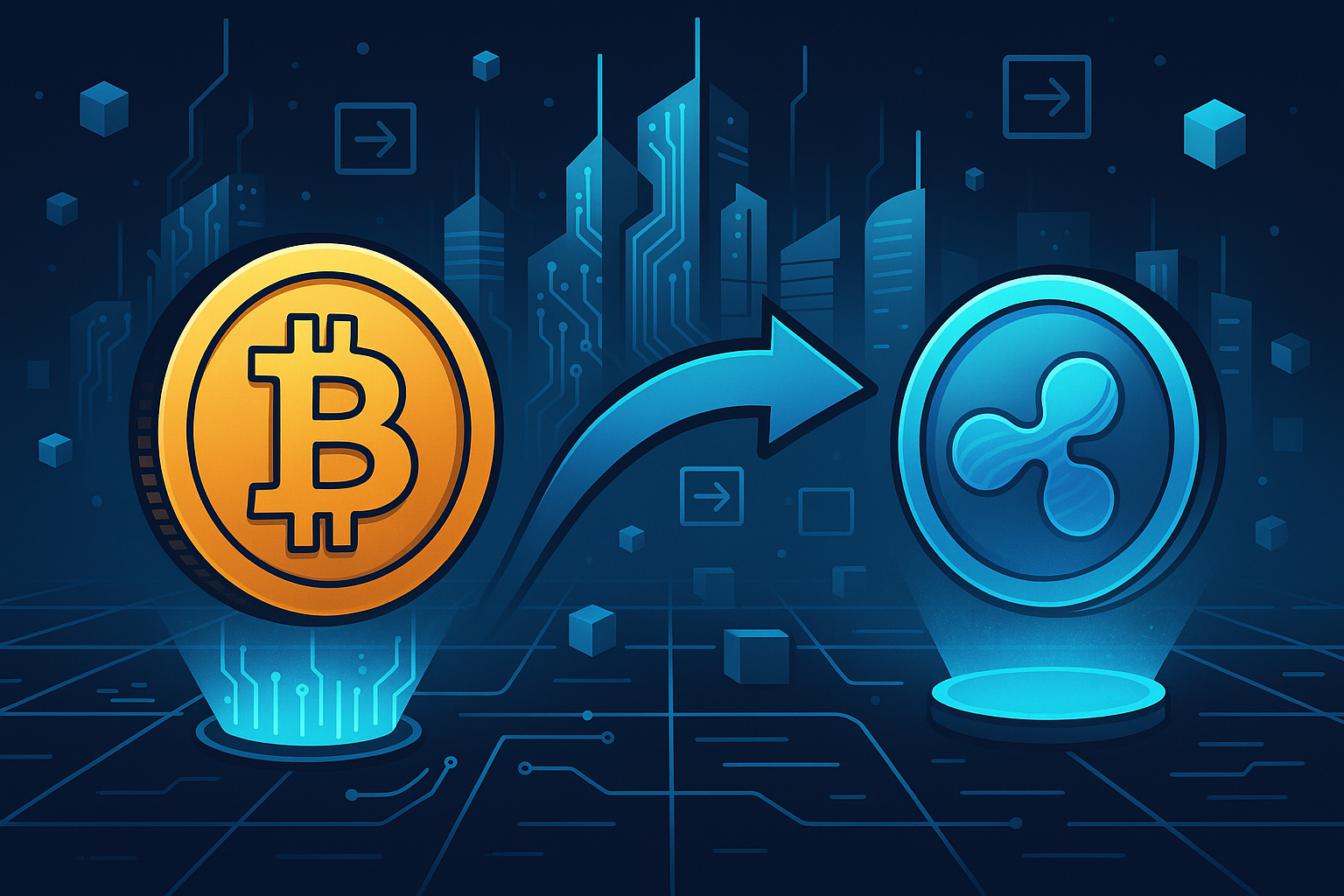
Swapping Bitcoin (BTC) to XRP has become a common move for traders who want faster, cheaper transactions or to diversify their crypto portfolio. Whether you are a long-term Bitcoiner looking to experiment with other networks, or you simply want to send funds quickly and cost-effectively, a btc to xrp swap can be a smart choice when you understand how it works and what to watch out for.
Thanks to modern non-custodial exchanges, you no longer need to create an account on a traditional exchange or go through a lengthy KYC process just to make a simple BTC to XRP swap. Platforms like instant btc to xrp swap services let you convert directly from one asset to another while keeping control of your own wallet.
In this guide, we will cover why BTC to XRP swaps matter, the main benefits and risks, how fees and timing work, and walk through a clear step-by-step process you can follow safely. By the end, you will know what to check before confirming a transaction and how to avoid common mistakes that cost people money.
Why BTC to XRP Swaps Matter
Different assets, different strengths
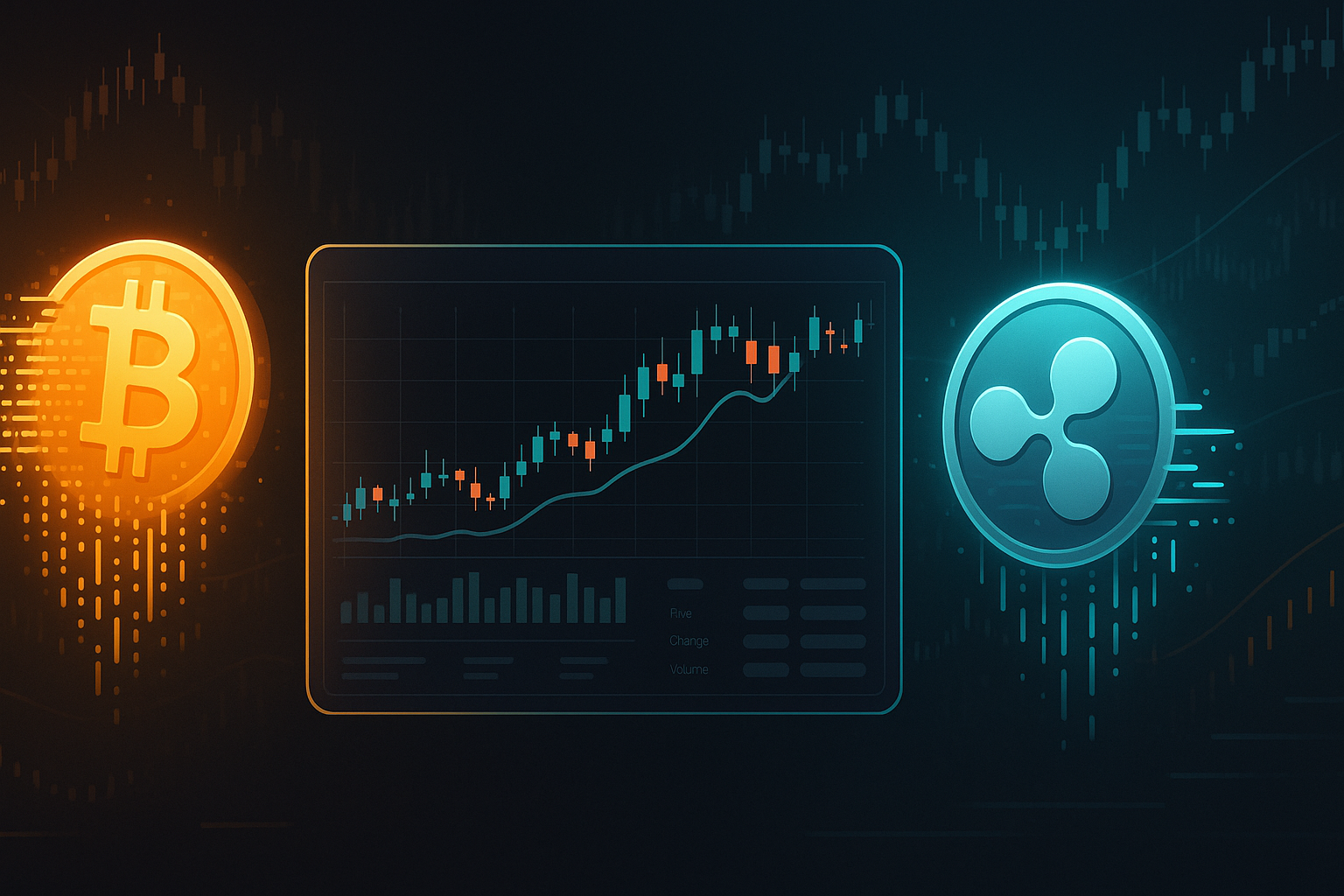
Bitcoin is widely viewed as digital gold: secure, decentralized and excellent for long-term value storage. XRP, by contrast, is primarily focused on fast, low-cost transfers and cross-border payments. When you perform a btc to xrp swap, you are essentially moving value from a slower, more expensive settlement network to one that is optimized for speed and low fees.
In practical terms, this matters when you:
- Need to move funds quickly between exchanges or wallets
- Want to reduce fees on frequent transfers or remittances
- Plan to trade on platforms where XRP is a base or popular pair
- Want to hedge or diversify out of BTC without cashing out to fiat
On-chain congestion and fees
BTC transaction fees can spike during high network usage. If you regularly send or receive smaller transactions, these costs can add up quickly. XRP transactions typically confirm in seconds and are much cheaper, which makes it a practical “transport asset” for moving value across platforms or borders.
By understanding how and when to convert BTC to XRP, you can optimize for speed and cost without giving up security.
Key Benefits of a BTC to XRP Swap
1. Faster settlement
One of the biggest reasons traders and everyday users perform a btc to xrp swap is speed. While Bitcoin blocks are mined roughly every 10 minutes and may require multiple confirmations, XRP transactions typically finalize within a few seconds.
This is useful when:
- Arbitraging price differences between exchanges
- Sending funds to friends, family, or business partners internationally
- Reacting quickly to market opportunities in altcoins that trade against XRP
2. Lower transaction fees
Bitcoin fees vary depending on network traffic. During busy periods, they can rise significantly. XRP’s transaction costs are usually a fraction of a cent, making it ideal for:
- Frequent small transfers
- Payments to multiple recipients
- Testing new wallets or services without worrying about cost
If you often move BTC between exchanges, it can be more economical to swap to XRP, transfer, then swap back on the destination platform rather than sending BTC directly.
3. Portfolio diversification
Swapping some BTC into XRP introduces exposure to a different asset with its own risk and reward profile:
- BTC is often used as a macro hedge and store of value
- XRP is more focused on payments and financial infrastructure
While both are volatile, they do not always move identically. A thoughtful btc to xrp swap strategy can help you diversify within the crypto market itself.
4. Avoiding long registration processes
Traditional centralized exchanges often require:
- Full identity verification (KYC)
- Account approval waiting times
- Custody of your funds on the exchange
Using a non-custodial service to swap crypto instantly allows you to stay in control of your wallet, avoid storing funds on an exchange, and usually skip account creation entirely.
Risks and Drawbacks of BTC to XRP Swaps
No crypto transaction is risk-free. Before you initiate any btc to xrp swap, it is important to understand the potential downsides.
1. Price volatility and slippage
Both BTC and XRP are volatile assets. Prices can change within seconds. When swapping:
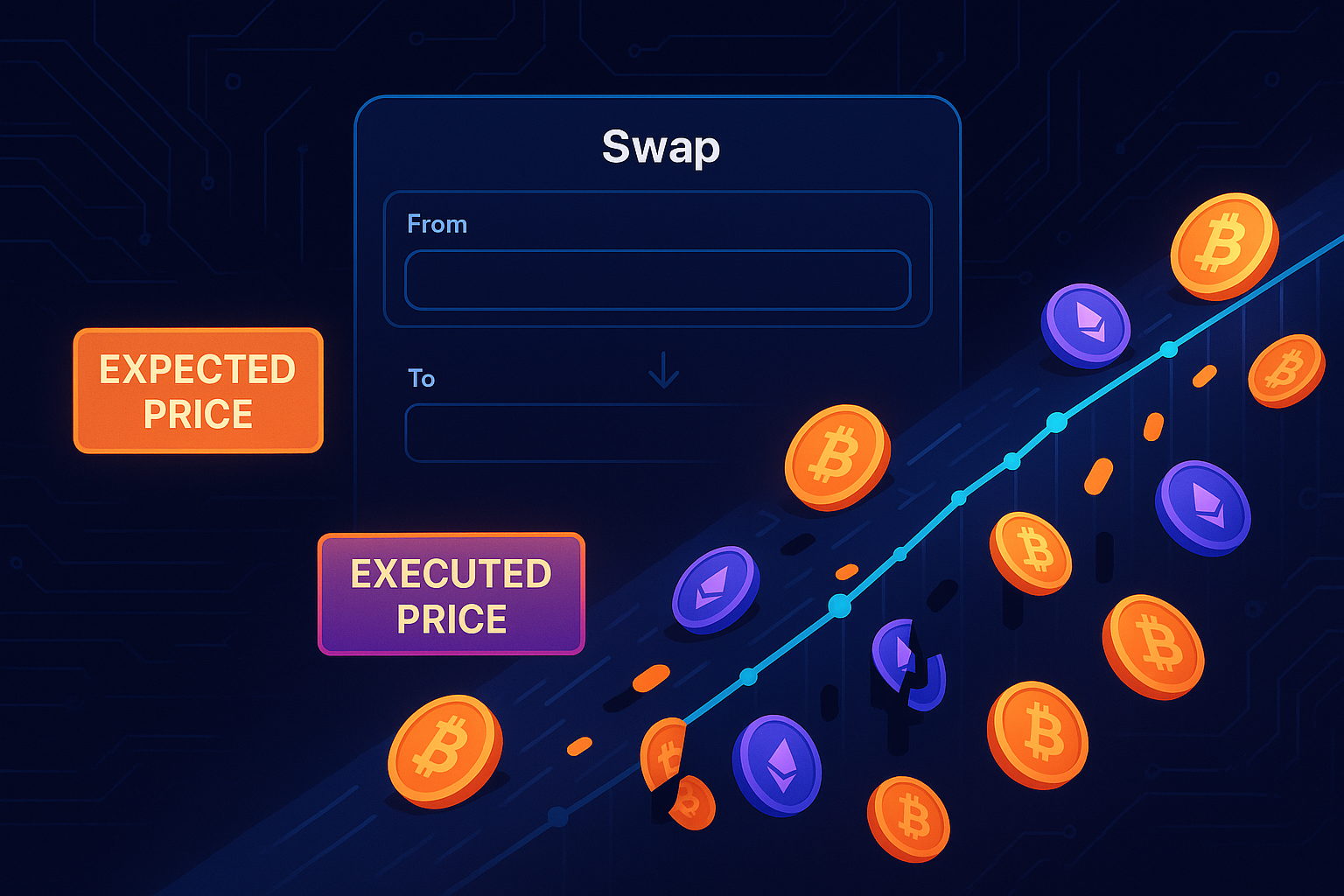
- The final amount of XRP you receive might be lower than the initial quote if the market moves
- Large orders can cause slippage, especially on low-liquidity routes
To limit surprises, look for:
- Clear information about expected rate and minimum received
- Whether the rate is fixed for a short window or fully floating
2. Irreversible transactions
On blockchains, transactions cannot be reversed once confirmed. Common user errors include:
- Sending BTC to the wrong deposit address
- Forgetting to include the correct XRP destination tag or memo
- Using an incompatible network or asset type
If you make a mistake, the service may not be able to recover your funds. Always double-check details before sending.
3. Service reliability and security
When using non-custodial swap platforms:
- They should not hold your coins long term, but they still process your trade
- Poorly run services can malfunction, delay payouts, or have unclear support
Before swapping, review:
- Reputation and user feedback
- Clear documentation on refund and error-handling policies
- Whether you control your own private keys at all times
4. Regulatory and regional considerations
Some regions have restrictions on certain cryptocurrencies or services. It is your responsibility to:
- Understand the legal status of BTC, XRP, and swap services in your jurisdiction
- Comply with tax reporting rules when realizing gains or losses
Step-by-Step Guide: How to Perform a BTC to XRP Swap
Below is a general walk-through of how a typical non-custodial btc to xrp swap works. Details can differ slightly by platform, but the core steps remain similar.
Step 1: Prepare your wallets
You will need:
- A wallet holding the BTC you want to swap
- An XRP wallet address that you fully control
For XRP, many exchanges and wallets require a destination tag or memo. Make sure you have:
- Your XRP address (for example starting with “r…”)
- The correct destination tag, if required
If your wallet or exchange specifies that a destination tag is mandatory, omitting it can result in lost or delayed funds.
Step 2: Choose a non-custodial swap platform
Pick a reputable service that supports BTC to XRP conversion. A dedicated btc to xrp swap interface simplifies the process and avoids unnecessary extra steps through fiat or stablecoins.
Compare:
- Exchange rate and estimated output amount
- Network fees and platform service fees
- Processing time estimates
- Customer support channels
Step 3: Enter swap details
On the swap page:
- Select BTC as the asset you send
- Select XRP as the asset you receive
- Enter the amount of BTC you want to convert, or the target amount of XRP
- Paste your XRP wallet address and destination tag (if needed)
Carefully verify:
- The XRP address is correct and belongs to you
- The destination tag, if required, is exactly as provided by your wallet or exchange
Step 4: Review the rate and terms
Before confirming:
- Check the quoted rate and minimum expected XRP output
- Note any fixed-rate time window if offered
- Read any warnings about required confirmations on the BTC network
If the platform allows, consider setting parameters so that if the rate moves beyond a certain tolerance, the swap is canceled or refunded rather than executed at a much worse price.
Step 5: Send BTC to the provided address
Once you confirm the details, the platform will show a BTC deposit address and, often, a time limit to send funds.
From your BTC wallet:
- Copy the BTC deposit address shown by the service
- Send the exact amount of BTC specified
- Select a suitable network fee to ensure timely confirmation
- Confirm the transaction in your wallet and keep the transaction ID (TXID) handy
Wait for the required number of BTC confirmations. The swap platform will usually update your order status automatically once the payment has enough confirmations.
Step 6: Receive XRP in your wallet
After the BTC deposit is confirmed and the swap is processed:
- The platform sends the calculated amount of XRP to your specified address and tag
- You can monitor your XRP wallet or XRP Ledger explorer for the incoming transaction
Once you see the XRP fully credited and confirmed, your btc to xrp swap is complete.
Practical Tips for a Smooth BTC to XRP Swap
1. Double-check addresses and tags
User error is one of the most common reasons for lost funds:
- Always copy and paste addresses rather than typing them manually
- Verify the first and last few characters match your intended destination
- Confirm the destination tag for XRP deposits to exchanges or custodial wallets
Consider sending a small test amount first when using a new address or service.
2. Watch network conditions and timing
BTC network congestion affects how fast your swap completes and what fee you should set:
- During peak times, consider paying slightly higher BTC fees for faster confirmation
- If you are not in a hurry, you can opt for a lower fee, but expect a slower swap
Also, some platforms only guarantee fixed rates for a limited time. Sending BTC too late may cause the quote to refresh at a different rate.
3. Understand fee structure
Your effective rate is influenced by:
- On-chain BTC transaction fee that you pay from your wallet
- The platform’s internal trading/spread or service fee
- XRP network fee, usually very small
Before you send BTC, calculate:
- How much XRP you will receive after all fees
- Whether the net outcome is better than using a centralized exchange or another route
4. Use wallets where you control your keys
When possible, store your XRP in a non-custodial wallet where you hold the private keys or seed phrase. This reduces reliance on exchanges and gives you more control over your funds.
5. Keep records for tracking and tax reporting
Maintain a simple log for each btc to xrp swap that includes:
- Date and time of the transaction
- Amount of BTC sent and XRP received
- USD (or your local currency) value at the time of the swap, if available
- Transaction IDs and any order reference numbers
This information can be helpful for accounting, tax filings, and resolving any support issues if something goes wrong.
6. Start small when using a new service
If you are trying a platform for the first time:
- Begin with a small test swap to verify speed and reliability
- Check whether the exact XRP amount you receive matches the quote, within reasonable tolerance
- Only scale up once you are confident in the service
Conclusion
A btc to xrp swap is a practical tool for faster, cheaper transactions and for diversifying your crypto holdings. By moving value from Bitcoin to XRP, you can take advantage of quick settlement times and low fees, which is especially useful for frequent transfers, cross-border payments, and agile trading strategies.
The key to swapping safely is preparation: use a reputable non-custodial platform, verify all wallet details, understand fees and rates, and start small if you are new to the process. When done carefully, swapping BTC to XRP can be a smooth and efficient part of your broader crypto strategy.
If you are ready to try it in practice, explore a private exchange for non-custodial BTC to XRP swaps that lets you retain control of your funds while converting between assets. With the right tools and habits, you can swap confidently and make the most of both the Bitcoin and XRP ecosystems.