BTC to WBTC Swap: A Complete, SEO-Friendly Guide for Bitcoin Users
Introduction
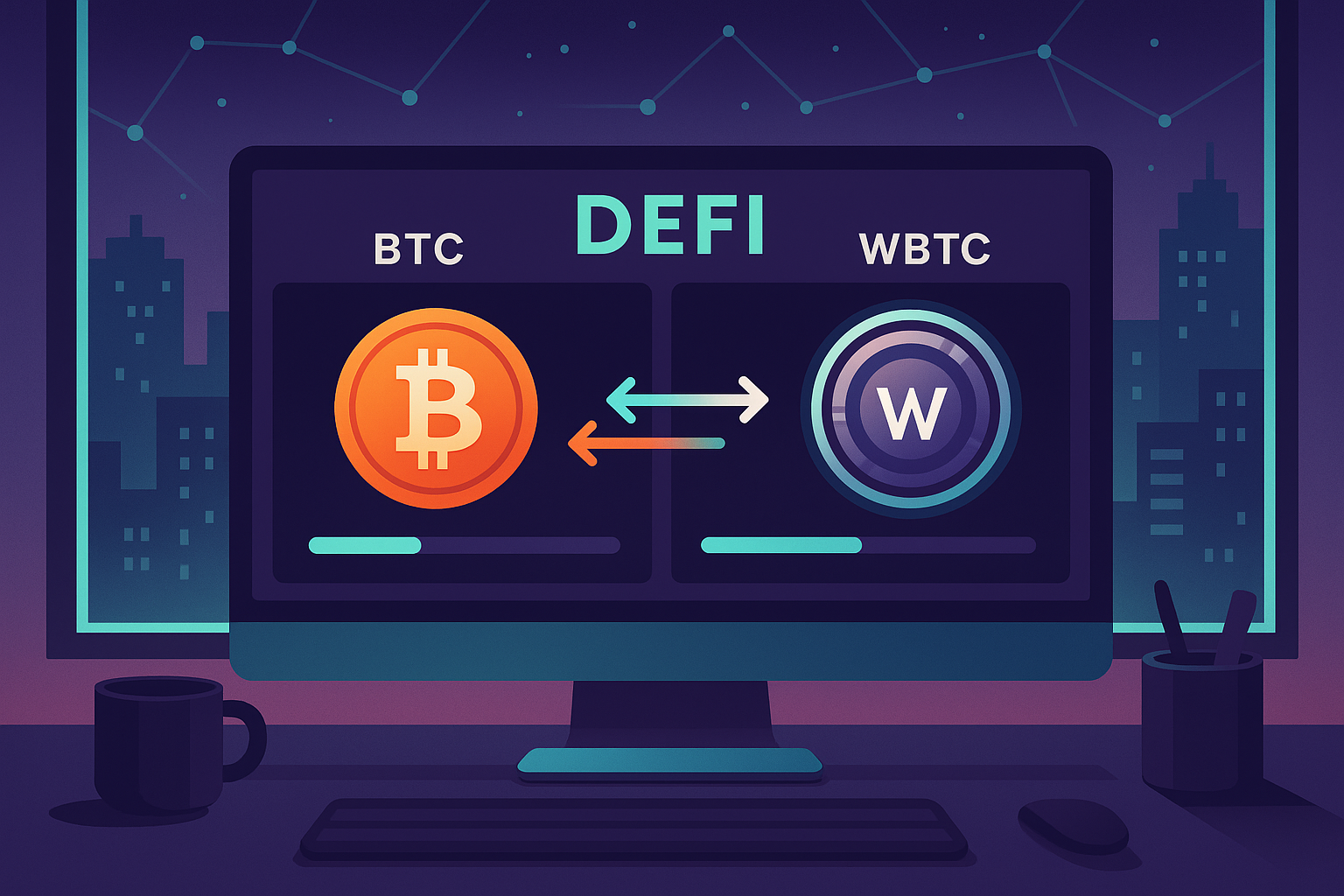
Converting native Bitcoin (BTC) into Wrapped Bitcoin (WBTC) has become a key step for anyone who wants to bridge value from the Bitcoin network into the Ethereum and EVM DeFi ecosystem. A btc to wbtc swap lets you continue holding BTC exposure while gaining access to lending, yield farming, liquidity pools, and DEX trading on chains that support ERC-20 tokens.
Today, you do not need to go through a complex custodial process or open accounts with multiple services just to wrap your BTC. With the right btc to wbtc swap tool, you can turn BTC into WBTC in a single, simple transaction.
This guide explains what WBTC is, why swapping BTC to WBTC matters, the main benefits and risks, and how to complete a practical, step-by-step swap safely and efficiently.
What Is a BTC to WBTC Swap?
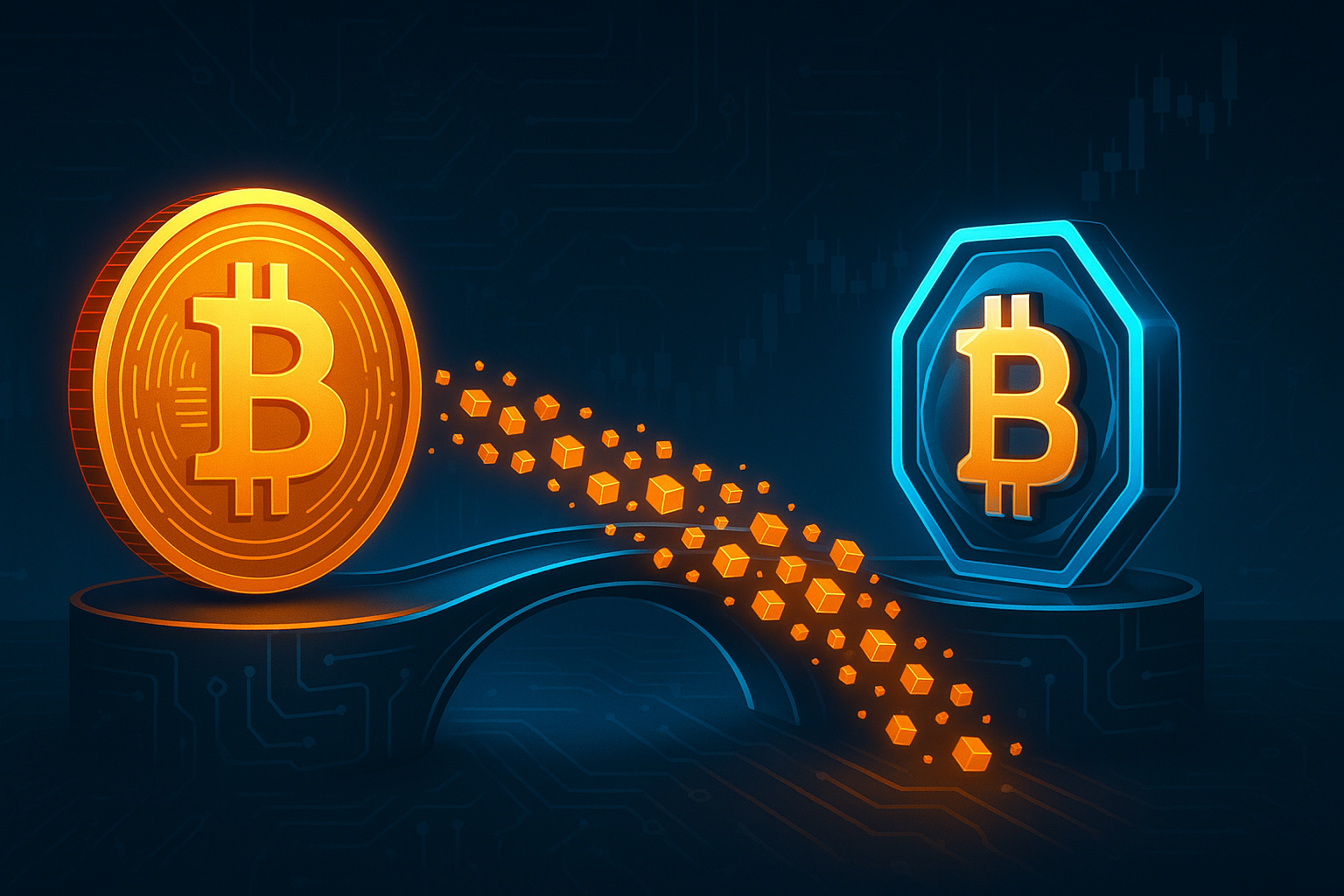
A BTC to WBTC swap is a transaction where you send native Bitcoin on the Bitcoin network and receive an equivalent amount of Wrapped Bitcoin as an ERC-20 token on Ethereum or another compatible chain.
Key points:
- BTC is Bitcoin on the Bitcoin blockchain.
- WBTC is a token that represents Bitcoin, typically at a 1:1 ratio, on Ethereum or EVM chains.
- The swap process handles the cross-chain movement and conversion for you.
In practice, you are not changing the underlying asset exposure much: 1 WBTC is designed to mirror the value of 1 BTC. What you gain is compatibility with smart contracts and DeFi protocols.
Why BTC to WBTC Swaps Matter
1. Bridging Bitcoin Into DeFi
Most DeFi activity originally started on Ethereum and has expanded to EVM compatible chains. Native BTC cannot interact with smart contracts on those networks directly. By converting BTC into WBTC, your Bitcoin liquidity becomes usable within:
- Decentralized exchanges (DEXs)
- Lending and borrowing protocols
- Yield farming strategies
- Derivatives and leverage platforms
2. Improving Capital Efficiency
If you are a long-term Bitcoin holder, your BTC might sit idle in a wallet or cold storage. While this is safe, it is not capital efficient. A btc to wbtc swap allows you to:
- Keep BTC price exposure
- Deposit WBTC into liquidity pools or lending protocols
- Earn yield or fees while still effectively “holding Bitcoin”
3. Accessing Faster Settlement and More Trading Pairs
Bitcoin block times and network congestion can slow down trading. On Ethereum and other EVM chains, WBTC can settle faster, particularly on rollups or sidechains, and you get access to a broad range of trading pairs like WBTC/ETH, WBTC/USDC, and more.
Key Benefits of Swapping BTC to WBTC
1. DeFi Access Without Selling Your BTC
A core benefit is that you do not have to sell BTC for ETH or stablecoins just to participate in DeFi. Instead, you:
- Swap BTC to WBTC
- Deploy WBTC in DeFi strategies
- Maintain Bitcoin market exposure
This is especially useful if you are bullish on BTC long term but still want to earn yield or use collateralized borrowing.
2. Non-Custodial Control (Depending on the Service)
Some swap services and DeFi protocols are fully non-custodial, meaning you retain control of your private keys and assets throughout the process. A non-custodial swap is often preferred for:
- Security-conscious users
- Traders who dislike centralized custody risk
- Users who want fewer KYC requirements
3. Improved Liquidity and Trading Flexibility
WBTC is one of the most liquid wrapped Bitcoin assets in DeFi. This opens up:
- Tighter spreads on DEXs
- Multiple arbitrage and hedging possibilities
- Easier movement between protocols without going back to Bitcoin mainnet every time
4. Faster Integrations Across Chains
Because WBTC is ERC-20 based, it can also be bridged across various EVM chains and L2s that support the token. Instead of cross-chain bridging BTC directly, you often:
- Swap BTC to WBTC on Ethereum or a supported network
- Use standard bridges or native bridges to move WBTC across chains
Risks and Drawbacks of BTC to WBTC Swaps
No crypto process is risk-free. Before using a btc to wbtc swap, consider these key risk areas.
1. Custodial vs Non-Custodial Wrapping
Traditional WBTC minting is custodial at its core. A centralized entity or consortium holds BTC reserves while issuing WBTC on Ethereum. While this is widely used, it introduces:
- Custodian risk if the entity is compromised, mismanages funds, or becomes insolvent
- Regulatory risk if authorities intervene with custodial operations
Hybrid or DeFi-based swap platforms may abstract part of this risk, but the backing model is important to understand. Always verify:
- How WBTC is backed and audited
- Who holds the BTC reserves
- Whether proof-of-reserves data is available
2. Smart Contract Risk
Because WBTC lives on smart contract platforms, you introduce:
- Potential contract bugs in token contracts
- Vulnerabilities in DeFi protocols where you deposit WBTC
- Bridge or swap contract risk when moving across chains
Mitigation practices:
- Stick to audited and battle-tested protocols
- Check security reports, bug bounties, and community reputation
- Start with smaller amounts before scaling up
3. Network and Fee Volatility
Both Bitcoin and Ethereum are subject to network congestion and volatile gas fees. This can impact:
- Total cost of the btc to wbtc swap
- Speed of confirmations
- Profitability of small transactions
If BTC or ETH gas fees spike, it may not be economical to swap very small amounts.
4. Price Slippage and Execution Risk
If your swap is routed through liquidity pools, AMMs, or market makers, you may face slippage, particularly on large orders. To reduce this:
- Use platforms that show clear pricing before confirmation
- Avoid trading during extreme volatility if possible
- Break very large orders into smaller chunks, if the interface allows
Step-by-Step Guide: How to Perform a BTC to WBTC Swap
Below is a generic, practical walkthrough of how a btc to wbtc swap typically works. Exact screens differ between services, but the process is similar.
Step 1: Prepare Your Wallets
You need:
- A Bitcoin wallet that holds your BTC
- An Ethereum or EVM-compatible wallet (such as MetaMask or another web3 wallet) prepared to receive WBTC
Make sure you:
- Back up your seed phrases securely
- Have a small amount of ETH (or the relevant gas token) to pay transaction fees on the destination chain
Step 2: Choose a Swap Platform
Select a platform that supports direct BTC to WBTC conversion. Ideally, look for:
- Clear, transparent rates
- No or minimal registration requirements
- Non-custodial design, where you always control your keys
- Positive community feedback and security focus
Many users prefer services that let them swap crypto instantly without lengthy onboarding.
Step 3: Select BTC as Input and WBTC as Output
On the swap page:
- Choose BTC as the asset you will send
- Select WBTC as the asset you want to receive
- Enter the amount of BTC you wish to swap
The interface should display:
- Estimated WBTC you will receive
- Network fees or service fees
- Estimated completion time
Step 4: Enter Your Receiving Address
Provide your Ethereum or EVM wallet address where WBTC will be sent. Double check:
- The address is on the correct network (Ethereum mainnet or specified chain)
- You have full control over the private keys to this wallet
Mistakes at this stage can be irreversible, so verify character-by-character or use a trusted QR code.
Step 5: Confirm the Swap Details
Before sending any BTC, carefully review:
- BTC amount to send
- WBTC amount and expected rate
- Destination network and address
- Time limit for your BTC deposit (some services generate a temporary deposit address)
If the platform allows, set slippage or other protective parameters.
Step 6: Send BTC to the Provided Address
The platform will show you a Bitcoin address or QR code where you must send your BTC. From your Bitcoin wallet:
- Paste or scan the deposit address
- Enter the exact BTC amount shown on the swap page
- Choose a reasonable miner fee for timely confirmation
- Broadcast the transaction
Most services will wait for a certain number of Bitcoin block confirmations before processing the swap.
Step 7: Wait for Confirmation and WBTC Delivery
Once your BTC transaction is confirmed on the Bitcoin network, the platform completes the swap and sends WBTC to your specified EVM wallet. You will then:
- See the WBTC balance in your wallet (you may need to add the WBTC token contract if it is not visible by default)
- Be free to use WBTC across DeFi protocols, DEXs, or bridges
Step 8: Verify Your WBTC and Use It in DeFi
After receiving WBTC:
- Check the token contract address against an official or reputable source
- Confirm the exact amount you received
- Test a small DeFi interaction first, like a tiny swap or deposit, before committing larger amounts
Practical Tips for a Safe and Efficient BTC to WBTC Swap
1. Always Verify URLs and Contracts
Phishing and spoofed sites are common in crypto. To protect yourself:
- Bookmark the official swap URL and always access from that bookmark
- Never follow swap links from random DMs or comments
- Use reputable explorers (such as Etherscan) to confirm WBTC contract addresses
2. Start With a Small Test Transaction
Especially if it is your first time using a new platform:
- Swap a small amount of BTC first
- Confirm that WBTC arrives correctly and is usable
- Only then proceed with a larger amount
This reduces the impact of any mistakes or unexpected issues.
3. Plan Around Network Fees
To optimize total costs:
- Monitor Bitcoin and Ethereum gas fees using network trackers
- Consider swapping during off-peak times for lower fees
- Avoid very tiny swaps that could be swallowed by fees
4. Use a Hardware Wallet for Larger Amounts
If you are moving large amounts of BTC or WBTC:
- Store your keys on a hardware wallet whenever possible
- Use a reputable interface that supports hardware signing
- Confirm all addresses and details on the device screen before approving
5. Understand How You Will Unwrap Back to BTC
Before you even swap BTC to WBTC, think ahead:
- How will you convert WBTC back to BTC if you need to?
- Which platforms or routes will you use for the return trip?
- What are the likely fees and timelines?
Having an exit plan helps you stay flexible and reduces stress if you need liquidity back on the Bitcoin network.
6. Keep Records for Tax and Compliance
In many jurisdictions, crypto swaps, including BTC to WBTC, can be taxable events. While regulations vary, best practice is to:
- Record date, time, and amount of every swap
- Note transaction hashes on both Bitcoin and Ethereum
- Use portfolio or tax tools that support cross-chain transactions
Conclusion: Is a BTC to WBTC Swap Right for You?
A btc to wbtc swap is a powerful way to unlock your Bitcoin’s potential in the DeFi world. By converting BTC into WBTC, you gain:
- Access to DeFi strategies and lending markets
- Greater trading flexibility on DEXs
- The ability to keep BTC exposure while earning additional yield
At the same time, you should carefully weigh risks like custodial exposure, smart contract vulnerabilities, and fee volatility. Using a reputable, privacy-focused private exchange that supports direct BTC to WBTC conversion can make the process far smoother and more secure.
If you take basic precautions, verify addresses and contracts, start small, and keep good records, swapping BTC to WBTC can be an effective strategy to bridge the gap between Bitcoin’s store-of-value strength and DeFi’s composable, yield-generating opportunities.
Ready to Swap?
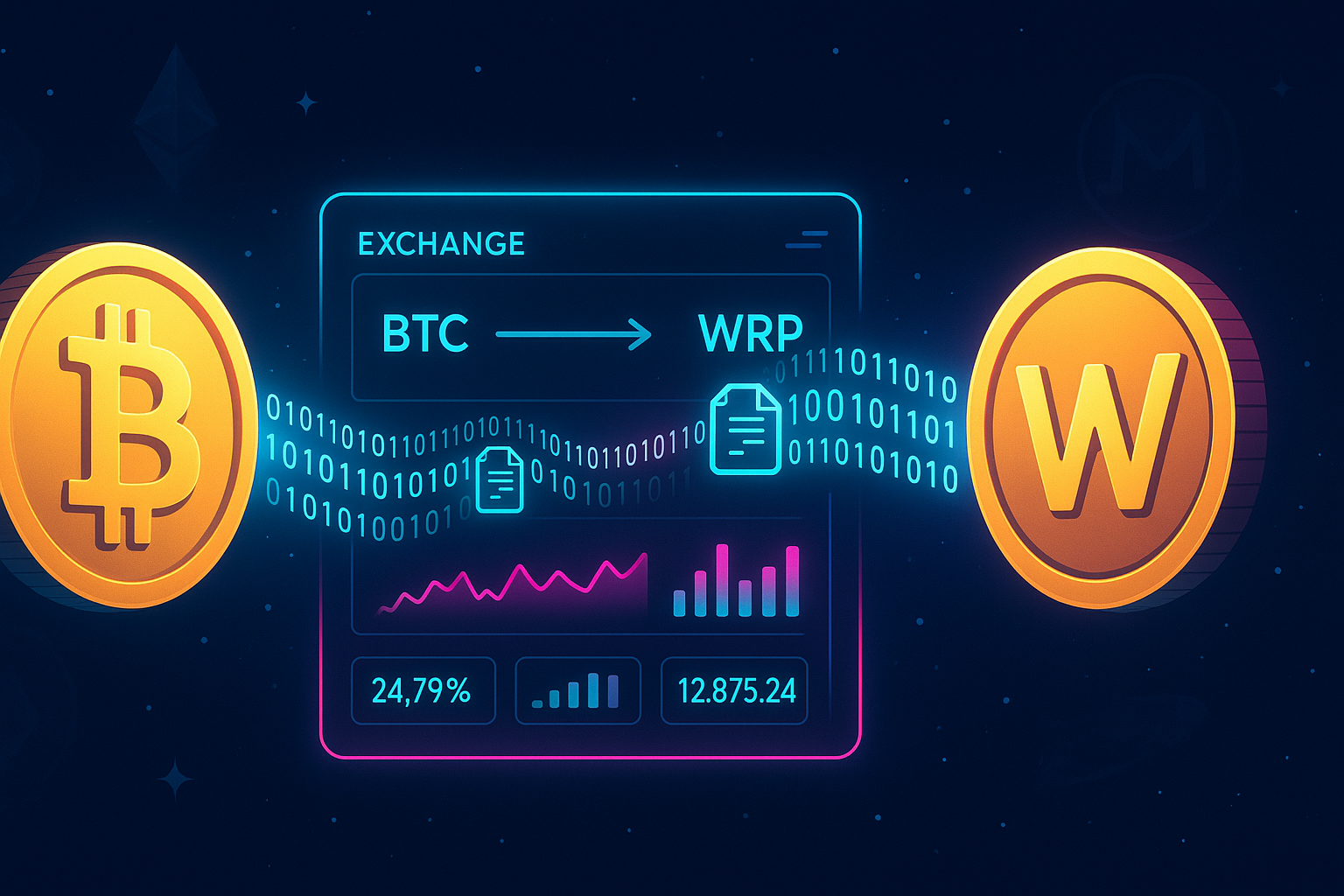
Convert your crypto instantly on GhostSwap — no KYC, no sign-up required.
Popular swaps: BTC to XMR | BTC to ETH | XMR to BTC | ETH to XMR | BTC to SOL