How to Make a BTC to SUI Swap Safely and Efficiently
Introduction
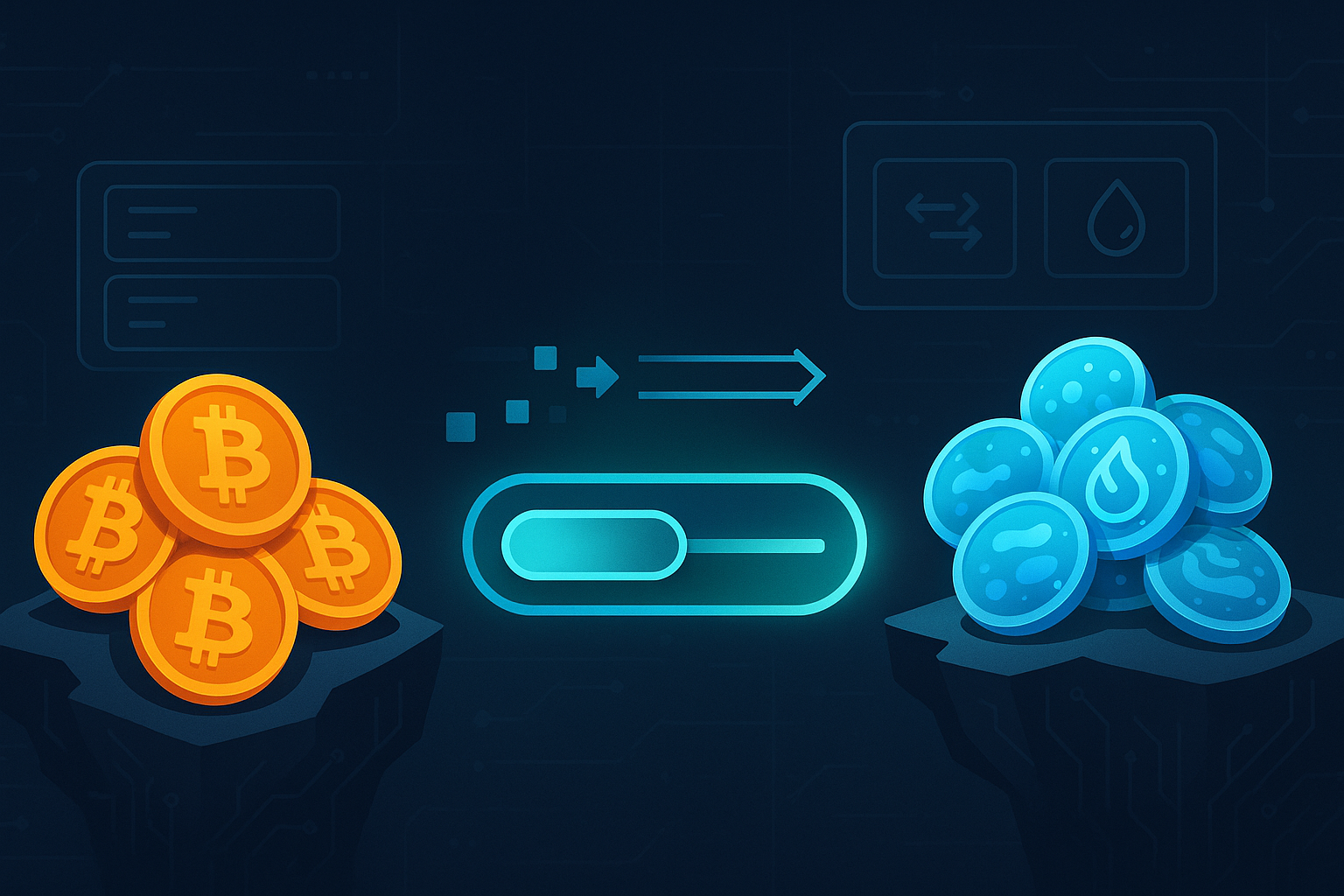
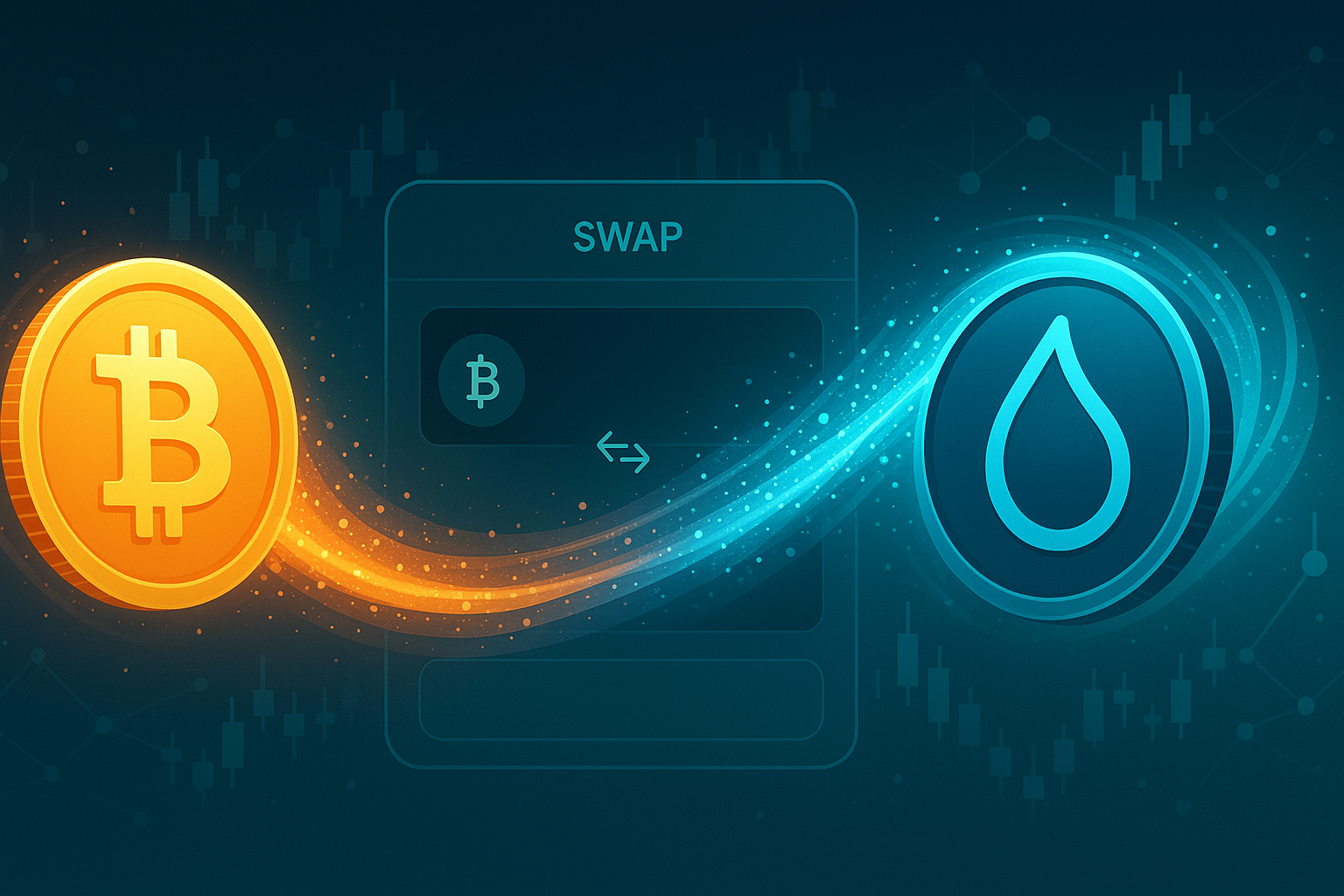
Bitcoin (BTC) remains the largest and most recognized cryptocurrency, but newer ecosystems like Sui are gaining attention for their speed, low fees, and developer friendliness. If you hold BTC and want exposure to the Sui ecosystem, learning how to execute a secure, cost‑efficient btc to sui swap is the first step.
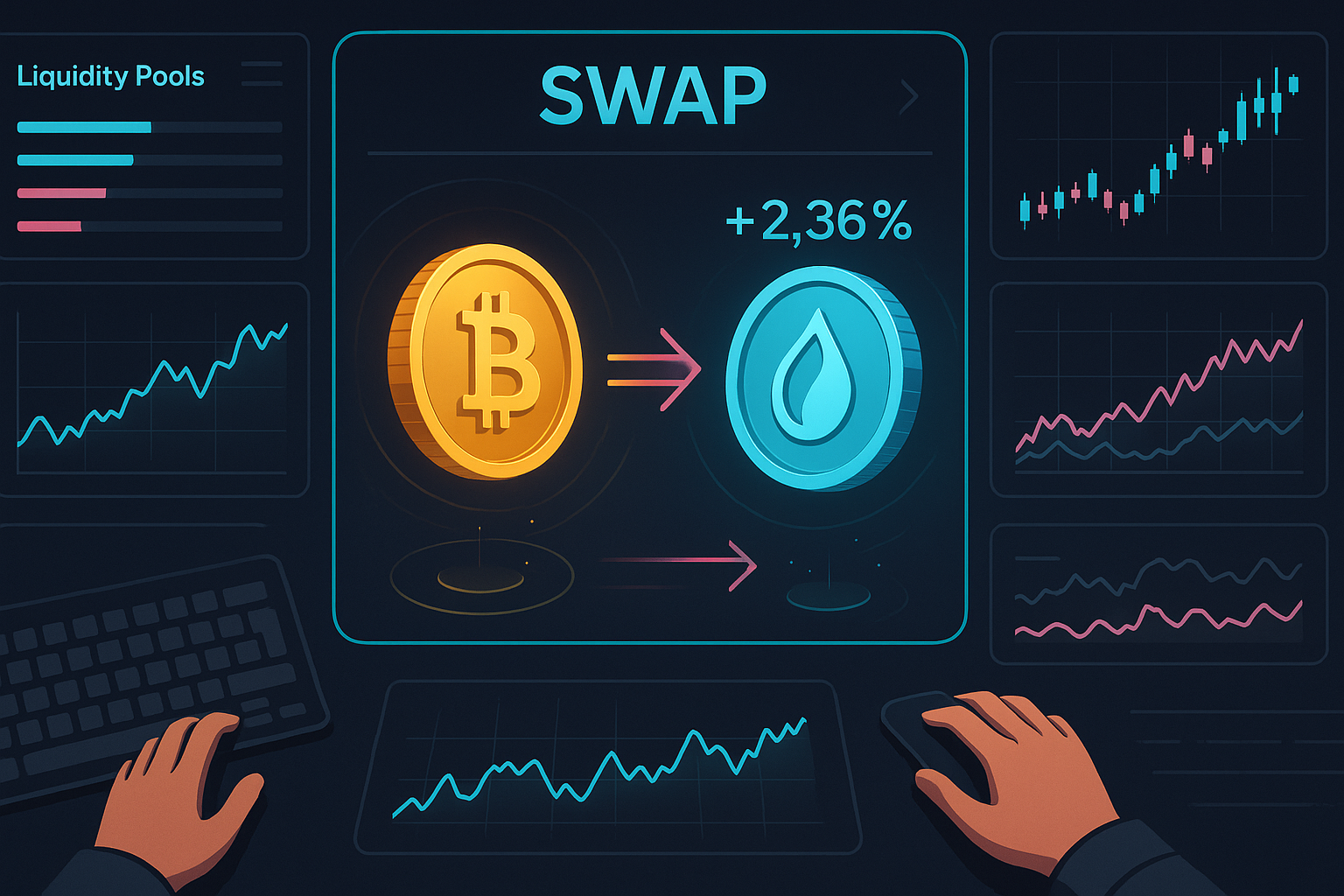
Today it is easier than ever to convert BTC to SUI without creating an account on a centralized exchange or passing lengthy KYC. With non‑custodial swap services such as btc to sui swap tools, you can trade directly from your own wallet while retaining full control of your keys.
This guide explains why swapping BTC to SUI matters, the main benefits and risks, and walks you through a practical step‑by‑step process. Whether you are a trader, DeFi user, or long‑term investor exploring Sui, you will find everything you need to get started safely.
Why a BTC to SUI Swap Matters
1. Access to a High‑Performance Layer 1
Sui is a modern layer 1 blockchain designed for high throughput, low latency, and very low transaction fees. By converting BTC to SUI, you can:
- Use Sui for gas to interact with on‑chain applications
- Explore DeFi protocols, DEXs, and lending platforms built on Sui
- Participate in NFT markets and gaming projects on the Sui network
BTC by itself is not a smart‑contract‑native asset on Sui. Swapping to SUI gives you the “native fuel” required for activity in the ecosystem.
2. Portfolio Diversification
Bitcoin is often treated as a store of value, while Sui is a growth‑oriented infrastructure play. Moving a portion of BTC into SUI can:
- Increase your exposure to a different risk/return profile
- Balance a primarily BTC‑heavy portfolio with a more experimental asset
- Position you early in a developing ecosystem with unique technology
Of course, diversification doesn’t guarantee returns, but it can help manage risk across different narratives and market cycles.
3. On‑Chain Yield and Utility
Once you complete a btc to sui swap, your SUI can potentially be:
- Staked to secure the network and earn rewards
- Supplied as liquidity on Sui‑based DEXs
- Used as collateral in lending protocols
- Spent within dApps, games, and NFT marketplaces
BTC, particularly when held off‑chain, does not readily plug into these Sui‑specific opportunities without additional wrapping or bridging.
Key Benefits of Swapping BTC to SUI
1. Non‑Custodial Control
Using a non‑custodial service keeps your funds in your own wallet until the swap occurs. Unlike centralized exchanges, you do not need to deposit to a platform that can freeze withdrawals or suffer from custodial risk.
Services that support a non-custodial swap from BTC to SUI let you retain ownership of your keys and reduce counterparty exposure.
2. No Mandatory KYC on Many Swaps
Account‑less swap platforms typically:
- Do not require registration or login for standard‑size swaps
- Ask for no personal information for regular use
- Process your transaction solely based on your wallet addresses
For users who prioritize privacy and convenience, the ability to swap without lengthy verification is a major draw.
3. Convenience and Speed
A streamlined btc to sui swap flow lets you:
- Avoid multiple deposits and withdrawals across exchanges
- Complete a single transaction from your Bitcoin wallet to your Sui wallet
- Receive SUI often within minutes of Bitcoin network confirmation
The only real delay is usually the time required for Bitcoin confirmations, which the swap service uses to ensure your BTC transaction is final.
4. Better Alignment With Sui Use Cases
Holding SUI instead of BTC on Sui:
- Ensures you have gas to pay for transactions
- Lets you engage more directly with Sui‑native DeFi and NFTs
- Enables easier participation in ecosystem incentives or airdrops that require SUI
If your goal is to be active on Sui rather than just hold BTC, converting part of your stack makes practical sense.
Risks and Drawbacks to Consider
No crypto swap is free of risk. Before converting BTC to SUI, make sure you understand the trade‑offs.
1. Price Volatility
Both BTC and SUI are volatile assets. When swapping:
- You are exposed to SUI price risk after the swap completes
- The BTC/SUI rate can move while your transaction is confirming
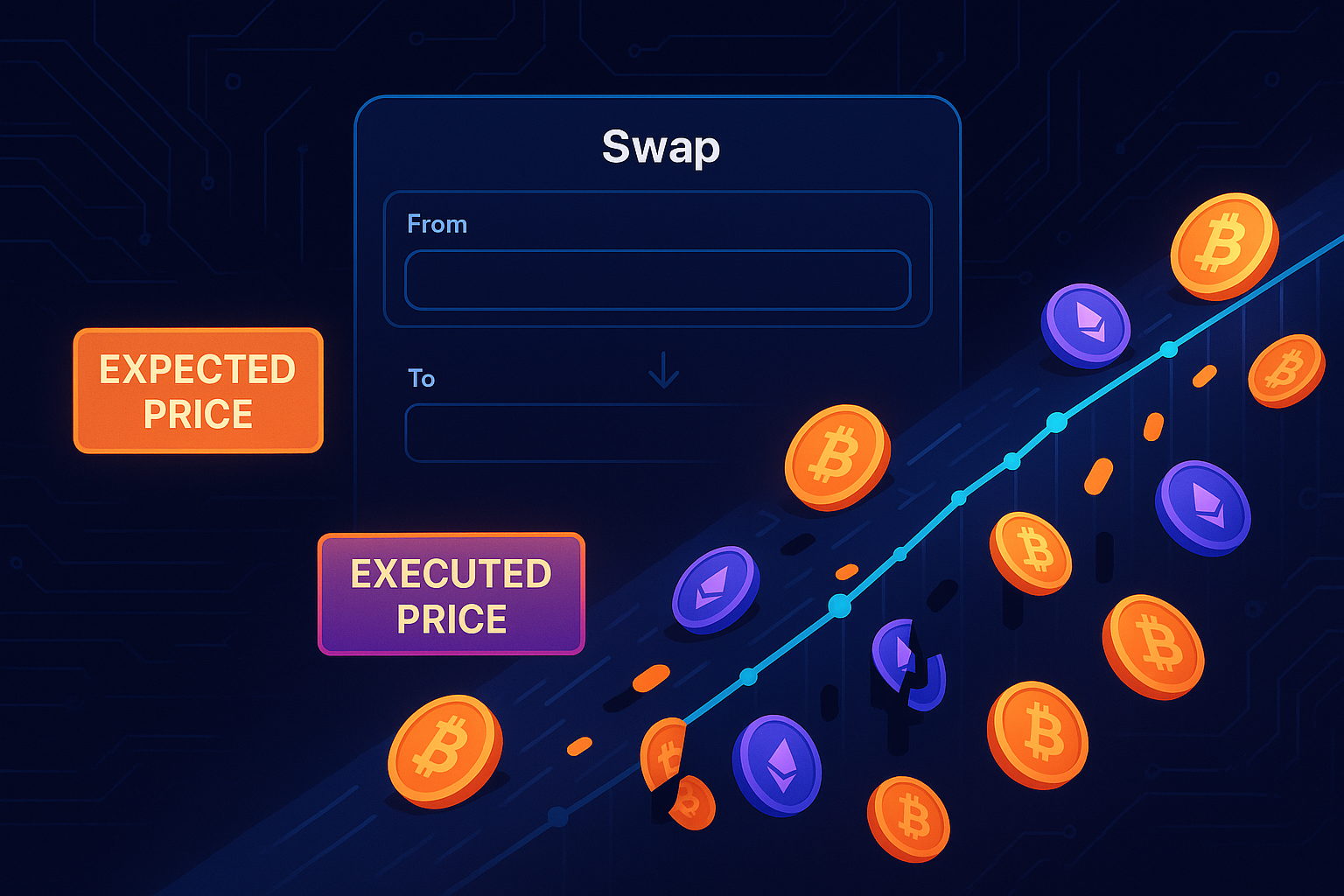
- Market spreads and slippage can impact the amount of SUI you receive
Most swap platforms offer either floating rates (more flexible, but may vary) or fixed rates (locked for a short time, often at a small premium). Choose based on your risk tolerance.
2. Network Fees
Swapping BTC to SUI involves:
- A Bitcoin network fee for sending BTC
- Service fees or spreads charged by the swap provider
- Potentially a small fee on Sui when receiving or moving SUI afterwards
If you swap very small amounts, fees might become disproportionally large. It is usually better to swap in reasonable size batches.
3. Counterparty and Smart Contract Risk
Even with non‑custodial swaps, you rely on:
- The swap engine or routing logic to function correctly
- Back‑end liquidity providers to deliver SUI
- Smart contracts or infrastructure that could theoretically have bugs or downtime
Use platforms with strong reputations, transparent terms, and a track record of reliable payouts.
4. Irreversible Transactions
Crypto transfers are generally final. Mistakes can be costly:
- Sending BTC to the wrong address can result in permanent loss
- Using an incompatible Sui address format may prevent you from receiving funds
- Selecting the wrong network (for other assets) can cause issues
Double‑check every address and amount before confirming.
Step‑by‑Step Guide: How to Complete a BTC to SUI Swap
Below is a general process you can follow. Specific interfaces will vary, but most non‑custodial swaps follow a similar pattern.
Step 1: Prepare Your Wallets
- Bitcoin wallet: You need BTC in a wallet that lets you send to a standard Bitcoin address (SegWit or legacy). This can be a hardware wallet, mobile wallet, or desktop client.
- Sui wallet: Install and set up a Sui‑compatible wallet (for example, a browser extension or mobile app) and securely back up your seed phrase.
Copy your Sui address and verify it is correct within your wallet interface.
Step 2: Choose a Swap Platform
Visit a trusted service that supports BTC to SUI. A privacy‑focused, private exchange for BTC to SUI can be useful if you want a quick, non‑custodial trade.
When choosing a platform, evaluate:
- User reviews and community feedback
- Uptime and transaction success statistics if available
- Clarity of fees and rates prior to swap
Step 3: Select the BTC to SUI Pair
On the swap interface:
- Choose BTC as the asset you send.
- Select SUI as the asset you want to receive.
- Enter the amount of BTC you wish to convert. The interface should show an estimated SUI output.
Check whether you are using a floating or fixed rate and how long any rate lock lasts.
Step 4: Enter Your Sui Receiving Address
Paste your Sui wallet address into the destination field. Good practices include:
- Copying directly from your wallet instead of typing manually
- Verifying the first and last few characters match your wallet view
- Saving the address in a secure, easily accessible place for future swaps
Some platforms will also ask for a refund address for BTC in case something goes wrong. Use your own BTC wallet for that.
Step 5: Review Fees and Confirm the Order
Before sending any BTC:
- Review the expected SUI amount and rate
- Check service fees or network costs listed
- Read any time limits (for example, “Send BTC within 20 minutes”)
If everything looks correct, confirm the order to generate a BTC deposit address for the swap.
Step 6: Send Your BTC to the Provided Address
From your Bitcoin wallet:
- Copy the swap service’s BTC deposit address.
- Paste it into your send screen and verify it carefully.
- Enter the exact BTC amount requested, including decimals, to avoid processing delays.
- Choose a suitable transaction fee for confirmation speed.
- Broadcast the transaction.
The swap platform typically shows an order or transaction status page where you can follow confirmations.
Step 7: Wait for Confirmations and Receive SUI
Once your BTC transaction receives the required number of confirmations:
- The swap service detects the payment.
- Your order status updates to processing/completed.
- SUI is sent to your specified Sui wallet address.
Check your Sui wallet for the incoming SUI balance. For transparency, you can also confirm on a Sui block explorer using your address.
Practical Tips for a Smooth BTC to SUI Swap
1. Start With a Small Test Amount
If you are trying a platform for the first time:
- Swap a small amount of BTC initially.
- Verify that SUI arrives correctly in your wallet.
- Scale up to larger amounts once you are comfortable.
This lowers your risk in case of user error or misunderstanding.
2. Watch Network Conditions
High congestion on the Bitcoin network can:
- Increase fees for your BTC transaction
- Slow down confirmations and extend swap time
If you are not in a rush, waiting for calmer conditions can save fees and reduce stress.
3. Double‑Check Addresses and Networks
To avoid irreversible mistakes:
- Confirm you are using a valid Sui address format, not another chain’s address.
- Ensure you have copied the swap provider’s BTC address exactly, with no characters missing.
- Verify that your wallet is set to the correct network (for example, Sui mainnet if you want real funds).
4. Understand Limits and Compliance Rules
Swap platforms often have:
- Minimum and maximum swap amounts per transaction
- Daily or monthly volume caps, especially for no‑KYC tiers
- Automated checks to prevent suspicious activity
Read the platform’s FAQ or documentation so you do not run into unexpected limits or delays.
5. Keep Records for Your Own Tracking
For personal accounting and tax purposes:
- Save transaction IDs (TXIDs) for both BTC and SUI transfers.
- Note the approximate USD value of BTC and SUI at the time of the swap.
- Store screenshots or confirmations in a secure location if you need to reconcile later.
Conclusion: Is a BTC to SUI Swap Right for You?
Swapping BTC to SUI is a practical way to move from Bitcoin’s store‑of‑value role into an ecosystem built for scalable DeFi, NFTs, and high‑speed transactions. With a reliable swap crypto instantly service, you can maintain non‑custodial control, avoid traditional exchange accounts, and gain Sui exposure in just a few steps.
Whether this move fits your strategy depends on:
- Your risk tolerance and time horizon
- Your interest in using Sui dApps, staking, or yield opportunities
- How much of your portfolio you want to allocate beyond BTC
Approach each btc to sui swap with clear intent, verify all details before sending funds, and start with manageable amounts. Used wisely, this conversion can be a powerful tool to diversify holdings and participate more deeply in the Sui ecosystem while keeping control of your own keys.