BTC to SHIB Swap: How to Exchange Bitcoin for Shiba Inu Safely and Instantly
Introduction
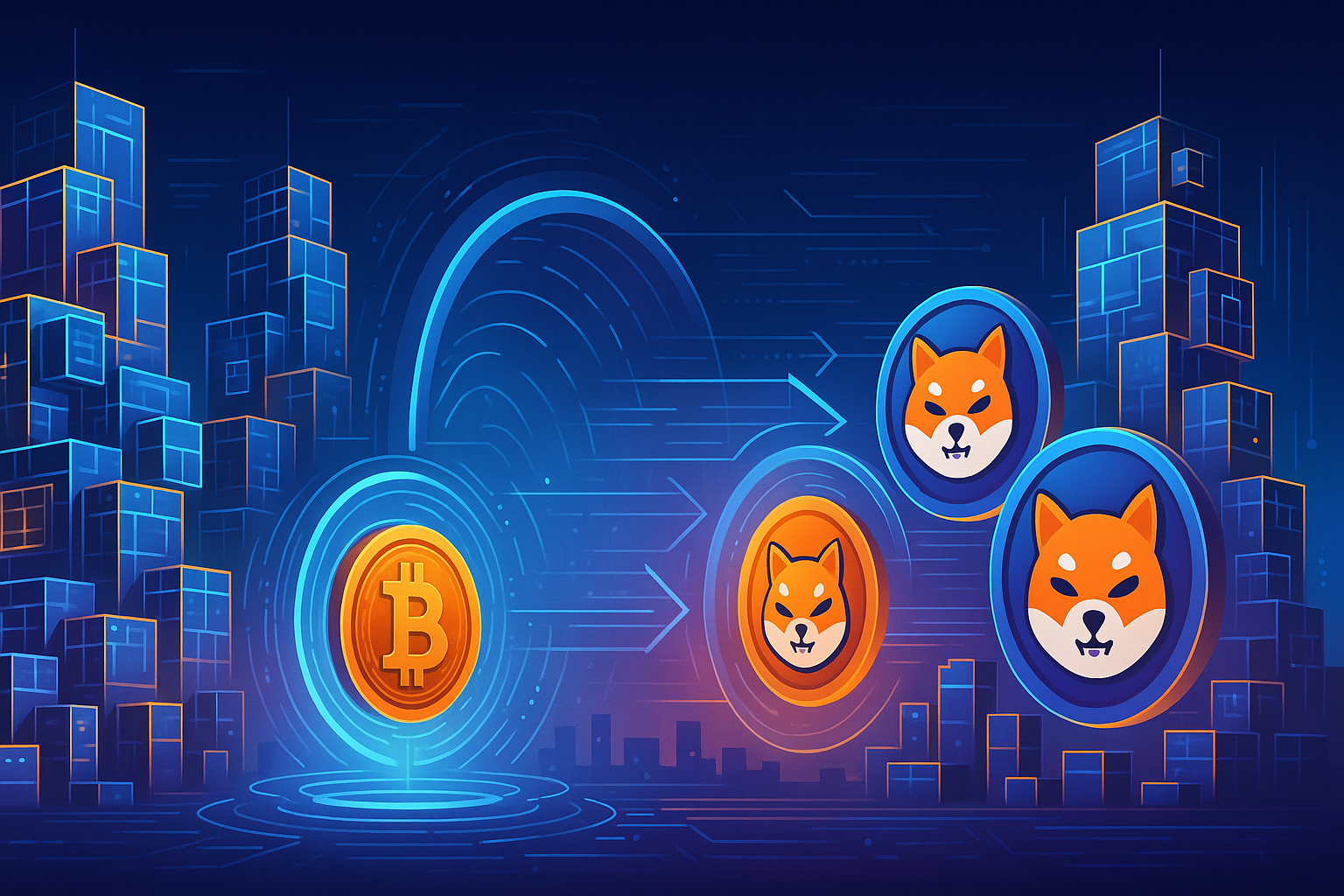
Converting Bitcoin (BTC) into Shiba Inu (SHIB) has become a popular move for traders who want to diversify into meme coins or explore higher risk, higher reward opportunities. With SHIB’s massive community and frequent market action, many holders of BTC are looking for a simple, secure way to perform a btc to shib swap without unnecessary friction, high fees, or privacy compromises.
Instead of going through multiple trading pairs or complicated interfaces, you can use a direct BTC to SHIB converter to simplify the process. Platforms like btc to shib swap tools with non-custodial design let you move from one asset to the other in a single transaction, often without creating an account.
In this guide, you will learn why swapping BTC to SHIB matters, the main benefits and risks, how to complete a swap step by step, and some practical tips to stay safe and efficient while doing it.
Why BTC to SHIB Swap Matters
There are several strategic reasons why crypto users care about a smooth BTC to SHIB swap experience:
1. Diversification of Crypto Holdings
Bitcoin is the leading store-of-value asset in crypto, while Shiba Inu is a community-driven meme token with a different risk profile. Moving a small portion of BTC into SHIB can:
- Increase exposure to high-volatility assets
- Capture potential upside in meme-driven markets
- Balance a portfolio that is heavily concentrated in BTC
2. Access to Ecosystem Utility
SHIB is not just a meme coin. Through the Shiba Inu ecosystem, SHIB can be used for:
- Staking or “burying” in ecosystem products (where supported)
- Participating in DeFi platforms and liquidity pools
- Occasional community events, NFTs, or governance initiatives
To use these features, many users first need to convert some of their Bitcoin into SHIB.
3. Trading and Speculation Opportunities
SHIB often experiences sharp price swings. Traders may want:
- Fast entry when momentum starts building
- Quick exits back into BTC after taking profits
- To avoid going through multiple trading pairs such as BTC/USDT then USDT/SHIB
A direct btc to shib swap route can save time and potentially reduce slippage and fees.
Key Benefits of Swapping BTC to SHIB
1. Direct, Single-Step Conversion
Using a dedicated BTC to SHIB exchange interface lets you go directly from Bitcoin to Shiba Inu in one transaction. This helps you:
- Avoid intermediate stablecoins or extra pairs
- Reduce the number of fees and blockchain transactions
- Minimize exposure to market volatility while you bridge between assets
2. Non-Custodial Control Over Funds
Many modern swap services are non-custodial, which means:
- You never hand over long-term control of your wallet to the service
- Funds move directly from your BTC address to a destination SHIB address
- There is no off-chain user balance that the platform holds for you
Using a non-custodial swap interface for BTC to SHIB keeps you in control and aligns better with crypto’s self-sovereignty principles.
3. Privacy and Convenience
Some swap platforms are designed as a private exchange experience, typically offering:
- No mandatory KYC for reasonable transaction sizes
- Minimal data collection compared to centralized exchanges
- No account registration, emails, or passwords
This can be attractive if you prefer to keep your trading activity more private while still operating within legal and regulatory boundaries for your jurisdiction.
4. Potential Fee Savings
A direct BTC to SHIB conversion may reduce:
- Double trading fees from using intermediate pairs
- Extra withdrawal or deposit fees associated with centralized exchanges
- On-chain gas costs tied to multiple transfer steps
Always compare the effective price, including fees and spread, before committing to a swap.
Risks and Drawbacks of BTC to SHIB Swap
Swapping BTC to SHIB is not risk-free. You should understand the main downsides before proceeding.
1. Volatility Risk
SHIB is significantly more volatile than BTC. This means:
- Your SHIB holdings can gain or lose value quickly
- Sharp market moves can occur during the swap itself
- Short-term speculation can amplify emotional decision making
Only swap an amount you can afford to risk and avoid chasing pumps impulsively.
2. Counterparty and Platform Risk
Even with non-custodial designs, you still rely on the swap service to:
- Calculate accurate rates and fees
- Execute the trade and send SHIB to your wallet
- Handle technical issues or refunds if something goes wrong
Mitigation tips:
- Use services with transparent terms and visible track records
- Test with a small amount before executing a larger swap
- Verify that you are on the correct, authentic website URL
3. Blockchain Network Fees and Delays
BTC and SHIB (typically as an ERC-20 token on Ethereum or on another supported chain) both involve:
- Network fees that can spike during congestion
- Possible confirmation delays affecting swap completion time
- The risk of sending coins to the wrong network if you choose the wrong address format
Double-check which network your SHIB will be on and ensure your receiving wallet supports it.
4. Irreversible Transactions
Crypto transfers are generally irreversible. Common mistakes include:
- Sending BTC from an unsupported wallet type
- Entering an incorrect SHIB destination address
- Using the wrong blockchain network for the SHIB token
If you make these errors, recovery can be extremely difficult or impossible.
Step-by-Step Guide: How to Swap BTC to SHIB
The exact interface may differ between services, but this general workflow applies to most non-custodial swap platforms.
Step 1: Prepare Your Wallets
You will need:
- A wallet that holds the BTC you want to swap
- A wallet address capable of receiving SHIB on the correct network (for example, Ethereum)
Ensure:
- You have full access to your BTC wallet and can send funds
- Your SHIB receiving wallet is compatible with the token standard used (e.g., ERC-20)
- You have enough native token (like ETH, if on Ethereum) to move or interact with SHIB later, if needed
Step 2: Choose a BTC to SHIB Swap Service
Select a platform that supports direct BTC to SHIB conversion. When evaluating options, consider:
- Is it non-custodial?
- Does it show transparent fees and exchange rates?
- Does it offer clear, simple instructions on-screen?
An example would be an interface where you can swap crypto instantly from BTC to SHIB without creating an account.
Step 3: Enter the Swap Amount
On the swap page:
- Select BTC as the asset you are sending.
- Select SHIB as the asset you will receive.
- Enter the amount of BTC you want to convert.
The platform should display:
- An estimated amount of SHIB you will receive
- Any service fees or included spread
- The minimum and maximum allowable amounts for the transaction
Step 4: Provide Your SHIB Receiving Address
Copy your SHIB wallet address from your wallet application and paste it into the recipient field. Then:
- Verify the network (for example, Ethereum mainnet) matches what the service expects
- Double-check at least the first and last characters of the address
- Consider scanning a QR code directly instead of manual typing to avoid errors
Step 5: Confirm the Quoted Rate and Fees
Before sending any BTC:
- Review the estimated SHIB amount you will get
- Check the time limit on the quote, if applicable
- Ensure the platform has not added unexpected charges
If the quote expires during a period of volatility, request a fresh quote before proceeding.
Step 6: Send BTC to the Provided Address
The swap service will give you a deposit address or a special invoice. In your BTC wallet:
- Paste or scan the BTC deposit address.
- Confirm the address matches exactly what is shown on the swap page.
- Send the specified amount of BTC, ensuring you include sufficient miner fee for timely confirmation.
Some platforms provide a countdown timer for how long that deposit address and rate are valid.
Step 7: Wait for Confirmations and Receive SHIB
Once broadcast, your BTC transaction must receive a certain number of confirmations. Then the service will execute the swap and send SHIB to your destination address. Typical steps:
- BTC transaction is detected and confirmed
- Platform executes the trade internally or through liquidity sources
- SHIB is sent to the address you provided
Timing can vary from a few minutes to longer, depending on network conditions and the platform’s confirmation requirements.
Practical Tips for a Safe and Efficient BTC to SHIB Swap
1. Start Small, Then Scale Up
When using a new platform:
- Test with a small BTC amount first
- Verify SHIB arrives correctly and on the right network
- Increase the size of subsequent swaps only after a successful test
2. Always Verify URLs and Smart Contract Details
Scam sites often imitate legitimate ones. To reduce risk:
- Type the URL manually or use trusted bookmarks
- Look for HTTPS and check the certificate details if unsure
- Confirm that the SHIB token in your wallet is the official contract for the network you are using
3. Monitor Market Conditions
Because SHIB is volatile:
- Check the BTC and SHIB price action before swapping
- Be cautious around major news events or extreme market spikes
- Consider waiting for lower volatility if you are a long-term holder rather than a short-term trader
4. Factor in All Costs
Compare the full cost of the swap, including:
- Service fee or spread in the exchange rate
- BTC network fee to send your deposit
- Any gas fees later if you move or trade SHIB on-chain
A slightly better rate with very high gas fees might end up costing more overall.
5. Keep Security Hygiene Strong
Basic operational security helps protect your funds:
- Never share your seed phrase or private keys with anyone
- Use hardware wallets when handling large amounts
- Keep your devices and wallet software updated
- Beware of phishing links sent through email or social media
Conclusion: Is a BTC to SHIB Swap Right for You?
Swapping BTC to SHIB can be a useful strategy for diversifying into meme coins, exploring new ecosystem opportunities, or taking advantage of short-term trading setups. A direct, non-custodial btc to shib swap path removes many of the hurdles that used to require complex trading pairs and centralized exchange accounts.
Before you proceed, weigh the potential upside of SHIB’s volatility against the risks of price swings, platform dependence, and blockchain fees. If you decide the trade fits your risk tolerance and portfolio goals, using a private exchange that supports instant BTC to SHIB swaps can streamline the process while keeping you in control of your funds.
Always double-check addresses, start with small test amounts, and stay informed about market conditions. With careful planning and the right tools, converting BTC to SHIB can be a smooth and secure part of your overall crypto strategy.