BTC to OP Swap: A Complete Guide to Exchanging Bitcoin for Optimism
Introduction
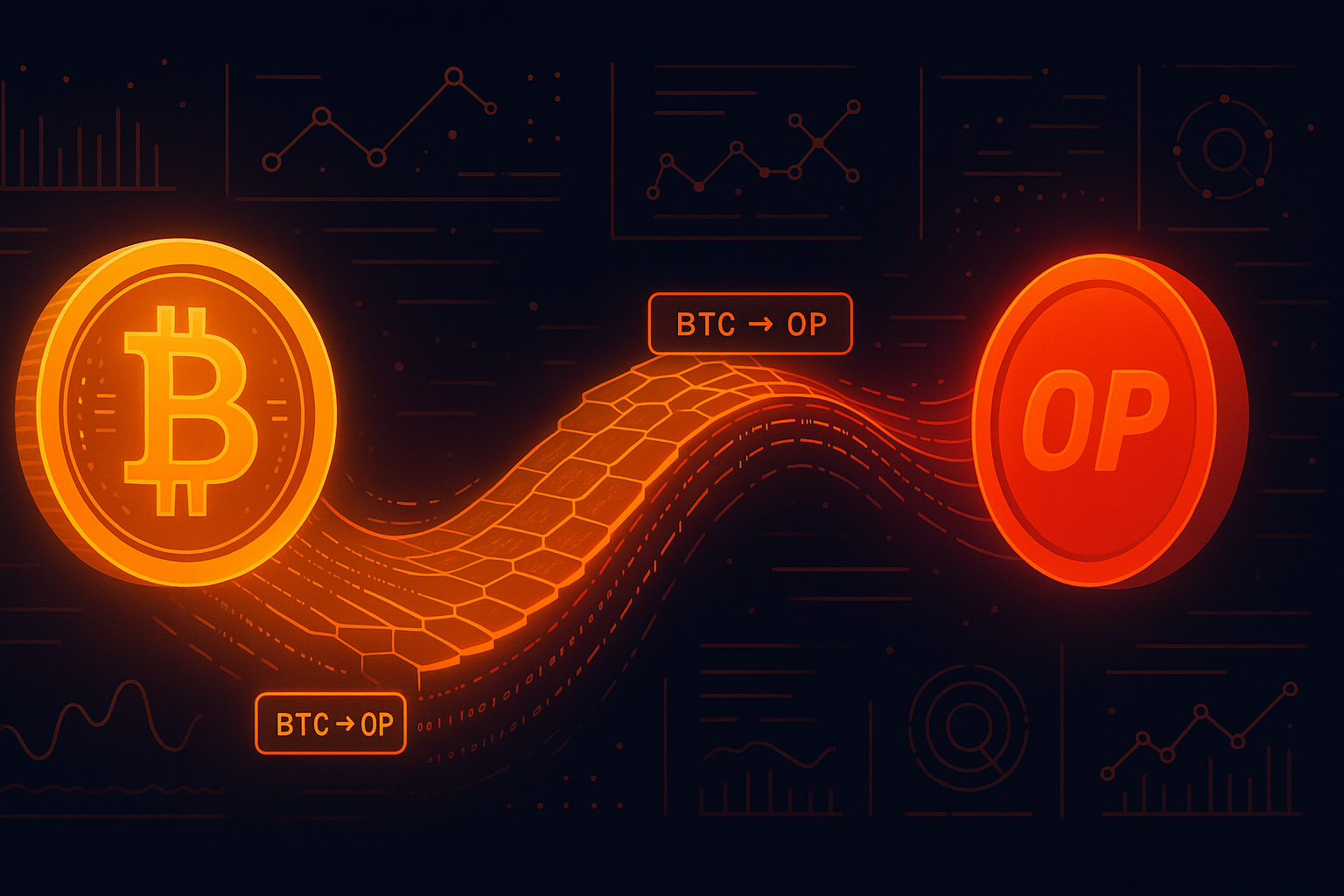
Swapping BTC to OP is becoming a popular move for traders and long-term crypto investors who want exposure to the Optimism ecosystem without going through complex bridges or centralized exchanges. Whether you are bullish on layer 2 scaling, yield opportunities, or simply want to diversify, learning how to execute a secure and efficient btc to op swap can save you both time and fees.
Bitcoin remains the dominant store of value in crypto, but it is not always the most convenient asset to use within DeFi and on-chain ecosystems. OP, the native token of Optimism, powers a fast, low-cost layer 2 network that is tightly integrated with Ethereum. Moving a portion of your BTC into OP gives you access to DeFi apps, governance, and potential ecosystem incentives.
This guide walks you through why BTC to OP swaps matter, their benefits and risks, and a practical step-by-step process. We will also cover how to do it privately with a non-custodial service so you stay in control of your funds at every stage.
Why BTC to OP Swaps Matter
1. Growing importance of layer 2 solutions
Ethereum layer 2 networks like Optimism aim to solve scalability: high fees and slow confirmations on the base layer. They batch transactions off-chain, then settle them on Ethereum for security. OP is central to this ecosystem, often used for:
- Gas fees on Optimism
- Incentives and rewards in DeFi protocols
- Governance and voting on protocol decisions
By converting a portion of your BTC stack into OP, you gain a direct stake in one of the leading layer 2 ecosystems.
2. Diversification beyond Bitcoin
BTC is primarily a store of value. OP is both a utility and governance token, with price driven by network usage, speculation, and protocol growth. Allocating some BTC into OP can:
- Increase diversification across different crypto narratives
- Provide access to new yield strategies (liquidity mining, lending, staking derivatives, etc.)
- Give you voting power within Optimism governance
Swapping between BTC and OP lets you rebalance as market conditions change.
3. Improved usability for DeFi and on-chain activity
It is difficult to use native BTC directly in DeFi. You often need wrapped BTC on Ethereum or other chains, which introduces custodial or smart contract risk. OP, on the other hand, is already native to the Optimism ecosystem and is designed to be used on-chain.
If your primary goal is to interact with dApps, trade on DEXs, or participate in token launches on Optimism, an efficient BTC to OP swap is often the most straightforward path.
Benefits of Swapping BTC to OP
1. Access to fast, low-fee transactions
Optimism significantly reduces transaction costs compared with Ethereum mainnet, while still inheriting its security. By swapping BTC for OP and moving into the Optimism ecosystem, you can:
- Make frequent small trades without prohibitive fees
- Participate in on-chain games, NFTs, and microtransactions
- Use DeFi protocols that would be too expensive on mainnet
2. Non-custodial control
If you use a non-custodial swap service, you do not need to deposit your BTC into a centralized exchange account. Instead, you keep ownership in your own wallet, send a transaction, and receive OP in your destination wallet.
This reduces:
- Counterparty risk from centralized exchanges
- Account freezes, KYC complications, or regional restrictions
- Single points of failure where your assets can be compromised
Look for services that clearly state they are a non-custodial swap and do not require account registration if privacy and control are priorities.
3. Privacy and reduced data exposure
Some users prefer to make swaps without tying their identity, email, or personal data to each transaction. A private exchange that lets you swap crypto instantly can help minimize the amount of information shared while still executing a secure trade.
Privacy-focused, non-custodial services are particularly appealing if you:
- Already manage your own wallets
- Do not want long-term KYC profiles at multiple exchanges
- Value pseudonymous on-chain activity
4. Flexibility in market timing
Fast BTC to OP swaps help you react quickly. If Optimism-related news breaks, liquidity programs launch, or you anticipate a price move, being able to convert BTC to OP in minutes rather than hours can be decisive for traders and active DeFi participants.
Risks and Drawbacks to Consider
No crypto trade or cross-asset swap is risk free. Before making a BTC to OP swap, be aware of:
1. Market and price volatility
OP is generally more volatile than BTC. While this can mean larger upside during bull markets, it also carries higher downside risk.
Key considerations:
- OP’s price can move significantly during your swap process
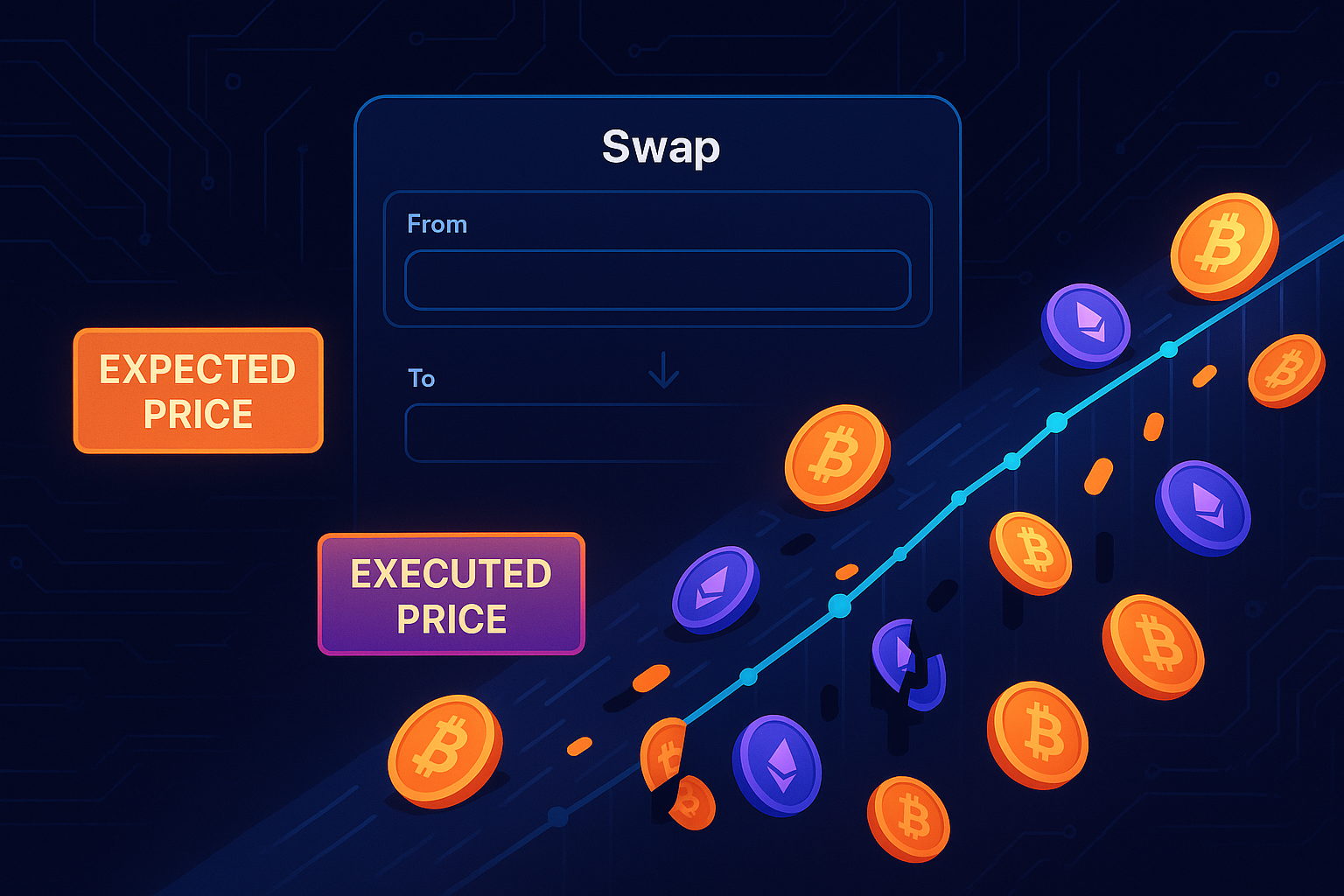
- Slippage on the route used to obtain OP may affect your final amount
- The BTC/OP ratio can change quickly around major news or events
Using services that display expected amounts, slippage controls, or quotes that refresh frequently can help manage these risks.
2. Smart contract and protocol risk
If part of your swap route or subsequent activity uses smart contracts, there is always a risk of:
- Smart contract vulnerabilities or exploits
- Bridge-related issues if tokens move between chains
- Third-party infrastructure failures
To reduce exposure:
- Stick to reputable wallets and protocols with audits and long track records where possible
- Start with small test amounts when using a new service
- Stay informed about major security incidents on the chains you use
3. Counterparty and operational risk in swap services
Even if a service is non-custodial, it still facilitates routing, liquidity sourcing, and transaction processing. Risks include:
- Downtime or maintenance during your swap
- Misconfigured addresses or user error when sending BTC
- Unfavorable rates if you do not compare options
Always verify addresses carefully and check the reputation of any service you rely on.
4. Regulatory and tax implications
Swapping BTC to OP can create a taxable event in many jurisdictions. Potential issues:
- Capital gains or losses triggered on your BTC
- Reporting obligations for cross-asset trades
- Unclear or evolving rules around privacy-centric services
Consult a qualified tax professional in your country if you trade at meaningful size or frequency.
Step-by-Step Guide: How to Swap BTC to OP
This section outlines a typical process using a non-custodial, browser-based swap service that connects to your wallet and does not require centralized exchange accounts.
Step 1: Prepare your wallets
You will need:
- A Bitcoin wallet holding the BTC you want to swap
- An Ethereum-compatible wallet (such as MetaMask) configured with the Optimism network and ready to receive OP
Tips:
- Confirm you control the private keys or seed phrase for both wallets
- Double-check that your Ethereum wallet is properly set to the Optimism network, not Ethereum mainnet, when you expect to receive OP
Step 2: Choose a BTC to OP swap service
Look for a platform that allows you to swap BTC to OP via a non-custodial interface, without requiring account creation or deposits into an internal wallet.
Evaluation checklist:
- Non-custodial: you never relinquish control of your funds to a centralized account
- Transparent rate quotes: you see how much OP you will receive, minus fees
- Clear support for BTC input and OP output on Optimism
- Reputation: community feedback, uptime, and clear documentation
Step 3: Enter swap details
On the swap interface:
- Select BTC as the asset you are sending
- Select OP (on Optimism) as the asset you want to receive
- Enter the amount of BTC you want to swap
- Paste your Optimism-compatible OP receiving address from your Ethereum wallet
Carefully verify:
- The destination address matches your intended Optimism address
- Network selection is correct (Optimism, not another chain)
- The estimated OP output and any minimum amount required
Step 4: Review quote, fees, and timing
The platform will typically show:
- Exchange rate between BTC and OP
- Estimated OP amount you will receive
- Service fee (if any) and expected on-chain network fees
- Time window in which you must send your BTC
If the rate or slippage is not acceptable, you can cancel and re-check later or compare with other services.
Step 5: Send BTC to the provided address
After confirming, the service will typically generate a unique BTC deposit address for your swap.
Steps:
- Copy the BTC address from the swap interface
- In your Bitcoin wallet, initiate a transaction to that address
- Double-check the destination address, amount, and network (Bitcoin mainnet)
- Send the transaction and save the transaction ID (TXID) for reference
The service will wait for a certain number of confirmations before routing the trade and sending OP to your Optimism address.
Step 6: Receive OP in your Optimism wallet
Once your BTC transaction has confirmed and the swap is processed:
- Open your Ethereum wallet and ensure the network is set to Optimism
- Look for the incoming OP balance
- If OP does not display automatically, you may need to add the OP token contract address to your wallet’s token list
Most services will also show a status page where you can track:
- BTC received
- Swap in progress
- OP sent along with its TXID
Practical Tips for a Smooth BTC to OP Swap
1. Start with a small test amount
When using a new platform or wallet combination, begin with a small BTC amount to verify:
- Addresses are correct
- OP arrives on the right network
- The process is as expected
If everything works, you can proceed with larger amounts more confidently.
2. Factor in all fees and spreads
The true cost of a swap is not just one explicit fee. It may include:
- Trading spread between BTC and OP
- Network fees on the Bitcoin side
- Network fees on the Optimism/Ethereum side, if applicable
- Service or routing fees
Compare the final OP amount against other routes (such as CEX plus withdrawal to Optimism) to decide which method is efficient for your size.
3. Be mindful of timing and network conditions
High Bitcoin network congestion can slow confirmations and affect when your swap completes. Similarly, sudden spikes in OP trading volume may change the rate quickly.
To optimize timing:
- Avoid peak congestion hours when possible
- Refresh quotes before sending BTC to ensure you still accept the rate
- Do not rush; double-check details even in volatile markets
4. Maintain security best practices
Swaps involve multiple touchpoints: your Bitcoin wallet, your Optimism wallet, and the swap interface. To reduce security risks:
- Only access swap platforms through verified URLs or bookmarks
- Use hardware wallets where possible for large balances
- Keep seed phrases offline and never enter them into browser windows
- Beware of phishing links in emails or social media
5. Keep records for tracking and taxes
Save or export:
- BTC transaction IDs
- OP receipt transaction IDs
- Timestamps and amounts at the time of the swap
Accurate records simplify portfolio tracking, cost basis calculation, and compliance with local regulations.
Conclusion: Is a BTC to OP Swap Right for You?
Swapping BTC to OP is a practical way to bridge the gap between Bitcoin’s strength as a store of value and Optimism’s role as a fast, scalable smart contract ecosystem. If you are interested in DeFi on Optimism, governance participation, or speculative exposure to layer 2 growth, converting a portion of your BTC can be a strategic move.
The key is to approach the process thoughtfully:
- Understand the benefits and risks of OP compared with BTC
- Use a non-custodial, privacy-aware swap service when control and discretion matter
- Verify all details step by step and start with smaller amounts
When you are ready to act, you can use a private, non-custodial BTC to OP swap service to move between assets without relying on centralized exchanges or complex bridging setups. With the right tools and precautions, BTC to OP swaps can become a seamless part of your broader crypto strategy.