How to Make a BTC to MATIC Swap: A Complete, SEO-Friendly Guide
Introduction
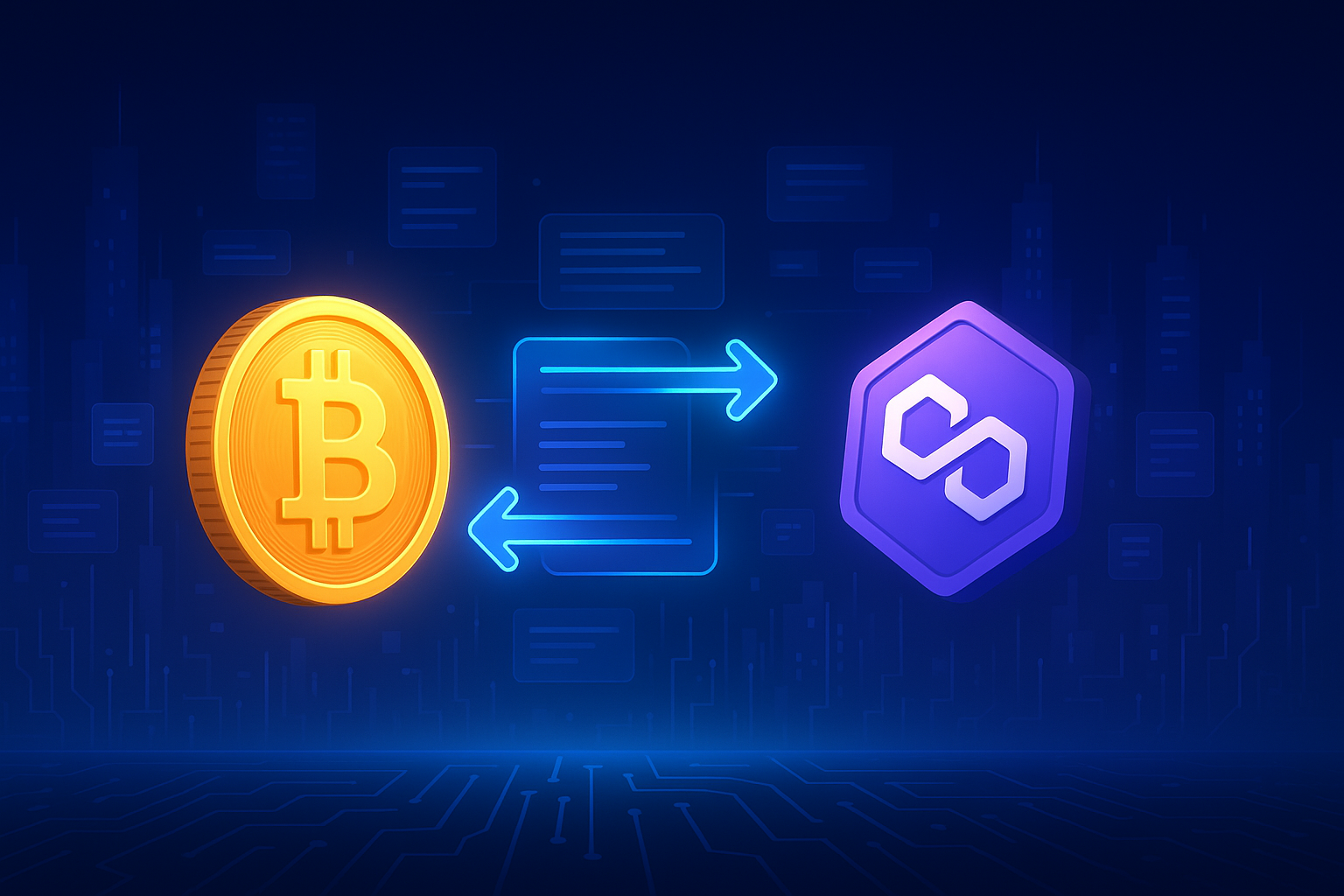
Bitcoin and Polygon (MATIC) serve very different roles in the crypto ecosystem. Bitcoin is the original store-of-value asset, while Polygon is a high-speed, low-cost network that powers DeFi, NFTs, and scalable Web3 applications. As a result, more traders and long-term investors are looking for a smooth, secure, and cost-effective way to execute a BTC to MATIC swap.
Whether you are rebalancing your portfolio, preparing to use DeFi on Polygon, or simply diversifying beyond Bitcoin, using a fast and non-custodial swap service can help you move between these assets without dealing with centralized exchanges or long KYC processes.
This guide walks you through why BTC to MATIC swaps matter, the main benefits and risks, and a practical step-by-step process you can follow today.
Why BTC to MATIC Swaps Matter
Different Roles in a Crypto Portfolio
Bitcoin is often treated like “digital gold.” It is widely used as a long-term store of value and hedge against inflation. Polygon’s MATIC, on the other hand, powers a scaling solution that makes Ethereum-based applications faster and cheaper to use. That difference leads to distinct use cases:
- Bitcoin (BTC): Long-term holding, macro hedge, high liquidity trading pair.
- Polygon (MATIC): Paying gas fees on Polygon, participating in DeFi, using dApps and NFT marketplaces, staking, and governance.
As your needs evolve, you might want to move some value from a passive store (BTC) into a more utility-focused token (MATIC). A smooth BTC to MATIC swap is the bridge between these two roles.
On-chain Activity and DeFi Access
To interact with Polygon dApps, you cannot use BTC directly on the network. You need MATIC as:
- Gas fees to approve and execute transactions.
- Liquidity in DeFi protocols, AMMs, and lending markets.
- Collateral in some platforms that let you borrow against your MATIC.
Converting BTC to MATIC aligns your holdings with your intended activity. If you plan to use Polygon’s ecosystem, holding some MATIC is almost mandatory.
Key Benefits of a BTC to MATIC Swap
1. Lower Transaction Fees on Polygon
Bitcoin fees can fluctuate with network congestion. While BTC is excellent as a durable asset, it is not optimized for frequent, small transactions. Polygon is:
- Designed for low-cost transactions, often just fractions of a cent.
- Suitable for micro-payments and high-frequency trading.
- Friendly to on-chain experimentation without high fee risk.
Swapping BTC to MATIC lets you move into an environment where experimentation and daily usage are more practical from a fee perspective.
2. Faster Confirmations and Better UX
Bitcoin’s security model is robust, but block intervals and confirmation times are comparatively slow. Polygon is built around faster block production, which translates to:
- Quicker transaction confirmations.
- Smoother experience in DeFi, gaming, and NFT platforms.
- More responsive applications where waiting minutes per transaction would be unacceptable.
For users who want interactive, real-time experiences in Web3, shifting some BTC value into MATIC can dramatically improve usability.
3. Access to Polygon DeFi and dApps
Polygon hosts a rich DeFi ecosystem, including:
- Decentralized exchanges (DEXs) and automated market makers (AMMs).
- Lending and borrowing platforms.
- Yield aggregators and staking protocols.
- Gaming, NFT marketplaces, and metaverse projects.
A BTC to MATIC swap is often step one before:
- Providing liquidity to MATIC pairs.
- Staking MATIC or using it as collateral.
- Paying gas fees for cross-chain bridges or complex DeFi transactions.
4. Non-custodial and Private Swaps
Many users want to avoid centralized exchanges due to privacy, custody, or regulatory concerns. Non-custodial services allow you to:
- Retain full control of your funds throughout the swap.
- Use your own wallet without depositing into a centralized account.
- Reduce the amount of personal data tied to your trades.
Using a private exchange that supports instant swaps can streamline this process and help you avoid the friction of opening and verifying an account on a traditional exchange.
Risks and Drawbacks to Consider
1. Market Volatility
Both BTC and MATIC are volatile assets. When performing a BTC to MATIC swap:
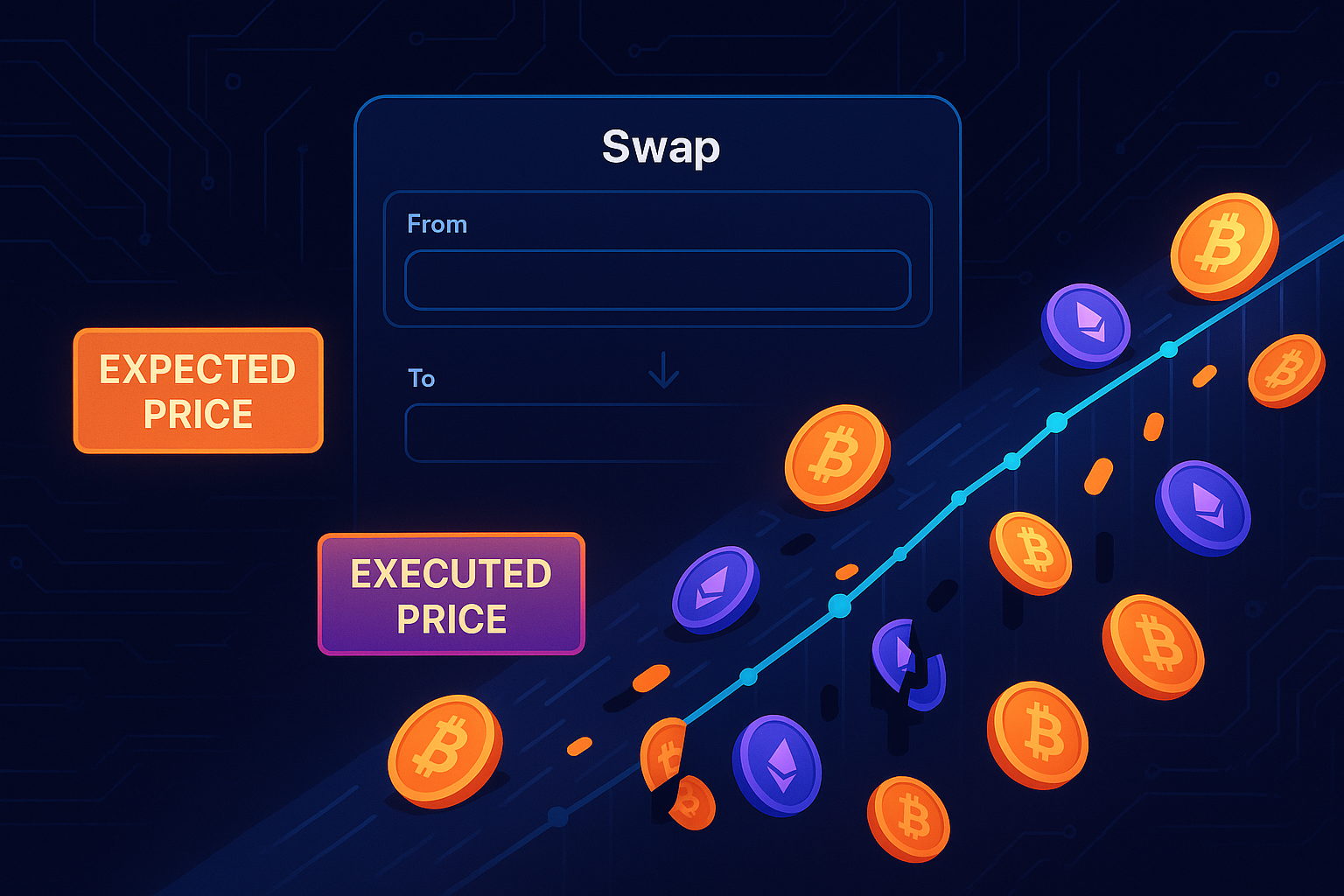
- Prices can change between quoting the rate and final execution.
- MATIC can underperform or outperform BTC significantly over time.
- Short-term timing can impact how many MATIC you receive per BTC.
Mitigation strategies include swapping in smaller tranches, tracking price trends, and avoiding highly illiquid pairs or platforms.
2. Counterparty and Platform Risk
If your swap involves a third-party service, there are potential risks:
- Technical failures such as downtime or bugs.
- Smart contract vulnerabilities if the service uses on-chain contracts.
- Operational issues such as slow support or misconfigured routes.
Reduce risk by:
- Testing with a small amount first.
- Using reputable non-custodial services.
- Confirming destination addresses carefully before sending.
3. Network Fees and Minimums
Every BTC to MATIC swap includes multiple cost components:
- Bitcoin network fee from your wallet to the swap service.
- Polygon network fee to receive and later move MATIC.
- Service spread or fee built into the swap rate.
Some platforms also enforce minimum trade sizes. Always check:
- The total cost in percentage terms.
- The minimum and maximum swap limits.
- Whether the rate is fixed during a time window or fully floating.
4. Compliance and Regulatory Considerations
Regulations vary by country and may affect:
- Whether a service is allowed to operate in your jurisdiction.
- Your tax obligations on realized gains when swapping BTC to MATIC.
- Reporting requirements for frequent or large trades.
Consult local regulations or a tax professional if you are uncertain about the legal implications of your swaps.
Step-by-Step Guide: How to Swap BTC to MATIC
Step 1: Prepare Your Wallets
You will need:
- A Bitcoin wallet with the BTC you plan to swap.
- A Polygon-compatible wallet for receiving MATIC, such as MetaMask, Rabby, Trust Wallet, or a hardware wallet configured for Polygon.
Verify you control the private keys or seed phrase for both. Make sure your Polygon wallet is configured with the correct network (Polygon PoS) and has its receiving address ready.
Step 2: Choose a Swap Service
Select a platform that supports direct BTC to MATIC conversions. Criteria to evaluate:
- Non-custodial architecture so you keep control of your funds.
- Transparent fee structure and clearly displayed expected amounts.
- Reasonable limits and good track record in the community.
Many users prefer to swap crypto instantly using a btc to matic interface instead of registering with a centralized exchange, especially if they value privacy and speed.
Step 3: Enter Swap Details
On the swap page:
- Select BTC as the asset you are sending.
- Select MATIC (usually the Polygon version) as the asset you will receive.
- Input the amount of BTC you want to convert.
- Paste your Polygon MATIC receiving address from your wallet.
Double-check the MATIC address. Sending to the wrong chain or address can result in permanent loss of funds.

Step 4: Review Exchange Rate and Fees
Before confirming:
- Review the estimated MATIC output.
- Check whether the rate is fixed for a time window or fully market-based.
- Confirm all fees that apply.
If the platform offers a rate lock for a short period, complete the transaction within that timeframe to avoid re-quoting.
Step 5: Send BTC to the Provided Address
The service will show you a unique BTC address to deposit into:
- Copy this address and paste it into your BTC wallet’s send field.
- Verify the first and last characters of the address match.
- Send the exact amount of BTC specified by the service.
- Pay attention to network fees and confirmation requirements.
Once your transaction is broadcast, the swap service will wait for the necessary number of confirmations on the Bitcoin network.
Step 6: Wait for Conversion and Receive MATIC
After the required BTC confirmations:
- The service will execute the swap at the agreed rate (or according to its rules).
- MATIC will be sent to your specified Polygon address.
- You can track progress using the transaction hash or the service’s status page.
When the MATIC transaction confirms on Polygon, your swap is complete. You can now use MATIC for DeFi, staking, or as gas for further Polygon transactions.
Practical Tips for a Smooth BTC to MATIC Swap
1. Start with a Small Test Amount
Whenever you use a new service or wallet:
- Begin with a small BTC transfer.
- Confirm that you receive MATIC correctly at your address.
- Only then proceed with larger amounts.
2. Check Current Network Conditions
Bitcoin congestion affects confirmation times and fees, while Polygon is generally fast and cheap. To optimize:
- Confirm that Bitcoin fees are not unreasonably high before initiating large swaps.
- Allocate a bit of MATIC for gas in advance if you plan multiple on-chain actions afterward.
3. Store MATIC Securely
After the swap:
- Consider moving long-term holdings to a hardware wallet that supports Polygon.
- Back up your wallet’s seed phrase offline.
- Use separate wallets for regular DeFi activity and cold storage.
4. Keep Records for Tax and Portfolio Tracking
Swapping BTC to MATIC can be a taxable event in many jurisdictions. Best practices:
- Record the date, amount of BTC spent, and MATIC received.
- Note fiat values at the time of the swap for capital gains calculations.
- Consider using portfolio tracking or tax software that integrates with your wallets.
5. Understand the Asset You Are Moving Into
Before converting a significant portion of BTC to MATIC, make sure you understand:
- Polygon’s technology and roadmap.
- The token’s role in the network and any planned upgrades.
- Your own risk tolerance and investment horizon.
Conclusion
A BTC to MATIC swap is more than a simple trade. It is a strategic move from a store-of-value asset into a high-utility ecosystem where low fees, fast transactions, and rich DeFi opportunities are the norm. When done thoughtfully, this conversion can unlock new use cases for your capital, from yield strategies to everyday on-chain activity.
By choosing a reliable, non-custodial swap platform for private BTC–MATIC conversions, double-checking addresses, and staying aware of fees and volatility, you can execute this transition efficiently and with greater confidence.
Always remember that both BTC and MATIC are volatile crypto assets. Align your swaps with a clear plan, manage risk carefully, and use the tools and best practices outlined in this guide to make your BTC to MATIC journey as smooth and secure as possible.