How to Make a BTC to BCH Swap Safely and Efficiently
Introduction
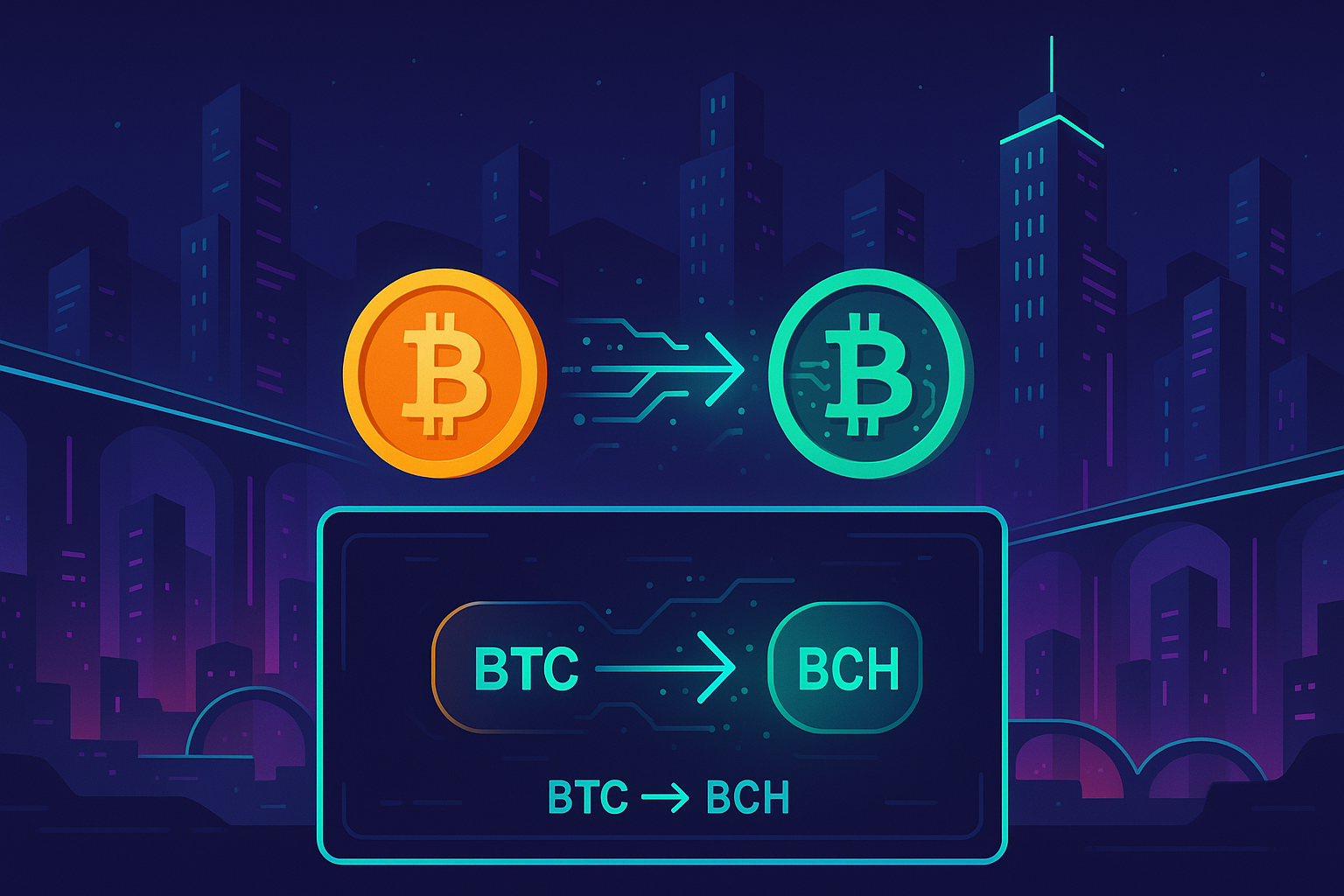
Swapping Bitcoin (BTC) to Bitcoin Cash (BCH) is a common move for traders and long-term holders who want lower fees, faster confirmations, or to diversify within the Bitcoin ecosystem. Whether you are arbitraging price differences, preparing to use BCH for cheaper on-chain transactions, or simply rebalancing your portfolio, knowing how to complete a btc to bch swap securely is essential.
Unlike centralized exchanges that require account creation, KYC, and custody of your funds, there are non-custodial swap platforms that let you exchange BTC for BCH directly from your wallet. Used properly, these tools can help you execute swaps quickly while preserving privacy and control.
This guide explains why BTC to BCH swaps matter, the pros and cons, a step-by-step walkthrough, practical security tips, and how to choose a reliable, private exchange solution for your needs.
Why BTC to BCH Swaps Matter
BTC and BCH share a common origin but serve slightly different use cases in practice. Understanding why someone might move from BTC to BCH helps you decide if this swap aligns with your goals.
1. Different priorities: store of value vs everyday payments
- Bitcoin (BTC) is widely treated as digital gold. Many users prioritize its security, network effects, and institutional adoption.
- Bitcoin Cash (BCH) focuses on low-fee, fast on-chain transactions, making it more attractive for frequent payments and smaller transfers.
If you often send funds between wallets or pay merchants that accept BCH, converting part of your BTC holdings to BCH can significantly reduce transaction costs.
2. Fee and speed considerations
Bitcoin transaction fees can spike when the network is congested. BCH generally offers:
- Lower average fees per transaction
- Faster confirmations for on-chain payments during high-traffic periods
If you are moving value frequently or need quick on-chain settlement at predictable fees, a BTC to BCH swap can be practical.
3. Portfolio diversification within similar tech
Both BTC and BCH derive from the same code base, but they follow different development roadmaps. Holding some BCH in addition to BTC lets you:
- Expose your portfolio to a different set of protocol decisions and economic dynamics
- Experiment with on-chain payments without spending your BTC stack
A swap is often cheaper and more straightforward than cashing out to fiat and buying BCH separately.
Key Benefits of a BTC to BCH Swap
1. Lower transaction costs for frequent users
For users who move funds often, BTC fees can eat into profits or reduce the economic viability of small payments. Swapping some BTC into BCH can help:
- Reduce overall network fee spending
- Enable microtransactions and small-value payments that might be impractical on BTC
2. Faster on-chain settlement
BCH blocks are optimized for higher throughput. Even when BTC mempools are filled, BCH often confirms quickly at low cost. This is useful if you:
- Operate a business that receives on-chain payments
- Need rapid settlement between exchanges or wallets
- Want predictable confirmation times for financial operations
3. Privacy and control with non-custodial swaps
Using a non-custodial platform to swap crypto instantly means:
- You retain control of your keys throughout the process
- Funds are not held in a centralized custodial account
- You reduce counterparty risk tied to exchange insolvencies or withdrawals being frozen
For privacy-conscious users, this model can also reduce the amount of personal data shared compared with fully KYC-focused exchanges, depending on the service and your jurisdiction.
4. Avoiding complex exchange workflows
Traditional exchanges often require:
- Registration and identity verification
- Depositing BTC to an exchange wallet
- Placing a trade, then withdrawing BCH
A specialized btc to bch swap tool streamlines this into one flow: send BTC in, receive BCH out to your wallet, often with clear rate and time estimates up front.
Risks and Drawbacks to Consider
Every crypto transaction involves tradeoffs. Before swapping BTC to BCH, it is important to understand the main risks.
1. Price volatility
BTC and BCH are both volatile assets. Risks include:
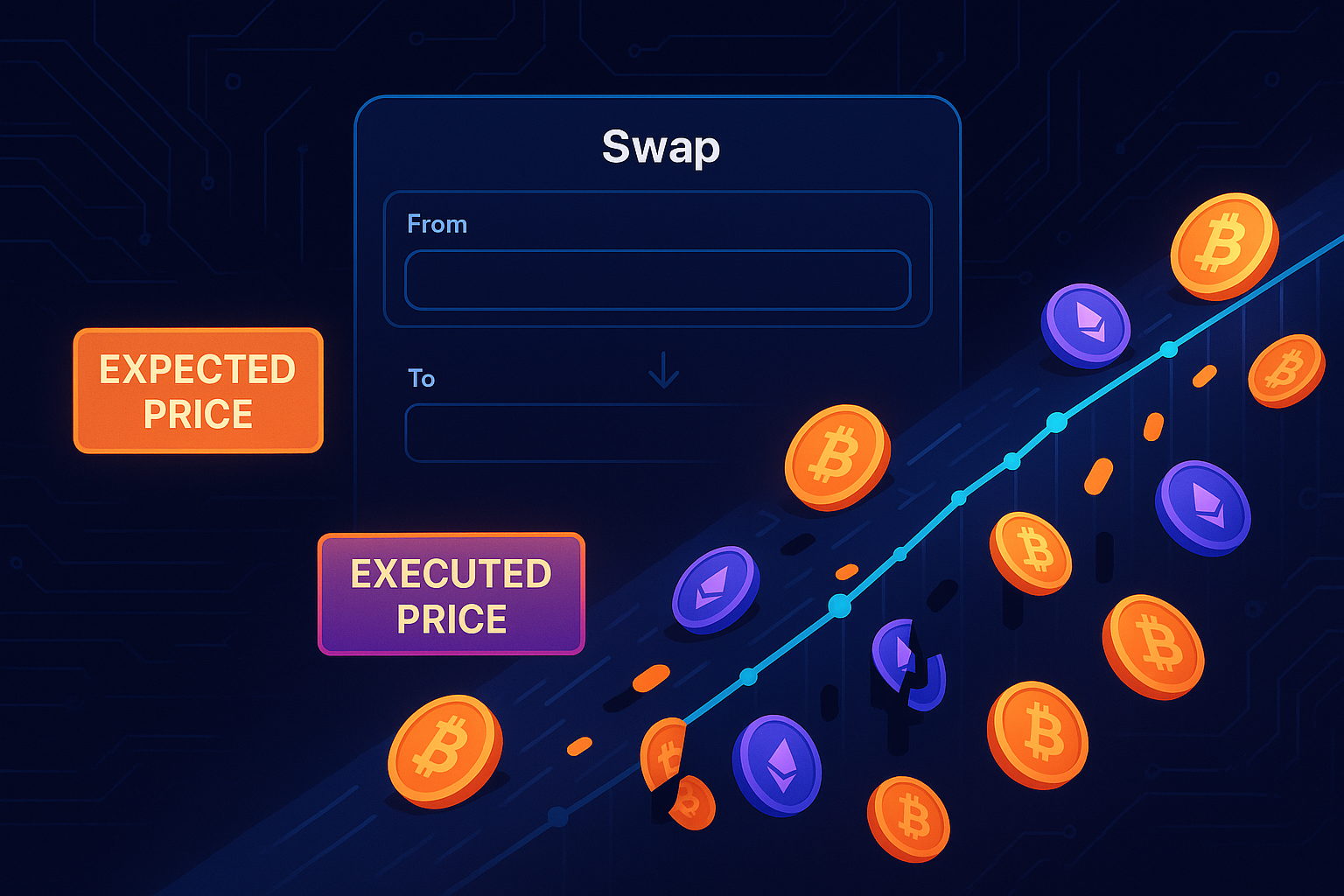
- Rate slippage: If the market moves sharply during the swap window, you might receive more or less BCH than expected.
- Market risk: The BCH price relative to BTC can rise or fall after the swap, affecting the value of your holdings.
Using platforms that lock in an exchange rate for a defined time window can help mitigate rate uncertainty, though it does not eliminate longer-term market risk.
2. Network risks and delays
On-chain swaps depend on both the BTC and BCH networks. Potential issues include:
- Slow BTC confirmations delaying the entire swap
- Temporary network congestion raising miner fees
- Incorrect fee settings causing transactions to get stuck or be confirmed very slowly
If your BTC transaction takes longer than the provider’s stated valid time window, you may need manual support intervention or a refund process.
3. Operational and user error
Many swap problems stem from simple mistakes:
- Sending BTC to a BCH address or vice versa
- Using an unsupported address format
- Sending a different amount than specified in the order
- Missing the time limit for sending your BTC
Always verify addresses, networks, and amounts before confirming any transaction.
4. Counterparty and platform risk
Even with non-custodial tools, you are trusting the service to perform as advertised. Consider:
- Whether the service processes swaps automatically and transparently
- Reputation within the crypto community
- Clear documentation on refunds and failed transactions
Choosing a trusted private exchange provider is essential to reduce operational risk.
Step-by-Step Guide: How to Perform a BTC to BCH Swap
The exact interface varies by platform, but the overall flow is similar. Below is a general walkthrough using a non-custodial swap service.
Step 1: Prepare your wallets
You will need:
- A BTC wallet with enough Bitcoin to swap plus miner fees
- A BCH wallet to receive your Bitcoin Cash
Ensure:
- You control the private keys or seed phrase for both wallets
- The BCH wallet supports the address format you intend to use (e.g., CashAddr)
- Your software is up to date for security fixes
Step 2: Choose a BTC to BCH swap platform
When evaluating a swap provider, look for:
- Non-custodial architecture, where coins go directly between your wallets
- Transparent fees and rates
- Reasonable time windows for completing the BTC payment
- Clear refund policies and support documentation
Open the BTC to BCH swap page on your chosen platform and confirm it is the official site, not a phishing copy.
Step 3: Enter the swap details
Typically, you will see a form with two fields:
- From: BTC (the amount you will send)
- To: BCH (the amount you will receive, estimated or fixed)
Do the following:
- Type the amount of BTC you want to swap.
- Check the quoted BCH amount and the exchange rate.
- Verify the minimum and maximum limits for the swap.
If the service offers both floating and fixed rates, choose according to your risk preferences. A fixed rate can protect you from short-term volatility during the swap window.
Step 4: Provide your BCH receiving address
You must now specify where the BCH will be sent:
- Open your BCH wallet and copy your BCH receiving address.
- Paste it into the platform’s “BCH address” or “Destination address” field.
- Double-check every character of the address, and confirm it is on the BCH network.
Some services also ask for a refund BTC address in case something goes wrong. Provide a secure address you control.
Step 5: Review and create the swap order
Before you proceed:
- Confirm the BTC amount you will send
- Verify the estimated or fixed BCH you will receive
- Read the time window for sending your BTC (for example, 20 or 30 minutes)
- Review the platform’s fee and minimum confirmation requirements
Once everything looks correct, click to create or start the order. The service will generate a BTC deposit address for this specific swap.
Step 6: Send BTC from your wallet
Return to your BTC wallet:
- Paste the provided BTC deposit address exactly as shown.
- Enter the precise BTC amount specified by the swap order (avoid rounding errors).
- Set an appropriate miner fee so the transaction confirms within the time limit.
- Confirm and broadcast the transaction.
Many platforms show a status page where you can track:
- Whether the BTC has been detected
- How many confirmations are required
- When BCH is sent to your destination address
Step 7: Wait for confirmations and receive BCH
After your BTC transaction is confirmed:
- The service verifies the payment
- The swap engine executes the conversion
- Your BCH is sent to the receiving address you provided
Open your BCH wallet and confirm:
- The incoming transaction appears with the expected amount
- The transaction ID matches the one shown on the swap platform
Once confirmed with sufficient depth, your BTC to BCH swap is complete.
Practical Tips for a Smooth BTC to BCH Swap
1. Start with a small test transaction
If it is your first time using a new service:
- Swap a small amount of BTC first to verify the flow
- Ensure your BCH wallet receives the funds correctly
- Confirm that address formats and network choices are correct
After a successful test, you can proceed with larger amounts if you are comfortable.
2. Pay attention to network fees and timing
- Check current BTC network conditions before starting the swap
- Set a miner fee that is reasonable for your urgency and the provider’s time window
- Avoid initiating time-sensitive swaps during periods of extreme congestion if possible
Remember that if your BTC payment is too slow, some platforms may adjust the rate or need to process a refund instead of completing the swap.
3. Use secure, updated wallets
Security basics:
- Use reputable wallet software maintained by active developers
- Ensure your computer or mobile device is free of malware
- Back up your seed phrases securely and offline
- Consider hardware wallets for significant holdings
Even the best non-custodial swap service cannot protect you from issues on your own device.
4. Verify URLs and avoid phishing
When using any BTC to BCH swap platform:
- Type the URL manually or use trusted bookmarks
- Check for HTTPS and correct domain spellings
- Be wary of links received via unsolicited messages or social media
Phishing sites often imitate the interface of legitimate services but redirect funds to attackers.
5. Document important transaction details
For each swap, record:
- The BTC transaction ID (TXID)
- The BCH transaction ID
- The deposit address and destination address used
- Screenshots or order IDs from the platform’s status page
If you ever need support or to track a delayed transaction, this information is extremely helpful.
6. Understand your local regulations
Crypto regulations vary by country. Before swapping:
- Consult local guidance on taxes for crypto-to-crypto swaps
- Keep records of your trades for reporting purposes
- Be aware of any restrictions on using certain platforms in your jurisdiction
Legal and tax obligations are your responsibility as the user.
Conclusion
Performing a BTC to BCH swap is straightforward once you understand the basic flow: prepare your wallets, choose a reliable non-custodial service, set your parameters, send BTC, and wait for BCH to arrive. The main benefits are lower fees for on-chain usage, faster confirmations for practical payments, and retaining control of your keys throughout the process.
At the same time, you need to weigh volatility, network conditions, and platform risk. Starting with small amounts, double-checking addresses, and using a trusted non-custodial swap provider will significantly improve your safety and experience.
If you regularly move value on-chain or want a more payment-focused asset alongside your BTC holdings, learning to execute a secure BTC to BCH swap is a useful skill that gives you more flexibility and control in managing your crypto portfolio.