BTC to ATOM Swap: A Complete Guide to Swapping Bitcoin for Cosmos
Introduction
Swapping Bitcoin (BTC) to Cosmos (ATOM) has become a common move for investors who want exposure to the fast-growing Cosmos ecosystem without going through centralized exchanges. Whether you are diversifying your portfolio, exploring DeFi, or simply moving into a more flexible multi‑chain environment, understanding how a btc to atom swap works is essential.
Cosmos is positioned as the “Internet of Blockchains,” enabling different chains to communicate and transfer value. Bitcoin, on the other hand, remains the most secure and widely recognized digital asset. Bridging these two worlds through a BTC to ATOM swap can unlock entirely new use cases for your BTC while preserving your exposure to crypto as an asset class.
This guide walks you through why BTC to ATOM swaps matter, the benefits, the risks, and a clear step‑by‑step approach for swapping on non‑custodial platforms that let you retain control of your keys. You will also find practical tips for staying safe and optimizing your transaction costs.
Why BTC to ATOM Swaps Matter
Connecting Store of Value with an Application Ecosystem
Bitcoin is widely used as a store of value and long‑term hedge, but it is limited in terms of on‑chain programmability and DeFi access. Cosmos, powered by the ATOM token, sits at the opposite end of the spectrum as a highly programmable and interoperable ecosystem, particularly thanks to the Inter‑Blockchain Communication (IBC) protocol.
A BTC to ATOM swap effectively moves value from a relatively static position into a dynamic environment where you can:
- Access DeFi protocols built on Cosmos‑based chains
- Participate in staking and earn potential rewards
- Use ATOM as collateral in various apps across the Cosmos ecosystem
Decentralization and Self‑Custody
Traditionally, moving from BTC to ATOM required a centralized exchange (CEX). This route introduces counterparty risk, mandatory KYC, and withdrawal delays. Non‑custodial swap services provide a way to execute a BTC to ATOM swap directly from your own wallet while maintaining ownership of your private keys.
This is especially important if you want to:
- Avoid storing funds on exchanges for long periods
- Maintain better privacy over your on‑chain activity
- Retain full control of your crypto at all times
Main Benefits of Swapping BTC to ATOM
1. Access to the Cosmos DeFi and IBC Ecosystem
Once you hold ATOM, you can move into other Cosmos‑based tokens and apps using IBC. This can include:
- Decentralized exchanges in the Cosmos ecosystem
- Lending and borrowing platforms
- Yield strategies that make use of cross‑chain liquidity
Holding BTC alone does not give you direct access to these tools. Converting BTC into ATOM creates a bridge into active on‑chain participation.
2. Staking and Governance
ATOM is a staking token. By staking your ATOM through a compatible wallet, you can:
- Potentially earn staking rewards (subject to each validator’s terms)
- Participate in governance proposals that shape the future of Cosmos
- Signal your preferences for upgrades and ecosystem direction
If your investment thesis involves both value preservation and active participation, this combination can be attractive compared to passively holding BTC.
3. Non‑Custodial Control
Using a non‑custodial private exchange to swap crypto instantly allows you to keep your coins in wallets you control. This approach:
- Reduces dependence on centralized exchange infrastructure
- Mitigates custodial risk from hacks or insolvency
- Minimizes the personal data you need to share
4. Potential Portfolio Diversification
Swapping BTC into ATOM diversifies your exposure:
- BTC: focuses on security, scarcity, and store‑of‑value characteristics
- ATOM: focuses on interoperability, cross‑chain communication, and utility within a growing ecosystem
This diversification can help reduce risk tied to a single narrative or technology stack.
Risks and Drawbacks of a BTC to ATOM Swap
No swap is risk‑free. Before you convert BTC to ATOM, consider the following:
1. Market and Volatility Risk
- Crypto markets are highly volatile.
- BTC and ATOM can move independently, sometimes in opposite directions.
- The value of ATOM relative to BTC could decrease after you swap.
Only swap amounts you are comfortable exposing to volatility, and ensure you understand the fundamentals of ATOM before committing significant capital.
2. Smart Contract and Protocol Risk
Depending on the route used (direct swaps, wrapped assets, bridges, or aggregators), you may be exposed to:
- Smart contract vulnerabilities
- Bridge exploits or technical failures
- Implementation bugs in the routing logic
Working with reputable, audited, non‑custodial services is essential for minimizing this type of risk.
3. Network Fees and Slippage
You will incur fees on at least two networks:
- Bitcoin network fee for sending BTC to the swap address
- Cosmos network fee (usually comparatively low) for the ATOM transaction
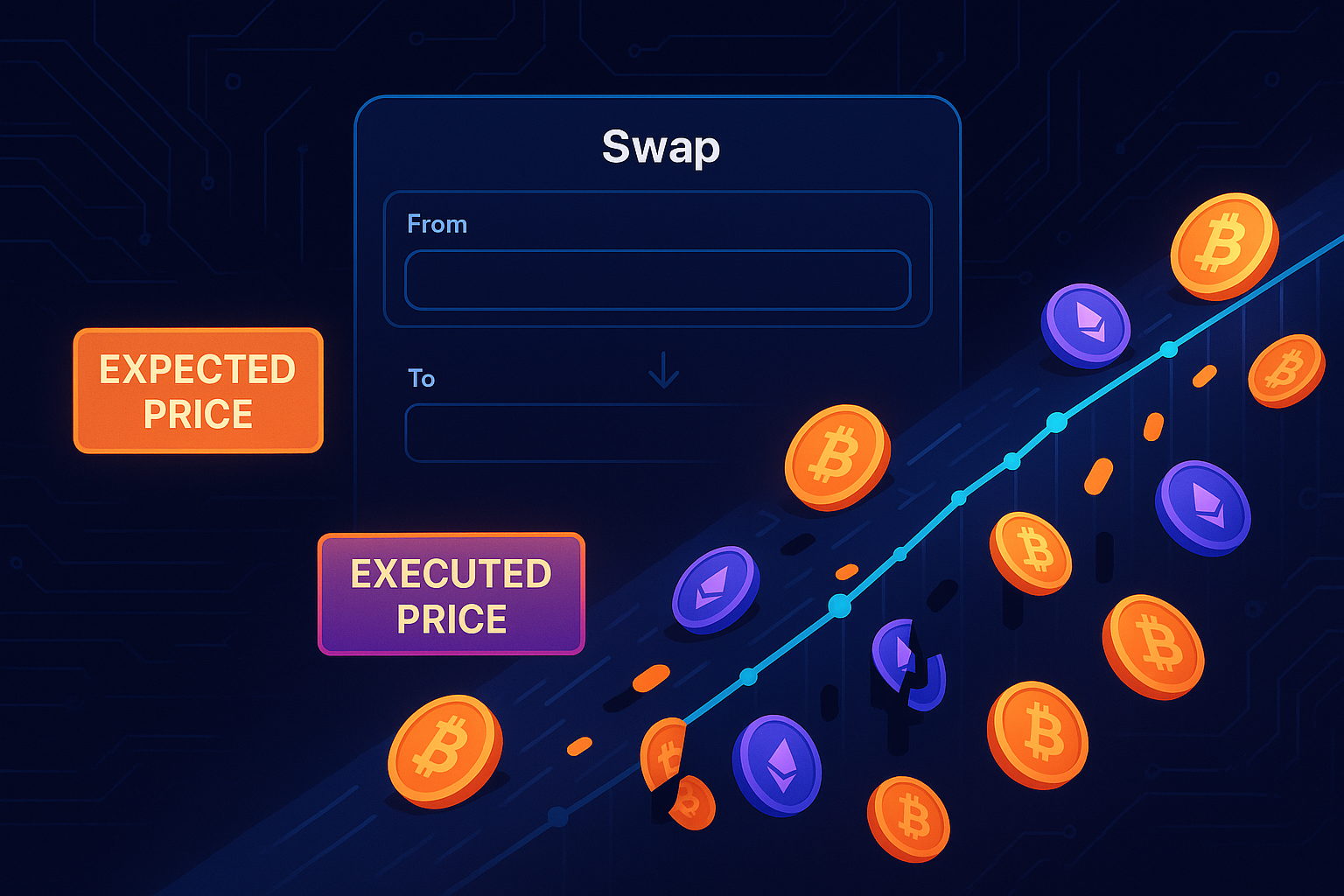
Additionally, slippage can affect your final ATOM amount, especially during periods of:
- Low liquidity
- High volatility
- Rapidly changing order books or route prices
4. Operational Errors
User mistakes are a common source of loss. Typical errors include:
- Sending BTC to the wrong address
- Using an incompatible ATOM address format
- Closing a browser or wallet before the swap completes
Double‑checking details before confirming transactions can help you avoid these pitfalls.
Step‑by‑Step Guide: How to Perform a BTC to ATOM Swap
Below is a high‑level walkthrough for doing a BTC to ATOM swap using a non‑custodial swap service. Specific interfaces may differ, but the logic is generally the same.
Step 1: Prepare Your Wallets
You will need:
- A Bitcoin wallet that holds the BTC you plan to swap
- A Cosmos‑compatible wallet (for example, a wallet that can generate a native ATOM address) to receive your ATOM
Best practices:
- Make sure you have your seed phrases securely backed up offline.
- Confirm that you can send and receive small test amounts on both wallets.
Step 2: Choose a Non‑Custodial Swap Platform
Select a service that supports a direct BTC to ATOM route, non‑custodial control, and transparent fees. A platform such as GhostSwap’s non-custodial swap interface is designed specifically for this type of cross‑asset conversion, allowing you to swap without creating an account or giving up custody of your funds.
Key points to check:
- Supported assets: Confirm BTC and ATOM are listed.
- Reputation: Look for community feedback or reviews.
- Security: Non‑custodial design, clear documentation, and transparent routes are important.
Step 3: Enter Swap Details
On the swap page:
- Select BTC as the asset you are sending.
- Select ATOM as the asset you want to receive.
- Enter the amount of BTC you want to swap or the ATOM amount you want to receive.
The interface should show:
- Estimated amount of ATOM you will receive
- Current exchange rate
- Estimated network fees and service fees (if any)
Review these details before proceeding, especially during periods of high volatility.
Step 4: Provide Your ATOM Receiving Address
Paste your ATOM wallet address into the recipient field. Then:
- Double‑check the address character by character (or at least the first and last 4–6 characters).
- Ensure the address format matches the Cosmos standard used by your wallet.
Any mistakes here could result in funds being sent to an incorrect address, which is typically irreversible.
Step 5: Confirm the Quote and Initiate the Swap
Once everything looks correct:
- Confirm the quoted rate, fees, and expected ATOM amount.
- Lock in the quote if the service provides a time‑limited rate.
- The platform will then generate a BTC deposit address (or QR code) for you.
Step 6: Send BTC from Your Wallet
From your personal BTC wallet:
- Paste or scan the BTC deposit address provided by the platform.
- Send the exact BTC amount you entered on the swap interface.
- Use a reasonable fee level on the Bitcoin network so the transaction confirms in time.
After sending, you can track the transaction status using:
- Your wallet’s transaction history
- A Bitcoin block explorer (by pasting the transaction hash)
Step 7: Wait for Confirmations and Receive ATOM
The swap service will typically wait for a certain number of Bitcoin confirmations for security reasons. Once the BTC transaction is confirmed sufficiently:
- The service executes the conversion from BTC to ATOM.
- ATOM is then sent to your specified Cosmos wallet address.
- You can verify the incoming ATOM via your wallet or a Cosmos block explorer.
If the transaction seems delayed, check:
- Bitcoin network congestion
- Whether the platform has provided any status message or tracking page
Practical Tips for a Smooth BTC to ATOM Swap
1. Start with a Small Test Amount
If this is your first BTC to ATOM swap:
- Swap a small amount of BTC first.
- Confirm that ATOM shows up correctly in your wallet.
- Then proceed with larger amounts once you are confident in the process.
2. Mind Network Conditions and Timing
Network congestion can significantly increase fees and delay confirmations:
- Check current Bitcoin mempool status or average fees before sending.
- Consider waiting for quieter periods if fees are unusually high.
For ATOM, fees are often low, but it is still good practice to confirm the cost and set a reasonable gas price or fee level if your wallet allows customization.
3. Protect Your Privacy
To enhance privacy:
- Avoid reusing addresses where possible.
- Use a non‑custodial wallet rather than depositing to a KYC exchange immediately after the swap.
- Be cautious about linking on‑chain addresses to your personal identity on public forums or social media.
4. Verify URLs and Avoid Phishing
When interacting with any crypto service:
- Type the official URL manually or use a trusted bookmark.
- Check for HTTPS and correct domain spelling.
- Never share your seed phrase or private keys; no legitimate swap platform needs them.
5. Keep Records for Accounting and Tax Purposes
A BTC to ATOM swap may be considered a taxable event in some jurisdictions. It is wise to:
- Save screenshots of the swap quote and confirmation.
- Record transaction hashes on both Bitcoin and Cosmos networks.
- Note the date, time, and approximate fiat value at the time of the swap.
Consult a tax professional familiar with cryptocurrency in your jurisdiction if you are unsure about reporting requirements.
Conclusion
A BTC to ATOM swap lets you move from the security and recognition of Bitcoin into the flexible, interoperable world of Cosmos. Done correctly using a non‑custodial, privacy‑respecting platform, this process preserves control of your keys while unlocking new opportunities like staking, governance, and cross‑chain DeFi.
By understanding the benefits, being realistic about the risks, and following a careful step‑by‑step approach, you can execute your swap with confidence. If you are ready to explore the Cosmos ecosystem, a dedicated BTC to ATOM non-custodial swap route is one of the most straightforward ways to get started while staying in control of your assets from start to finish.