How to Make a BTC to APT Swap: Complete Guide for Fast, Private Exchanges
Introduction
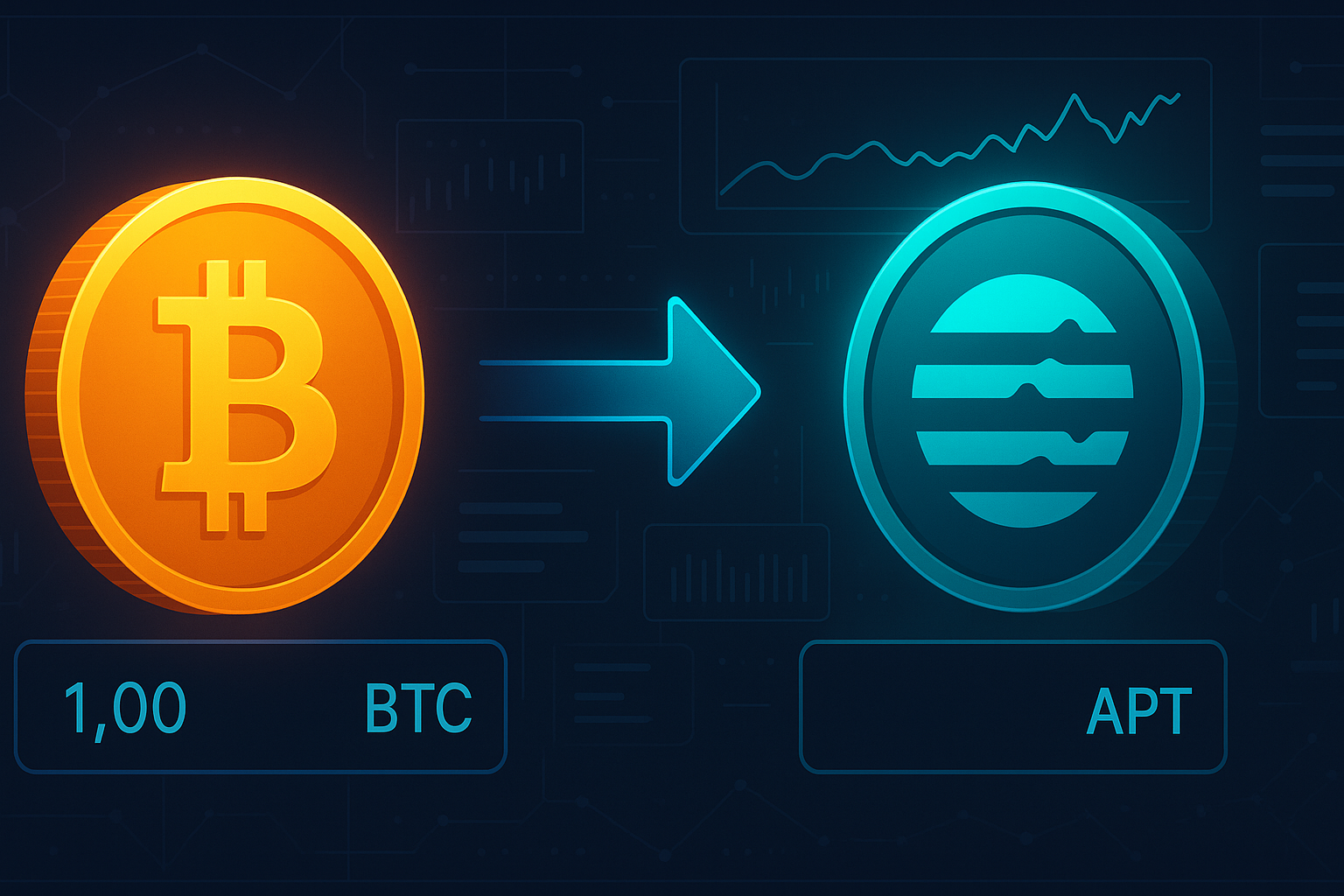
Bitcoin and Aptos sit in very different corners of the crypto universe. BTC is the original store-of-value asset, while APT powers a modern, high-performance smart contract ecosystem. As more traders look to diversify into newer layer-1s without leaving the safety of Bitcoin, learning how to execute a BTC to APT swap quickly and securely has become an essential skill.
The good news is that you no longer need to register on a centralized exchange, submit KYC documents, or wait for long withdrawal queues just to rotate some BTC into APT. Today you can use a btc to apt swap service that lets you move value directly between these assets with minimal friction.
This guide walks through why BTC to APT swaps matter, what benefits and risks to expect, and how to perform the swap step by step. It is written for intermediate crypto users, but beginners will also find it accessible with a bit of patience.
Why BTC to APT Swaps Matter
Diversification into a New Layer‑1 Ecosystem
Aptos is a relatively new layer‑1 blockchain built with the Move programming language, focusing on high throughput, low latency, and upgradeable smart contracts. While Bitcoin is primarily a settlement and store-of-value network, Aptos aims to support complex applications like DeFi, NFTs, and gaming at scale.
A btc to apt swap is essentially a portfolio rebalancing move. It allows long-term Bitcoin holders to gain exposure to a growth-focused, smart-contract ecosystem without selling into fiat or passing through multiple intermediate assets.
Capital Efficiency and Opportunity Cost
Crypto markets move quickly. When new DeFi protocols or NFT projects launch on Aptos, early participants often benefit the most. If all your capital is locked in BTC, you might miss these early opportunities. Swapping a slice of your BTC into APT allows you to:
- Provide liquidity on Aptos-based DEXs
- Stake or delegate APT to support network security
- Participate in new dApps, gaming projects, and NFT drops
- Access yield strategies specific to the Aptos ecosystem
Having an efficient, fast way to move from BTC into APT reduces the opportunity cost of staying solely in Bitcoin.
Reduced Reliance on Centralized Exchanges
Centralized exchanges (CEXs) are convenient, but they create single points of failure and regulatory risk. Many users now prefer to move value across chains without depositing funds into custodial platforms.
A direct, non-custodial btc to apt swap flow lets you:
- Keep control of your keys at all times
- Avoid account freezes and withdrawal limits
- Reduce exposure to hacks or insolvency events
Key Benefits of Swapping BTC to APT
1. Non‑Custodial Control
Modern swap services are often non-custodial, which means you never hand over full control of your funds to an intermediary. You send BTC from your wallet directly to a swap address, and receive APT directly to your Aptos wallet. The platform orchestrates the exchange but does not retain custody for longer than the settlement process.
This aligns well with crypto’s original ethos: “not your keys, not your coins.” In a proper non-custodial environment, you can execute a BTC to APT trade without storing balances in someone else’s account.
2. Privacy and Minimal Data Sharing
If you choose a private exchange for a non-custodial swap, you typically do not need to submit personal identification documents or open a traditional trading account. Instead, you interact directly from your own wallets, which can improve your privacy posture compared with KYC-heavy exchanges.
While blockchain transactions are still publicly visible, limiting the number of intermediaries can reduce your overall data footprint.
3. Speed and Convenience
Using a CEX to go from BTC to APT often involves:
- Depositing BTC to the exchange
- Waiting for deposit confirmations
- Trading BTC to USDT or another stablecoin
- Trading that stablecoin to APT
- Withdrawing APT to your Aptos wallet, plus more confirmations
A direct btc to apt swap condenses this into a single streamlined process. You send BTC, the platform performs the underlying trades or routing logic, and you receive APT. This simplicity matters when markets move fast.
4. Access to Aptos Native Opportunities
Once your BTC has been swapped into APT, you can engage directly with the Aptos ecosystem:
- Use APT as collateral in Aptos-based lending protocols
- Farm yields in Aptos DeFi pools
- Mint or trade NFTs native to Aptos
- Participate in governance of Aptos projects that issue tokens
Risks and Drawbacks of BTC to APT Swaps
1. Smart Contract and Platform Risk
If your chosen swap route involves smart contracts or third-party services, you are exposed to potential bugs, exploits, or platform failures. Even if the swap interface is simple, there may be complex infrastructure running behind it.
To mitigate this:
- Research the reputation, audits, and history of any platform you use
- Start with smaller test amounts
- Avoid sending your entire BTC stack in a single transaction
2. Counterparty and Routing Risk
Some swap providers aggregate liquidity from multiple sources, such as centralized exchanges, market makers, and DEXs. If one of these sources experiences issues during your transaction, settlement can be delayed or fail.
Always read the platform’s policy on failed swaps, refunds, and customer support before sending funds.
3. Price Slippage and Fees
You pay for convenience and speed. Potential costs include:
- Network fees on the Bitcoin side
- Network fees on the Aptos side
- Platform or service fees embedded in the rate
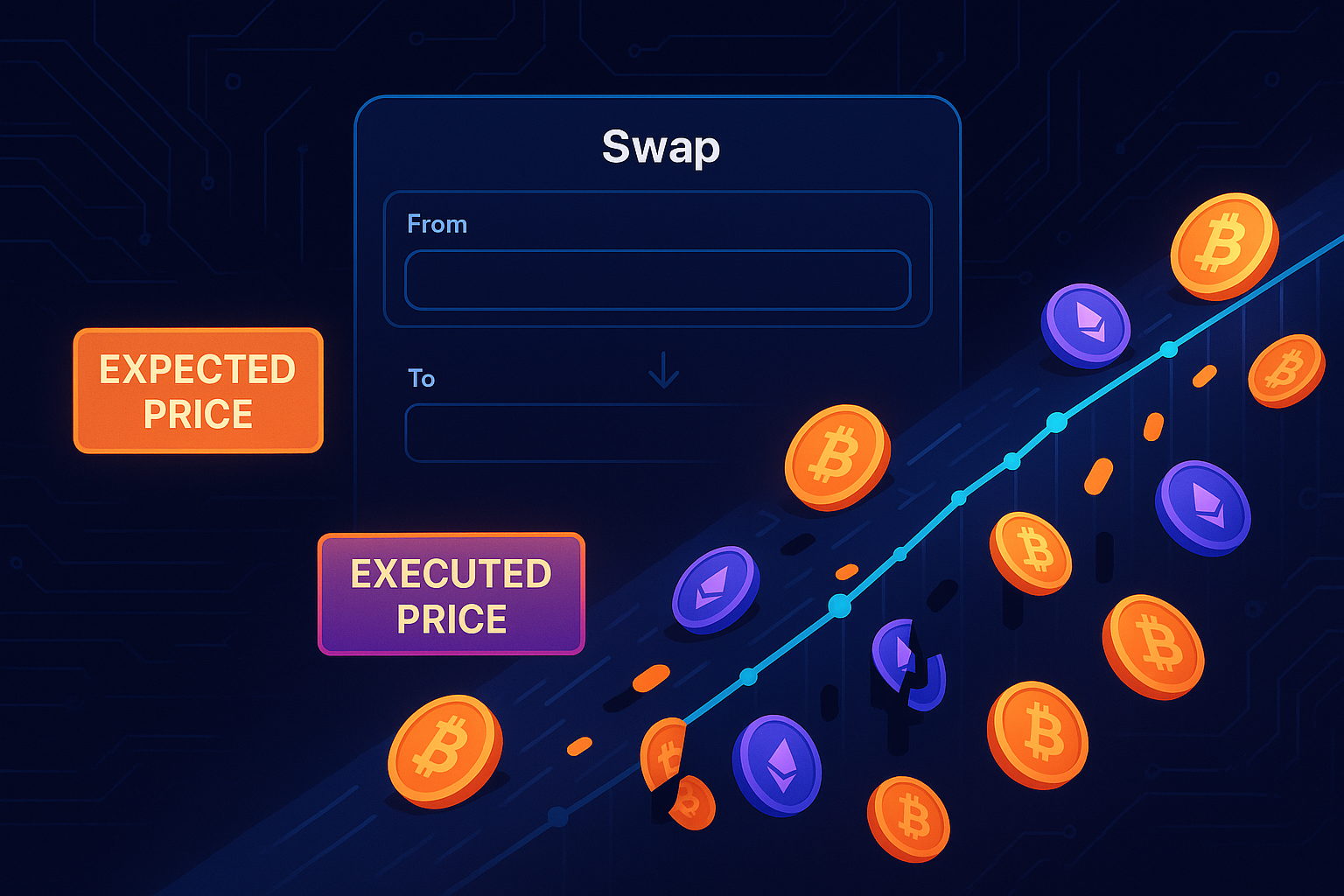
- Slippage if liquidity is thin or the market is volatile
Compare the quoted amount of APT you will receive with the current market rate. This helps you understand the effective fee you are paying for the swap.
4. Irreversibility of Mistakes
Blockchain transactions are final. If you:
- Send BTC to the wrong address
- Provide an incorrect APT receiving address
- Use an incompatible Aptos wallet format
it is extremely difficult, and usually impossible, to recover the funds. Double check all addresses and details before hitting “send.”
Step‑by‑Step Guide: How to Perform a BTC to APT Swap
Step 1: Prepare Your Wallets
You will need two main components:
- Bitcoin wallet with the BTC you want to swap
- Aptos wallet that supports APT and shows your public receiving address
Popular Aptos wallets include browser extensions and mobile apps specifically built for the network. After installing, create a new wallet, back up your seed phrase securely offline, and copy your APT receiving address.
Step 2: Choose a Swap Platform
Look for a platform that:
- Supports BTC to APT directly
- Is non-custodial and does not require account registration
- Publishes clear information about rates, limits, and fees
- Has a track record of successful swaps and transparent policies
For example, some users prefer services that let them swap crypto instantly in a non-custodial way, where they can maintain control of their keys at all times.
Step 3: Enter Swap Details
On the swap interface:
- Select BTC as the asset you are sending
- Select APT as the asset you are receiving
- Enter the amount of BTC you want to swap
- Paste your Aptos wallet address as the receiving address
The platform should display:
- An estimated amount of APT you will receive
- Any explicit fees or network charges
- Minimum and maximum swap limits
- An order expiry time, if applicable
Review all of this carefully before continuing.
Step 4: Confirm and Send BTC
Once you confirm:
- The platform will generate a unique BTC deposit address
- You must send the exact BTC amount to that address within the time window
In your Bitcoin wallet:
- Paste the provided BTC address carefully
- Verify the first and last few characters
- Set an appropriate network fee so the transaction confirms before the order expires
- Broadcast the transaction
Step 5: Wait for Confirmations and Settlement
The platform will detect your BTC transaction after it receives sufficient confirmations on the Bitcoin blockchain. After that, it will execute the conversion and send APT to your Aptos address.
This part can take anywhere from a few minutes to longer, depending on network congestion and the platform’s policies. You can usually monitor progress through a status page or order ID.
Step 6: Verify APT Receipt
Once marked as complete:
- Open your Aptos wallet and check that the APT balance has increased
- Optionally, paste your address into an Aptos block explorer to confirm the transaction
Keep a record of:
- The transaction IDs on both chains
- The time and date
- Any reference ID the platform provided
These details are helpful if you ever need support or want to track your historical swaps.
Practical Tips for Safe and Efficient BTC to APT Swaps
1. Start With a Small Test Amount
Before swapping a large amount of BTC into APT:
- Run a small test transaction to ensure your Aptos wallet address is valid
- Confirm that the platform settles correctly and within a reasonable time
- Get comfortable with the process and interface
2. Double Check All Addresses and Chains
Avoid common mistakes:
- Do not send BTC from an exchange directly to an Aptos address
- Ensure you use a true APT address, not another Move-based or EVM-style chain by accident
- Verify copied addresses before sending funds
3. Mind Network Conditions
High congestion on the Bitcoin network can slow down confirmations and may cause your order to time out if you set an extremely low fee. During peak times:
- Consider using higher miner fees for faster confirmation
- Check the swap platform’s timeout period
- Avoid sending last-minute transactions close to the order expiry
4. Compare Rates and Effective Costs
To understand what you are really paying:
- Check the spot BTC/USDT and APT/USDT rates on a liquid exchange
- Calculate the implied BTC/APT rate from your swap quote
- Account for on-chain network fees separately
Small differences can be acceptable for the convenience of an instant, account-free swap. Large deviations might mean you should wait or use a different route.
5. Secure Your Wallets
Swapping is only as safe as your wallet hygiene:
- Store seed phrases offline and never share them
- Use hardware wallets where possible
- Beware of phishing sites that impersonate legitimate swap platforms
- Access services only via bookmarked URLs or trusted links
6. Understand Tax and Compliance Implications
In many jurisdictions, swapping BTC to APT is considered a taxable event similar to selling one asset for another. Keep records of:
- The value of BTC at the time of the swap
- The amount of APT received
- All associated fees
Consult a tax professional familiar with crypto regulations in your country to stay compliant.
Conclusion
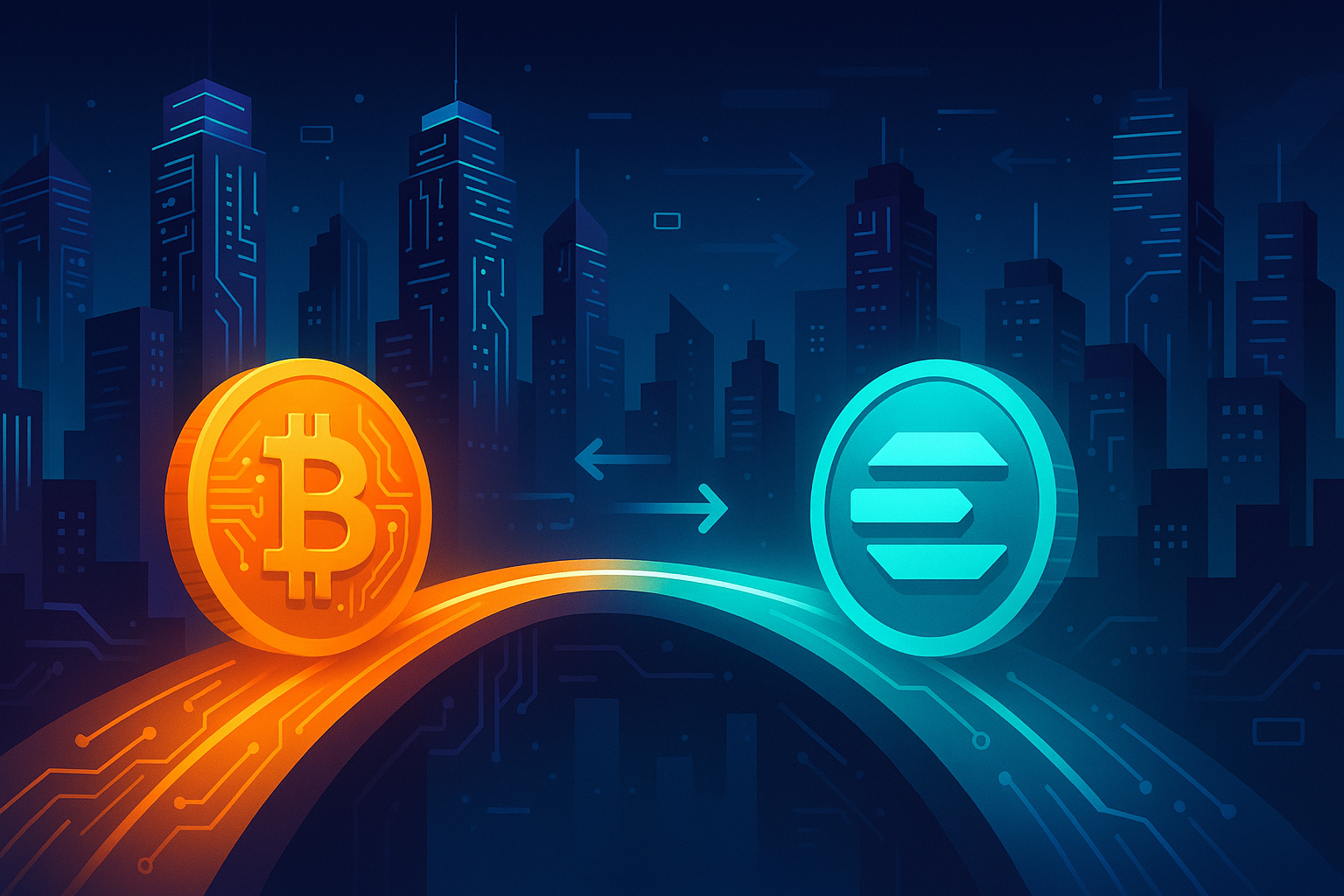
Swapping Bitcoin into Aptos gives you a bridge from a store-of-value asset into a high-performance smart contract platform. A btc to apt swap is useful for portfolio diversification, participating in Aptos DeFi and NFT ecosystems, and reducing dependency on traditional centralized exchanges.
By choosing a reputable non-custodial service, double checking wallet details, and starting with small test amounts, you can move between BTC and APT securely and efficiently. If you value privacy, key ownership, and speed, consider using a dedicated btc to apt swap interface for private, instant exchanges that fit your risk tolerance and trading style.
As always, never swap more than you can afford to lose, and take the time to understand both the Bitcoin and Aptos ecosystems before allocating significant capital. Thoughtful, informed moves will serve you far better than chasing short-term hype.