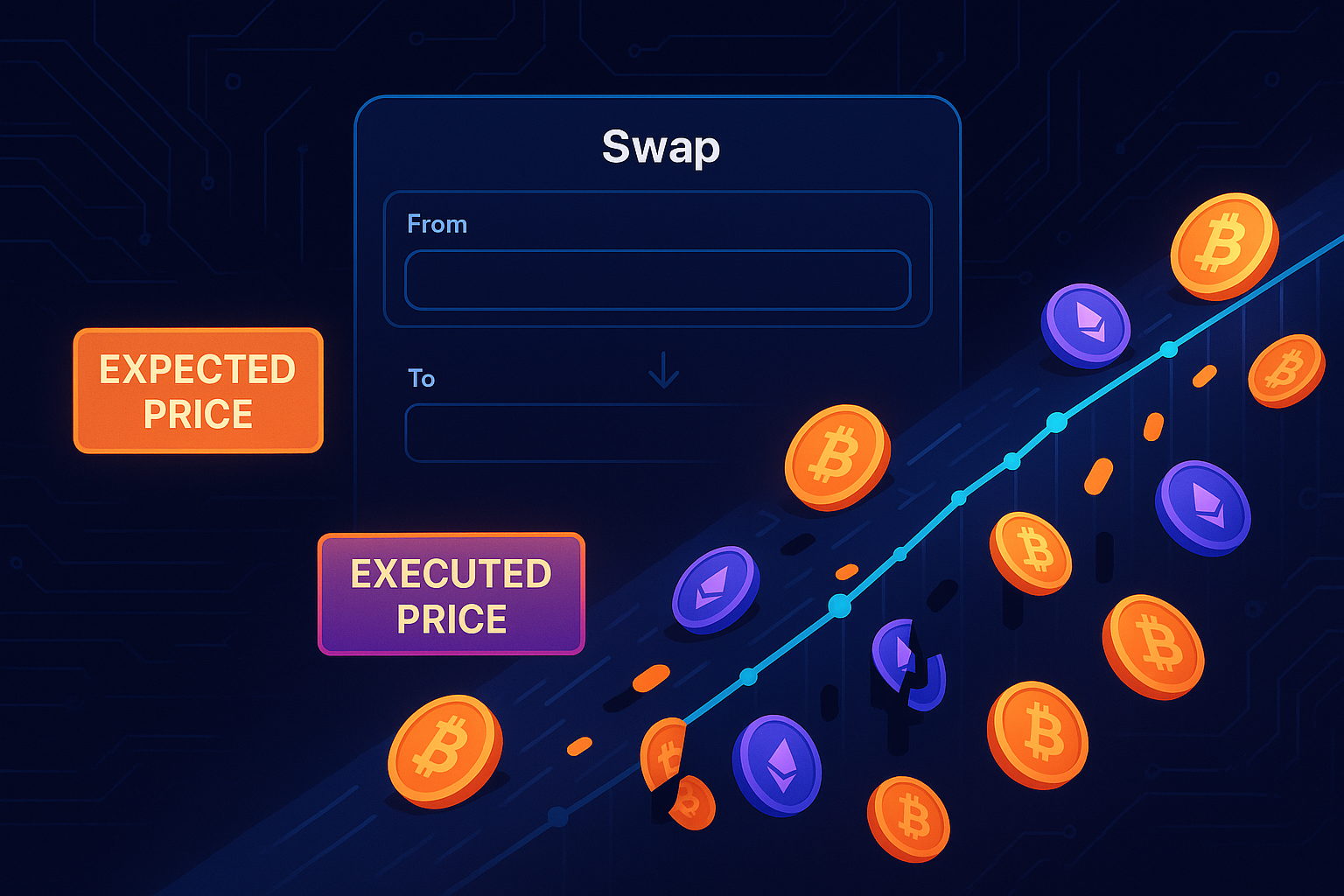
ARB to ETH Swap: Complete Guide to Exchanging Arbitrum for Ethereum
Introduction
The growth of layer 2 ecosystems has made token swaps a daily routine for many crypto users. One of the most common conversions today is the ARB to ETH swap, as traders and DeFi users move between Arbitrum’s governance token and Ethereum’s native asset for gas fees, liquidity, or portfolio rebalancing.
Whether you are an active DeFi user or just exploring Arbitrum for the first time, understanding how to swap ARB for ETH safely, efficiently, and privately is essential. Using a non-custodial arb to eth swap solution can help you avoid unnecessary risks while optimizing for speed and cost.
This guide explains why ARB to ETH swaps matter, their benefits and risks, and walks you through a practical, step-by-step process. You will also learn best practices so that every swap you make is deliberate, secure, and cost effective.
Why ARB to ETH Swaps Matter
On the surface, swapping ARB for ETH looks like just another token trade. Underneath, there are strategic, technical, and economic reasons that make this conversion especially important.
1. Using ETH as Gas and Collateral
ETH is the primary gas token in the Ethereum ecosystem and is often required on many L2s and sidechains for transaction fees or bridging operations. Even if you hold a large ARB balance, you may still need ETH to:
- Pay for transaction fees when moving assets between Arbitrum and Ethereum
- Participate in DeFi protocols that require ETH as collateral or a base asset
- Provide liquidity in ETH pairs on DEXs for yield farming or LP rewards
2. Portfolio Management and Risk Balancing
ARB is a governance and ecosystem token for Arbitrum, while ETH is a more established, blue chip asset. Many users regularly perform an ARB to ETH swap to:
- Lock in profits from ARB rallies into a more liquid and widely accepted asset
- Diversify out of ecosystem risk and into broader Ethereum exposure
- Rebalance portfolios by setting target allocations between ARB, ETH, and stablecoins
3. Access to Broader Opportunities
While ARB powers governance and incentives within the Arbitrum ecosystem, ETH opens doors across the entire Ethereum and multi-chain landscape. Swapping ARB to ETH can give you access to:
- On-chain staking products and liquid staking tokens (like stETH or similar)
- Cross-chain bridges that primarily support ETH-based routes
- NFT marketplaces and infrastructure that accept ETH as the main settlement currency
Key Benefits of an ARB to ETH Swap
When performed via a reliable, non-custodial exchange, swapping ARB to ETH comes with several significant advantages.
1. Liquidity and Market Depth
ARB and ETH are both liquid assets on centralized and decentralized exchanges. This often results in:
- Tighter spreads and more predictable pricing
- Lower slippage compared with smaller, illiquid tokens
- Improved reliability for larger trades without drastic price impact (subject to venue liquidity)
2. Faster Settlement and On-chain Finality
Depending on the network and tool you use, ARB to ETH swaps can be completed within minutes, sometimes seconds. Non-custodial services that swap crypto instantly allow you to:
- Respond quickly to market moves
- Move capital efficiently between strategies
- Avoid long withdrawal queues that can occur on some centralized exchanges
3. Security and Custody Control
Non-custodial swapping options are increasingly preferred over centralized exchanges because they let you retain control of your private keys. Benefits include:
- No exchange deposit risk or withdrawal freezes
- Reduced exposure to platform hacks and insolvency events
- Full ownership of your assets at every step of the transaction
4. Privacy and Discretion
If you use a private exchange that does not require intrusive KYC for modest swap sizes and operates on a non-custodial model, you can:
- Minimize the amount of personal information linked to your on-chain activity
- Maintain greater financial privacy for tactical moves and rebalancing
- Reduce the number of platforms that hold your sensitive identity data
Risks and Drawbacks to Consider
Every crypto transaction carries risk. Understanding the potential downsides of an ARB to ETH swap helps you make better decisions and avoid unnecessary losses.
1. Market Volatility and Slippage
Crypto prices can shift rapidly, especially in volatile market conditions. Some risks include:
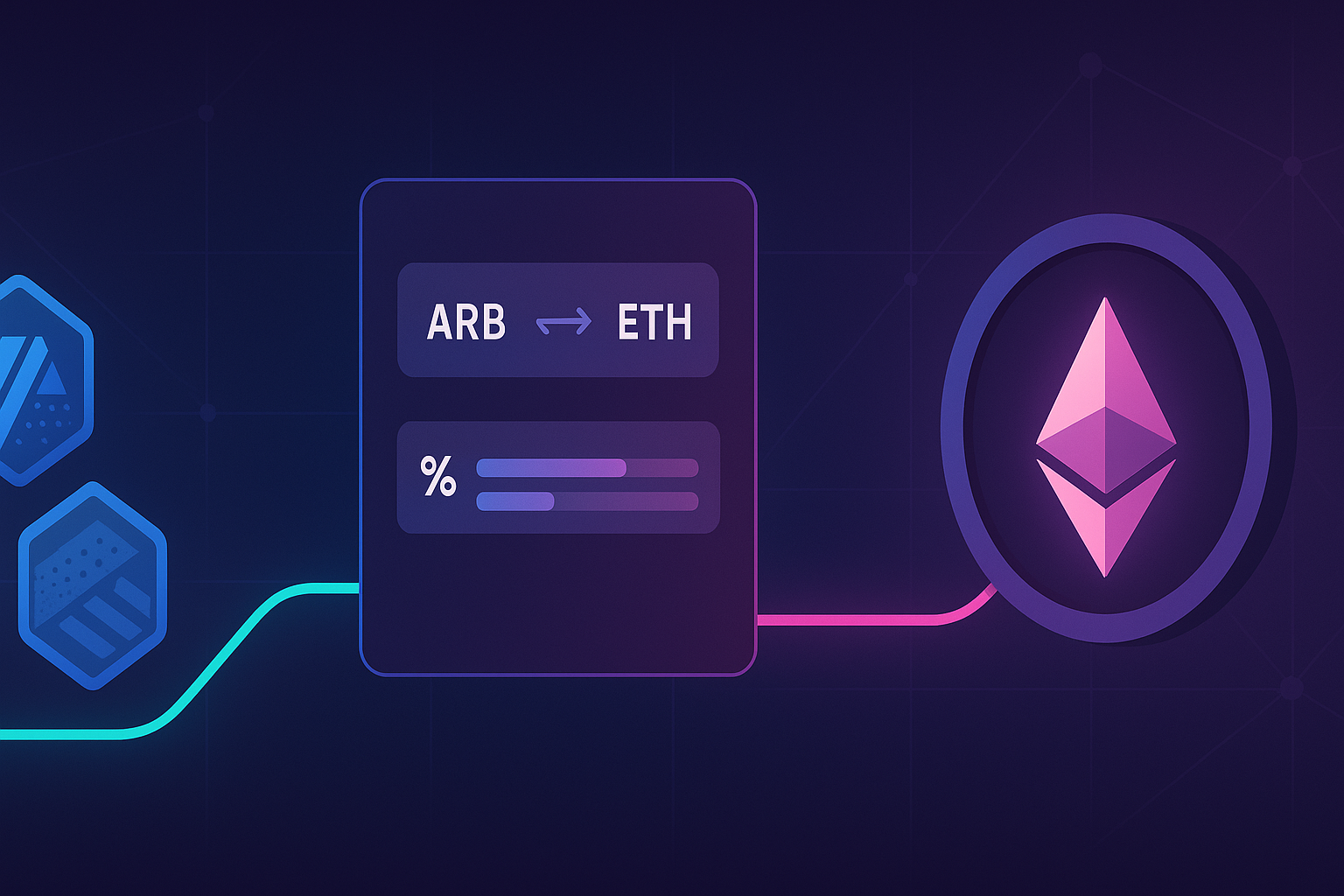
- Price slippage if your order size is large compared with available liquidity
- Sudden price moves between quote and confirmation leading to worse execution
- Opportunity cost if you swap at a local high or low without a strategy
2. Network Fees and Congestion
While Arbitrum is designed to reduce transaction costs, you may still encounter:
- Higher gas fees during network congestion
- Delays in transaction confirmation if gas settings are too low
- Additional costs if bridging between Arbitrum and Ethereum mainnet
3. Counterparty and Platform Risk
Even with non-custodial services, there is some degree of platform risk. You should evaluate:
- The track record and reputation of the swap provider
- Smart contract risk if interacting with automated on-chain contracts
- Security practices such as audits, bug bounties, and infrastructure resilience
4. Regulatory and Compliance Uncertainty
Regulations for digital assets evolve rapidly. Depending on your jurisdiction:
- Certain exchanges and tokens may face restrictions
- Tax obligations can arise when you trade ARB for ETH if it counts as a taxable event
- KYC or reporting requirements may apply for larger or frequent swaps
Step-by-Step Guide: How to Perform an ARB to ETH Swap
The exact process will vary slightly depending on the platform and wallet you use, but these general steps will help you execute a smooth ARB to ETH swap.
Step 1: Choose a Non-Custodial Swap Platform
Select a trusted tool that supports direct ARB to ETH swaps and lets you retain custody of your funds. A private, non-custodial swap interface is typically faster and more secure than sending your tokens to a centralized exchange.
When choosing a platform, check:
- Whether it supports ARB on the correct network (Arbitrum) and ETH on your desired chain
- Estimated fees, including miner/validator fees and platform spreads
- User reviews, uptime history, and transparency about how it routes liquidity
Step 2: Connect or Prepare Your Wallet
Before you swap, ensure that your crypto wallet is ready:
- Confirm it supports the Arbitrum network and displays your ARB balance
- Have a small amount of ETH (or the relevant gas token) on Arbitrum if gas fees are required there
- Back up your recovery phrase and never share your private keys
Popular wallets for ARB and ETH include browser-based wallets, hardware wallets, and some mobile wallets that support EVM-compatible chains.
Step 3: Specify the ARB Amount
On the swap interface:
- Select ARB as the token you are sending.
- Select ETH as the token you are receiving.
- Enter the amount of ARB you want to convert, or choose “max” if appropriate.
The platform should show an estimated amount of ETH you will receive, including any fees, along with an indicative exchange rate.
Step 4: Review the Quote and Fees
Before confirming the swap, carefully review:
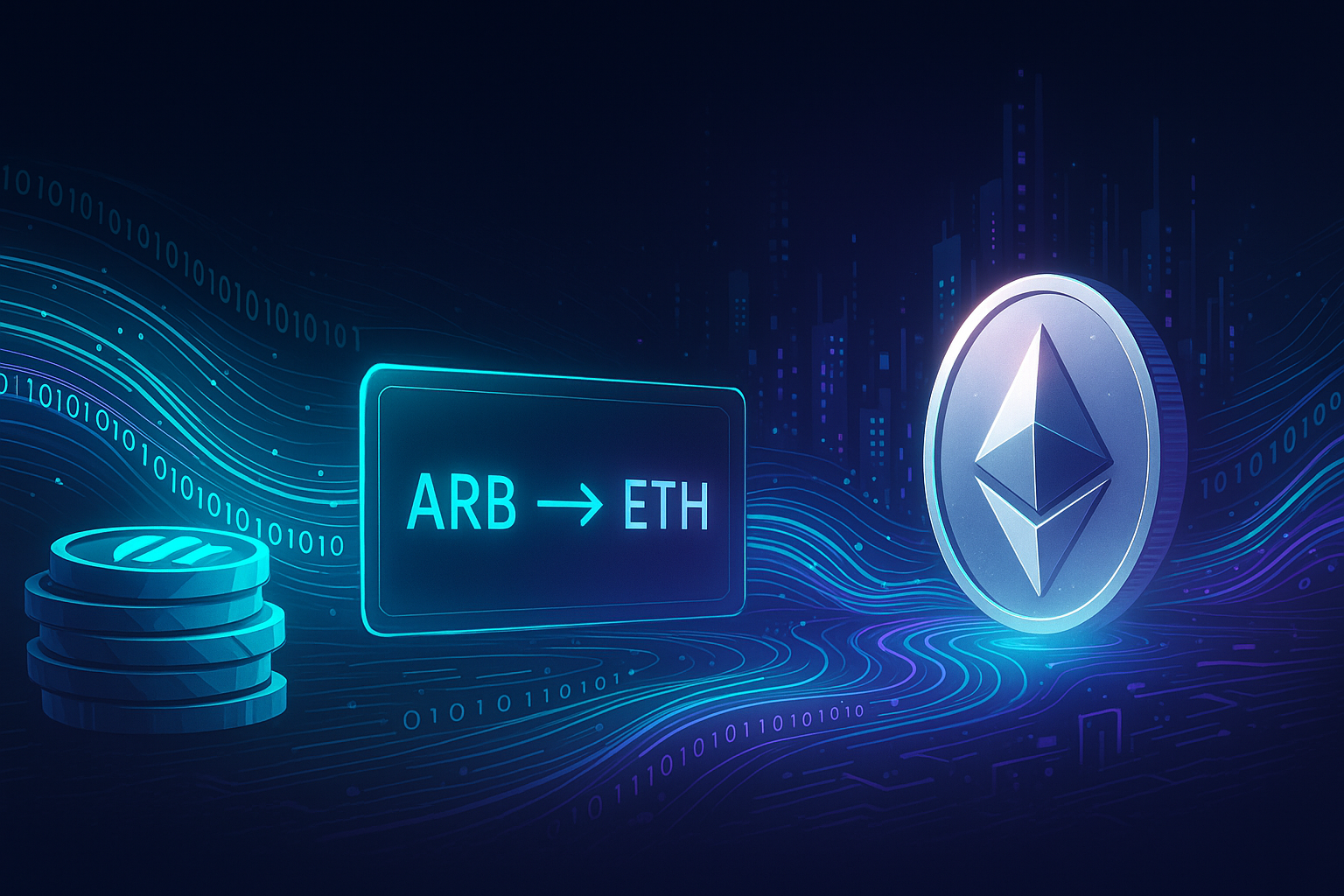
- The estimated ETH output
- Platform spread or fee (if disclosed)
- Network fee for processing the transaction on Arbitrum and, if applicable, Ethereum mainnet
- Any minimum swap limits or time-limited quotes
If your wallet or platform allows, adjust the slippage tolerance to balance execution certainty with price protection. A value that is too low may cause the swap to fail, while too high may expose you to more slippage than necessary.
Step 5: Confirm and Sign the Transaction
Once satisfied, proceed to confirm the swap:
- Click the “swap” or “exchange” button on the interface.
- Approve the ARB token spending if this is your first time using that contract (this is a separate on-chain transaction).
- Sign and broadcast the actual swap transaction via your wallet.
Wait for the transaction to be confirmed on-chain. Many platforms show a status indicator until completion.
Step 6: Verify Receipt of ETH
After the transaction confirms:
- Check your wallet balance to verify that the expected ETH amount has arrived.
- Use a block explorer (for example, Arbiscan for Arbitrum or Etherscan for mainnet) to verify transaction details.
- Record the transaction hash for your own tracking or for potential tax reporting later.
Practical Tips for Better ARB to ETH Swaps
These best practices help you achieve more efficient, secure, and predictable results when converting ARB to ETH.
1. Monitor Market Conditions
Instead of swapping at random times, consider:
- Watching order books or DEX prices for short term volatility spikes
- Setting personal thresholds for “acceptable” rates
- Using limit orders where available instead of only market-style swaps
2. Mind Network Fees and Timing
Network congestion can significantly increase transaction costs. When possible:
- Swap during off-peak hours when gas fees are lower
- Avoid high-demand events such as popular NFT mints or major protocol launches
- Use fee estimation tools or your wallet’s suggested gas presets
3. Use a Hardware Wallet for Larger Amounts
If you are swapping a substantial amount of ARB to ETH:
- Consider using a hardware wallet to sign transactions
- Verify all transaction details on the hardware device screen before confirming
- Keep your firmware and wallet software updated to the latest secure versions
4. Start With a Small Test Swap
When you are using a new platform for the first time:
- Perform a small “test swap” to ensure everything works as expected
- Verify deposit addresses carefully and avoid copy-paste errors
- Only scale up the swap size once you are confident in the process
5. Centralized vs Non-Custodial Options
You can perform an ARB to ETH swap on centralized exchanges or through non-custodial services. In many cases, a non-custodial swap is preferable because:
- You do not need to give up custody of your funds while waiting for order matching
- You may face fewer withdrawal restrictions or delays
- You reduce your exposure to exchange-specific risks
Conclusion
Performing an ARB to ETH swap is a core skill for navigating the Arbitrum and Ethereum ecosystems. Whether you are funding gas fees, rebalancing your portfolio, or chasing DeFi yields, the conversion between ARB and ETH affects your costs, risk exposure, and flexibility across chains.
By understanding the benefits, risks, and step-by-step process outlined in this guide, you can approach each swap strategically instead of treating it as a simple button click. Using a reliable private exchange for ARB to ETH swaps gives you non-custodial control, rapid execution, and greater privacy while you move between tokens.
As always, double check every transaction, keep your security practices tight, and make each arb to eth swap part of a broader investment or trading plan rather than a one-off impulse. In a fast moving market, disciplined, informed swaps can make a meaningful difference in both your risk profile and long term returns.