Anonymous Bitcoin Exchange: How to Trade Privately in 2025
Introduction
If you care about privacy, you have probably asked yourself how to use an anonymous bitcoin exchange without sacrificing security or convenience. With regulators tightening oversight and centralized platforms collecting massive amounts of personal data, more traders are actively looking for ways to buy, sell, and swap bitcoin with minimal data exposure.
At the same time, you still need to avoid scams, comply with local laws, and use tools that actually work as advertised. A modern solution many privacy‑focused users are turning to is non custodial swapping on services like anonymous bitcoin exchange platforms that require no account, which can offer fast, private trades without handing over control of your coins.
This guide explains what “anonymous” realistically means, why it matters, the benefits and trade offs, and how to actually use a more private bitcoin exchange setup safely in 2025.
What Is an Anonymous Bitcoin Exchange, Really?
When people say “anonymous bitcoin exchange,” they usually mean one or more of the following:
- No KYC (Know Your Customer): The service does not ask for identity documents like passports, ID cards, or proof of address.
- No user accounts: You can perform swaps or trades without creating an account or storing personal data with the provider.
- Non custodial operation: The platform never holds long term custody of your funds. You trade directly from one wallet to another.
- Minimal logging: The operator claims to collect as little data as possible and not to build permanent user profiles.
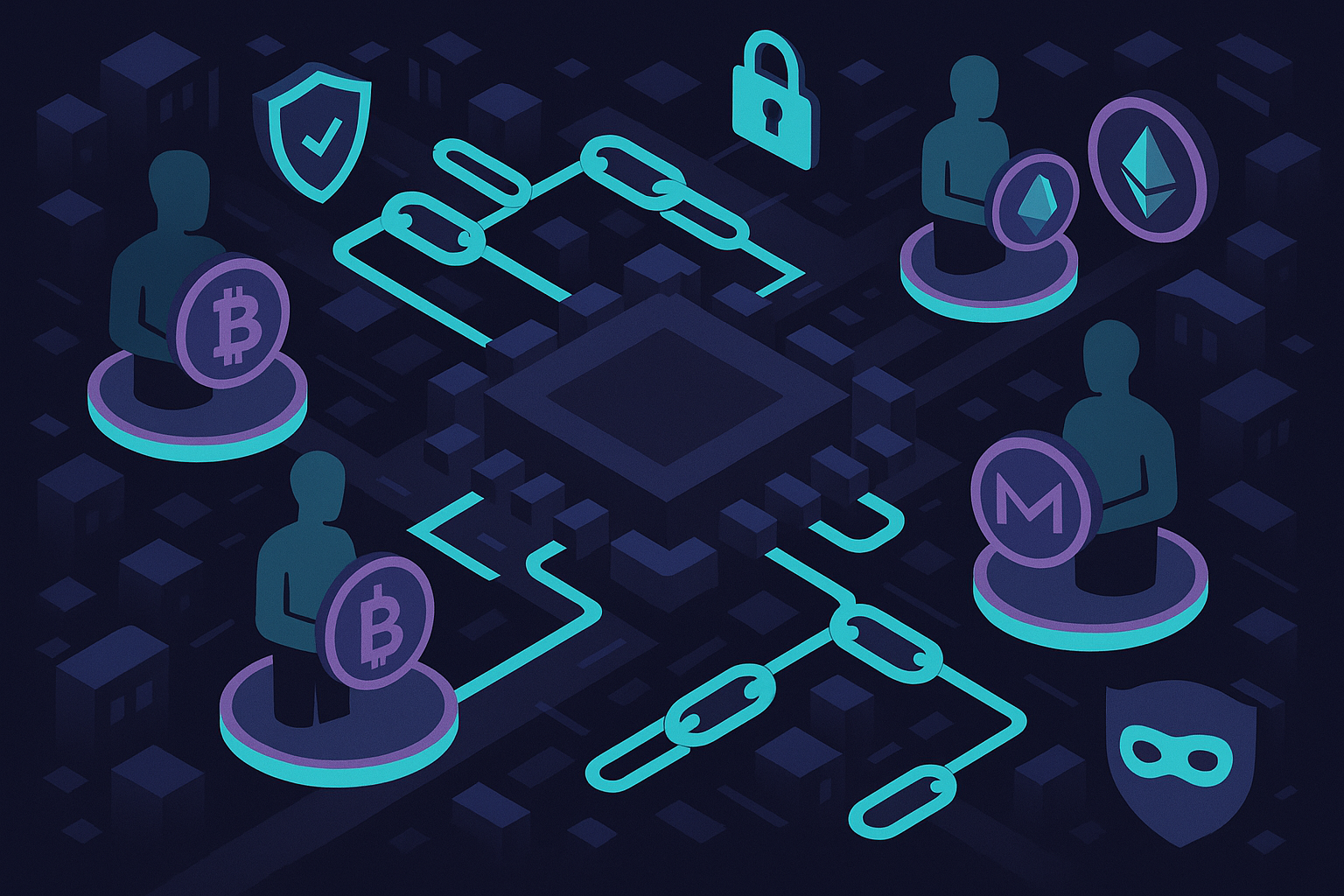
Pure, perfect anonymity is extremely difficult on public blockchains like Bitcoin. Every transaction is permanently recorded. However, you can significantly reduce the data linked to your real identity by:
- Using non KYC exchanges or swap services
- Rotating addresses and wallets
- Using privacy preserving network tools (for example, VPNs or Tor)
- Avoiding direct links between your personal banking information and your on chain activity
The goal is not invisibility. The goal is to minimize unnecessary exposure and central data collection that could be hacked, leaked, or misused in the future.
Why Anonymous Bitcoin Exchange Options Matter
1. Data Breaches Are Getting Worse
Centralized crypto exchanges hold massive databases of user information:
- Names and addresses
- Government IDs and selfies
- Bank account and card details
- On chain transaction histories
These platforms are attractive targets for hackers. Even large, regulated companies have suffered serious data breaches. Once your identity is linked to specific addresses and transaction patterns, that link exists forever.
2. Financial Privacy Is a Legitimate Need
You may want to use an anonymous bitcoin exchange because you:
- Do not want your employer, business partners, or competitors to analyze your financial history
- Live under an unstable or hostile government and fear future misuse of centralized records
- Value the principle that everyday transactions should not automatically create permanent, identifiable profiles
Privacy is not the same as hiding crime. It is about having control over who gets to see what about your financial life.
3. Reduced Censorship Risk
When all activity is routed through centralized, fully identified accounts, you depend on a single party to approve or deny your transactions. Accounts can be:
- Frozen during investigations or disputes
- Blocked by mistake
- Subject to sudden policy changes
Using non custodial, low friction swap services can help diversify your options and reduce your reliance on any single gatekeeper.
Key Benefits of Using a More Anonymous Bitcoin Exchange
1. Less Personal Data Collected
Non KYC and accountless platforms ask for far less information than traditional exchanges. This reduces:
- Your identity exposure if the platform is hacked
- Long term centralized storage of your sensitive documents
- Potential cross linking of your crypto data with other databases
2. Non Custodial Control of Funds
Many privacy focused swap services are non custodial. This brings several advantages:
- You retain control of your private keys at all times
- You reduce counterparty risk from exchange insolvency or mismanagement
- You remove the need to trust a third party with long term storage
On a private exchange that offers non custodial swaps, the service coordinates the trade, but your coins move directly between wallets you control.
3. Fast, Frictionless Onboarding
With no ID verification backlog, privacy oriented platforms can often:
- Let you start trading within minutes
- Avoid delays from manual reviews
- Offer a simple user experience without complex forms
That is especially valuable during volatile market conditions when speed matters.
4. Better Address Hygiene
Using flexible, privacy oriented services encourages good on chain hygiene:
- New deposit addresses per transaction
- Segregation of “public” and “private” stacks of coins
- Reduced chance that one doxxed address reveals your entire balance history
Risks and Drawbacks of Anonymous Bitcoin Exchange Platforms
No solution is perfect. There are trade offs you should consider before prioritizing anonymity.
1. Regulatory and Legal Considerations
- Laws differ significantly by country and change over time.
- Some jurisdictions restrict or monitor non KYC crypto access more heavily.
- Users remain responsible for understanding and complying with local regulations, including tax obligations.
Avoid assuming that “no KYC” equals “beyond the law.” Anonymous bitcoin exchange usage can still create taxable events or reporting requirements, even if the platform collects fewer details.
2. Higher Scam Risk in the Privacy Niche
The promise of anonymity attracts both legitimate privacy projects and outright scams. Risks include:
- Exit scams where operators disappear with user funds
- Fake websites impersonating real platforms (phishing)
- Malicious smart contracts or wallets that steal your keys
You must be extra careful when a platform is lightly regulated and emphasizes privacy, because you may have fewer legal protections if things go wrong.
3. Less Fiat On/Off Ramp Support
Most truly anonymous bitcoin exchange models:
- Do not connect directly to your bank account or credit card
- Focus mainly on crypto to crypto swaps
- Require you to get fiat in and out of crypto via other methods (peer to peer, vouchers, local marketplaces, or compliant fiat gateways)
If you frequently need to move large amounts between bank accounts and bitcoin, you may still need at least one fully verified, regulated exchange in your toolkit.
4. Operational Complexity
Maintaining strong privacy can be more complex than using a single all in one app:
- Multiple wallets for different purposes
- VPN or Tor usage and basic network hygiene
- Carefully tracking which addresses have touched KYC services
If your operational practices are sloppy, the privacy benefits of an anonymous bitcoin exchange can be partially or fully undone.
Types of Anonymous Bitcoin Exchange Solutions
1. Non Custodial Swap Services
These platforms let you swap one coin for another directly between self hosted wallets, without depositing to a centralized account. Typically they:
- Require only the address you are sending from and the address you want to receive to
- Match you with liquidity from their own pool or external market makers
- Set a fixed or floating rate at the time of the swap
For many retail users, this is the most practical, low friction path to more private bitcoin trading.
2. Peer to Peer (P2P) Marketplaces
P2P platforms connect buyers and sellers directly. Some allow:
- Broad choice of payment methods, including cash or bank transfers
- Optional or minimal KYC, depending on trade size or local rules
The privacy level depends heavily on how you use them. For example, meeting a stranger in person with cash is very different from sending a bank transfer from a personal account with your full name attached.
3. Decentralized Exchanges (DEXs)
Most DEXs are native to smart contract platforms like Ethereum rather than Bitcoin. However, wrapped bitcoin (WBTC) or bridged forms of BTC can be traded pseudonymously on some DEXs.
Advantages:
- No central account or custodial wallet
- Trades executed by transparent smart contracts
Disadvantages:
- Bridge and smart contract risk
- Gas fees and sometimes complex user interfaces
Step by Step Guide: How to Use a More Anonymous Bitcoin Exchange
The exact process depends on the service, but the following generalized flow covers how to use a non custodial, accountless swap platform for bitcoin.
Step 1: Set Up a Private Wallet
- Choose a reputable, non custodial bitcoin wallet (desktop, mobile, or hardware).
- Write down your seed phrase on paper and store it securely, offline.
- Do not reuse any wallet that is already connected to KYC exchanges if your goal is stronger privacy.
Step 2: Improve Your Network Privacy
Before using any anonymous trading service:
- Consider connecting via a trusted VPN or Tor browser.
- Keep your operating system and browser updated.
- Avoid using shared or corporate networks for sensitive transactions.
This helps prevent your exchange activity from being trivially tied to your IP address.
Step 3: Choose a Reputable Non Custodial Swap Service
Look for platforms that:
- Do not require account creation or KYC for your intended trade size
- Explain their non custodial model and how swaps are executed
- Have clear documentation and transparent fee structures
For example, users often consider swap crypto instantly with a non custodial swap service when they want a fast way to exchange coins directly between their own wallets.
Step 4: Configure the Swap
On the chosen platform:
- Select the asset you are sending (for example, BTC) and the asset you want to receive.
- Enter the recipient address from your private wallet for the coin you want to receive.
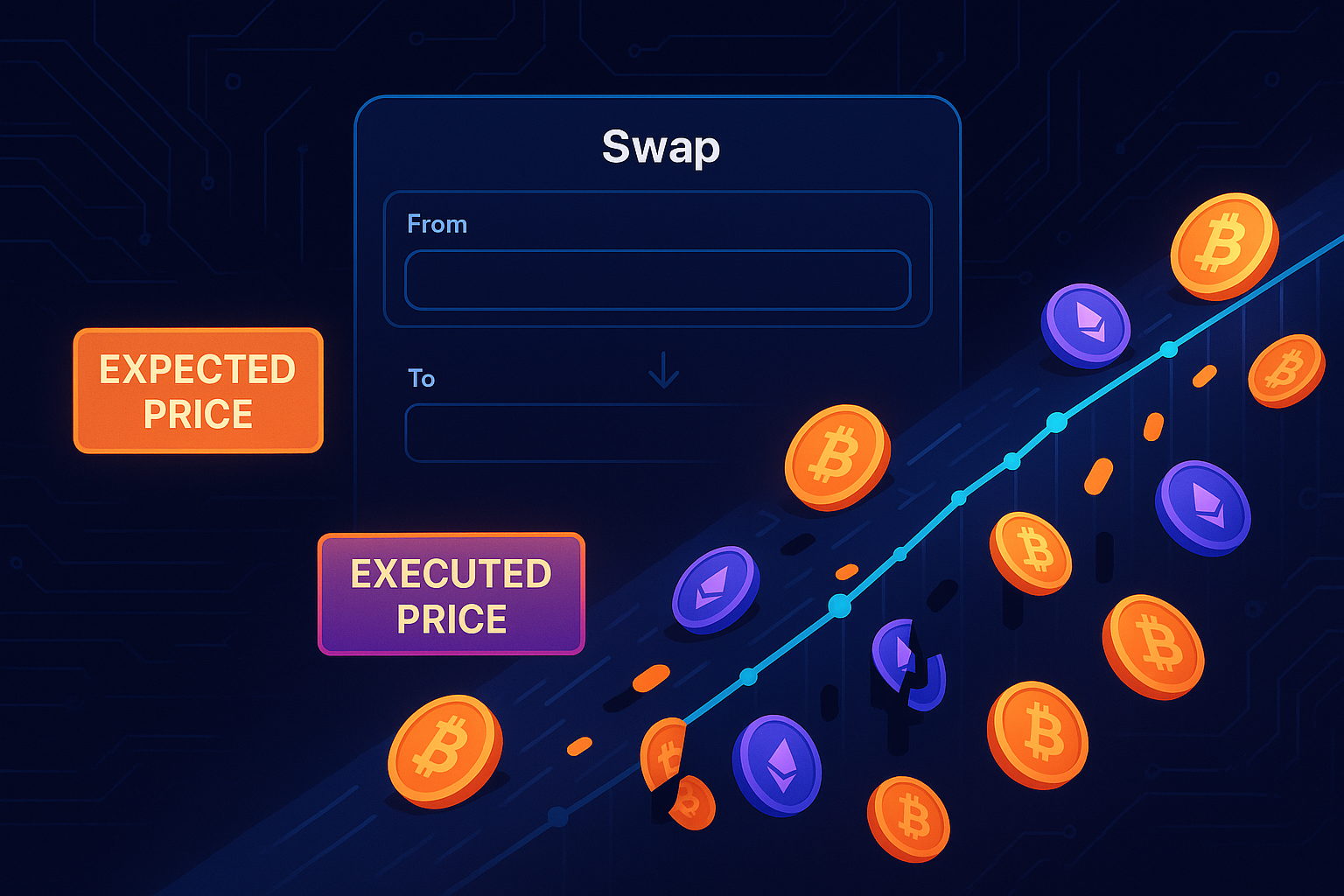
- Review the estimated rate, fees, and expected confirmation times.
Double check every address. Typos cannot be reversed once a transaction is broadcast.
Step 5: Send the Funds from Your Wallet
The platform will give you a deposit address and a time window:
- From your wallet, send the exact amount of BTC to the deposit address.
- Wait for the required number of confirmations. The platform will monitor the blockchain.
- Once confirmed, the service sends the output asset to your receiving address.
Because the platform never holds your funds indefinitely and does not manage a user account balance, your exposure to custodial risk is reduced.
Step 6: Verify Receipt and Record Keeping
After the swap:
- Confirm the received funds in your wallet.
- Save transaction IDs or receipts if you need them later for accounting or tax reporting.
- If privacy is a concern, avoid screenshotting or storing sensitive data in synced cloud folders.
Practical Tips for Staying Private and Safe
1. Always Verify URLs and Certificates
- Type URLs manually or use trusted bookmarks.
- Check for TLS/SSL (https) and correct domain spelling.
- Beware of search ads that impersonate legitimate services.
Phishing is a major risk for any exchange user, anonymous or not.
2. Start with Small Test Transactions
Before you send a large amount of BTC:
- Run a small test swap to verify the entire process.
- Confirm that the service pays out correctly and within a reasonable timeframe.
- Verify fee estimates and final amounts received.
This greatly reduces the chance of losing substantial funds to operational mistakes.
3. Separate “Public” and “Private” Wallets
If you already use KYC exchanges:
- Keep a distinct wallet that never interacts with KYC services for more private activity.
- Avoid sending coins directly from a KYC exchange to a wallet you consider private.
- Use intermediate steps and fresh addresses to avoid simple clustering.
4. Understand the Limits of On Chain Privacy
Even with anonymous bitcoin exchange tools:
- Analysts can still track flows between addresses.
- Large, unusual transactions may stand out, even without identity data.
- Mixing or advanced privacy techniques require careful, knowledgeable use.
The objective is to reduce linkability and central data concentration, not to become invisible.
5. Respect Local Laws and Tax Rules
Using a non custodial, private exchange does not remove:
- Your obligation to declare taxable events where required
- Potential reporting thresholds for large cross border transfers
- Other regulatory requirements specific to your jurisdiction
When in doubt, consult a qualified professional who understands both local law and digital assets.
Conclusion: Building a Private, Resilient Bitcoin Strategy
An anonymous bitcoin exchange is best understood as a tool for minimizing unnecessary exposure and central points of failure, not as a magic cloak of invisibility. By combining:
- A solid non custodial wallet setup
- Careful network and operational practices
- Reputable, accountless swap services
you can trade bitcoin with far less personal data on file while still respecting the legal environment you operate in.
If you are ready to experiment with this model in practice, exploring a non-custodial swap and private exchange option can be a practical first step. Start small, take time to understand each component of your setup, and treat privacy as an ongoing process rather than a one time switch.
Used thoughtfully, privacy focused exchange tools help you keep what bitcoin was designed to give you in the first place: meaningful control over your own money and the information that surrounds it.