Introduction
As the crypto market evolves, more traders are moving between major store-of-value assets like Bitcoin and newer high-performance networks like Toncoin. A BTC to TON swap lets you shift capital from Bitcoin into the TON ecosystem, which is tightly integrated with Telegram and built for fast, low-cost transactions.
Whether you want to try TON DeFi, explore Telegram-based mini-apps, or simply diversify beyond BTC, learning how to convert Bitcoin to Toncoin securely is essential. Today, you do not need to open accounts on multiple centralized exchanges or complete lengthy KYC just to move between chains. Privacy-focused tools like non-custodial BTC to TON swap platforms make this process faster and more user-friendly.
This guide covers why BTC to TON swaps matter, key benefits and risks, and a practical step-by-step process so you can exchange BTC to TON with more confidence.
Why BTC to TON Swaps Matter
Bitcoin remains the dominant asset in crypto. It is widely held, highly liquid, and often the starting point for new users. Toncoin, on the other hand, targets a different role in the ecosystem:
- High throughput and low fees suitable for everyday transactions
- Native integration with Telegram, which has hundreds of millions of users
- Growing DeFi, NFT, and mini-app ecosystem built around chat-based experiences
Moving value from BTC to TON lets you:
- Access faster and cheaper on-chain transfers than Bitcoin
- Participate in Telegram-native apps, games, and bots that rely on Toncoin
- Diversify your crypto exposure beyond one asset or one chain
As cross-chain activity grows, efficient btc to ton swap routes become essential infrastructure. Traders, builders, and power users benefit from liquidity that flows easily between Bitcoin and TON without centralized bottlenecks.
Benefits of Swapping BTC to TON
1. Access to the TON Ecosystem
Swapping Bitcoin for Toncoin gives you immediate access to the broader TON network:
- Use TON for gas fees and on-chain transactions
- Interact with Telegram mini-apps and bots that require TON
- Join DeFi protocols, liquidity pools, and staking opportunities on TON-based platforms
If you are primarily in BTC, you are missing the utility side of emerging chains like TON. A swap converts your passive asset into something you can actively use.
2. Faster and Cheaper Transactions
Bitcoin is highly secure, but it is not always fast or cheap. In periods of high demand, transaction fees can spike and confirmations can be slow. TON is built for speed and scale, with:
- Low transaction fees suitable for micro-payments
- Fast finality that makes dApps and in-chat payments feel instant
By swapping some BTC into TON, you essentially get a “spending balance” that works better for frequent on-chain activity.
3. Non-Custodial and Private Options
Modern swap tools prioritize privacy and user control. Instead of depositing to an exchange and trusting a centralized custodian, you can opt for:
- Non-custodial swaps where you retain control of your keys at all times
- No long-term accounts or centralized balances
- Minimal data sharing, which can help preserve financial privacy
On platforms that focus on privacy and self-custody, you simply provide send and receive addresses, confirm the rate and terms, send your BTC, and receive TON into your own wallet.
4. Simple Path for New TON Users
Many users hold BTC as their first cryptocurrency. A direct BTC to TON route provides a clean, intuitive way to onboard into the TON network without juggling multiple trading pairs or stablecoins.
Risks and Drawbacks of BTC to TON Swaps
Every cross-chain swap involves tradeoffs. Before swapping BTC to TON, consider the main risks.
1. Volatility Risk
Both BTC and TON are volatile assets. When you initiate a swap, the following can occur:
- Price swings during the swap window can affect how much TON you end up receiving
- Short-term volatility might cause slippage between the quoted rate and the executed rate
Mitigation tips:
- Use services that provide clear quotes and slippage ranges
- Favor swaps during more liquid, less volatile periods when possible
- Avoid swapping your entire BTC stack in one transaction if you are nervous about timing
2. Counterparty and Protocol Risk
Using any swap platform introduces some degree of counterparty or protocol risk, especially if it aggregates liquidity via third-party services or smart contracts. Potential issues include:
- Service downtime or maintenance
- Delayed or failed swaps if network congestion is extreme
- Bugs or vulnerabilities if smart contracts are involved
Mitigation tips:
- Start with a small test swap before moving larger amounts
- Choose platforms known for non-custodial design and transparent processes
- Check for clear support channels and documentation
3. On-Chain Transaction Fees and Confirmations
On the Bitcoin side, you must pay a network fee to send your BTC into the swap. On the TON side, you will pay a small fee to receive and later move your TON.
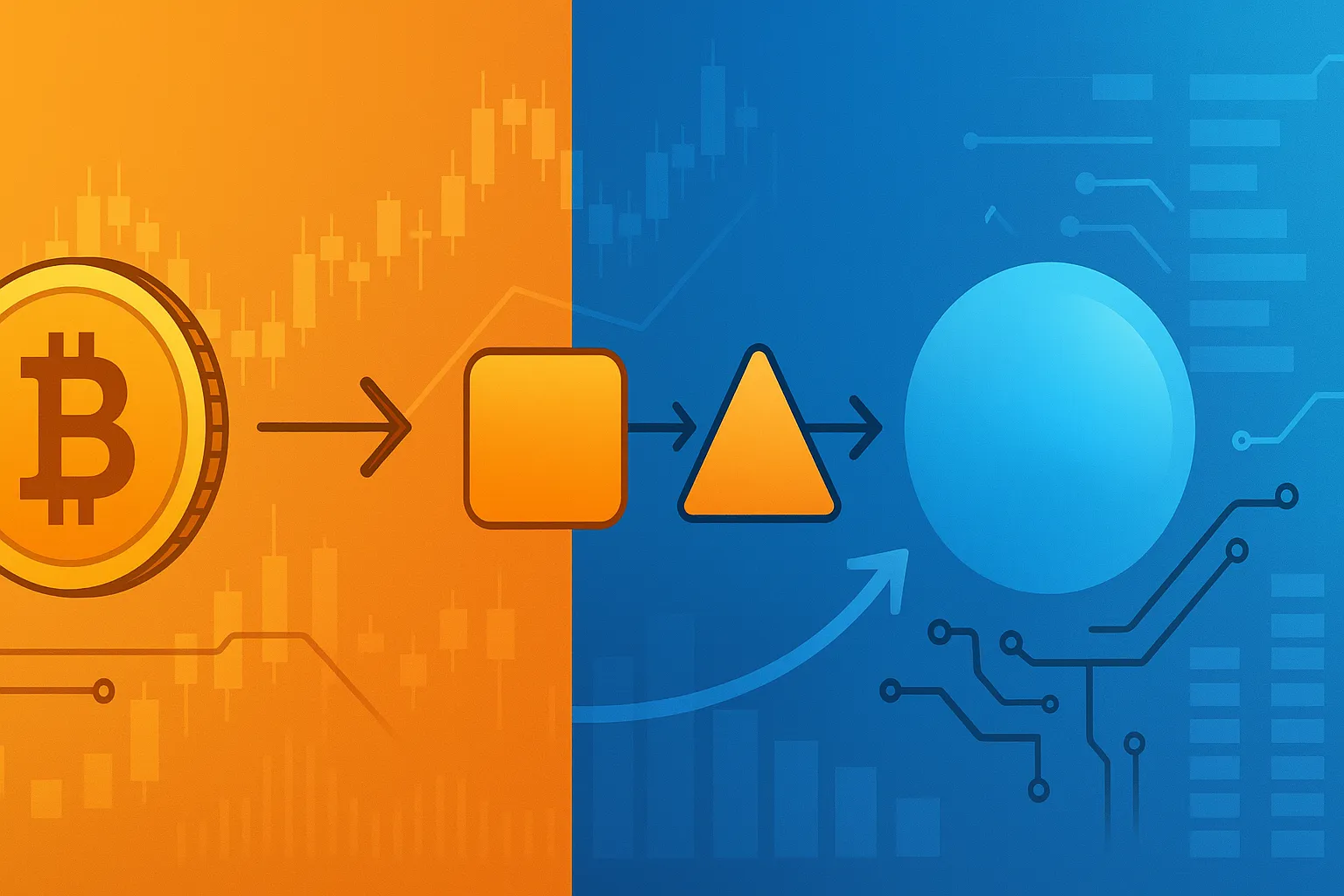
Risks include:
- Overpaying Bitcoin fees if you rush the payment in a congested mempool
- Underpaying fees and causing slow confirmations that delay the swap
Always check typical BTC network fees and confirmation expectations before sending.
4. User Error
Most loss in crypto occurs not from protocol failure but from user mistakes, such as:
- Sending BTC to the wrong address
- Providing an incorrect or incompatible TON address
- Closing the swap page before copying critical details like refund addresses or IDs
Double-check every address and parameter before final confirmation.
How BTC to TON Swaps Work Conceptually
Before jumping into the step-by-step guide, it helps to understand the basic flow involved in a BTC to TON swap:
- You initiate a swap on a platform that connects BTC and TON liquidity.
- The platform quotes a rate for converting BTC to TON plus any applicable service fee.
- You receive a BTC deposit address and sometimes a time limit for sending.
- You send BTC from your wallet to that address.
- After enough Bitcoin confirmations, the system executes the swap.
- The platform then sends TON to your specified TON wallet address.
Throughout this process on non-custodial tools, you maintain custody of your wallets and simply interact via one-time swap transactions instead of long-term deposits.
Step-by-Step Guide: How to Swap BTC to TON
The exact interface will differ by platform, but most non-custodial services follow a similar pattern. The steps below assume you are using a simple web-based tool that lets you swap crypto instantly between BTC and TON.
Step 1: Prepare Your Wallets
You need both:
- A Bitcoin wallet that can send BTC
- A Toncoin wallet capable of receiving TON on the correct network
Common choices include:
- For BTC: hardware wallets, mobile wallets, or desktop wallets where you control the keys
- For TON: popular TON-specific wallets or Telegram-integrated wallets designed for Toncoin
Make sure you have backed up your seed phrases or private keys securely before interacting with any swap service.
Step 2: Go to a BTC to TON Swap Platform
Open a reputable non-custodial swap interface in your browser. Check that:
- The URL is correct and uses HTTPS
- You are not following a phishing link from an untrusted source
- The site clearly explains how the swap works and what the expected rate or fee structure is
Step 3: Choose BTC and TON as the Currencies
On the swap page, you will typically see two dropdown menus:
- From: Select BTC (Bitcoin)
- To: Select TON (Toncoin)
Enter the amount of BTC you want to convert. The interface should automatically display an estimated amount of TON you will receive, based on the current exchange rate and any service fees.
Step 4: Review the Rate, Limits, and Fees
Before moving forward, carefully review:
- The estimated TON amount you will receive
- Any minimum or maximum swap limits
- Information on slippage or possible rate changes during the swap window
If available, check whether the rate is fixed for a time window or floating according to current market prices.
Step 5: Enter Your TON Receiving Address
Copy your TON address from your TON wallet and paste it into the receiving address field. Then:
- Verify that the address format matches what your TON wallet expects
- Compare the pasted address with the original (check at least the first and last several characters)
This step is critical because the platform will send your converted TON to this address automatically. Incorrect addresses can result in permanent loss of funds.
Step 6: Generate the BTC Deposit Address
After you confirm the details, the platform will display a unique BTC deposit address and, often, a time window to complete your payment. You will see instructions like:
- “Send exactly X BTC to this address within Y minutes.”
Copy this Bitcoin address carefully. Do not attempt to edit or shorten it. If possible, use your wallet’s QR code scanner to reduce the risk of manual errors.
Step 7: Send BTC from Your Wallet
In your Bitcoin wallet:
- Choose Send or equivalent.
- Paste or scan the BTC deposit address provided by the swap platform.
- Enter the exact BTC amount requested.
- Select a network fee appropriate for speed and cost. Medium priority is usually fine unless you need a very fast swap.
- Confirm the transaction.
Once broadcast, your BTC transaction must receive enough confirmations on the Bitcoin network before the swap service completes the conversion.
Step 8: Wait for Confirmations and Swap Execution
The platform will monitor the Bitcoin blockchain for your payment. Typical behavior:
- After 1 or more confirmations, the system recognizes your deposit
- The service then executes the BTC to TON conversion
- Finally, it sends TON to your specified receiving address on the TON network
Depending on network conditions, this process might take anywhere from several minutes to longer. Most interfaces show status updates such as “Waiting for payment,” “Confirming,” and “Sending to your wallet.”
Step 9: Confirm TON Receipt
Open your TON wallet and check your balance or recent transaction history. Once the swap is completed, you should see the new TON amount credited to your address.
For additional verification, you can:
- Use a TON blockchain explorer and paste your TON address to view incoming transactions
- Compare the received amount with the estimate shown during the swap (accounting for potential minor slippage)
Practical Tips for a Smooth BTC to TON Swap
1. Start with a Small Test Transaction
If it is your first time using a particular platform or even your first cross-chain swap, consider starting with a small amount of BTC:
- Validate that your TON address is correct
- Confirm that everything works as expected
- Gain confidence before swapping larger sums
2. Double-Check All Addresses
Address errors are one of the most common mistakes in crypto. Before confirming:
- Verify the BTC deposit address on both the swap interface and in your wallet
- Carefully inspect the TON receiving address character by character
- Beware of clipboard malware that may change pasted addresses
3. Monitor Network Fees and Mempool Conditions
Bitcoin network conditions can affect both cost and speed. For best results:
- Check a mempool or fee estimator to avoid overpaying or underpaying for BTC fees
- Opt for a reasonable fee that balances cost with timely confirmations
4. Use Reputable, Non-Custodial Services
Selecting a privacy-respecting, private exchange that supports direct BTC to TON swaps can significantly reduce friction and custodial risk. Prioritize platforms that:
- Do not require you to hold a balance on their service
- Explain their fee structure and process transparently
- Provide clear instructions and visible progress tracking for each swap
5. Keep Records of Your Swap
For personal tracking, tax reporting, or troubleshooting, store:
- Transaction IDs for your BTC transaction and TON receipt
- The amount of BTC spent and TON received
- The date, time, and approximate exchange rate
Conclusion
Swapping BTC to TON is increasingly straightforward thanks to modern non-custodial tools. With a solid btc to ton swap route, you can move capital from Bitcoin into the TON ecosystem, benefit from faster and cheaper transactions, and participate in Telegram-native apps and DeFi opportunities without sacrificing control of your keys.
By understanding the benefits, recognizing the risks, and following a clear step-by-step process, you can execute BTC to TON swaps in a way that fits your risk tolerance and technical comfort level. Use reputable services that respect your privacy, such as a non-custodial swap platform for Bitcoin and Toncoin, always double-check addresses, and consider starting with test amounts.
As the TON network continues to grow and integrate more deeply with Telegram, maintaining an efficient bridge from BTC to TON will remain a key strategy for traders, builders, and everyday crypto users who want both security and utility in their portfolios.
Ready to swap?
Convert your crypto instantly on GhostSwap, a no-KYC crypto exchange, no sign-up required.
Popular swaps: BTC to XMR ETH to BTC BTC to ETH USDT (TRC20) to BTC BTC to USDT (TRC20)