WIF to SOL Swap: A Complete Guide to Exchanging Dogwifhat for Solana
Introduction
The Solana ecosystem moves fast, and meme coins like Dogwifhat (WIF) have become a major part of on-chain trading. As traders capture profits or rebalance portfolios, one of the most common actions is a WIF to SOL swap. Whether you are rotating from speculative meme coins into a more established asset like Solana (SOL), or simply need SOL for gas fees and staking, knowing how to swap WIF to SOL efficiently is essential.
In this guide, you will learn what a WIF to SOL swap is, why it matters, the main benefits and risks, and how to perform the swap step by step. We will also look at practical tips for minimizing fees and avoiding common mistakes. If you want a fast, privacy-focused solution, you can use a non-custodial WIF to SOL swap that lets you exchange directly from your wallet.
By the end, you will be able to confidently choose where and how to convert WIF to SOL so you keep more of your gains and maintain control of your funds.
Why a WIF to SOL Swap Matters
Dogwifhat exploded in popularity as one of Solana’s most recognizable meme coins. With that growth came extreme volatility, rapid price swings, and regular opportunities for profit taking. Swapping WIF to SOL is important for several reasons:
- Profit realization: Lock in gains from a speculative meme coin position into a more liquid, established asset like SOL.
- Gas and ecosystem usage: SOL is required for transaction fees, staking, DeFi protocols, NFTs, and more on Solana.
- Risk management: Moving a portion of your portfolio from WIF to SOL can lower volatility and concentration risk.
- Access to more markets: SOL trading pairs are widely available across centralized and decentralized exchanges, providing more liquidity and options.
In other words, the WIF to SOL swap is not only about switching tokens. It is about portfolio strategy, risk balance, and making Solana’s broader ecosystem accessible.
How a WIF to SOL Swap Works
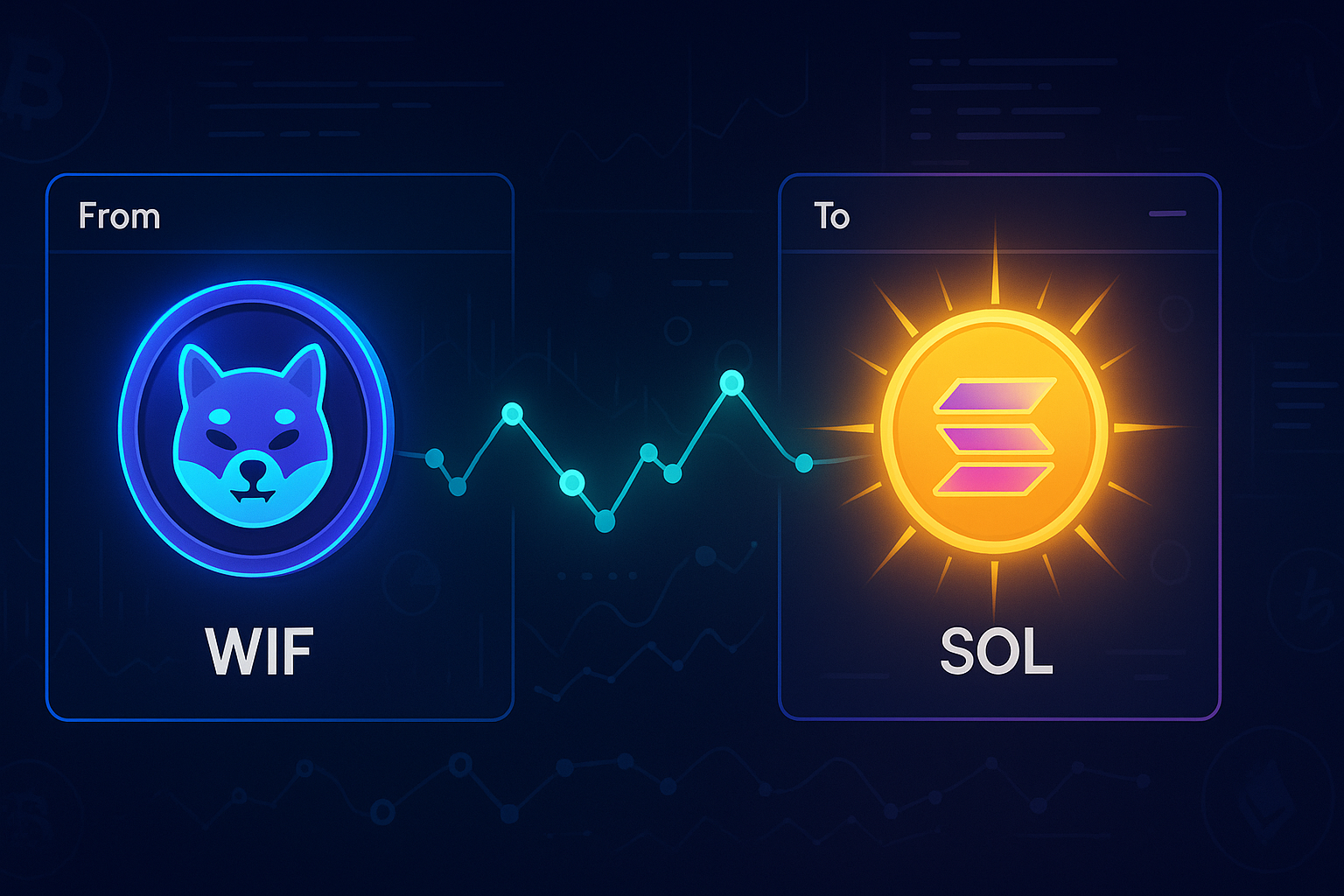
At a basic level, a WIF to SOL swap is a token trade on the Solana network. You send WIF from your wallet, and in return you receive SOL based on the current market rate, minus fees and slippage.
There are three main paths:
- Decentralized exchanges (DEXs): Protocols such as Raydium or Orca where you connect your wallet and trade directly on-chain.
- Aggregators and instant swap services: Interfaces that route your trade across multiple liquidity sources to try to get the best rate.
- Centralized exchanges (CEXs): Platforms where you deposit WIF, trade it for SOL on the exchange order book, then withdraw SOL.
Non-custodial DEX and aggregator options keep control of your keys in your hands, while CEXs require you to trust a third party with your funds. For many users, a simple swap crypto instantly interface offers the best combination of ease of use, privacy, and control.
Key Benefits of Swapping WIF to SOL
1. Greater Stability and Liquidity
Meme coins such as WIF can be extremely volatile. Swapping part of your holdings to SOL can:
- Reduce exposure to sudden price crashes
- Give you access to deeper liquidity and tighter spreads
- Provide easier exits into fiat or stablecoins via SOL markets
2. Access to the Solana Ecosystem
SOL is the native gas token of Solana. Without SOL, you cannot reliably:
- Pay for network transaction fees
- Interact with DeFi protocols, NFTs, and on-chain games
- Stake or delegate for potential yield
A well-timed WIF to SOL swap equips you to do more than just hold a meme coin. It gives you the fuel to use the chain.
3. Non‑Custodial and Private Options
When you use a non-custodial swap, your funds stay in your wallet until the transaction executes on-chain. There is no need to create an account, upload KYC documents, or deposit to an exchange wallet. Many privacy-aware traders prefer a private exchange flow that simply takes WIF from one address and returns SOL to another, all without centralized custody.
4. Speed and Low Fees
Solana is designed for fast and inexpensive transactions. When you swap WIF to SOL using on-chain tools, confirmations typically complete in seconds and the underlying network fees are usually fractions of a cent. This makes frequent rebalancing and small position adjustments far more practical than on slower, costlier chains.
Risks and Drawbacks to Consider
1. Price Volatility and Slippage
Meme coins move quickly, and so do their swap rates. Two main price-related risks are:
- Market volatility: The WIF price can spike or dump in the time it takes to create and confirm a transaction.
- Slippage: When liquidity is thin or your trade size is large relative to the pool, you receive a worse rate than the current quote.
Using limit orders on centralized exchanges or setting a reasonable slippage tolerance on DEXs can help control these risks.
2. Smart Contract and Platform Risk
If you interact with DEXs or swap aggregators, you rely on their smart contracts. Risks include:
- Undiscovered bugs or vulnerabilities in the contract code
- Malicious front-ends that alter recipient addresses
- Misconfigured parameters that affect pricing or execution
Always verify contract addresses from official sources, and avoid interacting with unknown or recently launched platforms with low audit transparency.
3. Custodial Risk on Centralized Exchanges
If you choose to swap WIF to SOL via a centralized exchange:
- You must deposit tokens to an exchange wallet controlled by the platform
- Your access can be affected by outages, freezes, or regulatory issues
- There is always some counterparty and bankruptcy risk
Non-custodial solutions remove many of these concerns by keeping control of private keys in your hands.
4. Human Error
Many losses in crypto are not from hacks, but from mistakes:
- Sending tokens to the wrong address
- Selecting the wrong network or token
- Falling for phishing sites that imitate real platforms
Double check every parameter: token, network, address, and amount before you click “Swap” or “Confirm.”
Step-by-Step Guide: How to Swap WIF to SOL
The exact steps vary slightly by platform, but the process is similar across reputable non-custodial swap interfaces and DEXs. Below is a generic guide that you can adapt to your preferred tool.
Step 1: Set Up and Fund Your Solana Wallet
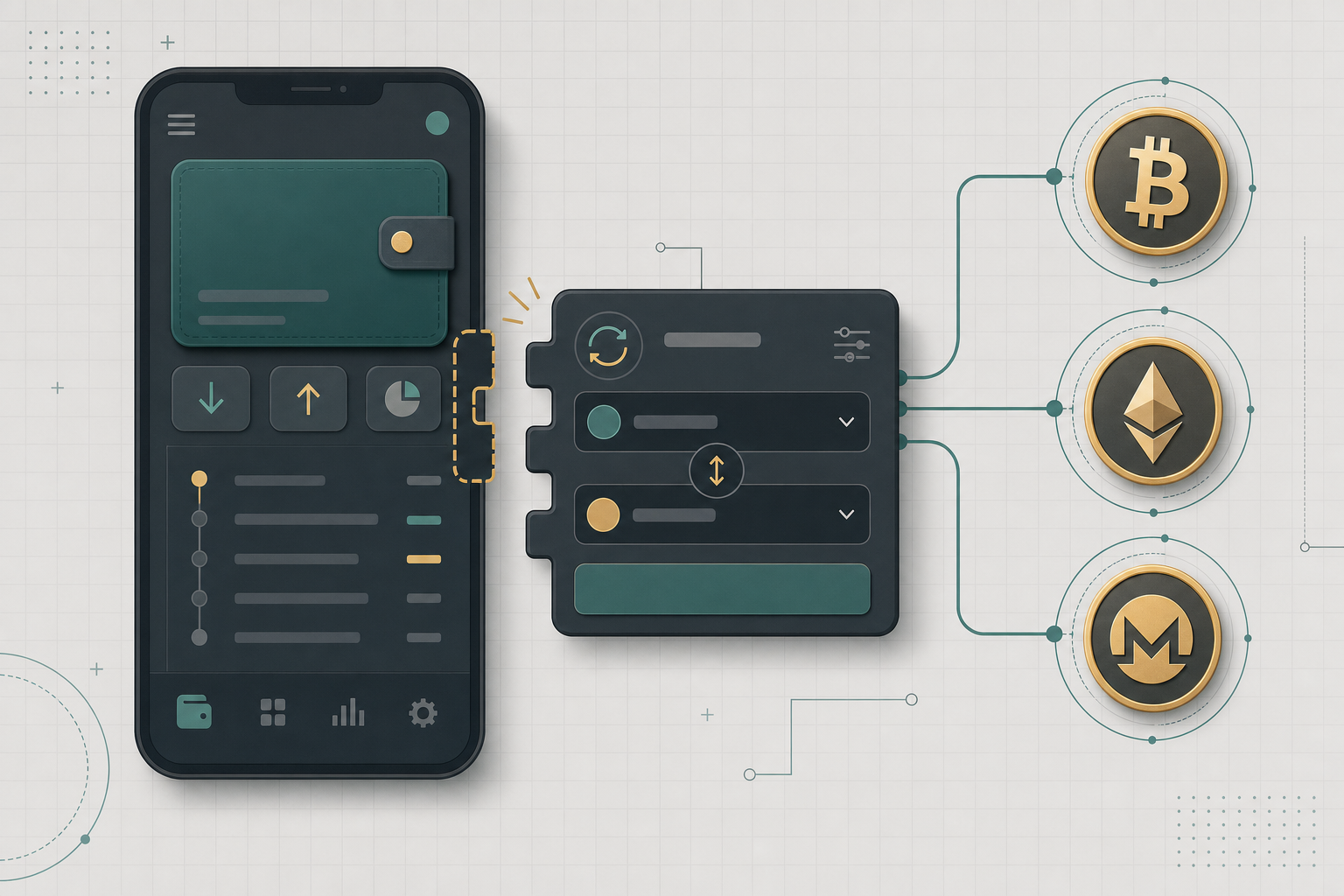
- Choose a wallet: Popular options include Phantom, Solflare, and Backpack.
- Create a new wallet: Follow the app’s setup instructions and securely store your seed phrase offline.
- Fund with WIF: Send WIF from your exchange or another wallet to your new Solana wallet address. If you already hold WIF there, you can skip this step.
- Add a small amount of SOL: You need some SOL to pay network fees. If you do not have any, you can buy a small amount on an exchange and withdraw to your address.
Step 2: Choose a Swap Platform
You can use:
- A direct DEX interface
- A DEX aggregator
- An instant WIF to SOL swap tool
For many users who value simplicity and privacy, an instant wif to sol swap page that connects to your wallet is a convenient option.
Step 3: Connect Your Wallet
- Open the swap platform in your browser.
- Click “Connect Wallet” or similar.
- Select your wallet provider (for example, Phantom).
- Approve the connection request in your wallet.
Make sure the website URL is correct and uses HTTPS. Bookmark the official page to avoid phishing attempts.
Step 4: Configure the Swap
- In the “From” field, select WIF and enter the amount you want to swap.
- In the “To” field, select SOL.
- Review the quoted rate, estimated fees, and minimum received amount.
- Adjust slippage tolerance if the interface allows:
- 1–3% for normal market conditions
- Higher only if liquidity is thin or volatility is extreme
Step 5: Execute the Swap
- Click “Swap” or “Exchange.”
- Your wallet will show a transaction confirmation window.
- Review:
- Token amounts
- Destination token (SOL)
- Estimated fee
- Recipient address (usually your own wallet)
- Confirm the transaction in your wallet.
On Solana, the transaction should confirm in a few seconds under normal conditions.
Step 6: Verify Receipt of SOL
- Open your wallet and check your SOL balance.
- Optionally, view the transaction on a block explorer such as Solscan or SolanaFM using your wallet address or transaction hash.
- Once confirmed, your SOL is ready to be used for fees, staking, or further trading.
Practical Tips for a Better WIF to SOL Swap
1. Time Your Swap
Market timing is difficult, but a few good practices can help:
- Avoid swapping right after sudden large price spikes or news events, where spreads can widen.
- Check basic chart patterns or support and resistance levels before committing large amounts.
- Consider splitting big swaps into smaller chunks to reduce slippage and timing risk.
2. Monitor Fees and Slippage
While Solana network fees are usually low, overall cost also includes:
- DEX or platform fees
- Price impact due to your trade size
- Any additional routing or aggregator fees
If your quoted minimum received amount is much lower than expected, reduce trade size or wait for better liquidity.
3. Use Trusted Platforms Only
Always:
- Verify platform URLs from official sources such as project websites or reputable community channels.
- Avoid clicking random ads or sponsored links for swapping WIF to SOL.
- Check if the platform has community usage, reviews, or security disclosures.
4. Protect Your Wallet and Keys
- Never share your seed phrase or private keys with anyone or any website.
- Consider using a hardware wallet for larger balances.
- Regularly review connected dApps and revoke permissions you no longer need.
5. Consider Tax and Reporting Implications
In many jurisdictions, swapping one crypto asset for another is a taxable event. A WIF to SOL swap may:
- Trigger capital gains or losses based on your cost basis for WIF
- Need to be recorded for annual tax reporting
Use portfolio tracking tools or export transaction histories from your wallet to keep accurate records, and consult a qualified tax professional if needed.
Conclusion
A WIF to SOL swap is more than a simple token trade. It is a strategic move that can help you lock in meme coin gains, reduce risk, and unlock the full potential of the Solana ecosystem. By using non-custodial, privacy-respecting tools, you maintain control of your funds while enjoying fast execution and low fees.
Before you swap, always weigh benefits against risks: market volatility, smart contract exposure, custodial risk if you use CEXs, and the potential for human error. Take your time to verify URLs, contract addresses, and wallet permissions, especially when moving significant value.
If you want a streamlined, wallet-to-wallet experience, consider using a non-custodial swap interface that lets you convert WIF to SOL quickly without creating an account or surrendering custody. With the right tools and a careful approach, you can make each swap work in favor of your long-term strategy on Solana.
Ready to Swap?
Convert your crypto instantly on GhostSwap — no KYC, no sign-up required.
Popular swaps: BTC to XMR | BTC to ETH | XMR to BTC | ETH to XMR | BTC to SOL