BONK to SOL Swap: A Complete Guide to Swapping BONK for Solana Safely and Efficiently
Introduction
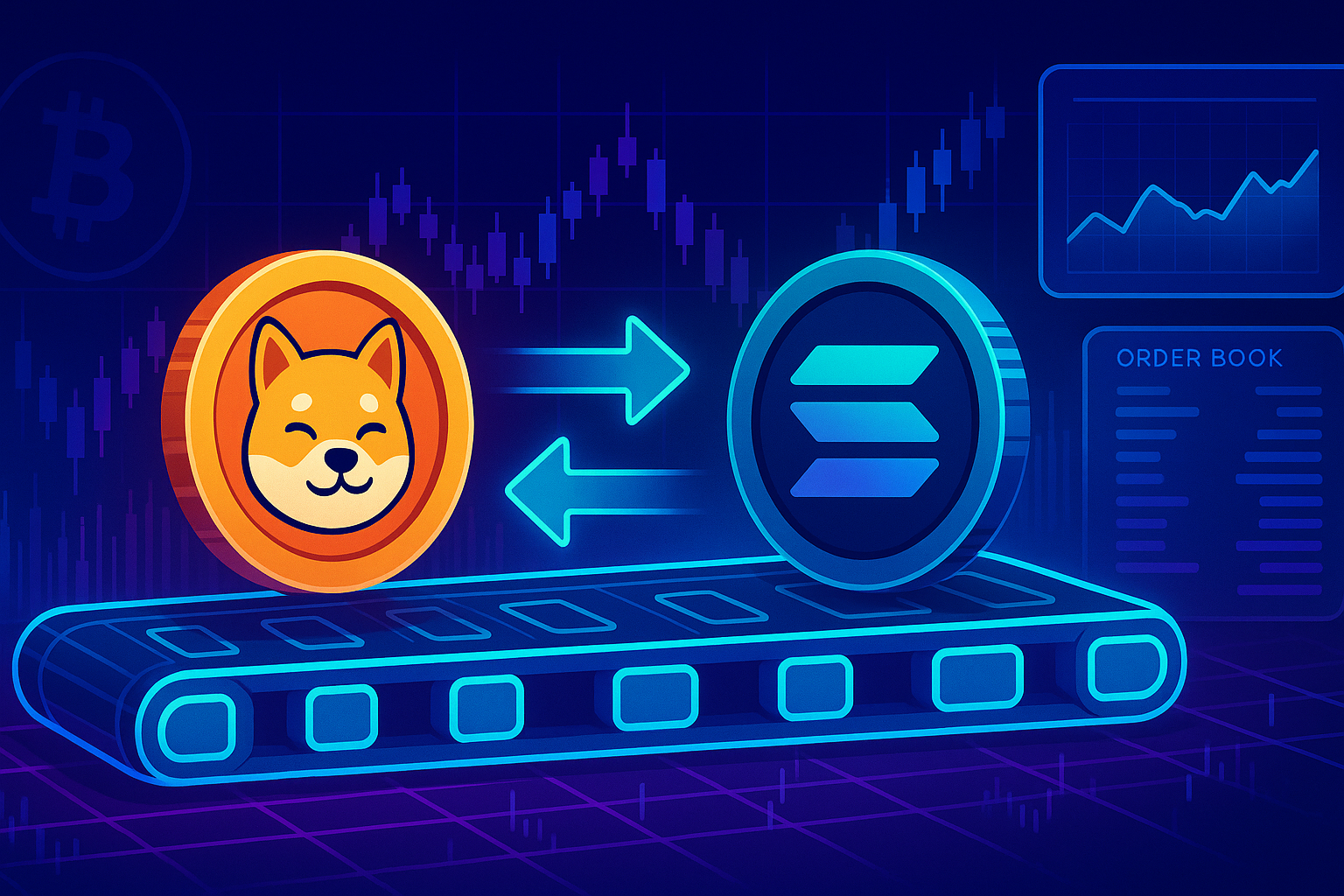
The meme coin wave on Solana has brought BONK into the spotlight, and many traders now want a simple, fast, and secure way to execute a bonk to sol swap. Whether you are taking profits from a BONK rally, rotating into a blue-chip asset like SOL, or just rebalancing your portfolio, knowing how to swap BONK for SOL efficiently can save you both time and money.
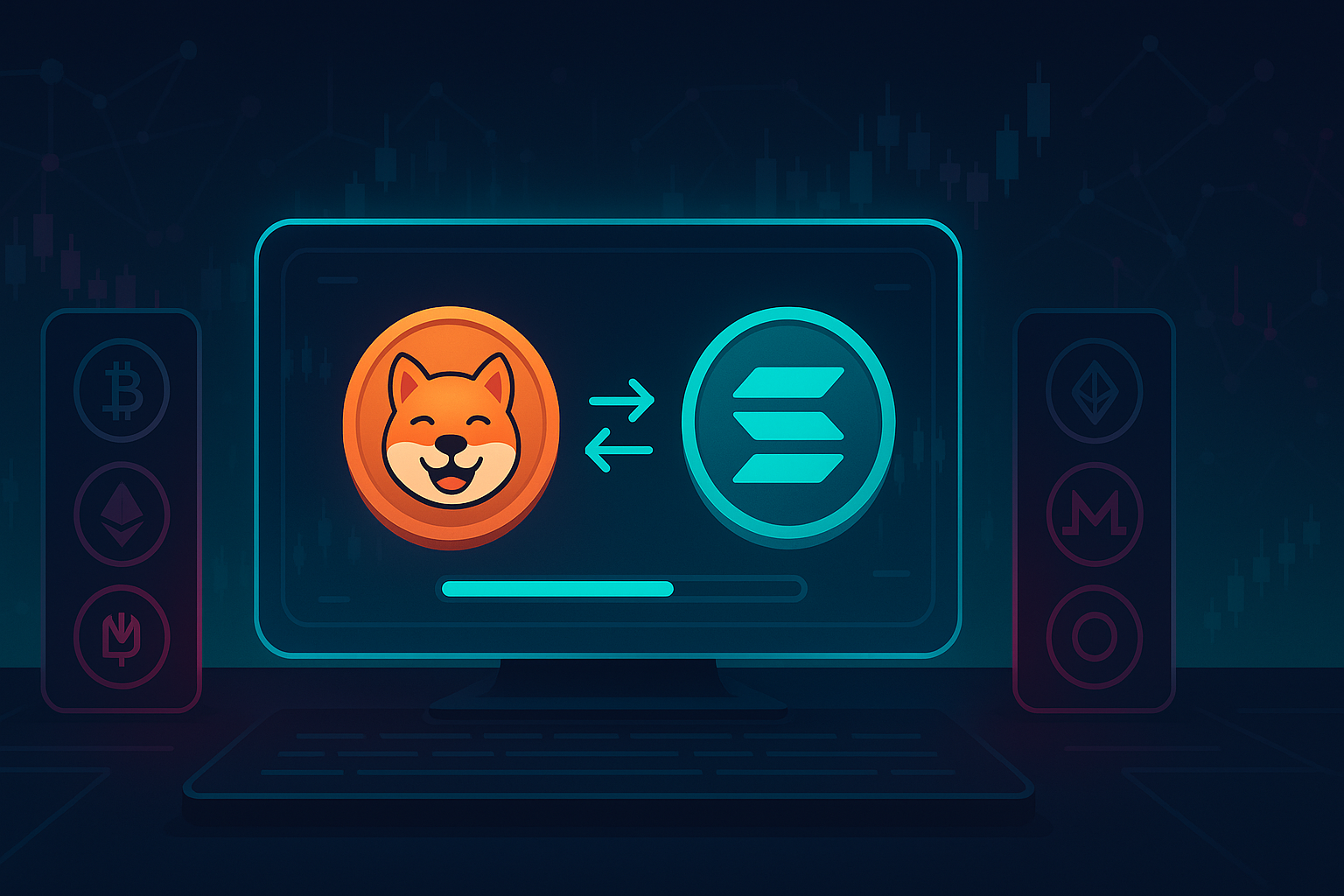
Today, you do not need a centralized exchange account or complicated order books. Non-custodial swap platforms let you convert tokens directly from your wallet with only a few clicks. For example, you can execute a straightforward bonk to sol swap by connecting your wallet, entering your amounts, and confirming the transaction on-chain.
This guide walks you through why BONK to SOL swaps matter, the main benefits and risks, and a step-by-step walkthrough with practical tips. Whether you are a beginner in the Solana ecosystem or an active DeFi user, this article will help you approach BONK to SOL swaps with more confidence and better risk management.
Why a BONK to SOL Swap Matters
On Solana, BONK and SOL play very different roles:
- SOL is the native asset of the Solana blockchain, used for gas fees, staking, governance, and as a core reserve asset in the ecosystem.
- BONK is a meme token with high volatility and strong community-driven price action but without the same fundamental utility as SOL.
A bonk to sol swap is often part of a wider strategy:
- Locking in profits: After a BONK pump, rotating into SOL can help secure gains in a more established asset.
- Reducing volatility: SOL is still volatile, but typically less so than smaller meme tokens.
- Accessing DeFi and staking: Many Solana DeFi protocols, NFT mints, and staking platforms require SOL, not BONK.
- Paying network fees: Any activity on Solana requires SOL for gas, so converting some BONK to SOL is often essential.
In short, BONK is often used for speculation, while SOL is more foundational. Moving between the two gives you flexibility in how you manage risk and opportunity within the Solana ecosystem.
Key Benefits of Swapping BONK to SOL
While trading always involves risk, there are several clear benefits to converting BONK into SOL using a modern on-chain swap interface.
1. Non-custodial control
With on-chain swaps, you keep your funds in your own wallet until the moment of execution. A non-custodial swap means:
- No centralized exchange holding your assets.
- Reduced counterparty risk.
- Better alignment with the core values of DeFi: self-custody and permissionless access.
2. Speed and convenience
Solana is known for high throughput and low transaction fees. A BONK to SOL trade typically confirms in seconds, so you can:
- React quickly to changing prices.
- Avoid the long deposit and withdrawal times common on centralized exchanges.
- Complete a swap crypto instantly without multiple transfers between platforms.
3. Potentially lower costs
Instead of paying:
- Deposit fees,
- Trading fees, and
- Withdrawal fees
to multiple centralized platforms, a single on-chain swap often replaces that entire sequence. While there will still be trading spreads and liquidity-related costs like slippage, the all-in cost can be lower and simpler to track.
4. Better portfolio flexibility
Having the ability to move from BONK to SOL and back again lets you:
- Rebalance your portfolio periodically.
- Respond to new opportunities, such as Solana DeFi yields or NFT mints.
- Manage risk dynamically as market conditions change.
Risks and Drawbacks of a BONK to SOL Swap
Every trade involves trade-offs. Before you swap BONK to SOL, it is important to understand the main risks.
1. Market volatility
Both BONK and SOL are volatile. The price of BONK can move sharply in either direction, and SOL is still a high-beta crypto asset. When you execute a bonk to sol swap:
- You lock in your BONK value at a specific market rate.
- If BONK rallies after you sell, you may experience regret or “opportunity loss.”
- If SOL drops after you buy, the fiat value of your holdings may fall.
There is no way to eliminate this kind of price risk, but you can control how much of your portfolio you expose to it.
2. Slippage and liquidity
On-chain swaps rely on liquidity pools or aggregators. If you trade a large amount relative to the pool size, you might experience:
- High slippage: The final execution price is worse than the initial quote.
- Front-running risk in some environments: Other participants may attempt to profit from your trade.
Using reasonable slippage limits and splitting very large swaps into multiple smaller ones can help reduce these issues.
3. Smart contract and platform risk
Non-custodial does not mean risk-free. When you use a DEX or swap interface, you rely on:
- The security of the underlying smart contracts.
- The accuracy of quotes and routing logic.
- The safety of your connected wallet environment.
Using a reputable private exchange or swap interface with transparent contracts and a good security track record is an important part of mitigating this risk.
4. Human error
Common mistakes include:
- Selecting the wrong token (for example a fake BONK token with similar ticker).
- Copying incorrect addresses.
- Setting slippage too high and getting an unexpectedly poor rate.
- Confirming a transaction on the wrong network.
Slow down, double-check every field, and never rush a transaction, especially during volatile market moves.
Step-by-Step Guide: How to Execute a BONK to SOL Swap
Below is a general, chain-agnostic walkthrough focused on Solana. Interfaces will differ slightly, but the core process is usually similar.
Step 1: Set up or access your Solana wallet
You need a Solana-compatible wallet that already holds BONK. Popular options include:
- Phantom
- Solflare
- Backpack
- Sollet (and other Solana-native wallets)
Make sure:
- You are on the official wallet website or extension (beware of phishing links).
- Your wallet is funded with BONK and at least a small amount of SOL for transaction fees.
Step 2: Choose a trusted swap interface
Select a non-custodial swapping service that supports BONK and SOL. The platform should:
- Clearly show input and output tokens.
- Provide a quote, including estimated slippage.
- Connect directly to your wallet without custody of your funds.
For example, you can visit a dedicated BONK/SOL swap page and perform a targeted non-custodial swap without navigating complicated trading interfaces.
Step 3: Connect your wallet
On the swap page:
- Click “Connect Wallet” or the equivalent button.
- Select your wallet provider (e.g., Phantom).
- Approve the connection request in your wallet.
The interface should now show your BONK balance and enable you to set the amount you want to swap.
Step 4: Select BONK to SOL and enter the swap amount
Configure the trade parameters:
- Set “From” or “You pay” to BONK.
- Set “To” or “You receive” to SOL.
- Enter the BONK amount you want to swap.
The interface should automatically calculate an estimated amount of SOL you will receive, based on the current rate and liquidity conditions.
Step 5: Review price, fees, and slippage
Before clicking “Swap” or “Exchange,” carefully review:
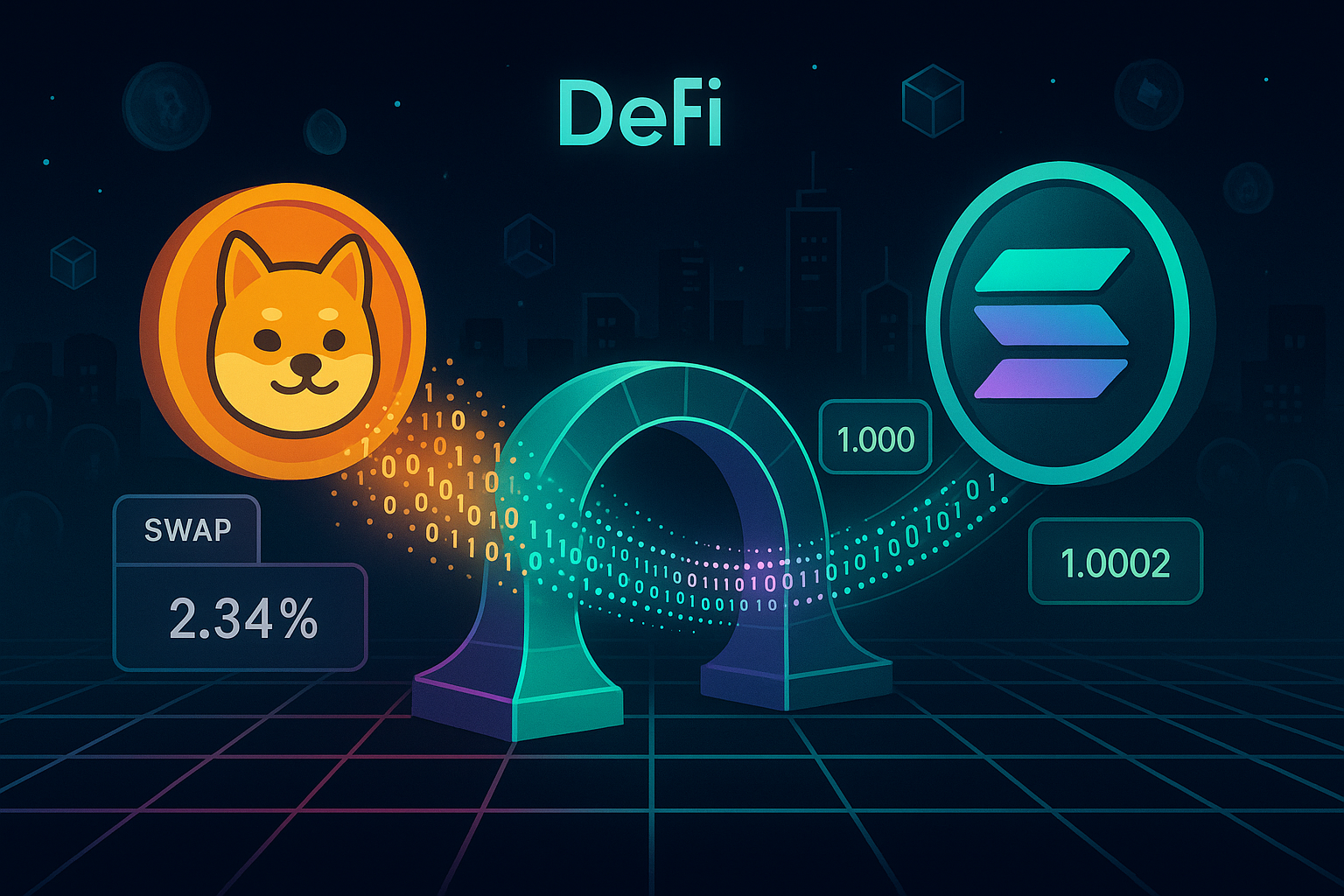
- Exchange rate: How much SOL you receive per BONK.
- Estimated fees: Network fees and any protocol fees included in the quote.
- Price impact / slippage: How your trade size affects the final price.
If slippage looks too high, you can:
- Lower your slippage tolerance in the settings.
- Reduce the trade size and execute multiple smaller swaps.
Step 6: Confirm the swap transaction
When everything looks correct:
- Click “Swap” or “Confirm” on the interface.
- Approve the transaction that pops up in your wallet.
- Wait a few seconds for Solana to process the transaction.
Most interfaces will show a confirmation message or a link to a block explorer where you can verify the final details on-chain.
Step 7: Verify your new SOL balance
After the transaction is confirmed:
- Open your wallet and check your updated balances.
- Your BONK holdings should be reduced by the swap amount plus any fees.
- Your SOL balance should show the new amount received.
You can now use SOL to stake, participate in DeFi, mint NFTs, or simply hold it as part of your long-term portfolio.
Practical Tips for Safer and Smarter BONK to SOL Swaps
1. Start small if you are new
If this is your first time performing a bonk to sol swap, try a small test transaction first. This helps you:
- Verify that your wallet is connected correctly.
- Confirm that the interface behaves as expected.
- Gain confidence before committing larger amounts.
2. Double-check token contracts and URLs
Scams in crypto often revolve around fake websites and lookalike tokens. Protect yourself by:
- Bookmarking official swap URLs and wallet sites.
- Using the official BONK and SOL token listings on reputable explorers or aggregators.
- Never trusting random links from DMs or unverified social media accounts.
3. Keep some SOL for fees
Do not swap all your SOL away when entering BONK, and do not forget to keep some SOL after exiting BONK. Without SOL in your wallet, you cannot:
- Pay for future transactions.
- Move or swap tokens again.
- Participate in DeFi protocols that require network fees.
4. Watch the market but avoid emotional trading
Meme coins like BONK can move very fast. While monitoring the market is useful, avoid:
- Chasing pumps or panic-selling into deep red candles.
- Letting social media hype override your own risk tolerance.
- Making large swaps without a clear plan for why and when.
Have a simple strategy, such as taking partial profits into SOL at predetermined levels, and stick to it.
5. Understand tax and reporting rules
In many jurisdictions, swapping BONK for SOL is a taxable event, similar to selling one asset to buy another. You may need to:
- Track your cost basis in BONK.
- Record the value of SOL received at the time of the swap.
- Report gains or losses based on local regulations.
Consult a tax professional familiar with crypto in your region if you are unsure about your obligations.
Conclusion: Is a BONK to SOL Swap Right for You?
A bonk to sol swap is a practical tool for anyone active in the Solana ecosystem. It lets you move from a high-volatility meme token into a more foundational asset, capture gains after price spikes, and position yourself for staking or DeFi opportunities built around SOL.
The process is straightforward: connect a wallet, choose BONK and SOL, review the quote and slippage, then confirm the transaction. When done through a reliable private exchange with a simple BONK/SOL interface, it can be both fast and non-custodial, keeping you in control of your funds at all times.
As with any crypto trade, take time to understand the risks, move carefully, and align your swaps with a clear portfolio strategy. Used thoughtfully, swapping BONK to SOL can be a powerful way to manage volatility, secure profits, and deepen your participation in the broader Solana network.
Ready to Swap?
Convert your crypto instantly on GhostSwap — no KYC, no sign-up required.
Popular swaps: BTC to XMR | BTC to ETH | XMR to BTC | ETH to XMR | BTC to SOL