How to Make an INJ to BTC Swap Safely and Efficiently
Introduction
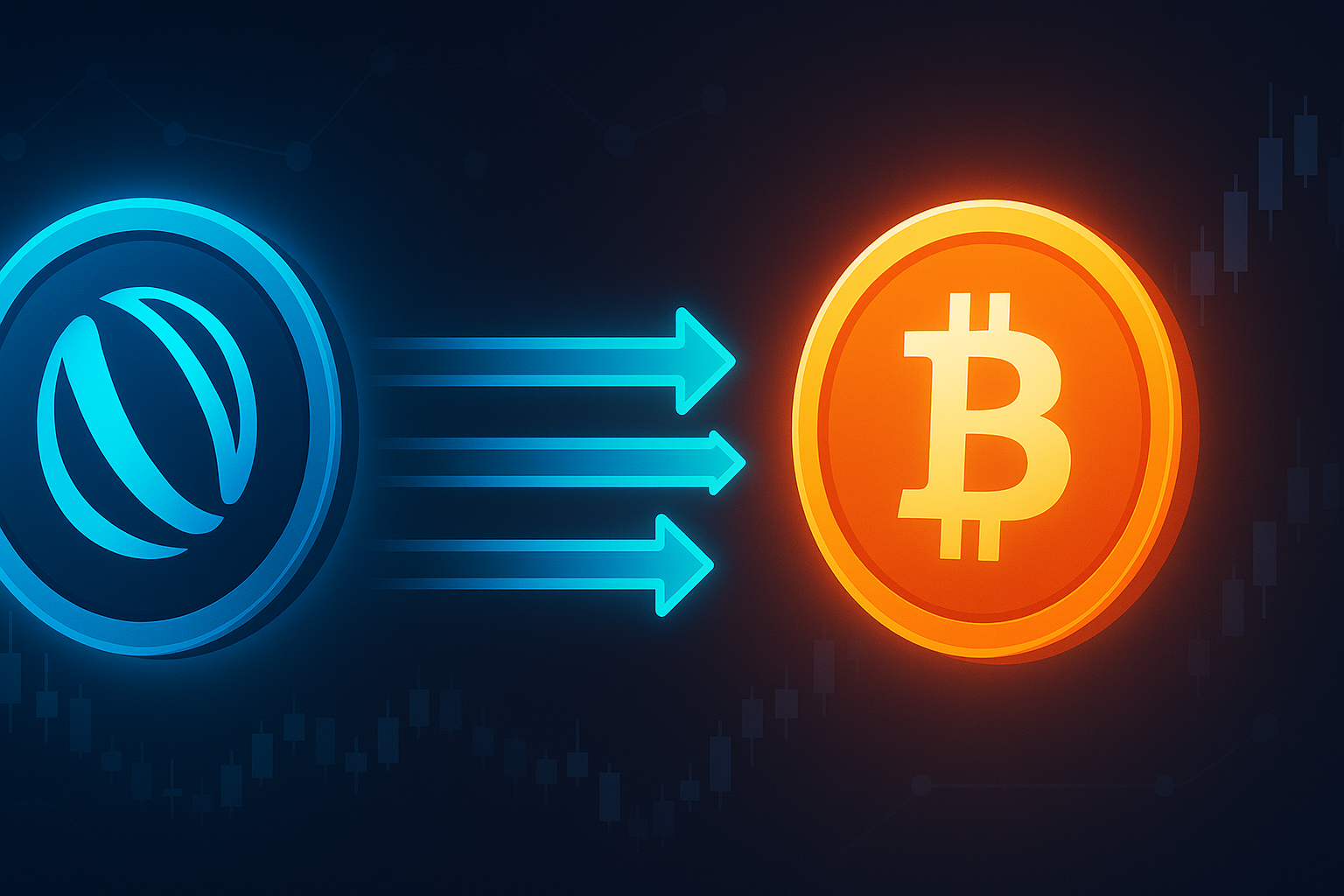
The ability to move quickly between different cryptocurrencies is a key skill for any modern trader or long term holder. One of the more popular pairs in the DeFi and trading world is an INJ to BTC swap. INJ is the native token of the Injective ecosystem, known for its high speed, derivatives focus, and strong DeFi tooling. BTC is the original and most liquid cryptocurrency, often used as a long term store of value or portfolio base.
Whether you are rotating profits from Injective into Bitcoin, rebalancing your portfolio, or trying to capture market volatility, knowing how to perform an inj to btc swap securely and at a fair rate is essential. With so many exchanges and swap platforms available, it is not always obvious which method is safest, most private, or most cost effective.
This guide walks through why this trading pair matters, what to watch out for, and how to use modern tools such as non custodial DEX and instant swap platforms to complete the swap with confidence.
Why an INJ to BTC Swap Matters
INJ and BTC occupy very different roles in the crypto ecosystem, so being able to move between them gives you valuable flexibility. Several practical scenarios highlight why this swap is important:
- Portfolio rebalancing: As Injective grows faster than Bitcoin, your portfolio might become overexposed to INJ. Swapping some INJ into BTC helps restore your target allocation.
- Risk management: INJ is a higher volatility asset. BTC, while still volatile, is generally less speculative and more widely adopted institutionally. Moving profits from INJ into BTC can reduce overall risk.
- Market timing and hedging: Traders sometimes take short term positions in INJ for upside exposure, then swap back to BTC when conditions look uncertain.
- Liquidity and usability: Bitcoin remains one of the most liquid assets in the crypto space and is supported on nearly every centralized and decentralized platform. Holding BTC can open access to additional trading pairs and services.
In short, a smooth INJ to BTC swap gives you tactical flexibility without forcing you to cash out to fiat or move funds through multiple intermediary tokens.
Key Benefits of Swapping INJ to BTC
Choosing the right method for your swap can unlock several benefits beyond the simple token conversion.
1. Stronger store of value profile
INJ is closely linked to the trajectory of the Injective protocol and wider DeFi markets. BTC is often treated as a macro asset with its own adoption cycles. Swapping INJ into BTC can help you:
- Lock in gains from early participation in Injective
- Reduce exposure to protocol specific or sector specific risks
- Consolidate profits into a more established asset
2. Improved liquidity and accessibility
Bitcoin enjoys deep liquidity across spot, derivatives, and lending markets. After an INJ to BTC swap, you can:
- Access more order books and pairs on centralized exchanges
- Use BTC as collateral on margin or lending platforms
- Participate in cross chain bridges, payment processors, and payment cards that favor BTC
3. Flexibility of non custodial, instant swaps
Modern swap aggregators and DEX style platforms allow you to convert INJ to BTC without depositing funds on a traditional centralized exchange. With services that support non-custodial swaps for INJ to BTC, you keep control of your private keys and minimize counterparty risk.
Risks and Drawbacks to Consider
No swap is risk free. Before moving from INJ to BTC, think critically about the tradeoffs.
1. Market risk and timing
- Price volatility: Both INJ and BTC can move rapidly. If you swap during a short term correction in INJ or a spike in BTC, you may receive less BTC than you would have with more favorable timing.
- Opportunity cost: Selling INJ for BTC means giving up potential future upside in INJ. If Injective outperforms Bitcoin after your swap, your BTC position may underperform what you previously held.
2. Fees and slippage
- Trading fees: Centralized exchanges charge maker taker fees, while swap platforms embed spreads and routing costs. High fees erode your final BTC amount.
- Slippage: For large orders, limited liquidity or thin order books can cause noticeable slippage, reducing your effective rate. This is especially important on lower liquidity venues.
3. Custodial and security risks
- Custodial exchanges: Depositing INJ on a centralized platform exposes you to hack, insolvency, or withdrawal freeze risks.
- Smart contract risk: Using DeFi protocols introduces smart contract risk. A bug or exploit in the swap contract can put funds at risk.
4. Network and operational risks
- Wrong network selection: Sending INJ or BTC over the wrong chain or to an incompatible address can result in permanent loss.
- Fake tokens and phishing: On DeFi platforms, malicious contracts can mimic legitimate tokens or interfaces. Always verify contract addresses and URLs.
How to Perform an INJ to BTC Swap: Step by Step
Below is a general flow you can adapt for most non custodial swap platforms and DEX aggregators that support this trading pair. The exact screens differ, but the logic is similar.
Step 1: Decide your swap method
You have three main options:
- Centralized exchange (CEX): Deposit INJ, trade for BTC on the spot market, then withdraw BTC. Suitable if you already use a trusted CEX with INJ and BTC pairs.
- Decentralized exchange (DEX) / aggregator: Connect your wallet, select INJ to BTC, and let the router find the best route. You keep custody during the process.
- Instant, non custodial swap service: Send INJ to a generated address and receive BTC to your own wallet, often via an integrated interface that handles routing in the background.
For users who want privacy, control of keys, and simplicity, a private exchange for INJ to BTC with instant settlement can be a strong choice.
Step 2: Prepare your wallets
- Verify you have an INJ compatible wallet with sufficient balance plus extra for network fees.
- Set up a BTC receiving wallet. This can be a software wallet, hardware wallet, or another non custodial option.
- Back up your seed phrases securely before moving meaningful amounts.
Step 3: Check rates and total costs
Before committing to a swap, check:
- The quoted INJ to BTC rate compared to a reliable reference (for example, a major CEX order book).
- Estimated fees, including protocol fees, platform fees, and network gas fees.
- Slippage tolerance, if you can set it. For volatile conditions, keep it modest unless you absolutely must execute.
Step 4: Initiate the swap
A typical non custodial swap process looks like this:
- Choose INJ as the token you are selling and BTC as the token you are receiving.
- Enter the amount of INJ you want to swap, or the target amount of BTC you want to receive.
- Paste or confirm your BTC receiving address. Double check character by character.
- Review all details, including minimum amount to receive (if shown), then confirm the transaction.
- Sign the transaction in your wallet and send the INJ to the provided address or contract.
Step 5: Wait for confirmations
After you send the INJ:
- The platform waits for a required number of confirmations on the INJ network.
- Once confirmed, the system routes the trade and sends BTC to your receiving wallet.
- Network congestion can affect completion time, so allow some buffer.
Always verify that the received BTC appears in your wallet and that the amount matches (within fees and rounding) your expectations.
Practical Tips for a Better INJ to BTC Swap
1. Start with a small test transaction
If this is your first time using a particular platform, begin with a small amount of INJ. This lets you confirm:
- The address format is correct
- The network fee estimate is accurate enough
- The BTC arrives where you expect, within a reasonable time
2. Time your swap with liquidity and volatility in mind
- Avoid swapping during extreme volatility unless necessary, as slippage can spike.
- Check typical liquidity hours for the pair. During high market participation, you may see tighter spreads and better routing.
3. Compare likely execution quality
Do not focus only on the headline rate.
- Account for trading fees, spreads, and gas costs together.
- Be cautious about unusually favorable quotes that might hide slow settlement or extra conditions.
- Consider the platform track record, transparency, and whether they require KYC for the swap size you plan.
4. Consider privacy and custody
- If you want to avoid sharing identity documents or long term records tied to your addresses, choose non custodial and low footprint solutions.
- Retain control of your private keys as much as possible, using hardware wallets or reputable software wallets where you hold the seed phrase.
5. Keep records for tax and accounting
For many jurisdictions, an INJ to BTC swap is considered a taxable event. It is wise to:
- Save transaction hashes and confirmations
- Note the approximate fiat values of INJ and BTC on the swap date
- Use a portfolio or tax tracking tool to log the swap for future reporting
Conclusion
Executing an INJ to BTC swap is more than just clicking a button. It is a strategic move that affects your exposure to DeFi, Bitcoin, and the broader crypto market. By understanding why you are making the swap, carefully evaluating fees and rates, and choosing a secure method such as a swap crypto instantly on a non-custodial exchange, you can convert between INJ and BTC with greater confidence.
Always start with modest amounts, double check addresses and networks, and stay aware of market conditions. With these practices in place, swapping from Injective to Bitcoin becomes a smooth part of your broader trading and investment strategy rather than a stressful or risky chore.
Ready to Swap?
Convert your crypto instantly on GhostSwap — no KYC, no sign-up required.
Popular swaps: BTC to XMR | BTC to ETH | XMR to BTC | ETH to XMR | BTC to SOL