XMR to BTC Swap: A Complete, Privacy‑Focused Guide
Introduction
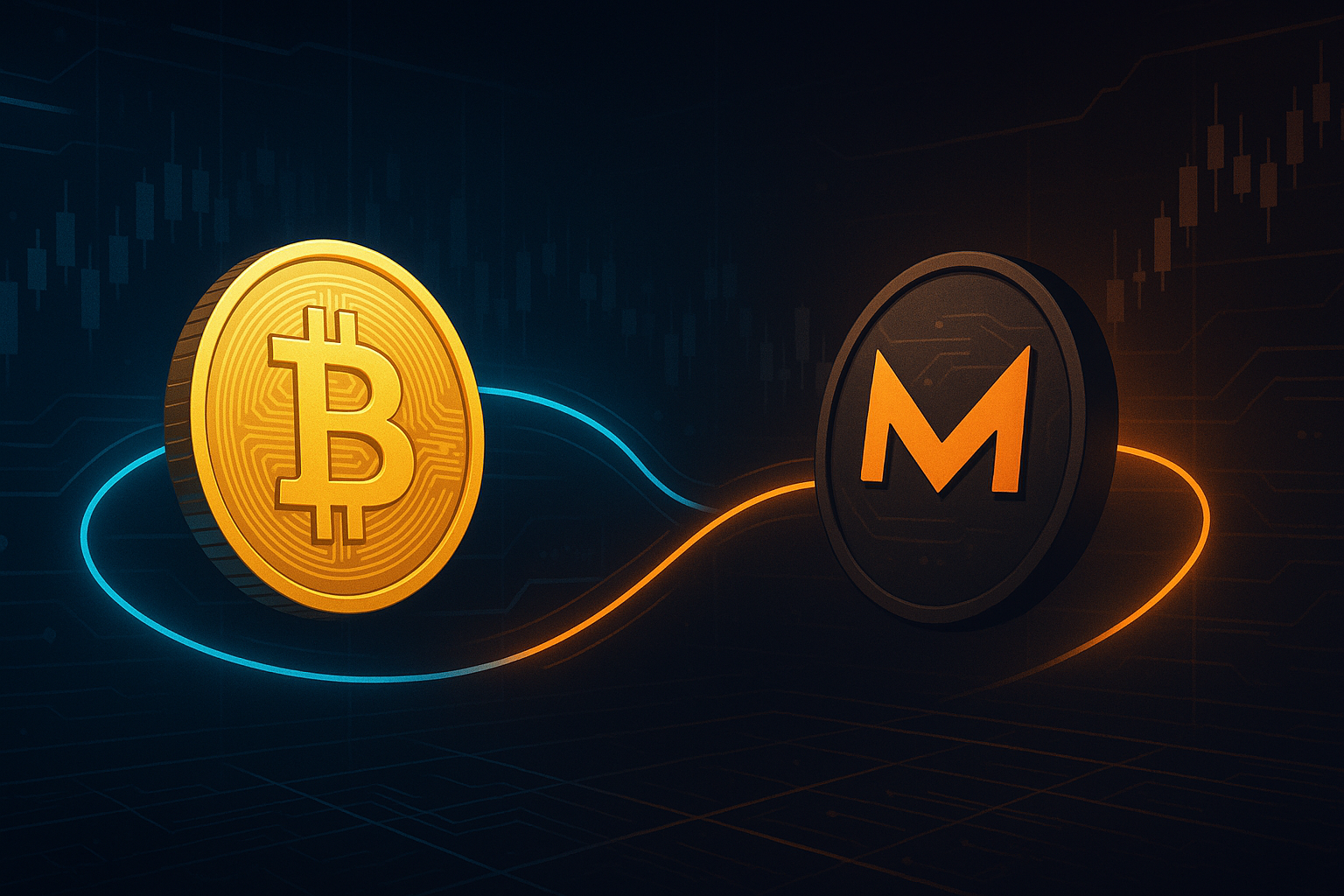
Monero (XMR) and Bitcoin (BTC) are two of the most important cryptocurrencies in the market, but they serve very different purposes. Monero prioritizes privacy and fungibility, while Bitcoin is the most widely adopted and liquid digital asset. For many users, being able to execute a fast, low‑fee, and private xmr to btc swap is essential to their overall crypto strategy.
Whether you are moving profits from a privacy coin into a more liquid asset, or simply rebalancing your portfolio, choosing the right method to convert XMR to BTC can make a big difference in cost, security, and anonymity. Modern tools now allow you to swap crypto instantly without giving up custody of your funds or disclosing unnecessary personal data.
This guide explains why XMR to BTC swaps matter, how they work, the benefits and risks, and a detailed walkthrough of how to complete a swap safely and efficiently.
Why XMR to BTC Swaps Matter
For many users, XMR is the “private side” of their crypto stack, while BTC serves as the “public store of value” and gateway to broader markets. Moving between these two assets is more than a simple trade. It affects how visible your activity is on‑chain, how easily you can access liquidity, and how exposed you are to regulatory scrutiny.
Privacy vs. Liquidity
Monero’s design hides sender, receiver, and amount by default, making it one of the strongest privacy currencies. Bitcoin, on the other hand, has transparent addresses and balances recorded on a public blockchain.
- Holding XMR gives you stronger transaction privacy and improved fungibility.
- Holding BTC gives you access to deep liquidity, institutional markets, and more trading pairs on major exchanges.
Swapping XMR to BTC lets you convert private value into a highly liquid asset when you need to interact with centralized services, OTC desks, payment processors, or long‑term cold storage.
Regulations and On‑Ramps
Many mainstream centralized exchanges have tightened policies around privacy coins. In some regions, XMR listings have been delisted or restricted. BTC, however, remains widely supported and easier to cash out through regulated on‑ramps.
This makes an xmr to btc swap an important bridge:
- Move from privacy‑focused holdings into an asset with more fiat exit options
- Reduce friction when interacting with services that only support BTC deposits or withdrawals
- Maintain a better balance between on‑chain privacy and off‑chain accessibility
Key Benefits of Swapping XMR to BTC
When done with the right tool, an XMR to BTC swap offers several advantages over using traditional centralized exchanges.
1. Improved Privacy
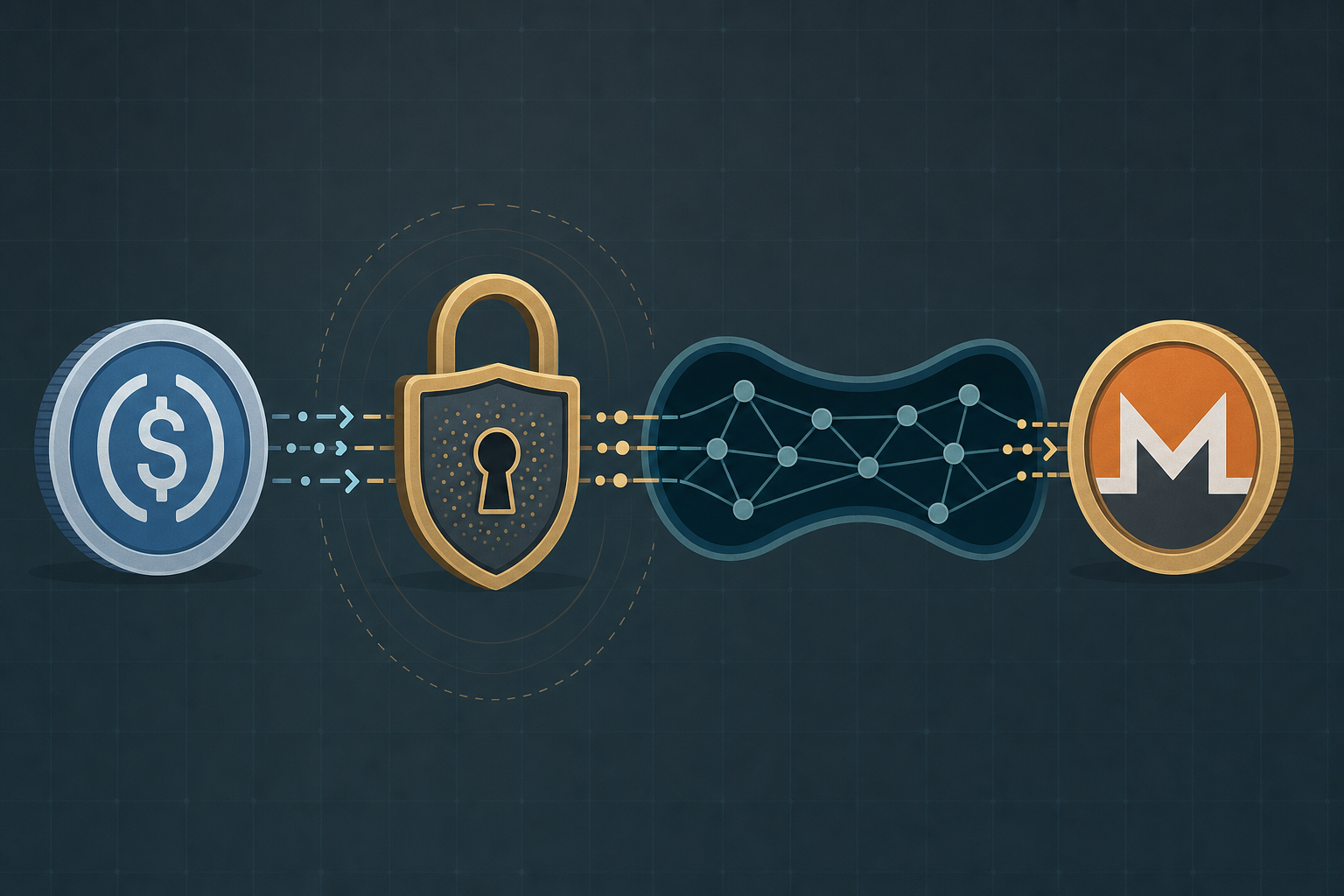
Sending XMR from your wallet to a swapping service already protects the origin details through Monero’s privacy features. When you use a private exchange that does not require KYC for typical limits and does not hold customer funds, you minimize the data trail that links your identity to your on‑chain activity.
Even though BTC itself is not private, using a privacy coin on the input side can reduce how much information is exposed about your transaction history before the swap.
2. Non‑Custodial Control
Custodial exchanges require you to deposit your coins into their wallets before trading. If the platform is hacked, insolvent, or freezes your account, you lose access to your funds.
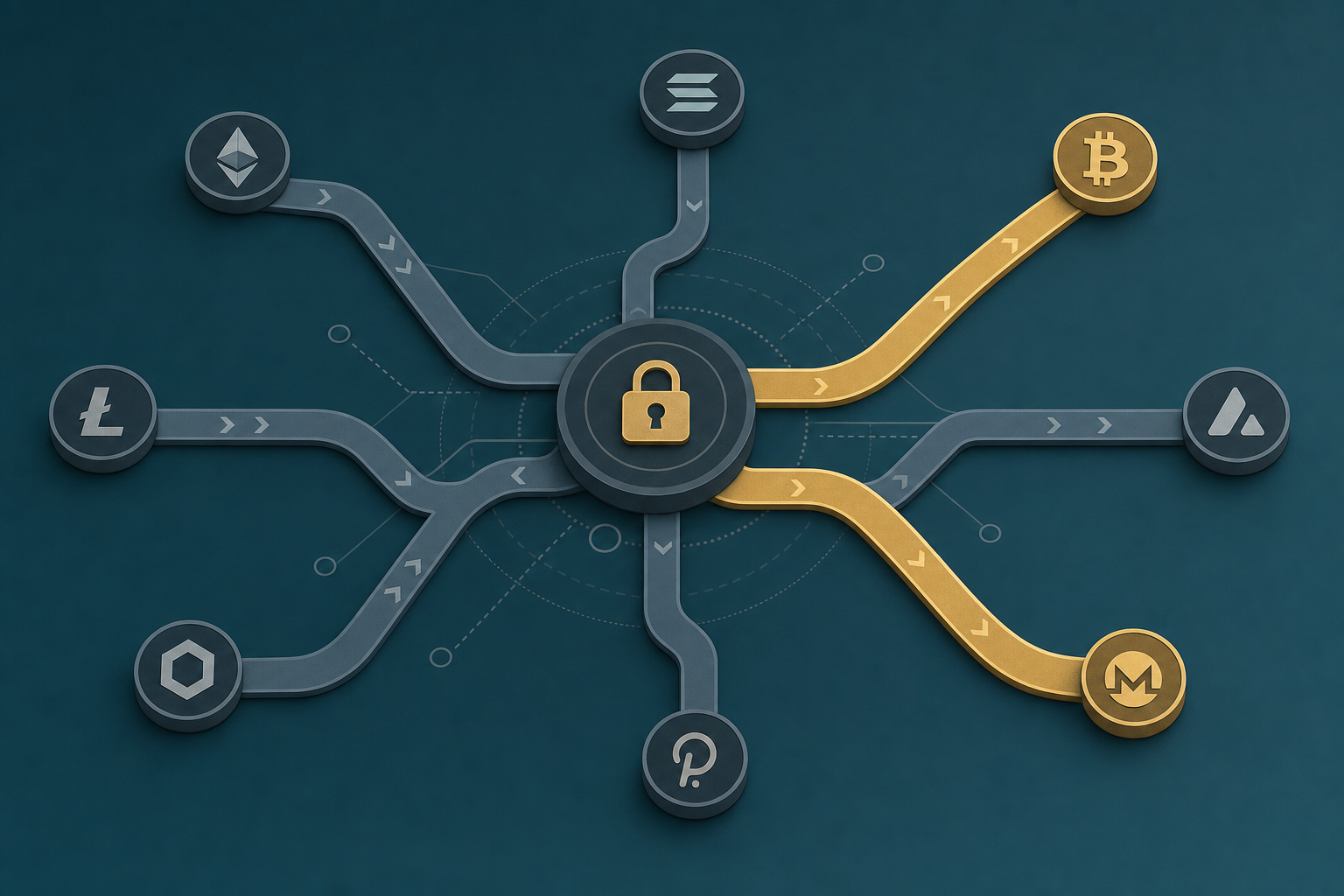
With a non‑custodial swap provider, you retain control of your private keys at all times. You send from your wallet and receive directly into your own BTC wallet without ever leaving a long‑term balance on a third‑party platform.
3. Fast Settlement and Fewer Steps
On a traditional exchange, converting XMR to BTC might involve:
- Account creation and KYC
- Depositing XMR
- Waiting for confirmations and possible review
- Placing a trade, paying trading fees and spreads
- Withdrawing BTC, paying withdrawal fees
A streamlined xmr to btc swap usually only requires:
- Entering the BTC destination address and amount
- Sending XMR to a one‑time address
- Receiving BTC automatically once the transaction confirms
Fewer steps means fewer fees, less friction, and a lower chance of user error.
4. Better for Small and Medium Swaps
For everyday portfolio rebalancing, paying invoices, or managing cash flow, you often do not want to go through a full exchange verification process. Non‑custodial XMR to BTC swaps are especially convenient for small or mid‑sized transactions where simplicity and privacy are more important than advanced trading features.
Risks and Drawbacks of XMR to BTC Swaps
No method is perfect. Before using any service to convert XMR to BTC, consider the following risks and limitations.
1. Counterparty Risk
Even non‑custodial swap services act as intermediaries for the duration of the swap. They generate a one‑time address, receive your XMR, perform an internal trade or liquidity operation, then send BTC.
Risks include:
- Service downtime or delays
- Misconfigured wallets or liquidity issues on the provider’s side
- Platform exit scams or poor operational security
Mitigation strategies:
- Start with small test swaps before sending large amounts
- Use providers with a track record, transparent terms, and visible on‑chain flows
- Check status pages or community feedback if a swap is taking longer than expected
2. Network Congestion and Fees
BTC transaction fees and confirmation times fluctuate with network congestion. If the Bitcoin mempool is full, a low fee could mean slower confirmations, and some services adjust their minimum swap size or fees accordingly.
Mitigation:
- Check BTC network conditions and fees before initiating a swap
- Be patient if you choose a lower‑fee option
- For urgent swaps, accept a slightly higher fee to ensure faster confirmation
3. Price Slippage and Exchange Rates
Most instant swap services operate with their own liquidity sources and spreads. The rate you get for your XMR to BTC swap might differ slightly from spot prices on large centralized exchanges.
Mitigation:
- Compare rates across a couple of services before finalizing a large swap
- Use fixed‑rate options if you want certainty, or floating rates if you expect favorable moves in a short time
- Double‑check the final amount you will receive and associated fees
4. Regulatory and Jurisdictional Issues
Access to privacy coins and certain swap services can vary by country. Regulations around KYC, AML, and reporting obligations may affect which platforms are available to you, and how they operate.
Always verify that you are using services legally in your jurisdiction and that you understand any local tax implications when you swap XMR for BTC.
Step‑by‑Step Guide: How to Perform an XMR to BTC Swap
The specifics vary slightly between platforms, but the overall process tends to follow the same structure. Below is a generic, practical walkthrough that you can adapt to your chosen non‑custodial swap provider.
Step 1: Prepare Your Wallets
- XMR wallet: Make sure your Monero wallet is synced and funded with the amount you want to swap, plus a small buffer for transaction fees.
- BTC wallet: Have a secure Bitcoin wallet ready, with your own receiving address. Hardware wallets or well‑maintained software wallets are recommended for security.
Write down or copy your BTC address carefully. A mistake here can send your coins to an unrecoverable destination.
Step 2: Choose a Swap Service
Evaluate potential services for:
- Non‑custodial operation (you keep your keys)
- No or minimal KYC for typical transaction sizes
- Reasonable fees and clear exchange rates
- Transparent status of each swap (transaction IDs, trackers)
Once you are comfortable with a provider, proceed to their XMR to BTC exchange page.
Step 3: Enter Swap Details
- Select the XMR to BTC pair.
- Enter the amount of XMR you want to swap, or the amount of BTC you would like to receive.
- Paste your BTC receiving address in the designated field.
- Review the estimated rate, network fees, and the total BTC output.
Some services offer fixed and floating rates:
- Fixed rate: Locks the rate for a limited time, protecting you from short‑term volatility.
- Floating rate: Tracks the live market price and might give a better result in some conditions, but with less certainty.
Step 4: Confirm and Generate the Deposit Address
After reviewing all details and agreeing to the terms of service, confirm the swap. The platform will then generate a unique Monero deposit address, possibly along with a payment ID or subaddress details.
Carefully copy this address or scan the QR code into your XMR wallet.
Step 5: Send XMR from Your Wallet
From your Monero wallet:
- Start a new transaction.
- Paste the provided XMR deposit address or scan the QR code.
- Enter the exact amount of XMR specified in the swap instructions (or slightly above if required by the provider).
- Confirm and send the transaction.
Most services show a countdown timer or expiry window in which the deposit must arrive to honor the quoted rate (especially for fixed‑rate swaps). Send promptly and avoid manual fee modifications unless you understand what you are doing.
Step 6: Wait for Confirmations
Once the XMR transaction is broadcast, the platform will wait for a certain number of confirmations on the Monero blockchain before executing the BTC side of the swap. This confirmation requirement helps prevent double‑spend attacks and ensures reliability.
During this time, you can usually monitor:
- The status of your XMR deposit
- The current step in the swap process
- Estimated time remaining
Step 7: Receive BTC in Your Wallet
After the XMR side is confirmed and the internal exchange is executed, the platform sends BTC to the destination address you specified. Depending on BTC network conditions, you may need to wait for 1 to 6 confirmations before your wallet marks the incoming transaction as fully settled.
Always verify:
- The amount of BTC you received matches expectations (minus any clearly stated fees)
- The transaction ID (TXID) is visible on a Bitcoin block explorer if you want on‑chain verification
- Your wallet backup and seed phrase are safely stored offline
Practical Tips for a Smooth XMR to BTC Swap
1. Start Small and Test the Workflow
If you are using a new platform or wallet combo for the first time, perform a small test swap. This helps you:
- Confirm that your BTC address is correct
- Verify that your XMR wallet sends successfully
- Familiarize yourself with typical processing times
Once you are confident, scale up to larger amounts as needed.
2. Record Transaction Details
Keep a simple log of:
- Dates and times of swaps
- Amounts of XMR sent and BTC received
- Transaction IDs for both chains
- Any reference numbers from the swap provider
This information is useful for troubleshooting support issues, tracking your portfolio, and meeting any personal or jurisdictional reporting requirements.
3. Monitor Market Conditions
Crypto markets are volatile. Before you swap:
- Check recent price action of XMR/BTC
- Consider whether you are comfortable with current rates or want to wait for better conditions
- Be mindful of major news events or upgrades that might temporarily disrupt liquidity or spreads
4. Prioritize Security and Privacy
- Use strong, unique passwords and 2FA for any account‑based service.
- Access swap interfaces only over HTTPS and from trusted devices.
- Avoid sharing screenshots or transaction details that expose your full addresses or balances.
- Consider using separate wallets or accounts for different privacy profiles (public vs. private spending).
5. Understand Your Local Rules
In many jurisdictions, swapping one cryptocurrency for another is a taxable event. Even if your swap is privacy‑focused on‑chain, you are still responsible for understanding and respecting the rules where you live.
If necessary, consult a tax professional who understands digital assets and can guide you on recordkeeping and reporting obligations.
Conclusion
Performing an xmr to btc swap effectively connects two worlds: Monero’s strong on‑chain privacy and Bitcoin’s unmatched adoption and liquidity. By using a reliable, non‑custodial service and following careful operational practices, you can move between these assets while maintaining control of your keys, minimizing data exposure, and reducing unnecessary friction.
Focus on three core principles: security of your wallets, clarity on fees and rates, and awareness of your legal obligations. Combine those with a reputable XMR to BTC exchange tool, and you will be well positioned to manage your privacy‑conscious crypto portfolio efficiently for the long term.
Ready to Swap?
Convert your crypto instantly on GhostSwap — no KYC, no sign-up required.
Popular swaps: BTC to XMR | BTC to ETH | XMR to BTC | ETH to XMR | BTC to SOL