BTC to TRX Swap: A Complete Beginner-Friendly Guide
Introduction
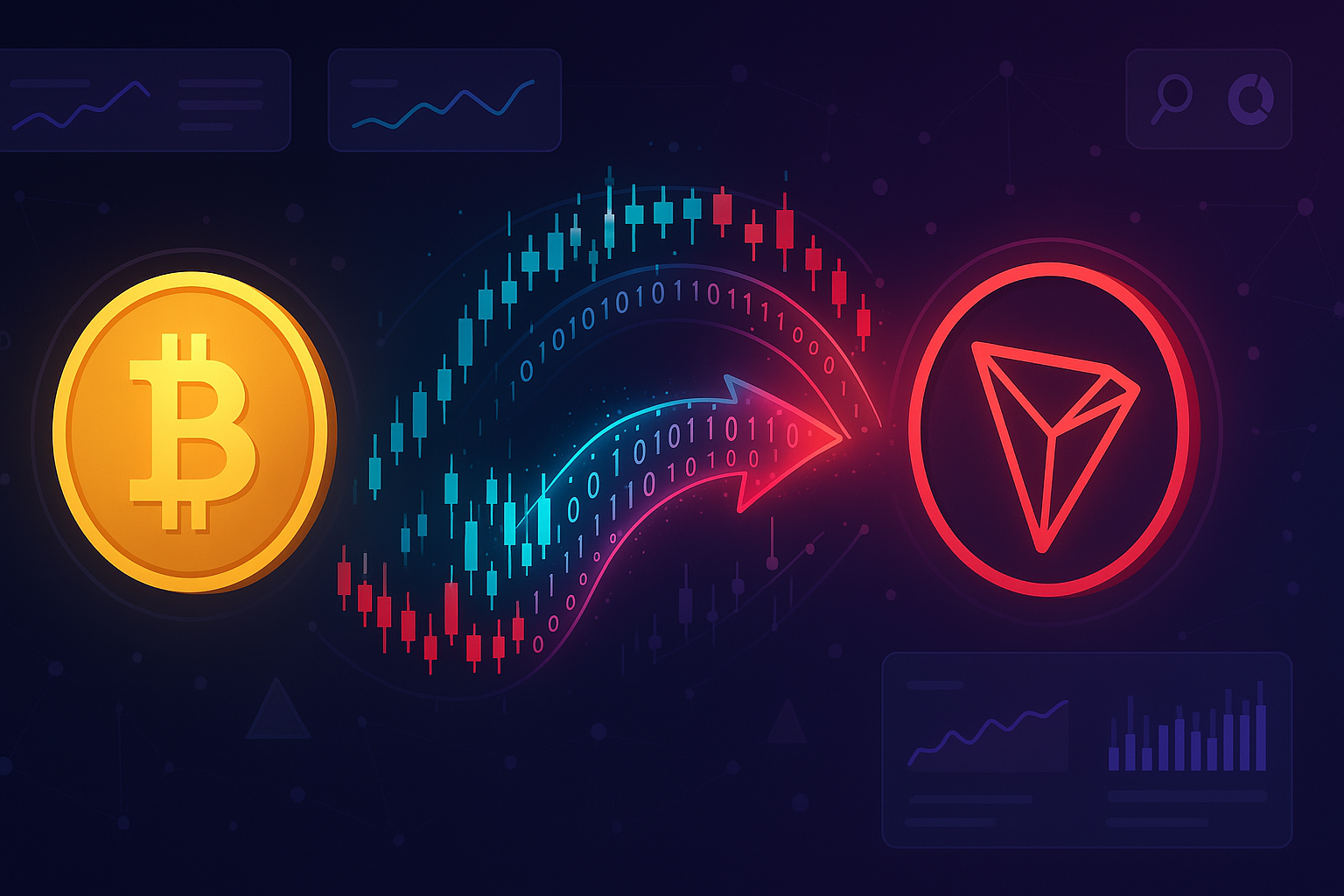
The crypto market moves quickly, and so do user needs. One day you may be holding Bitcoin (BTC) as a long-term store of value, and the next you might want a fast, low-fee token like TRON (TRX) for trading, staking, or DeFi. That is where a smooth, secure btc to trx swap becomes essential.
Instead of sending your BTC to a centralized exchange, waiting for deposits, trading, and then withdrawing TRX, you can often complete the same process in a few minutes using a non-custodial swap service. Platforms like btc to trx swap tools on GhostSwap are designed exactly for this purpose: quick, private, and easy conversions between chains.
This guide explains why BTC to TRX conversions matter, the main benefits and risks, and walks you through a practical step-by-step process so you can swap with more confidence and fewer surprises.
Why BTC to TRX Swaps Matter
Bitcoin and TRON serve very different purposes in the crypto ecosystem. Understanding those differences gives context to why a btc to trx swap can be strategically useful.
Different Roles in Your Portfolio
- Bitcoin (BTC) is treated as digital gold: a store of value, relatively slow, and with higher network fees during busy periods.
- TRON (TRX) is built for high-throughput transactions, low fees, and supports a broad ecosystem of DeFi apps, stablecoins, NFTs, and on-chain games.
Swapping BTC to TRX lets you shift from a more “hold-focused” asset to one that is more optimized for fast, frequent use.
Access to the TRON Ecosystem
Many users convert BTC to TRX to gain access to:
- TRON-based DeFi platforms and liquidity pools
- Stablecoins on TRON like USDT-TRC20 for cheap transfers
- Staking and resource delegation on the TRON network
- DApps, games, and NFT marketplaces that run on TRON
Without a straightforward btc to trx swap, tapping into these opportunities can become slow and expensive.
Benefits of Swapping BTC to TRX
There are several reasons traders, investors, and everyday users look for efficient BTC to TRX conversion options.
1. Lower Transaction Fees
Bitcoin fees can spike when the network is congested. TRON is known for very low fees, which makes it appealing if you need to:
- Send funds to exchanges or wallets frequently
- Make many small payments
- Interact with smart contracts on a regular basis
By converting BTC into TRX first, you can often move value around more economically.
2. Faster Confirmation Times
Bitcoin blocks are mined approximately every 10 minutes, and many services require multiple confirmations. TRON typically achieves confirmations much faster, giving you quicker access to usable funds.
3. Better Fit for Active On-Chain Usage
If you plan to stake, use DeFi, or interact with DApps often, TRX is usually more convenient than BTC. Swapping into TRX can be a functional decision, not only a speculative one.
4. Non-Custodial and Private Options
Using a non-custodial swap and private exchange flow can reduce reliance on centralized platforms that often require full KYC, hold your funds, and introduce additional counterparty risk. With the right service, you keep control of your wallets while simply exchanging one asset for another.
Risks and Drawbacks to Consider
Every crypto transaction carries tradeoffs. Before performing a btc to trx swap, make sure you are aware of the main risks.
1. Market Volatility
Both BTC and TRX are volatile assets. During your swap, you may be exposed to:
- Slippage if liquidity is low or you trade a large amount
- Price swings between the time you initiate and the time the swap completes
Check whether your chosen service offers fixed-rate swaps (locks in a rate for a short time) or only floating rates (which change with the market).
2. Counterparty and Platform Risk
Even when you use a non-custodial swap service, there is still some platform risk, such as:
- Smart contract bugs or integration issues
- Technical downtime or maintenance
- Misconfiguration of addresses or network settings by the user
Always double-check URLs, avoid phishing links, and test with a small amount first.
3. Network Congestion and Fees
Your BTC transaction needs to confirm on the Bitcoin network before the swap can complete. When the network is busy, this might:
- Increase Bitcoin miner fees
- Delay the confirmation and the overall swap process
Conversely, while TRON is generally cheap and fast, extreme activity could still affect speed or fees, even if only slightly.
4. Irreversible Transfers
Like all blockchain transactions, BTC and TRX transfers are generally irreversible. Sending to the wrong address, wrong network, or incompatible wallet can lead to permanent loss of funds. This is one reason it is crucial to follow a careful step-by-step process.
Step-by-Step Guide: How to Perform a BTC to TRX Swap
The exact interface will vary by platform, but the flow for a btc to trx swap is usually similar. Here is a general walkthrough you can adapt.
Step 1: Prepare Your Wallets
- Bitcoin wallet: Ensure you have the BTC you want to swap and that your wallet supports sending to external addresses.
- TRON wallet: Set up a TRX-compatible wallet (for example, TronLink, Trust Wallet, or a hardware wallet that supports TRON). Make sure you have a valid TRX address ready to receive your funds.
For best security, consider using hardware wallets where possible, especially for larger amounts.
Step 2: Choose a Swap Service
Pick a reliable non-custodial platform that supports BTC to TRX. When researching:
- Verify the correct domain and bookmark it
- Check how fees and rates are displayed
- Look for clear instructions and a transparent process
On services like GhostSwap’s instant crypto swap page, you simply select BTC as the coin you send and TRX as the coin you receive.
Step 3: Enter the Swap Details
- Select the pair: Choose BTC in the “from” field and TRX in the “to” field.
- Set the amount: Enter how much BTC you wish to convert.
- Review the rate: Confirm the estimated TRX you will receive. Check whether the rate is fixed or floating.
Many services show the network fee breakdown or embed it in the quoted rate. Take a moment to read the fine print.
Step 4: Provide Your TRX Receiving Address
Paste your TRON wallet address carefully:
- Copy from your official TRX wallet app or hardware wallet interface
- Double-check the first and last characters of the address
- Avoid manually typing the address to reduce errors
Some wallets support QR codes, but always verify the decoded address matches what you expect.
Step 5: Confirm and Get the Deposit Address
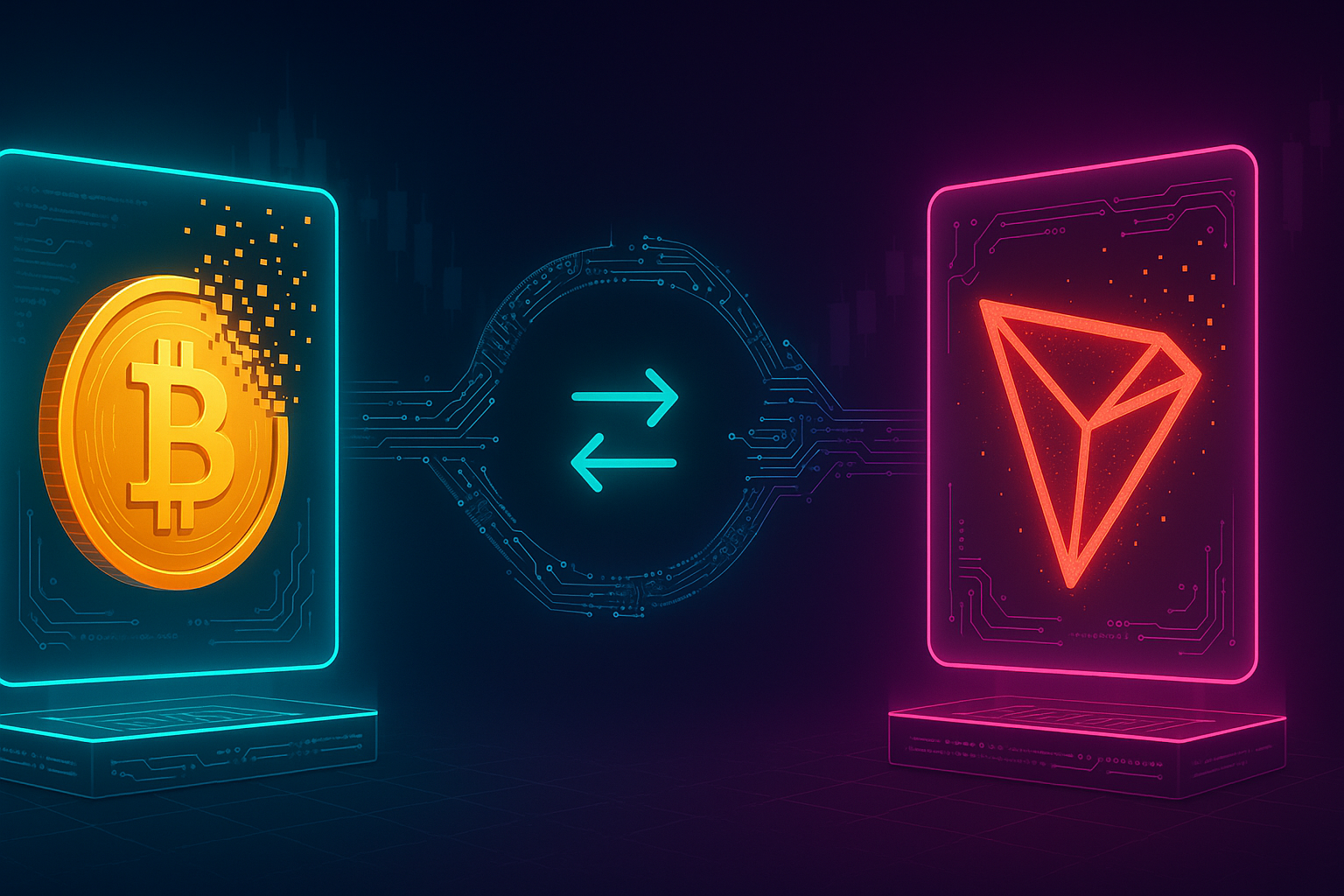
Once you confirm the swap details, the service will typically generate a unique BTC deposit address. This is where you send your Bitcoin to initiate the swap.
Before sending:
- Verify you are on the correct website
- Check the time limit, if any, for sending your BTC
- Optionally, bookmark or save the order ID in case you need support
Step 6: Send BTC from Your Wallet
Now go to your Bitcoin wallet and:
- Paste the BTC deposit address provided by the swap service
- Enter the exact BTC amount shown in the order (if required)
- Set an appropriate network fee, balancing speed and cost
- Confirm and broadcast the transaction
After your BTC transaction is confirmed on-chain, the service will execute the swap and send the corresponding TRX to your wallet address.
Step 7: Wait for Completion and Confirm TRX Receipt
Depending on network conditions, you may need to wait for one or more Bitcoin confirmations. Then the service usually completes the TRX payout automatically.
Finally:
- Open your TRON wallet and confirm the incoming TRX
- Consider checking the transaction hash on a TRON block explorer
- Store any reference IDs or receipts for your own records
Practical Tips for a Smooth BTC to TRX Swap
To reduce mistakes and unexpected costs, keep these practical guidelines in mind.
1. Start Small, Then Scale Up
Especially when using a new platform, start with a small test amount. Once you see that the flow works correctly and funds arrive as expected, you can repeat the process with larger amounts.
2. Check Network Conditions Before Sending
Look at:
- Current Bitcoin mempool congestion and fee estimates
- Any notice on the swap platform about maintenance or delays
During highly volatile periods, you may want to wait until conditions stabilize or accept that rates can change quickly.
3. Verify All Addresses Carefully
Because blockchain transactions are irreversible, a simple typo can be extremely costly. Basic operational hygiene includes:
- Copy-paste addresses, never retyping them manually
- Checking beginning and end of the address string
- Making sure you are using a TRX address for TRX, not an address from another network
4. Keep Your Devices and Browsers Secure
Security is not just about choosing the right platform. It is also about protecting your end of the connection.
- Update your browser and wallet apps regularly
- Use hardware wallets when possible
- Avoid public Wi-Fi for large swaps
- Beware of fake support channels or phishing emails
5. Understand the Fee Structure
Fees in a btc to trx swap can include:
- Bitcoin network (miner) fee when you send BTC
- Service fee or spread charged by the swap provider
- TRON network fee, usually very small
Transparent platforms will display or reflect these costs clearly in the quote so that you can make an informed decision.
Conclusion
Performing a btc to trx swap does not have to be complex or risky if you follow a structured process. By understanding why you are making the swap, confirming all details carefully, and choosing a reputable non-custodial service, you can move value from Bitcoin into the TRON ecosystem smoothly and efficiently.
Whether you are seeking lower fees, faster transactions, or direct access to TRON-based DeFi and DApps, a reliable tool for swapping BTC to TRX instantly can make a significant difference in your overall crypto experience. Start small, stay security-conscious, and use each swap as a chance to refine your process and build confidence navigating between chains.
Ready to Swap?
Convert your crypto instantly on GhostSwap — no KYC, no sign-up required.
Popular swaps: BTC to XMR | BTC to ETH | XMR to BTC | ETH to XMR | BTC to SOL