How to Make an Atom to BTC Swap Safely and Efficiently
Introduction
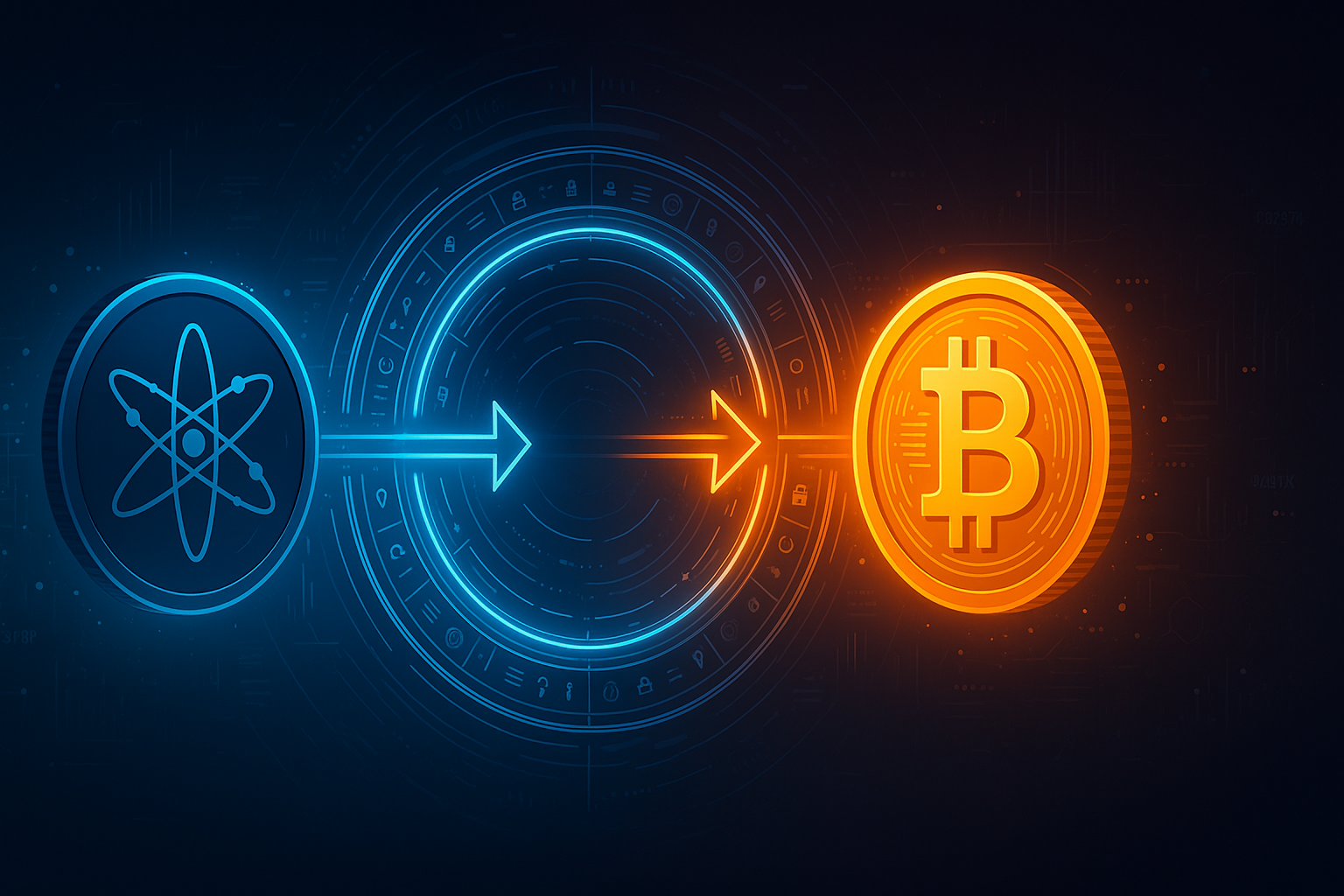
As the crypto ecosystem matures, cross-chain swaps are becoming a core part of how investors manage their portfolios. One of the more common moves is converting Cosmos (ATOM) to Bitcoin (BTC). Whether you are rebalancing into a more established asset, taking profits, or simply consolidating holdings, understanding how an atom to btc swap works can save you time, money, and frustration.
Today you are no longer limited to centralized exchanges that demand KYC, custody your funds, and can freeze withdrawals at the worst possible time. Non-custodial services now allow you to complete an atom to btc swap directly from your wallet, without traditional account registration or surrendering control of your keys.
This guide walks through why swapping ATOM to BTC matters, the benefits and risks, and a practical step-by-step process you can follow. By the end, you should be able to confidently move between Cosmos and Bitcoin while minimizing fees, slippage, and security risks.
Why Atom to BTC Swaps Matter
1. Portfolio diversification and risk management
ATOM is a key token in the Cosmos ecosystem, while BTC is the oldest and most widely recognized cryptocurrency. Moving a portion of your holdings from ATOM into BTC can:
- Reduce exposure to a single ecosystem or technology stack
- Help lock in gains from a strong ATOM rally
- Increase your allocation to a relatively more established store of value
2. Access to different use cases
Cosmos and Bitcoin solve different problems:
- ATOM powers staking, governance, and cross-chain infrastructure within the Cosmos ecosystem.
- BTC is primarily used as a long-term store of value, collateral, or settlement asset across exchanges and financial services.
By converting ATOM to BTC, you gain access to BTC-focused products such as Bitcoin-backed loans, derivatives, or long-term cold storage strategies.
3. Liquidity and market reach
Bitcoin typically has deeper liquidity, tighter spreads, and is listed on nearly every major exchange and payment platform. Holding BTC makes it easier to:
- Move value between exchanges quickly
- Access fiat on-ramps and off-ramps
- Participate in BTC-settled derivatives markets
Benefits of Doing an Atom to BTC Swap the Right Way
Not all swap methods are equal. How you execute an atom to btc swap affects your fees, speed, privacy, and risk profile.
1. Control of your keys
Using non-custodial services, you keep full control of your private keys and funds throughout the process. You never deposit funds into an exchange wallet, which limits the risk of:
- Exchange hacks
- Account freezes or withdrawal limits
- KYC data breaches
2. Speed and convenience
Modern cross-chain swap tools often:
- Require no account sign-up or login
- Set rates and routes automatically behind the scenes
- Complete swaps in minutes once transactions are confirmed on-chain
This is ideal for traders who want to swap crypto instantly without going through a traditional order book, managing limit orders, or waiting for verification.
3. Privacy and reduced data exposure
KYC-heavy platforms collect personal data that can be vulnerable to leaks or misuse. When you use a privacy-focused, non-custodial swap service, you usually only provide:
- The ATOM sending address
- Your BTC receiving address
No government ID uploads, proof-of-address documents, or selfies are required on many such services, which significantly reduces your digital footprint.
4. Transparent fees and pricing
Good swap platforms display estimated rates, network fees, and minimum/maximum limits before you confirm a transaction. This transparency helps you compare:
- Total cost compared with centralized exchanges
- Expected amount of BTC you will receive
- Network congestion impact on final timing and cost
Risks and Drawbacks to Consider
Every cross-chain swap comes with trade-offs. Before you move ATOM to BTC, understand the main risks.
1. Price volatility during the swap
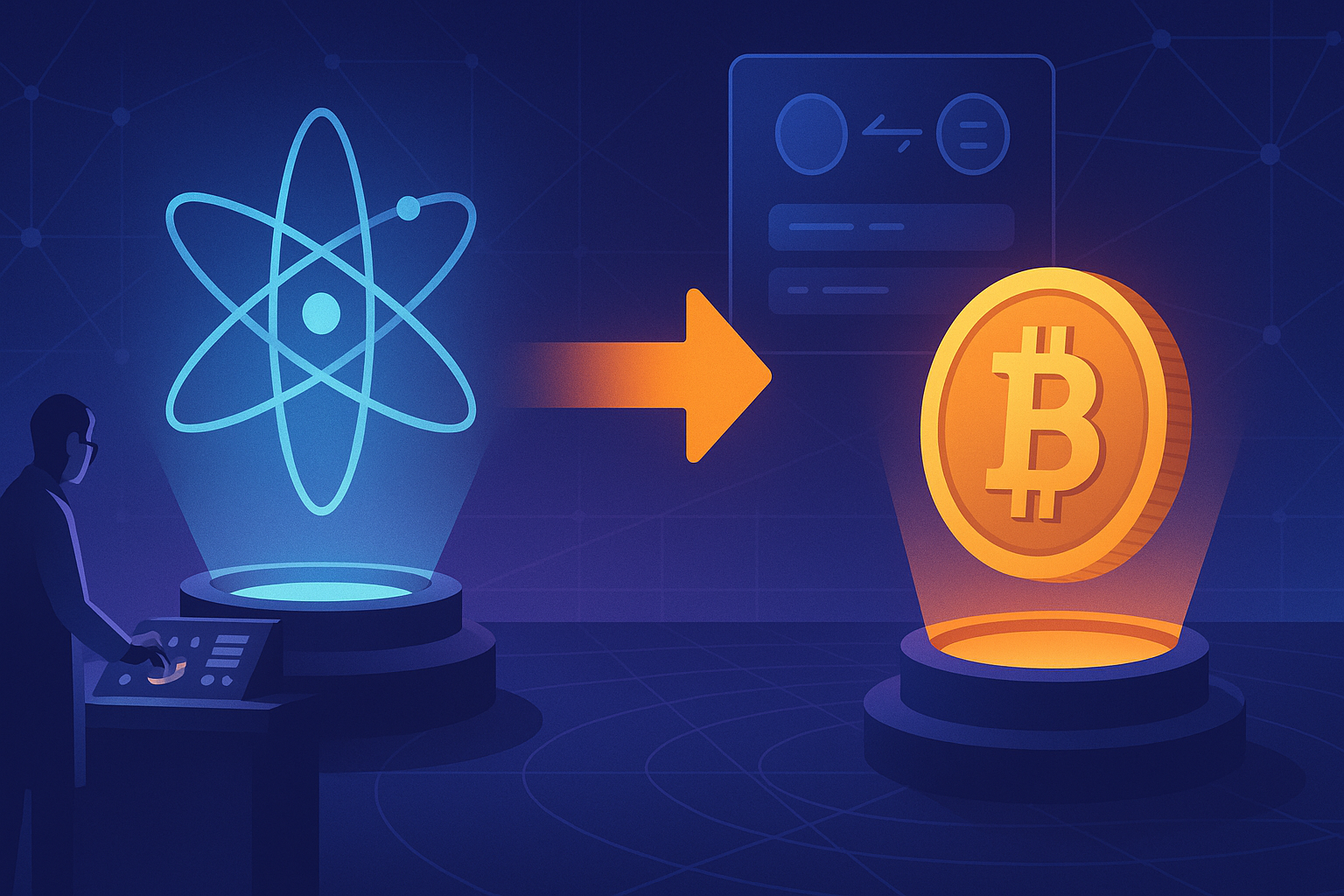
Crypto prices can move quickly. Between the time you initiate the swap and the time it settles on-chain, ATOM or BTC may fluctuate. This may lead to:
- Slightly less BTC received than originally estimated
- Occasional refund scenarios if slippage limits are exceeded
To mitigate this, look for services that show clear rate types (fixed vs floating) and define maximum slippage.
2. Network congestion and fees
Both Cosmos and Bitcoin can experience congestion. At peak times:
- Bitcoin fees can spike, affecting the final amount you receive
- Confirmation times may increase, slowing the completion of your swap
Check live fee estimates and consider waiting for quieter periods if your transaction is not urgent.
3. Counterparty and smart routing risk
While non-custodial, cross-chain swap tools still rely on underlying infrastructure and liquidity partners. Potential issues include:
- Service downtime or maintenance interruptions
- Routing failures that trigger refunds instead of completed swaps
- Mis-typed addresses that result in irreversible losses
4. Irreversible transactions
Blockchain transfers are final. If you send ATOM to the wrong address or paste an incorrect BTC destination, there is generally no way to reverse the transaction. Careful double-checking is essential before confirming any swap.
Step-by-Step Guide: How to Perform an Atom to BTC Swap
Below is a general workflow you can follow using a non-custodial, privacy-friendly service. Exact screens vary by platform, but the process is similar across most modern tools.
Step 1: Prepare your wallets
- ATOM wallet: Ensure you have ATOM in a wallet you control (for example, Keplr, Cosmostation, or another Cosmos-compatible wallet). Make sure you also have a small amount of ATOM to cover network fees.
- BTC wallet: Prepare a secure Bitcoin receiving address. This might be from a hardware wallet, mobile wallet, or desktop wallet. For long-term holding, hardware or multi-signature wallets are often preferred.
Step 2: Choose a non-custodial swap service
Select a reputable platform that supports direct atom to BTC conversions. Look for features such as:
- Non-custodial architecture
- Clear rate display (fixed or floating)
- No mandatory account registration
- Good track record and transparent support channels
Using a private exchange interface can help maintain control and privacy while still accessing competitive liquidity.
Step 3: Select the trading pair and amount
- On the swap interface, choose ATOM as the asset you send.
- Choose BTC as the asset you will receive.
- Enter the amount of ATOM you want to convert, or the target amount of BTC you want to receive.
- Review the estimated BTC output and any displayed fees.
Step 4: Enter your BTC receiving address
Paste your Bitcoin address carefully:
- Copy the address directly from your BTC wallet.
- Paste it into the “Receive BTC” or equivalent field.
- Double-check the first and last 6 characters against your wallet.
Any typo at this stage can permanently direct your BTC to the wrong destination.
Step 5: Confirm details and generate the deposit address
Before proceeding, confirm:
- ATOM amount to send
- Estimated BTC amount to receive
- Network fees and effective rate
- BTC receiving address
Once confirmed, the platform will show you a unique ATOM deposit address.
Step 6: Send ATOM from your wallet
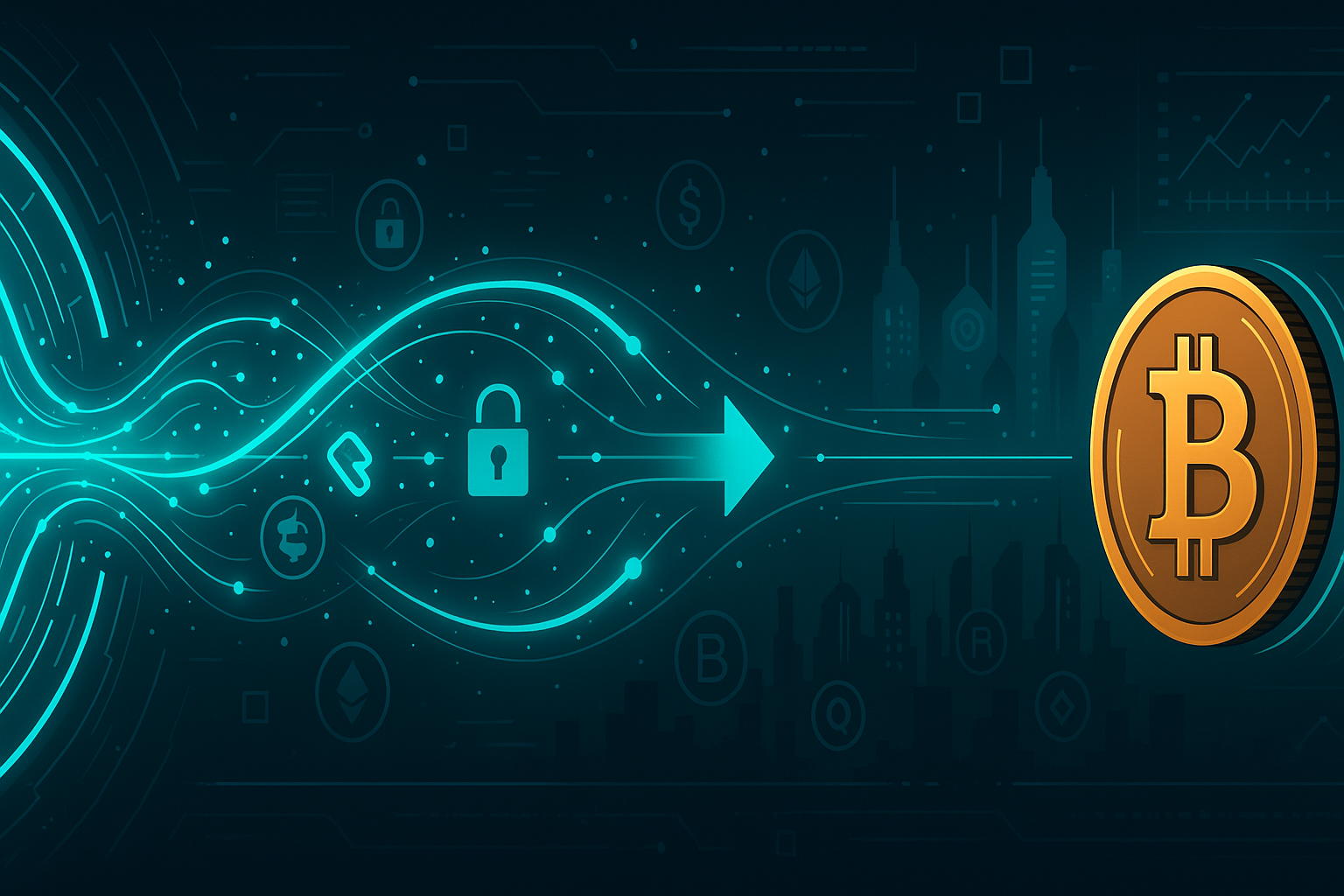
- Open your ATOM wallet and choose “Send” or “Transfer”.
- Paste the ATOM deposit address generated by the service.
- Input the exact ATOM amount you agreed to swap.
- Confirm the transaction and pay attention to network fee settings.
Do not change the amount once you have generated the quote unless the service explicitly allows it.
Step 7: Wait for confirmations
The swap service will monitor the Cosmos network for your deposit. After the required confirmations:
- Your ATOM is considered received
- The service executes the swap route
- Your BTC is sent to the provided Bitcoin address
This process might take a few minutes to an hour, depending on network activity and platform design. Many services provide a status page or transaction hash for both legs of the transfer.
Step 8: Verify your BTC arrival
Finally, open your BTC wallet and confirm that:
- The BTC arrived at the correct address
- The amount is close to the estimate (accounting for any stated slippage or floating rate changes)
- The transaction has at least one confirmation on the Bitcoin network
Practical Tips to Optimize Your Atom to BTC Swap
1. Compare fixed vs floating rates
Some services offer a choice:
- Fixed rate: Locks in the rate for a short time window, protecting you from adverse price moves but sometimes with a slightly wider spread.
- Floating rate: Tracks the live market and can be better if volatility is low, but final output may differ from the initial quote.
Pick the option that matches your risk tolerance and time sensitivity.
2. Time your transaction
Whenever possible, avoid:
- Sending during major news events or high-volatility periods
- Peak congestion times on the Bitcoin network
Monitoring fees and basic market sentiment before you initiate a swap can materially improve your final outcome.
3. Test with a small amount first
If it is your first time using a particular service or wallet:
- Start by swapping a small amount of ATOM to BTC
- Confirm that everything works as expected
- Then repeat with a larger size once you are confident
4. Secure your wallets
Swapping is only as safe as your wallet setup. Make sure to:
- Back up recovery phrases offline
- Use hardware wallets for significant balances
- Enable PINs and biometric locks where possible
- Never share seed phrases with any third party or website
5. Keep records for tax and tracking
In many jurisdictions, converting ATOM to BTC is a taxable event. Good practice includes:
- Exporting or saving transaction hashes
- Recording the date, time, and amounts of each swap
- Logging the approximate fiat value at the moment of the trade
This makes future reporting and portfolio analysis much simpler.
Conclusion
An atom to btc swap is more than a simple trade between two cryptocurrencies. It is a strategic shift between ecosystems, risk profiles, and use cases. By using non-custodial, privacy-aware tools, you can carry out this conversion while maintaining control over your keys, minimizing data exposure, and avoiding many of the hazards associated with centralized exchanges.
To get started, you only need a funded ATOM wallet, a secure BTC address, and a reliable interface for a non-custodial swap. Take your time, verify every detail, and consider beginning with a test transaction. With a clear process and a bit of caution, moving between Cosmos and Bitcoin can become a smooth and repeatable part of your overall crypto strategy.
Ready to Swap?
Convert your crypto instantly on GhostSwap — no KYC, no sign-up required.
Popular swaps: BTC to XMR | BTC to ETH | XMR to BTC | ETH to XMR | BTC to SOL