BNB to USDT Exchange: A Complete, SEO-Friendly Guide for 2025
Introduction: Why BNB to USDT Is a Core Crypto Move
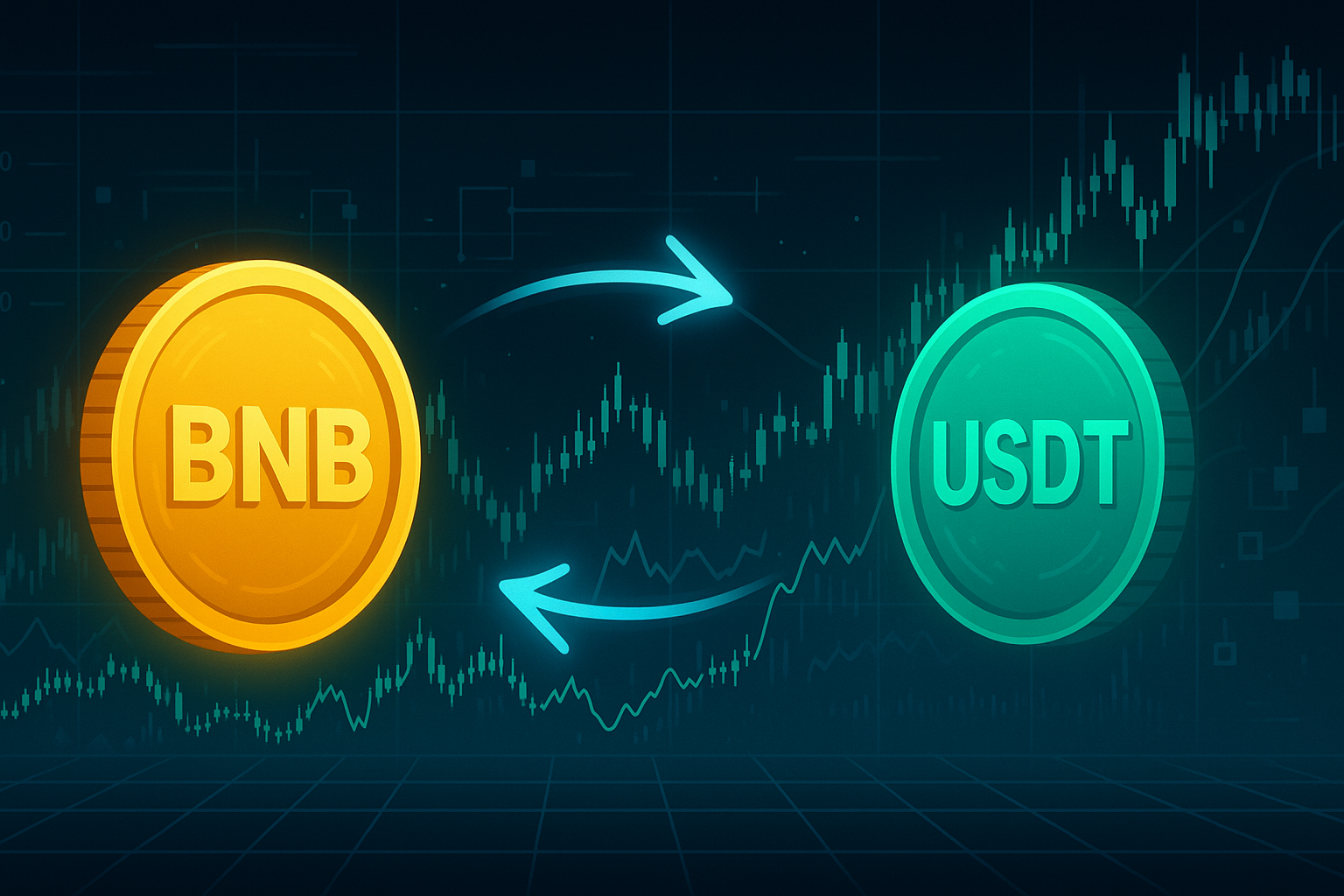
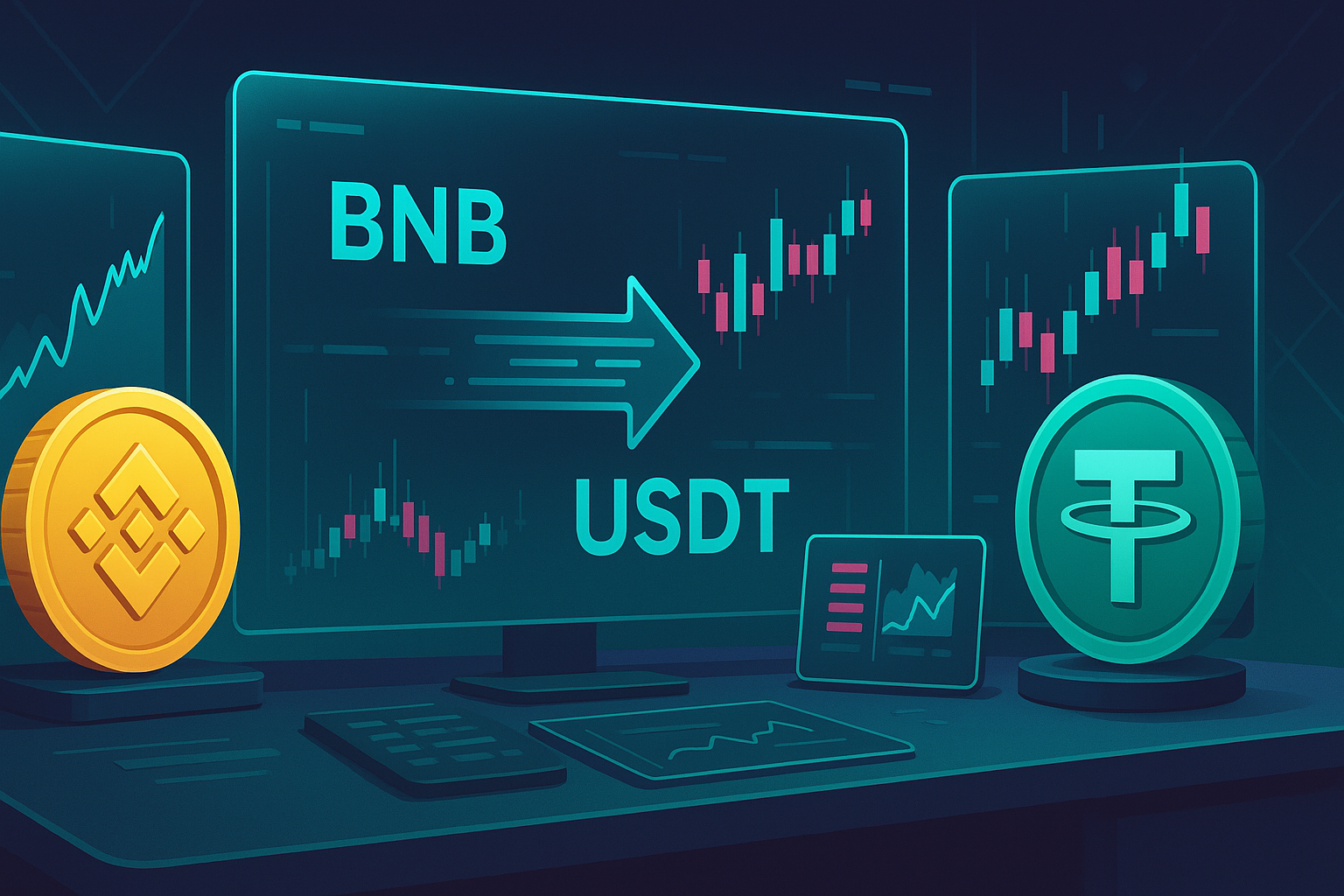
Converting Binance Coin (BNB) to Tether (USDT) is one of the most common actions for traders and long-term investors. Whether you are taking profits, reducing risk, or preparing to move funds across blockchains, understanding how to use a secure, efficient bnb to usdt exchange is essential.
BNB is the native token of the Binance ecosystem and a key asset on BNB Smart Chain (BSC). USDT is a leading stablecoin that tracks the value of the US dollar. Moving between the two helps you lock in gains, hedge against volatility, and maintain flexibility during market swings.
This guide breaks down why the BNB to USDT pair matters, how to exchange safely, what risks to watch out for, and how to choose the right platform, from centralized exchanges to non-custodial, private swap services.
Why BNB to USDT Exchange Matters in Crypto
1. Risk Management and Volatility Control
BNB is a volatile asset like most cryptocurrencies. USDT is designed to stay close to 1 USD. Exchanging BNB to USDT lets you:
- Lock in profits during price rallies
- Reduce drawdowns during market corrections
- Park funds in a stable asset while you wait for better entry points
This simple swap often acts as a risk management tool rather than a speculative trade.
2. Liquidity and Market Access
BNB and USDT both enjoy high liquidity across centralized and decentralized platforms. The BNB/USDT pair is widely supported, which means you can usually:
- Enter and exit positions quickly
- Benefit from tight spreads on major exchanges
- Use USDT as a base asset to buy other coins once you exit BNB
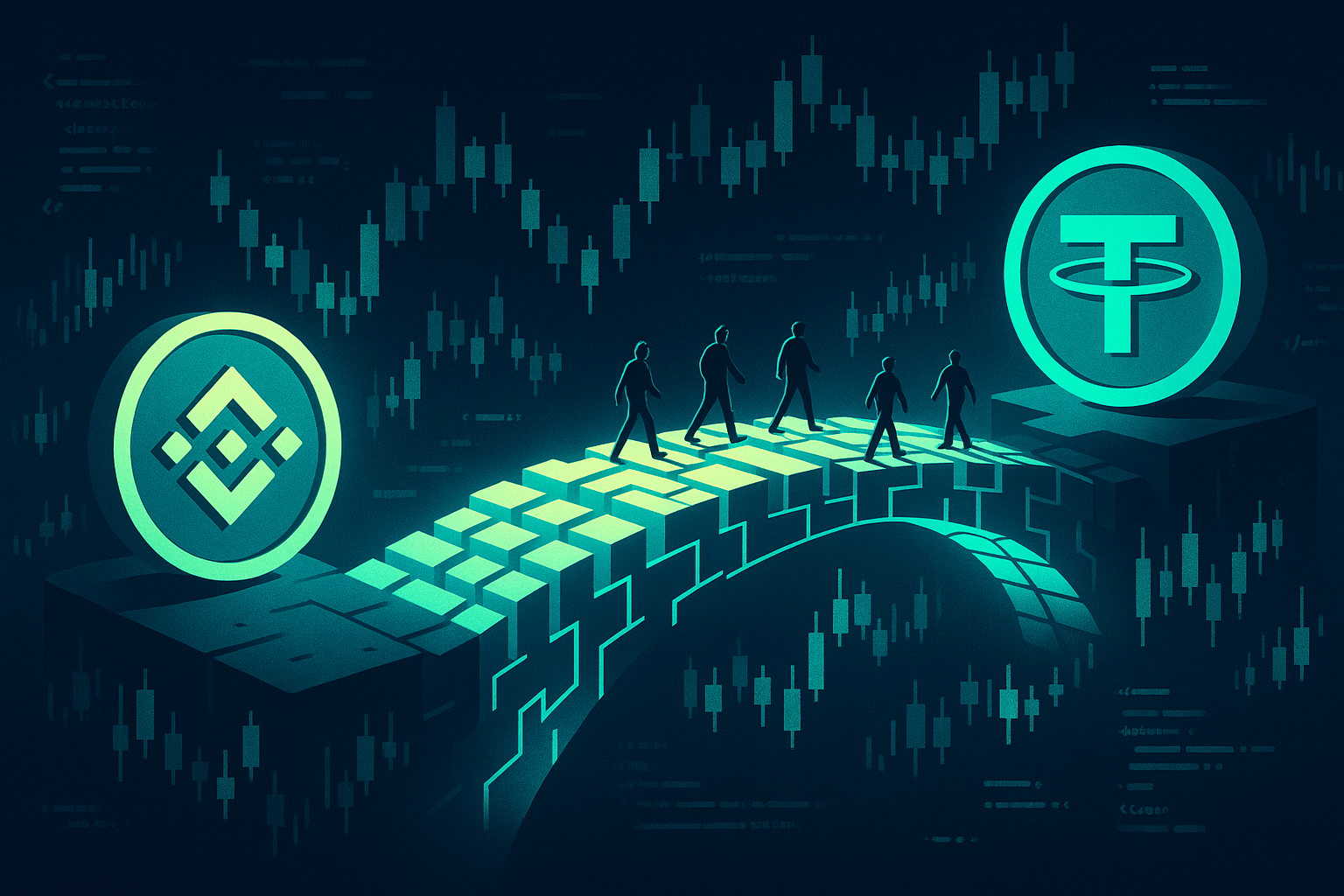
This makes BNB to USDT a practical “hub” conversion for moving around the crypto ecosystem.
3. Operational Flexibility Across Chains and Platforms
USDT exists on multiple blockchains, including Tron, Ethereum, BNB Smart Chain, and others. By converting BNB to USDT on the appropriate chain, you can:
- Reduce transaction fees by choosing cheaper networks
- Move assets between DeFi platforms and exchanges more easily
- Access yield opportunities, such as lending or liquidity provision, that are often denominated in USDT
Key Benefits of Exchanging BNB to USDT
1. Capital Protection During Uncertain Markets
Swapping BNB to USDT lets you step out of volatility without leaving the crypto ecosystem. You avoid the friction of withdrawing to fiat, which can involve:
- Bank delays
- Additional KYC checks
- Higher off-ramp fees
Instead, you can park your value in USDT and stay ready to re-enter when conditions improve.
2. Better Planning for Active Traders
Traders often think in terms of stable balances. Holding USDT allows you to:
- Set clear position sizes based on dollar value
- Measure returns in a stable unit rather than fluctuating coin prices
- Quickly pivot into new opportunities without worrying about BNB price swings
Exchanging BNB to USDT can therefore be a strategic move in your broader trading plan.
3. Privacy and Custody Control
Using centralized exchanges typically means:
- Your funds are custodial and controlled by the platform
- You undergo KYC/AML verification
- Your transaction history is stored and linked to your identity
In contrast, some platforms let you swap crypto instantly through non-custodial smart contracts, where you retain control of your private keys throughout the process. This can help improve privacy and security, provided you use a reputable service and verify you are on the correct URL.
Risks and Drawbacks of BNB to USDT Exchange
No exchange is risk-free. Understanding the trade offs is crucial before converting BNB to USDT.
1. Market Risk and Timing Risk
- Missing upside: If you convert BNB to USDT and BNB rallies afterward, you miss that additional upside.
- Re-entry risk: It can be psychologically harder to re-enter at higher prices, even if your strategy says you should.
Your timing strategy should be based on clear rules instead of emotion.
2. Smart Contract and Platform Risk
If you use a decentralized or non-custodial platform:
- Smart contracts may contain vulnerabilities if not properly audited.
- Malicious or cloned sites can attempt phishing attacks.
- Incorrect network or token selection can lead to lost funds.
If you use centralized exchanges:
- There is counterparty risk if the exchange becomes insolvent or is hacked.
- Withdrawals can be paused or restricted in extreme scenarios.
3. Stablecoin Specific Risks
USDT aims to maintain a 1:1 peg with the US dollar, but there are still concerns to consider:
- Regulatory pressure on stablecoin issuers
- Transparency of reserves and audits
- Temporary depegs during market stress
These factors do not make USDT unusable, but they are important to include in your risk assessment.
4. Fees and Slippage
Costs add up, especially for frequent traders:
- Trading fees: Platform fees on each trade
- Network fees: Blockchain gas required to move tokens
- Slippage: Receiving a worse rate than quoted if liquidity is low or the market moves quickly
Careful platform and network selection can reduce these costs.
How to Exchange BNB to USDT: Step by Step
Below is a general walkthrough of how to perform a BNB to USDT swap using non-custodial methods. Exact steps can vary slightly between platforms, but the core logic remains the same.
Step 1: Choose Your Exchange Method
You have three main options:
- Centralized exchange (CEX) such as Binance, KuCoin, etc.
- Decentralized exchange (DEX) on BNB Smart Chain, like PancakeSwap.
- Aggregator or dedicated swap interface that provides a streamlined, often private exchange experience with non-custodial swaps.
If privacy and self-custody are top priorities, non-custodial DeFi options can be attractive. If you prioritize fiat on-ramps and order book trading, a CEX might fit better.
Step 2: Prepare Your Wallet and Network
For DeFi and non-custodial swaps:
- Use a compatible wallet like MetaMask, Trust Wallet, SafePal, or a hardware wallet.
- Ensure you are on the correct network, typically BNB Smart Chain (BEP-20) for BNB and USDT.
- Confirm you hold BNB in the correct format (BEP-20, not BEP-2) and have a small extra amount for gas fees.
Step 3: Connect to the BNB to USDT Exchange Interface
Visit your chosen platform and:
- Verify the URL is correct and secure (check for phishing or lookalike sites).
- Click “Connect Wallet” and choose your wallet provider.
- Approve the connection in your wallet.
Your wallet should now display your BNB balance on the interface.
Step 4: Set Up the BNB to USDT Swap
Once connected:
- Select BNB as the asset you are paying with.
- Select USDT as the asset you will receive.
- Enter the amount of BNB you want to exchange.
- Review the quoted rate, estimated USDT output, included fees, and minimum received after slippage.
On some platforms, you might see a “slippage tolerance” option. Conservative slippage settings can protect you from bad fills but may cause the transaction to fail in highly volatile markets.
Step 5: Confirm and Approve the Swap
For a typical non-custodial swap:
- Click “Swap” or “Exchange.”
- Review the transaction details in your wallet, including gas fees.
- Approve the transaction and wait for blockchain confirmation.
Once confirmed, your BNB balance will decrease, and your USDT balance will appear in your wallet. Check that you see the correct token (USDT on the correct chain) and the expected amount.
Step 6: Secure and Organize Your USDT
After the trade:
- Back up your wallet seed phrase if you have not already.
- Consider moving larger balances to a hardware wallet for additional security.
- Label your wallets or accounts so you know which addresses hold USDT on which networks.
Practical Tips for a Safe and Efficient BNB to USDT Exchange
1. Double Check Networks and Token Standards
Using the wrong network can result in confusion or, in some cases, loss of funds. Always confirm:
- You are using BNB Smart Chain (BEP-20) when required.
- You are selecting the correct USDT variant (e.g., USDT on BSC vs USDT on Ethereum).
- Your receiving wallet supports that specific network and token.
2. Start with a Small Test Transaction
If you are using a platform for the first time or moving funds to a new wallet:
- Send a small amount of BNB or USDT first.
- Confirm it arrives correctly and displays in your wallet.
- Only then proceed with larger sums.
This simple habit avoids painful mistakes.
3. Monitor Fees and Slippage
To optimize costs:
- Check network congestion and gas prices before transacting.
- Avoid peak demand periods when gas fees spike.
- Adjust slippage tolerance thoughtfully. Extremely low slippage may cause failed transactions, while very high slippage can expose you to poor rates.
4. Use Non Custodial Platforms When You Value Self Custody
If you prefer holding your own keys and minimizing centralized risk, look for non-custodial solutions that route swaps through on-chain liquidity. A dedicated interface that supports a non-custodial swap between BNB and USDT allows you to maintain wallet control while still enjoying a streamlined experience.
5. Keep Records for Tax and Accounting
In many jurisdictions, exchanging BNB to USDT is a taxable event. Good habits include:
- Recording transaction hashes and timestamps
- Exporting CSV files from wallets or trackers
- Using crypto tax tools to categorize and calculate gains and losses
Clear records reduce stress at tax time and provide insight into your performance.
Conclusion: Making the Most of Your BNB to USDT Exchange
Exchanging BNB to USDT is more than a simple trade. It is a powerful tool for risk management, liquidity, and strategic positioning in your crypto portfolio. When used thoughtfully, it can help you lock in gains, sidestep volatility, and stay prepared for the next opportunity.
To do it well, focus on three pillars:
- Security: Verify platforms, protect your keys, and test with small amounts first.
- Cost awareness: Know your fees, watch slippage, and choose efficient networks.
- Strategic intent: Define why you are moving from BNB to USDT and how it fits your broader plan.
Whether you prefer centralized exchanges or a streamlined, private bnb to usdt exchange experience through non-custodial tools, understanding the process and its risks will help you operate with confidence as the crypto landscape evolves in 2025 and beyond.
Ready to Swap?
Convert your crypto instantly on GhostSwap — no KYC, no sign-up required.
Popular swaps: BTC to XMR | BTC to ETH | XMR to BTC | ETH to XMR | BTC to SOL