BTC to SOL Swap: A Complete, SEO-Friendly Guide for Fast, Non‑Custodial Exchanges
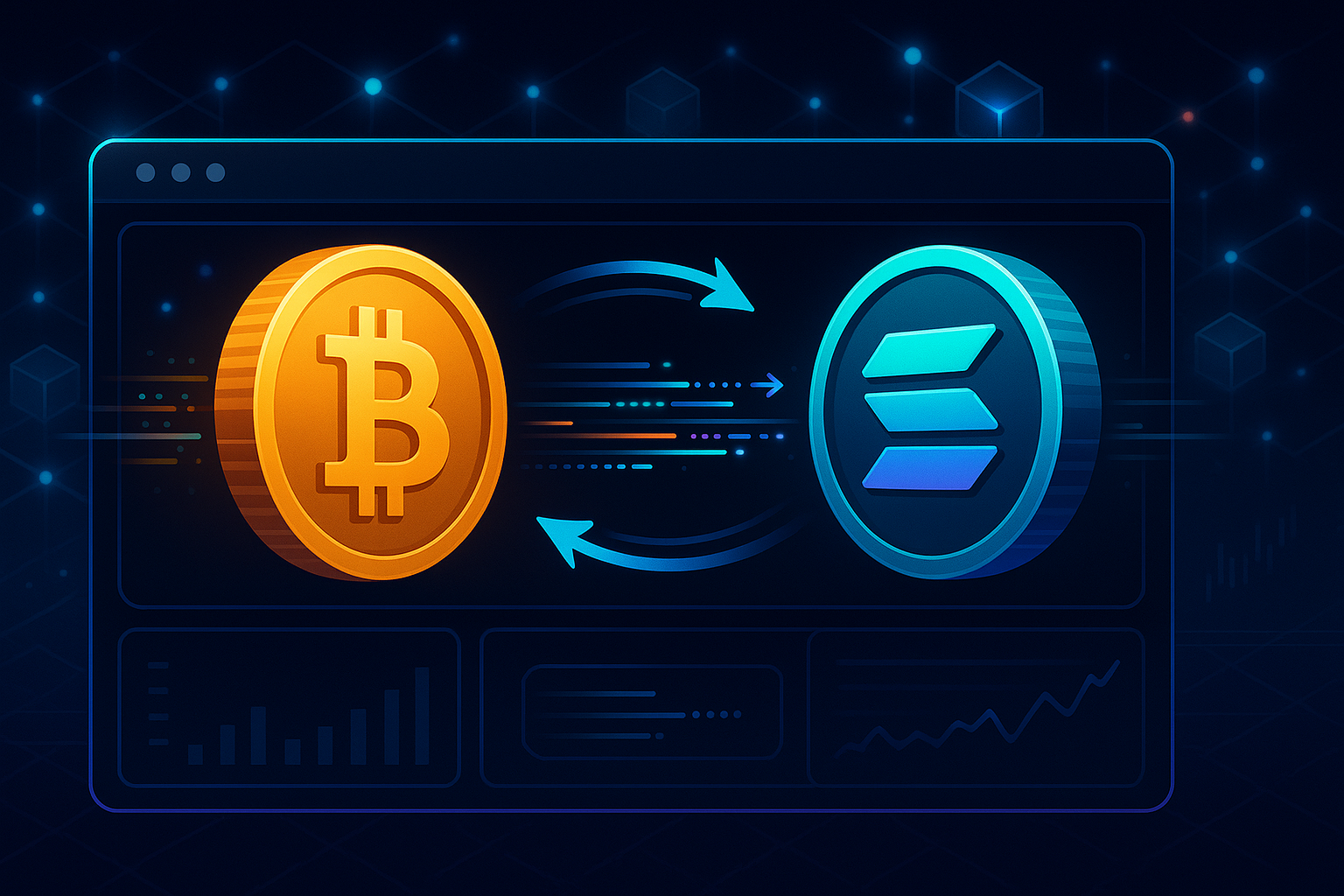
Moving value from Bitcoin to Solana has become a common need for traders, builders, and DeFi users. A simple btc to sol swap lets you keep your exposure to crypto while shifting from a store‑of‑value asset to a high‑performance smart contract ecosystem. Whether you want to farm yield on Solana, pay low‑fee transactions, or access Solana dApps, knowing how to swap efficiently and safely is essential.
The good news is you no longer have to register at centralized exchanges, wait for approvals, or move funds through multiple wallets. With the right non‑custodial swap interface for BTC to SOL, you can convert Bitcoin to Solana in minutes, often with no sign‑up and minimal fees compared to traditional platforms.
This guide walks through why BTC to SOL swaps matter, their benefits and risks, how the process works behind the scenes, and a practical step‑by‑step walkthrough you can follow. It is written for beginners and intermediate users who already hold BTC and want to tap into the Solana ecosystem efficiently.
Why BTC to SOL Swaps Matter
Bitcoin and Solana serve different roles in the crypto landscape. Bitcoin is the original, most decentralized, and most secure asset focused on being a store of value. Solana is a high‑throughput blockchain optimized for speed, scalability, and low‑cost transactions, powering a growing network of dApps, NFTs, DeFi protocols, and on‑chain services.
Different Assets, Different Use Cases
- Bitcoin (BTC) is widely used as “digital gold,” long‑term savings, and collateral in some cross‑chain products.
- Solana (SOL) is used to pay gas fees, participate in DeFi, mint or trade NFTs, and interact with Solana‑based applications.
This difference means many users hold BTC as their main asset but need SOL to:
- Access high‑speed DeFi protocols on Solana
- Pay low transaction fees for frequent on‑chain activity
- Mint or trade NFTs in the Solana ecosystem
- Participate in staking or liquid staking derivatives
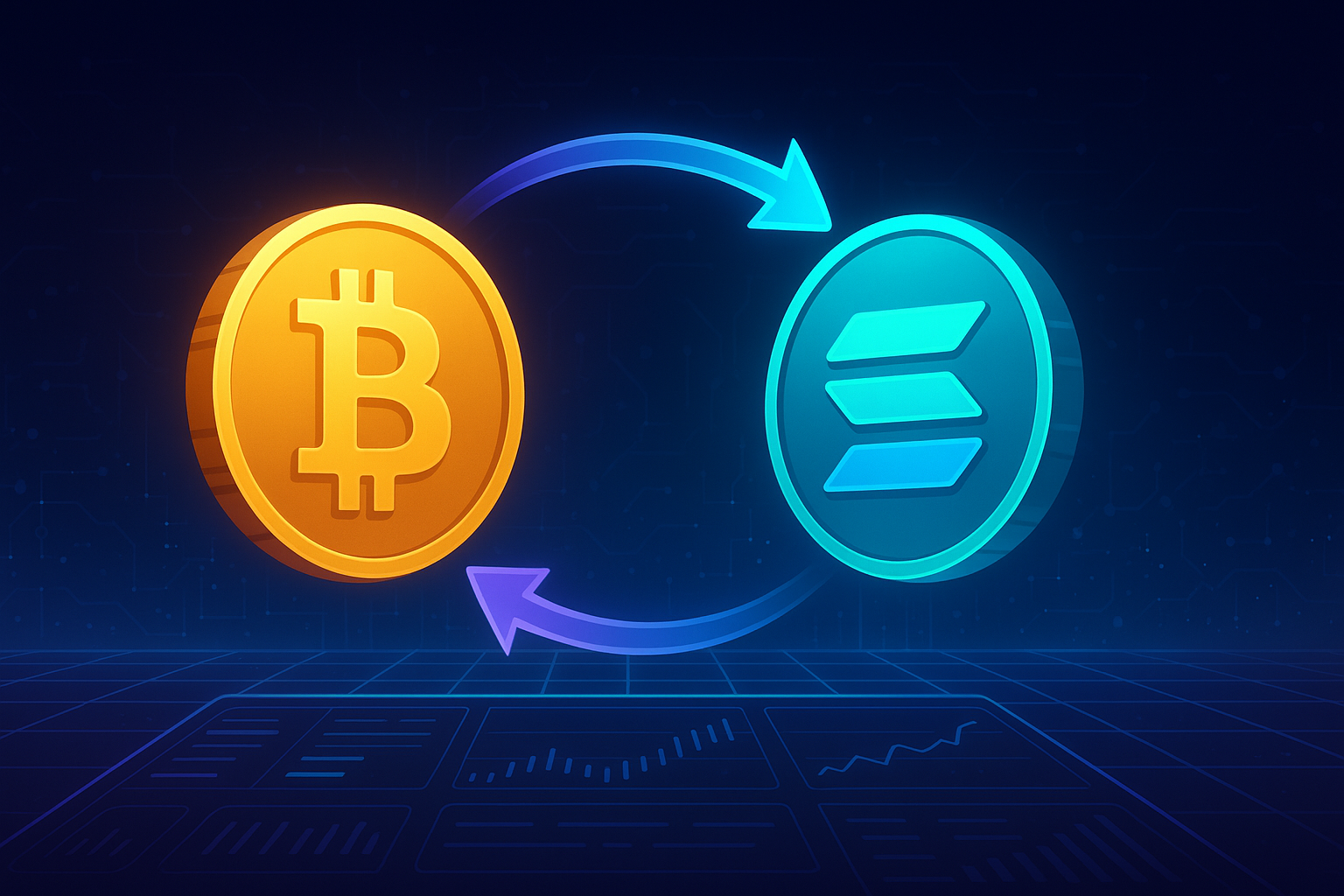
Executing a straightforward btc to sol swap is the bridge between these two worlds, letting you keep crypto exposure while reallocating capital to where you want to be active.
From Centralized to Non‑Custodial Swaps
Historically, the main way to convert BTC to SOL was through centralized exchanges (CEXs). This usually required:
- KYC/identity verification
- Depositing BTC to the exchange
- Trading BTC for USDT or another stablecoin
- Trading that stablecoin for SOL
- Withdrawing SOL to your personal wallet
Today, non‑custodial protocols and cross‑chain bridges allow you to perform a more direct btc to sol swap with fewer steps and often without creating an account at all. Users increasingly prefer these paths for privacy, speed, and security control.
Key Benefits of a BTC to SOL Swap
When done correctly using a reputable private exchange or swap interface, a BTC to SOL swap offers multiple advantages.
1. Direct Access to the Solana Ecosystem
Swapping BTC to SOL gives you immediate access to:
- Decentralized exchanges (DEXs) built on Solana
- Yield farms and lending protocols
- NFT marketplaces and gaming projects
- Low‑fee, high‑speed transfers for merchants or peers
Instead of selling BTC to fiat and then rebuying crypto, you stay within the digital asset space and jump directly into Solana.
2. Lower Fees and Faster Settlement
Centralized exchanges charge trading fees, funding fees, and withdrawal fees. Bridging BTC through a well‑optimized btc to sol swap tool that can swap crypto instantly may result in fewer intermediate steps and lower overall cost, especially when you factor in time savings.
Solana’s low network fees also make it attractive for users who want to transact frequently or operate bots, trading strategies, or micro‑payments.
3. Better Control Over Your Keys
Non‑custodial swaps mean you retain control of your private keys. The swap service never holds your funds in a centralized account that can be frozen, hacked, or restricted. This aligns with the core crypto principle of “not your keys, not your coins.”
4. More Privacy and Less Friction
Many single‑purpose swap interfaces allow users to conduct BTC to SOL conversions without creating a full centralized exchange account. While you should always respect local regulations, this approach can reduce data collection, limits, and onboarding friction, particularly for cross‑chain value movement.
Risks and Drawbacks of BTC to SOL Swaps
Even though the process can be straightforward, a btc to sol swap carries several risks you must understand before sending funds.
1. Price Volatility
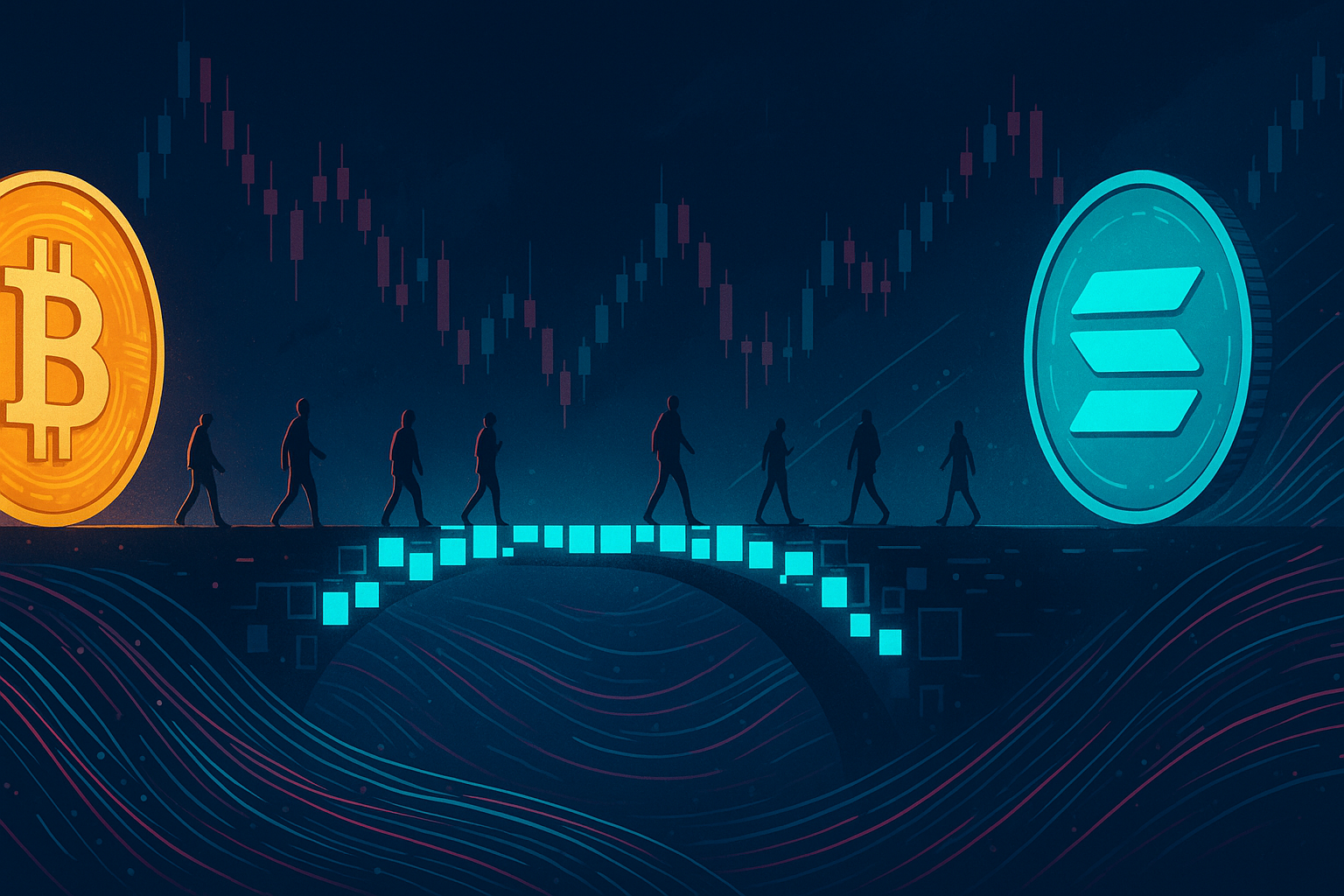
BTC and SOL are both volatile assets. Between the moment you initiate a swap and the moment it completes, market prices can move, impacting how much SOL you receive.
- With floating‑rate swaps, your final amount of SOL can vary based on real‑time market conditions.
- With fixed‑rate swaps, you lock in an expected rate but often within a specified time window and with certain tradeoffs such as wider spreads.
Using a provider that clearly displays rates, minimum amounts, and time windows is essential to avoid surprises.
2. Smart Contract and Bridge Risk
Non‑custodial swaps that rely on cross‑chain bridges or smart contracts introduce technical risk. Bugs, misconfigurations, or exploits can result in delayed or lost funds.
- Choose services with public audits where available.
- Start with a small test swap before moving a large amount.
- Avoid interacting with contracts or websites you do not fully trust.
3. Counterparty and Service Reliability
If you use a centralized or partially centralized swap service, you rely on that service to perform the exchange correctly. Outages, policy changes, or poor risk management on their side can affect your funds or timing.
Always research the reputation and track record of a swap platform before committing significant amounts of BTC.
4. User‑Side Errors
The most common cause of lost funds is still human error. Typical mistakes include:
- Sending BTC to a non‑BTC address format
- Copy‑pasting the wrong Solana address
- Misunderstanding minimum and maximum swap limits
- Closing the interface before a transaction has confirmed
Preventing these errors is often as simple as double‑checking addresses and reading the on‑screen instructions carefully.
Step‑by‑Step Guide: How to Perform a BTC to SOL Swap
The exact process varies by provider, but most non‑custodial swap interfaces follow a similar flow. The guide below outlines typical steps when using a cross‑chain btc to sol swap service.
Step 1: Prepare Your Wallets
You will need:
- A Bitcoin wallet that can send BTC (hardware, mobile, or desktop).
- A Solana wallet capable of receiving SOL, such as Phantom, Solflare, or a hardware wallet compatible with Solana.
Ensure both wallets are correctly backed up with seed phrases or recovery methods. Verify that your Solana wallet is active and you control its private keys.
Step 2: Choose a Non‑Custodial Swap Provider
Select a reputable service that supports the BTC to SOL trading pair. Look for:
- Transparent rates and fees
- Clear instructions and user interface
- Strong reputation and community feedback
- Non‑custodial design, so you retain key ownership
An example is using a non‑custodial swap page dedicated to BTC/SOL, where you simply specify how much BTC to convert and where your SOL should be delivered.
Step 3: Enter Swap Details
- Select the asset you want to send: BTC.
- Select the asset you want to receive: SOL.
- Enter the amount of BTC you plan to swap.
- Paste your Solana wallet address where SOL should be sent.
Carefully review the estimated amount of SOL you will receive, as well as any minimum or maximum limits and expected processing time.
Step 4: Confirm the Rate and Start the Swap
Some services offer two options:
- Floating rate where the final SOL amount may adjust slightly with market conditions.
- Fixed rate where you lock in the displayed rate for a limited time window.
Choose the option that best suits your preferences for speed and certainty, then confirm the swap details to generate a BTC deposit address.
Step 5: Send BTC to the Provided Address
The swap interface will display a unique BTC deposit address and a time window for your transaction. From your Bitcoin wallet:
- Copy the deposit address exactly.
- Send the specified amount of BTC to that address.
- Include appropriate network fees for timely confirmation.
Do not reuse previous addresses or send funds to any address that does not match the one shown on the swap page.
Step 6: Wait for Confirmations and Delivery
After your wallet broadcasts the BTC transaction, the service will typically wait for one or more on‑chain confirmations to reduce double‑spend risk. Once confirmed, the service routes the equivalent value in SOL to your Solana address.
You can usually track progress on a status page that shows stages such as “awaiting deposit,” “processing,” and “completed.” Check your Solana wallet after completion to verify receipt.
Step 7: Verify and Store Your SOL Safely
Once the swap is complete:
- Confirm the SOL balance matches or is close to the expected amount (given any floating‑rate variations).
- Consider moving SOL to a hardware wallet for long‑term storage if you do not need it for frequent DeFi activity.
- If using DeFi, connect your Solana wallet only to trusted protocols and double‑check contract addresses.
Practical Tips for a Smooth BTC to SOL Swap
Even if you understand the mechanics, a few practical habits will help keep every swap efficient and safe.
1. Start With a Small Test Transaction
Before swapping a large amount of BTC, send a small test amount first. This lets you verify:
- The BTC address is correct and active.
- The service processes and delivers SOL as expected.
- Your Solana wallet is properly configured and accessible.
Once you are confident, you can repeat the process with a larger amount.
2. Double‑Check Addresses and Networks
Always verify:
- You are sending from a valid Bitcoin network wallet, not a wrapped BTC token on another chain.
- Your Solana address is correct and belongs to you.
- You copied and pasted addresses precisely, with no missing or extra characters.
A single incorrect character can cause irreversible loss of funds.
3. Watch Network Conditions and Fees
On the Bitcoin network, high congestion can slow confirmations and increase fees. If the mempool is crowded, your swap may take longer or require a higher fee to get confirmed quickly.
Plan your btc to sol swap during periods of moderate network usage when possible, and always include a reasonable mining fee to avoid delays.
4. Secure Your Devices
Even the safest swap protocol cannot protect you if your own device is compromised. To reduce risk:
- Keep your operating system and browser up to date.
- Use a hardware wallet whenever possible for both BTC and SOL.
- Avoid executing swaps using public computers or unsecured Wi‑Fi.
5. Document the Transaction
Save or screenshot:
- The swap ID or reference number, if provided.
- The BTC transaction hash.
- The SOL transaction hash that delivers your funds.
Having these records makes it easier to track any issue with support or to keep your personal transaction logs organized.
Conclusion: Using BTC to SOL Swaps to Unlock the Solana Ecosystem
A btc to sol swap is one of the most efficient ways to move value from Bitcoin’s secure, store‑of‑value network into Solana’s high‑performance ecosystem. By using a reputable private, non‑custodial exchange for BTC and SOL, you can retain control over your keys, minimize friction, and access Solana dApps in just a few steps.
As with any cross‑chain operation, it is essential to understand both the benefits and risks. Focus on security first: verify addresses, start with small test amounts, and choose well‑reviewed services with transparent terms. Once you are comfortable with the process, BTC to SOL swaps can become a powerful tool in your broader crypto strategy, letting you fluidly shift between long‑term value storage and high‑speed on‑chain activity.
Ready to Swap?
Convert your crypto instantly on GhostSwap — no KYC, no sign-up required.
Popular swaps: BTC to XMR | BTC to ETH | XMR to BTC | ETH to XMR | BTC to SOL