ETH to XRP Swap: A Complete Guide to Fast, Simple, and Private Crypto Exchange
Introduction
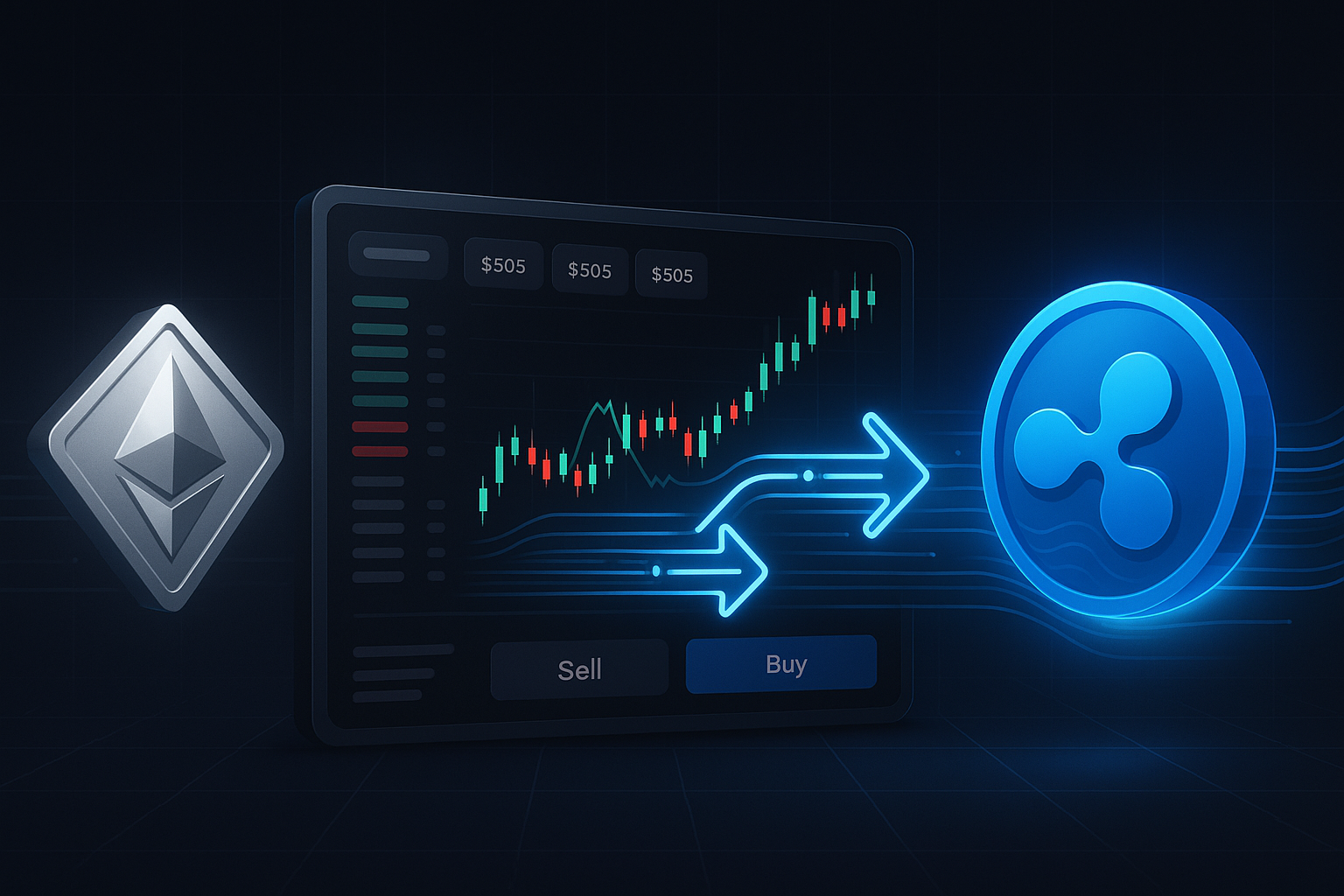
Swapping Ethereum (ETH) to Ripple (XRP) has become a common move for traders and long-term holders who want to diversify, access faster payments, or hedge against Ethereum gas fees. Whether you are rebalancing your portfolio or preparing funds for cross-border transfers, understanding how an eth to xrp swap works can save you time, money, and stress.
There are now many ways to convert ETH to XRP, from centralized exchanges with full KYC to non-custodial instant swap services that prioritize privacy. The method you choose affects your fees, speed, security, and how much personal information you share.
This guide walks you through why ETH to XRP swaps matter, the main benefits and risks, and how to perform a secure, efficient swap step by step so you can choose the option that fits your goals and risk tolerance.
Why ETH to XRP Swaps Matter
ETH and XRP serve very different purposes in the crypto ecosystem, which is why moving between them is often a strategic decision rather than a random trade.
1. Different Use Cases
- Ethereum (ETH) is the leading smart contract platform token. It powers DeFi, NFTs, and countless dApps. Holding ETH is often about participating in Web3 and DeFi ecosystems.
- Ripple (XRP) is optimized for fast, low-cost cross-border payments and liquidity. It is frequently used by traders and individuals who value quick settlement and low transaction costs.
Switching from ETH to XRP lets you pivot from a smart contract and DeFi focused asset to one that is geared toward payments and transfers.
2. Portfolio Diversification and Risk Management
ETH and XRP react differently to market conditions and regulatory developments. Some traders move part of their ETH holdings into XRP to:
- Reduce exposure to Ethereum network congestion and high gas fees
- Take advantage of XRP price movements or market sentiment
- Balance a portfolio that is overly concentrated in DeFi-related assets
A thoughtful ETH to XRP swap can help you smooth volatility or position for specific narratives, such as increased adoption of payment-focused assets.
3. Practical Use Cases: Payments and Transfers
If you are sending money quickly and cheaply, XRP can be more suitable than ETH, especially during periods of high Ethereum usage. XRP’s design makes it attractive for:
- Cross-border remittances where speed matters
- Frequent transfers between exchanges or wallets
- Situations where predictable, low fees are important
In this context, an ETH to XRP swap is like converting a complex financial instrument into a fast, low-fee payment rail.
Key Benefits of Swapping ETH to XRP
When done correctly, swapping ETH to XRP offers several advantages.
1. Faster Settlements and Lower Fees
XRP is known for its:
- Short confirmation times compared to high-load periods on Ethereum
- Low transaction costs which can be pennies or less, versus potentially high ETH gas fees
This makes XRP attractive if you need to move funds quickly or perform many small transfers where ETH gas would be prohibitive.
2. Liquidity and Market Depth
ETH and XRP are both highly liquid. Major exchanges and swap platforms usually offer:
- Good order book depth for ETH/XRP pairs or routes
- Competitive rates with relatively low spreads
- Reasonable capacity for larger trades with minimal slippage
This liquidity is essential for users who want to execute an ETH to XRP swap without moving the market or being hit by poor pricing.
3. Flexibility in Strategy
Holding both ETH and XRP enables different strategies:
- DeFi and staking with ETH while using XRP for payments and transfers
- Short-term trading between two highly liquid assets
- Hedging gas fee risk by parking value in XRP when Ethereum fees spike
Instant swap platforms make this rebalancing straightforward, especially if they allow you to swap crypto instantly without complicated order placement.
4. Privacy and Custody Control (With the Right Platform)
If you use a non-custodial swap service, you keep your private keys and maintain greater control over your funds. In addition, some platforms let you avoid full KYC for modest-sized swaps, which can improve financial privacy compared with centralized exchanges.
Risks and Drawbacks of ETH to XRP Swaps
No crypto trade is risk free. Before performing an ETH to XRP swap, you should understand the potential downsides.
1. Market Volatility and Price Slippage
Crypto prices can move quickly between the moment you initiate a swap and the time it is executed. Common risks include:
- Price volatility: ETH or XRP could shift significantly during your transaction window.
- Slippage: On some platforms, your final rate may differ if liquidity is thin or the market moves sharply.
Always check the quoted rate, estimated received amount, and whether the platform offers fixed or floating rates for your swap.
2. Platform and Counterparty Risk
Choosing the wrong platform can lead to:
- Custodial risk if you must deposit funds into an exchange before trading
- Withdrawal delays or limits
- Potential security breaches on poorly secured services
Non-custodial platforms reduce some of this risk, but it is still important to vet any service you use.
3. Network Congestion and Fees
Even when swapping to a low-fee asset like XRP, you may still face:
- High Ethereum gas fees during network congestion
- Longer confirmation times on Ethereum if the network is overloaded
- Occasional congestion on XRP or routing networks, though this is less common
Plan the timing of your swap carefully if your gas budget or settlement speed is important.
4. Compliance, KYC, and Geographic Restrictions
Some centralized exchanges and certain services:
- Require full KYC and identity verification
- Restrict access based on your jurisdiction
- May freeze accounts or delays withdrawals if compliance flags arise
If privacy is a priority, consider a non-custodial swap solution that does not require creating an account for standard size transactions.
Step-by-Step Guide: How to Swap ETH to XRP
This is a general workflow that applies to most modern instant swap platforms. Interfaces differ slightly, but the core process is the same.
Step 1: Choose a Reliable Swap Platform
When selecting a service for your ETH to XRP swap, evaluate:
- Security: Track record, SSL encryption, and transparent information about how swaps are processed.
- Non-custodial model: You send coins directly from your wallet to receive XRP to your own wallet, without the platform holding your funds long term.
- Ease of use: Clear interface, transparent fees, and obvious status indicators for your swap.
Platforms like GhostSwap provide a streamlined private exchange flow that focuses on speed and simplicity.
Step 2: Set Up and Verify Your Wallets
You will need:
- An Ethereum wallet with the ETH you plan to swap.
- An XRP wallet address where your swapped funds will be sent.
Before starting:
- Confirm you have full control over the private keys or seed phrases.
- Double check the XRP address and any required tag or memo if you are sending to an exchange account.
- Keep some extra ETH for gas fees so your transaction does not fail due to insufficient gas.
Step 3: Enter the Swap Details
On the ETH to XRP swap page:
- Select ETH as the currency you are sending.
- Select XRP as the currency you will receive.
- Enter the amount of ETH you wish to swap.
- Paste your XRP receiving address (and destination tag if needed).
The platform will typically show:
- An estimated amount of XRP you will receive
- Network fees and any service fees
- An expected completion time
Review all details carefully before confirming.
Step 4: Confirm and Send Your ETH
When you confirm the swap, the platform will generate:
- A unique deposit address for your ETH
- Sometimes a time window within which you must send the funds
From your ETH wallet:
- Send the exact amount of ETH specified to the provided address.
- Set a suitable gas fee to ensure timely confirmation, especially during busy times.
- Wait for the transaction to be confirmed on the Ethereum blockchain.
The platform will monitor the deposit and trigger the corresponding XRP payout once your ETH transaction is confirmed.
Step 5: Receive Your XRP
After the ETH deposit is recognized and processed:
- The platform executes the swap at the specified or market rate.
- Your XRP is then sent to the address you provided.
- You can follow the status and track the transaction using the XRP Ledger explorer.
Always verify that the final XRP amount received matches the expected amount within the platform’s stated tolerance for fees and slippage.
Practical Tips for a Smooth ETH to XRP Swap
1. Double Check Addresses and Tags
XRP addresses, especially those used by centralized exchanges, often require a destination tag:
- If you omit or mis-enter the tag, your XRP could be lost or stuck.
- Always copy and paste addresses and tags directly rather than typing them manually.
- Send a small test transaction first if you are moving a large amount.
2. Monitor Network Conditions
Before initiating the swap:
- Check the current Ethereum gas prices to estimate your transaction cost.
- Avoid periods of extreme congestion if timing is flexible.
- Use gas estimators or wallet recommendations, but be prepared to adjust for faster confirmation.
3. Compare Rates and Fees
Not all services give the same result. To optimize your ETH to XRP swap:
- Compare quoted rates from at least 2 or 3 platforms.
- Account for both network fees and service fees.
- Consider whether a fixed-rate or floating-rate swap is better for current conditions.
4. Use Non-Custodial Services When Possible
Non-custodial swap platforms can reduce risks of account freezes and withdrawal delays. Benefits include:
- Your funds stay in your own wallet until the moment you initiate the swap.
- No need to maintain balances on an exchange or trust a third party with long-term custody.
- Often less personal data is required compared to fully regulated centralized exchanges.
For users who value control and privacy, a non-custodial swap flow is often the preferred route.
5. Keep Track of Your Transactions
Maintain a simple record of your swaps:
- Save transaction hashes for both the ETH and XRP legs of the trade.
- Note the approximate rate and time of the swap.
- This helps with tax reporting, portfolio tracking, and resolving any support issues.
Conclusion: Is an ETH to XRP Swap Right for You?
Swapping ETH to XRP can be a smart move if you want faster, cheaper transfers, a different risk profile, or exposure to a payment-focused asset. The key is to approach each swap with a clear objective, understand the trade-offs, and use a platform that prioritizes security, transparency, and user control.
By following the steps in this guide, checking addresses carefully, monitoring fees and market conditions, and choosing a reliable service for your eth to xrp swap, you can move between these two major cryptocurrencies efficiently and with confidence. As always, only risk what you can afford to lose, and consider how each trade fits into your broader investment strategy and risk management plan.

Ready to Swap?
Convert your crypto instantly on GhostSwap — no KYC, no sign-up required.
Popular swaps: BTC to XMR | BTC to ETH | XMR to BTC | ETH to XMR | BTC to SOL