How to Swap Crypto Safely: A Complete Beginner-Friendly Guide
Introduction
Crypto swaps are a core part of using digital assets. Whether you are moving from BTC to USDT to lock in profits, or swapping ETH to a stablecoin ahead of a market dip, you need to know how to swap crypto safely to protect your funds.
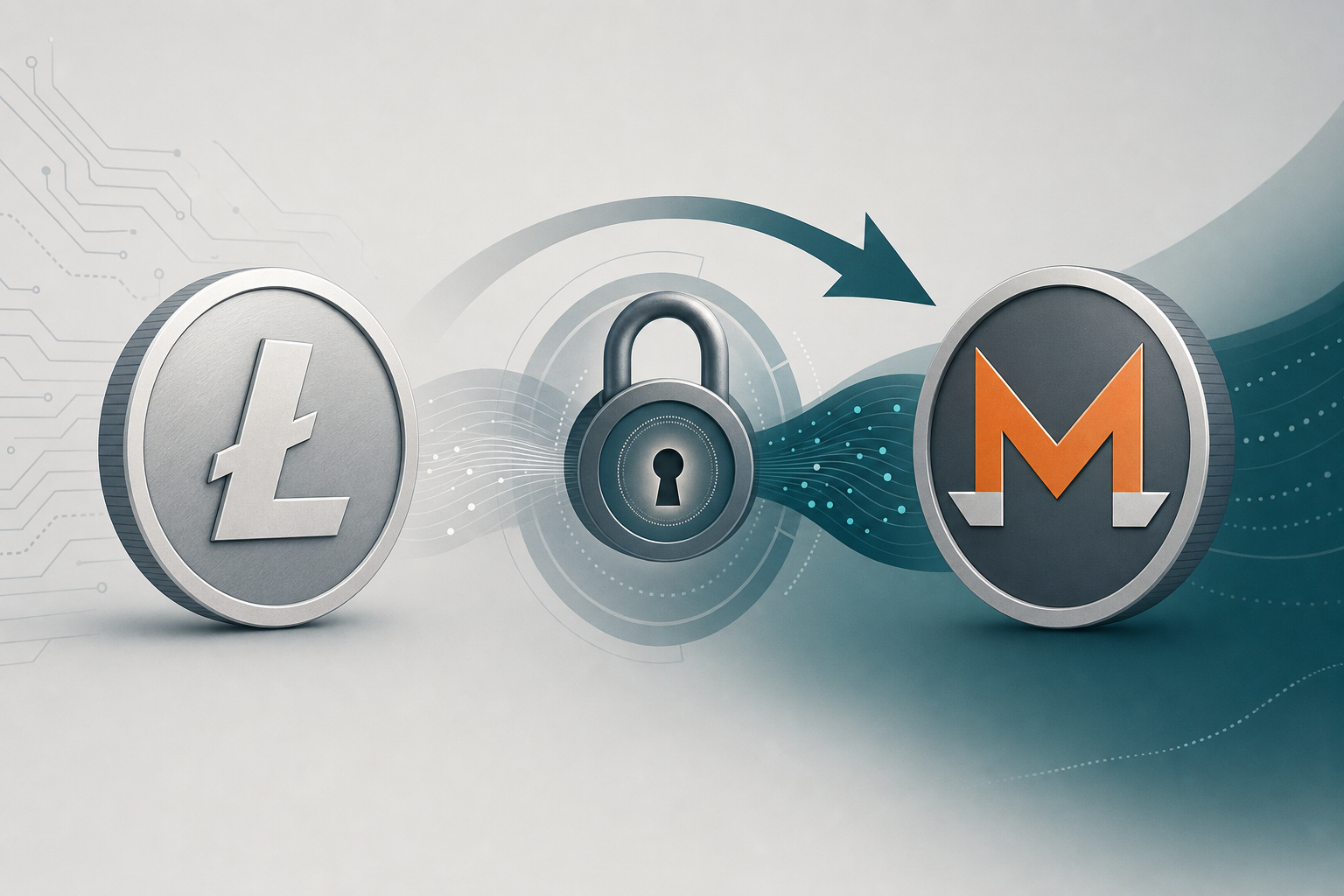
Today there are centralized exchanges, non-custodial aggregators, and privacy-focused tools that let you swap crypto instantly and privately. Each method has its own tradeoffs in terms of security, convenience, anonymity, and fees. Understanding those tradeoffs is the difference between a smooth swap and a costly mistake.
This guide walks you through why safe crypto swapping matters, what the key risks are, and a practical step-by-step approach to keeping your swaps secure no matter which platform you choose.
Why Learning How to Swap Crypto Safely Matters
Swapping is more than just hitting the “Exchange” button. Every swap is a financial transaction with real risk:
- You are exposing funds to smart contracts or exchange operators.
- You may reveal personal data if you use a KYC-first service.
- You can be tricked into signing malicious transactions.
As the crypto ecosystem has grown, so have the threats. There are fake swap sites, phishing wallets, and malicious tokens that exist purely to capture your assets. If you trade frequently or move larger values, the way you handle swaps affects:
- Your security (can your funds be stolen?)
- Your privacy (who sees your activity and balances?)
- Your costs (are you overpaying on slippage and fees?)
- Your flexibility (are you locked into one exchange?)
Learning how to swap crypto safely is about building habits that protect all four of these areas at once.
Key Benefits of Swapping Crypto the Right Way
swapping itself offers many benefits. Doing it safely maximizes those benefits while minimizing risk.
1. Better portfolio management
Safe and efficient swaps let you:
- Rebalance between coins and stablecoins in volatile markets.
- Diversify into new projects without sending funds through multiple intermediaries.
- Exit illiquid positions more reliably by choosing better routes.
2. Improved privacy and control
Using a non-custodial swap or a privacy-oriented swap tool keeps you in control of your keys and often limits how much personal data you share. This helps protect you from:
- Centralized data breaches that expose your email, documents, and activity history.
- Overly intrusive tracking of your on-chain activity linked to your real identity.
3. Lower risk of custodial failures
If you rely solely on centralized exchanges, you face additional risks:
- Exchange insolvency or sudden withdrawal freezes.
- Account suspensions driven by compliance or regional rules.
- Hacks or mismanagement by the exchange operator.
Safer swapping practices favor platforms and workflows where you keep control of your private keys, limiting your exposure to third-party failures.
Main Risks and Drawbacks When Swapping Crypto
To learn how to swap crypto safely, you need to know where things commonly go wrong. The biggest risks include:
1. Fake or malicious swap sites
Phishing sites are one of the most common attack vectors. They copy the design of well-known exchanges or DEX interfaces and trick you into:
- Entering your seed phrase or private key.
- Connecting your wallet and signing malicious approvals.
- Sending funds to an attacker-controlled deposit address.
One typo in a URL, one wrong search result, or one malicious ad can put you on a fake site that empties your wallet.
2. Smart contract vulnerabilities
Decentralized exchanges and aggregators rely on smart contracts. If those contracts have vulnerabilities or have not been audited, you could lose funds even if you did everything “correctly” as a user.
Typical issues include:
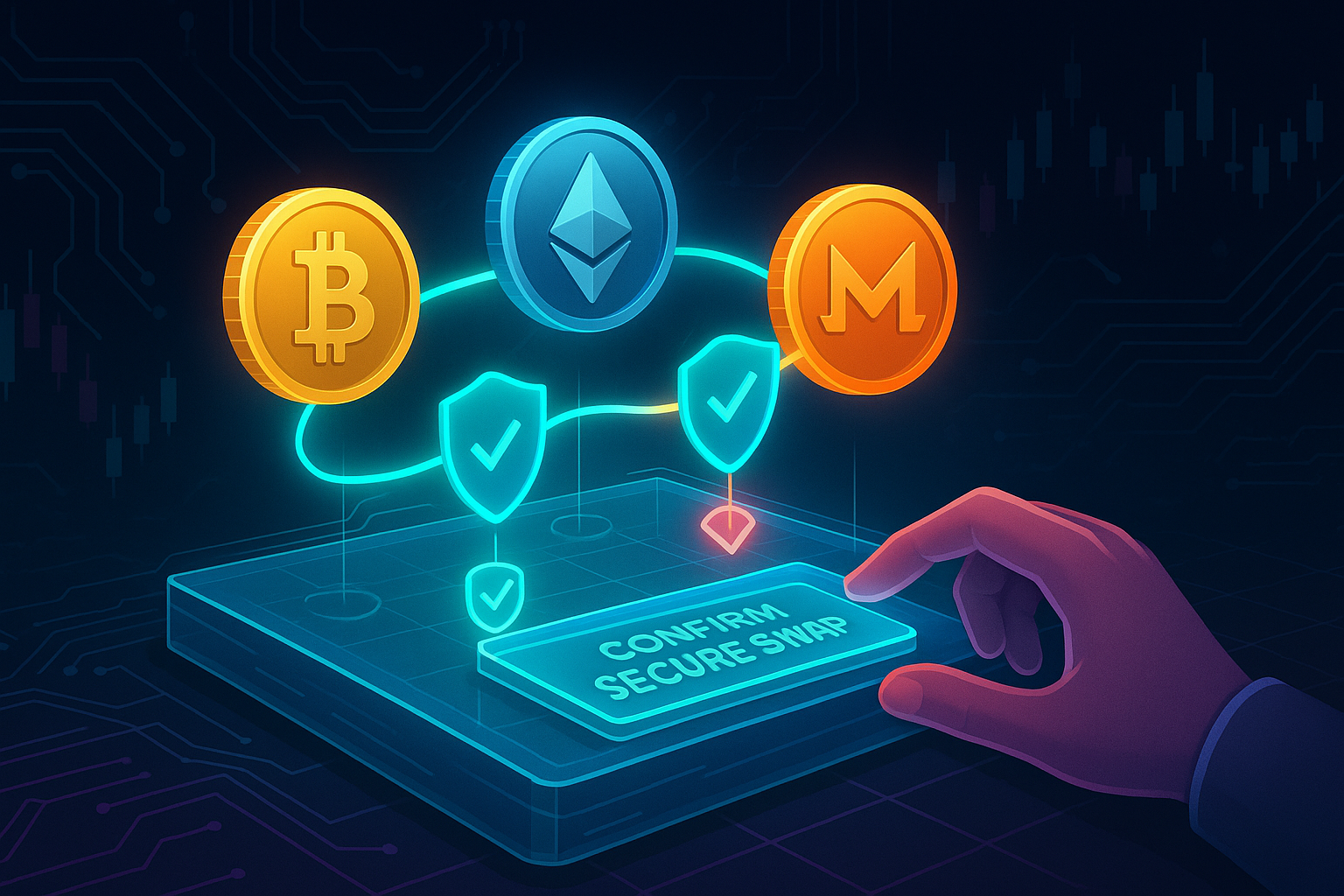
- Re-entrancy attacks and logic bugs that allow draining funds.
- Poor handling of token approvals that give contracts too much control.
- Upgradeability backdoors that developers or attackers can exploit later.
3. Custodial risk and account freezes
With centralized exchanges, you must trust:
- The exchange will not misuse or rehypothecate your assets excessively.
- Your account will not be frozen or locked during volatile markets.
- They will manage hot and cold wallets securely.
Even well-known exchanges have experienced hacks, liquidity issues, and prolonged withdrawal outages.
4. Front running, MEV, and slippage
On-chain swaps, especially on public blockchains, are exposed to:
- MEV (Miner / Maximal Extractable Value) bots that front run large swaps.
- Slippage, where the actual execution price is worse than the price shown.
- Sandwich attacks, where bots trade around your transaction to profit from your order.
If you do not tune your slippage settings or understand how gas fees affect transaction ordering, you may find your swaps executed at unfavorable rates.
5. Human error
Even experienced users make basic mistakes, such as:
- Sending funds to the wrong network or address.
- Copying a scammer’s deposit address from a fake chat or support account.
- Accidentally over-approving a token, letting any dApp spend unlimited amounts.
Safe swapping is mostly about minimizing the opportunities for such errors.
How to Swap Crypto Safely: A Step-by-Step Guide
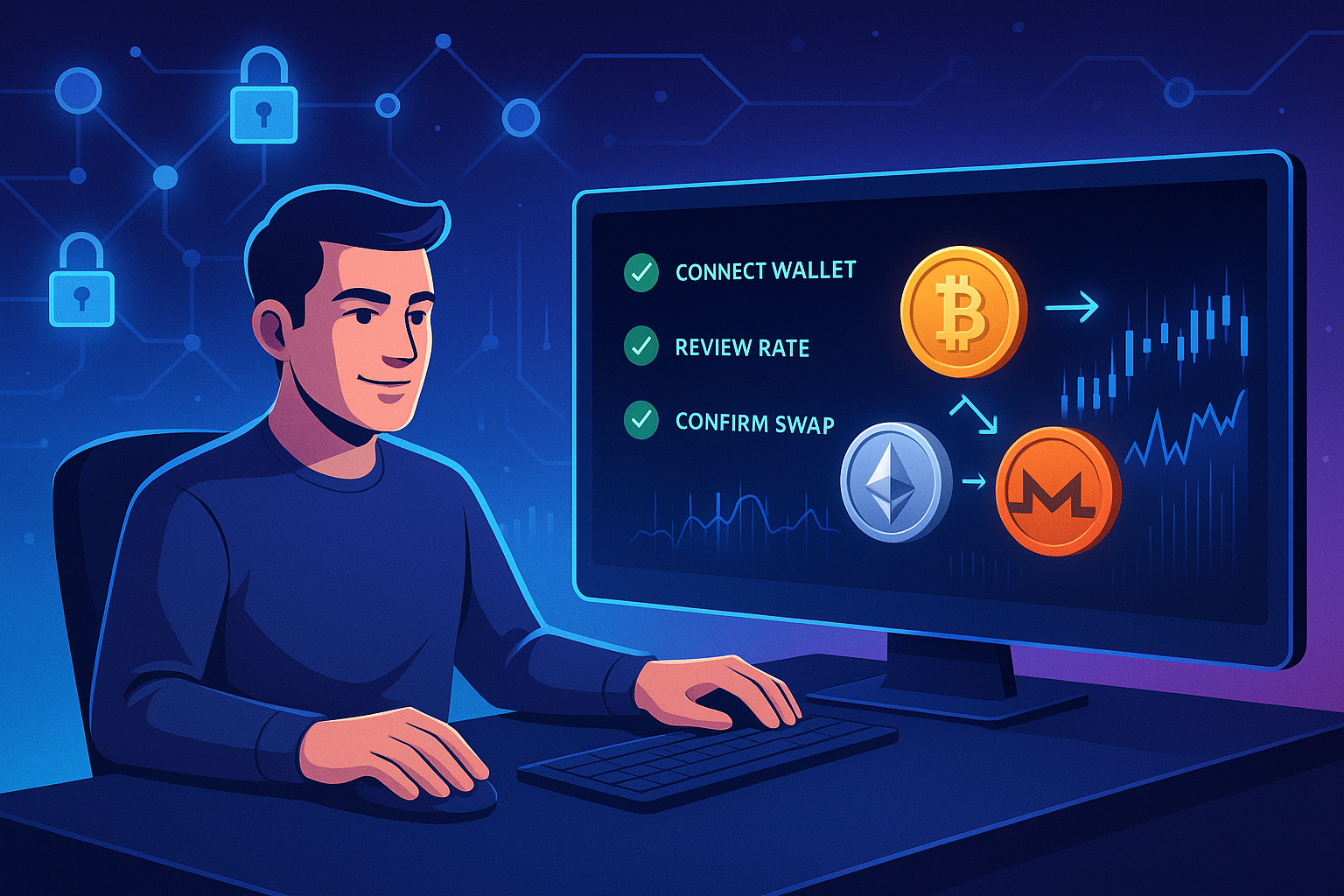
Below is a practical, repeatable workflow you can use each time you swap. You can adapt it whether you use a centralized exchange, a DEX, or a private exchange guide for non-custodial swaps.
Step 1: Decide your swap method
Start by choosing the type of platform that fits your goals:
- Centralized exchange (CEX) if you:
- Are comfortable with KYC and custody risk.
- Need access to specific trading pairs or fiat on/off ramps.
- Prefer a simple, familiar interface.
- Decentralized exchange (DEX) if you:
- Want more control over your keys.
- Are comfortable using Web3 wallets.
- Can handle variable gas fees and on-chain transaction management.
- Non-custodial swap service / aggregator if you:
- Prefer a hybrid approach where you keep custody.
- Want to route trades across multiple liquidity sources.
- Value privacy and minimal account creation.
Step 2: Verify the platform and URL
Before you connect your wallet or log in:
- Type the URL manually or use a trusted bookmark.
- Check for HTTPS and correct domain spelling.
- Cross-check links only from official sources such as:
- The project’s verified X (Twitter) account.
- Official documentation or GitHub repositories.
- Reputable crypto data sites that list official links.
Never click “swap” links from random DMs, unofficial Telegram channels, or email newsletters you cannot verify.
Step 3: Configure and secure your wallet
If you are using a self-custodial wallet (browser extension, mobile, hardware wallet):
- Ensure your recovery phrase is backed up offline and never typed into websites.
- Use a hardware wallet for higher-value swaps.
- Create a separate “hot” wallet for routine swaps and keep only limited funds there.
- Confirm you are on the correct network (Ethereum, BNB Chain, Polygon, etc.) before connecting.
On centralized exchanges, secure your account by:
- Enabling 2FA with an authenticator app, not just SMS.
- Setting up withdrawal address whitelists when available.
- Using strong unique passwords stored in a password manager.
Step 4: Double-check the token and network
Many scams rely on fake tokens that mimic popular coins with similar names or tickers. To avoid this:
- Verify the token contract address from an official source.
- Ensure the contract you see in the DEX matches that address exactly.
- Confirm that you are on the right chain for that token (for example, USDT exists on several networks but each has its own contract).
On centralized exchanges, ensure you are selecting the correct asset and the correct deposit or withdrawal network before you move funds in to do your swap.
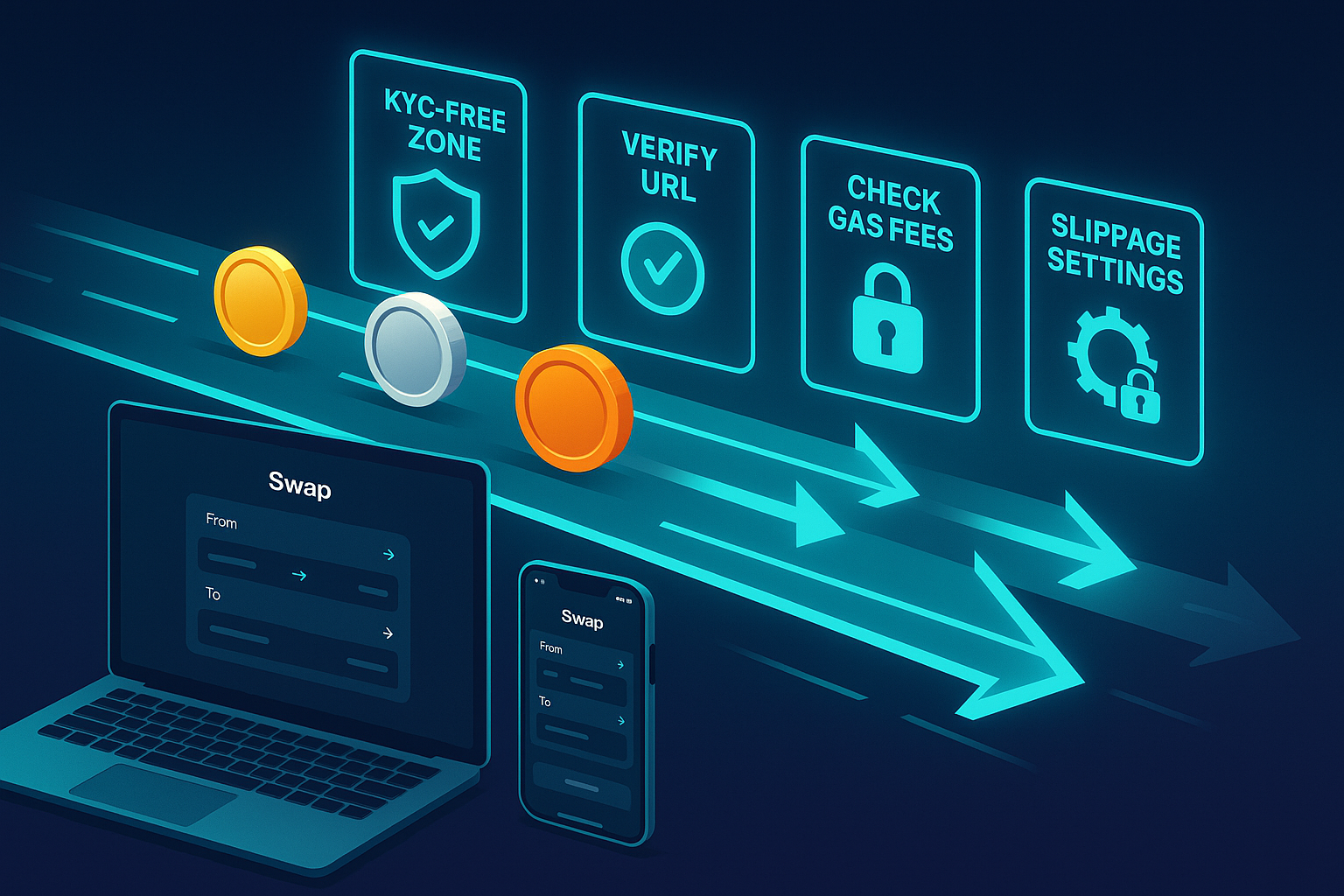
Step 5: Review price, slippage, and fees
Before confirming your swap:
- Compare the quoted price with another platform or aggregator.
- Check the slippage tolerance setting:
- Use a lower value for large or illiquid trades to avoid bad fills.
- Increase slightly if the transaction keeps failing due to volatility.
- Verify network gas fees and how they affect the total cost.
Remember that “zero trading fee” does not mean the swap is free. You still pay for gas on-chain, spreads, and potentially MEV-related price impacts.
Step 6: Start with a small test swap
If this is your first swap on a platform or first time interacting with a smart contract:
- Send or swap a small amount first.
- Check the transaction on the block explorer to confirm:
- The contract and recipient addresses are what you expect.
- The tokens you received match the correct contract.
- The amount received lines up with the quote.
Once you have confirmed that everything works as expected, you can execute your full-sized swap with greater confidence.
Step 7: Manage token approvals
On DEXs and non-custodial swapping services, you typically need to “approve” a token so the smart contract can spend it on your behalf. To stay safe:
- Avoid granting unlimited approvals whenever possible.
- Use “custom spend limits” if your wallet supports them.
- Periodically review and revoke old approvals using reputable tools if you no longer use certain dApps.
The risk is that a compromised contract with broad approvals can drain more tokens than you intend to swap.
Step 8: Confirm settlement and move funds to safer storage
After swapping:
- Verify the final balance of the token you received in your wallet or on the exchange.
- If this was a larger swap, consider moving the resulting funds to:
- A hardware wallet, for long-term storage.
- A separate cold wallet with minimal dApp interaction.
- Record important details for your own tracking:
- Transaction hashes.
- Swap amounts and dates for tax or portfolio records.
Practical Tips for Safer Crypto Swaps
Beyond the basic steps, there are several best practices that will keep your swapping activities safer over time.
1. Keep software and firmware up to date
- Update your wallet apps and browser extensions regularly.
- Install firmware updates on your hardware wallet from official sources only.
- Use the latest version of reputable browsers, avoiding random plugins that could inject malicious scripts.
2. Separate devices and accounts
- Use a dedicated browser profile for crypto-related activity.
- If possible, keep a separate device for wallet management and higher-value swaps.
- Avoid logging in to your exchange accounts from public or shared computers.
3. Treat customer support carefully
- Legitimate teams will never ask for your seed phrase or full private keys.
- Do not follow “support” links sent via unsolicited DMs or comments.
- Only contact support through the official website or verified accounts.
4. Monitor approval and transaction history
- Regularly review your token approvals and revoke unneeded ones.
- Check your wallet transaction history for any unexpected activity.
- Use a block explorer to verify details if something looks off.
5. Learn the basics of on-chain analytics
You do not need to be an expert, but getting comfortable with:
- Reading transactions on Etherscan or similar explorers.
- Checking liquidity and volume for tokens on DEX analytics sites.
- Looking for red flags like extremely concentrated token holdings.
These skills help you avoid illiquid or suspicious tokens and better understand the real risks of a given swap.
6. Choose transparent, non-custodial tools when possible
Non-custodial swapping solutions let you retain control of your keys while reducing reliance on centralized exchanges. When evaluating such a service, look for:
- Clear documentation on how swaps are executed and routed.
- No requirement to share your seed phrase or private key.
- Support for direct wallet-to-wallet swaps without custody.
- Audits or public security reviews where available.
Using a privacy-conscious, non-custodial tool that aligns with these principles can significantly improve how safely you navigate the day-to-day reality of crypto trading.
Conclusion: Safe Swapping Is a Skill You Can Build
Knowing how to swap crypto safely is less about memorizing one “perfect” platform and more about developing a repeatable set of checks you apply every time you trade. Verify the URL, choose the right type of platform, double-check networks and token contracts, run test swaps, manage approvals, and move larger balances back into safer storage as soon as practical.
As you gain experience, these steps will become second nature and you will be able to move between centralized exchanges, DEXs, and non-custodial services with confidence. When in doubt, take the extra time to cross-check information and favor solutions that give you control over your keys and data. Resources that explain how to handle a non-custodial swap from start to finish can also help you refine your personal process.
The crypto landscape will keep evolving, but the core principles of safe swapping remain the same: verify everything, minimize trust, and protect your keys. Follow these guidelines consistently and you will be well positioned to enjoy the benefits of crypto trading while keeping your risk under control.
Ready to Swap?
Convert your crypto instantly on GhostSwap — no KYC, no sign-up required.
Popular swaps: BTC to XMR | BTC to ETH | XMR to BTC | ETH to XMR | BTC to SOL