How to Buy Monero Without ID in 2025: A Practical, Privacy‑Focused Guide
Introduction
Monero (XMR) has earned a reputation as one of the most privacy‑focused cryptocurrencies in the market. Unlike Bitcoin and many other coins with transparent blockchains, Monero is designed to obscure transaction amounts, senders, and receivers by default. Because of this, many people specifically look for ways to buy Monero without ID to maintain a high level of financial privacy.
In a world of constant data leaks, tightening regulations, and aggressive tracking by analytics firms, it is understandable that users might prefer to avoid handing over passports, driver licenses, or facial scans just to obtain a privacy coin. Non‑custodial services that allow you to buy monero without id using swaps from other cryptocurrencies have become a popular alternative to traditional KYC exchanges.
This guide explains why people care about buying XMR without ID, the benefits and tradeoffs, and how to do it step by step using practical, realistic methods. It is written for informational purposes and does not constitute legal, tax, or investment advice. Always check the rules in your jurisdiction before using any service.
Why Buying Monero Without ID Matters
Privacy in finance is not automatically about wrongdoing. In many cases, it is about:
- Protecting yourself from identity theft and data breaches
- Preventing corporations from building invasive financial profiles
- Avoiding unjustified financial surveillance
- Maintaining basic personal security in unstable political or economic environments
Traditionally, to buy cryptocurrency you register on a centralized exchange and complete Know Your Customer (KYC) checks that require your name, address, selfie photos, and government ID. That dataset is stored, copied, and often shared with third‑party providers. If that exchange is hacked, all of your sensitive information can leak at once.
When you buy Monero without ID using non‑custodial swap services or peer‑to‑peer methods, you significantly reduce the amount of personal data stored by intermediaries. This is closely aligned with Monero’s design philosophy: minimizing the amount of information shared on chain and off chain.
Benefits of Buying Monero Without ID
1. Enhanced Privacy
The most obvious benefit is privacy. When you do not upload an ID or link your legal name to an account, there is less data that can be:
- Linked to your on‑chain transactions
- Sold to marketing and analytics firms
- Requested by third parties through data‑sharing agreements
- Exposed in a data breach or phishing campaign
Monero’s on‑chain privacy features combined with off‑chain privacy practices strengthen your overall anonymity set.
2. Lower Identity Theft Risk
Uploading an ID and selfie to multiple exchanges increases your attack surface. If just one platform is compromised, your documents can be reused by bad actors for:
- Account takeovers on other services
- Social engineering scams
- Fake KYC registrations elsewhere
By choosing to buy Monero without ID, you avoid creating more copies of your most sensitive personal data in third‑party databases.
3. Faster Access and Less Friction
Traditional KYC onboarding can take hours or even days when verification queues are backed up. Non‑KYC options are typically faster:
- No waiting for approval emails
- No rejected selfies or “document too blurry” errors
- No need to disclose your employment or income sources
This can be particularly helpful if you are responding to market volatility or need to move funds quickly for personal reasons.
4. Censorship Resistance and Financial Autonomy
KYC accounts are easier to freeze, limit, or close. If an exchange dislikes your country, your profession, or your transaction history, it may restrict your usage.
When you use non‑custodial tools and retain control of your private keys, third parties have less direct control over your access to Monero, as long as your actions comply with applicable law.
Risks and Drawbacks to Consider
Privacy comes with tradeoffs. Buying Monero without ID is not automatically “better” for everyone. Understanding the risks helps you make a more informed decision.
1. Regulatory and Legal Considerations
Laws vary by country and can change over time. Some jurisdictions may have specific requirements for crypto purchases, reporting thresholds, or anti‑money‑laundering rules.
- You are responsible for understanding local regulations.
- Using non‑KYC methods does not exempt you from tax or reporting obligations.
- Authorities may still obtain information via network analysis, service providers, or on‑chain activity, depending on how you transact.
If in doubt, consult a qualified professional who understands cryptocurrency law in your region.
2. Counterparty Risk and Scams
Some ways of buying without ID, especially peer‑to‑peer (P2P) trades, carry heightened risk:
- Payment reversals in certain fiat methods
- Fake payment proofs from counterparties
- Fraudulent websites that imitate legitimate services
To mitigate risk, you should:
- Use reputable non‑custodial swap services with a transparent track record
- Avoid sending crypto or fiat to strangers without escrow or strong reputation systems
- Verify website URLs carefully and avoid links from random messages or forums
3. Higher Fees or Slippage
Non‑KYC options may involve:
- Higher service fees compared to large centralized exchanges
- Wider spreads between buy and sell prices
- Extra network fees for moving funds between wallets and chains
Privacy and convenience often come at a cost. When you calculate your total position, include swap fees, network fees, and any spreads.
4. Limits on Purchase Size or Payment Methods
Non‑KYC services may restrict:
- Maximum purchase amounts per transaction
- Total volume within a given time period
- Specific payment options (e.g., some may only accept crypto‑to‑crypto swaps)
If you intend to buy substantial amounts of Monero, verify the limits of each service you plan to use and break up transactions if needed, while being mindful of extra fees.
How to Buy Monero Without ID: Main Methods
There are several ways to buy XMR without submitting an ID. The right choice for you depends on whether you currently hold other crypto, your location, and your risk tolerance.
Method 1: Crypto‑to‑Crypto Swaps (Non‑Custodial)
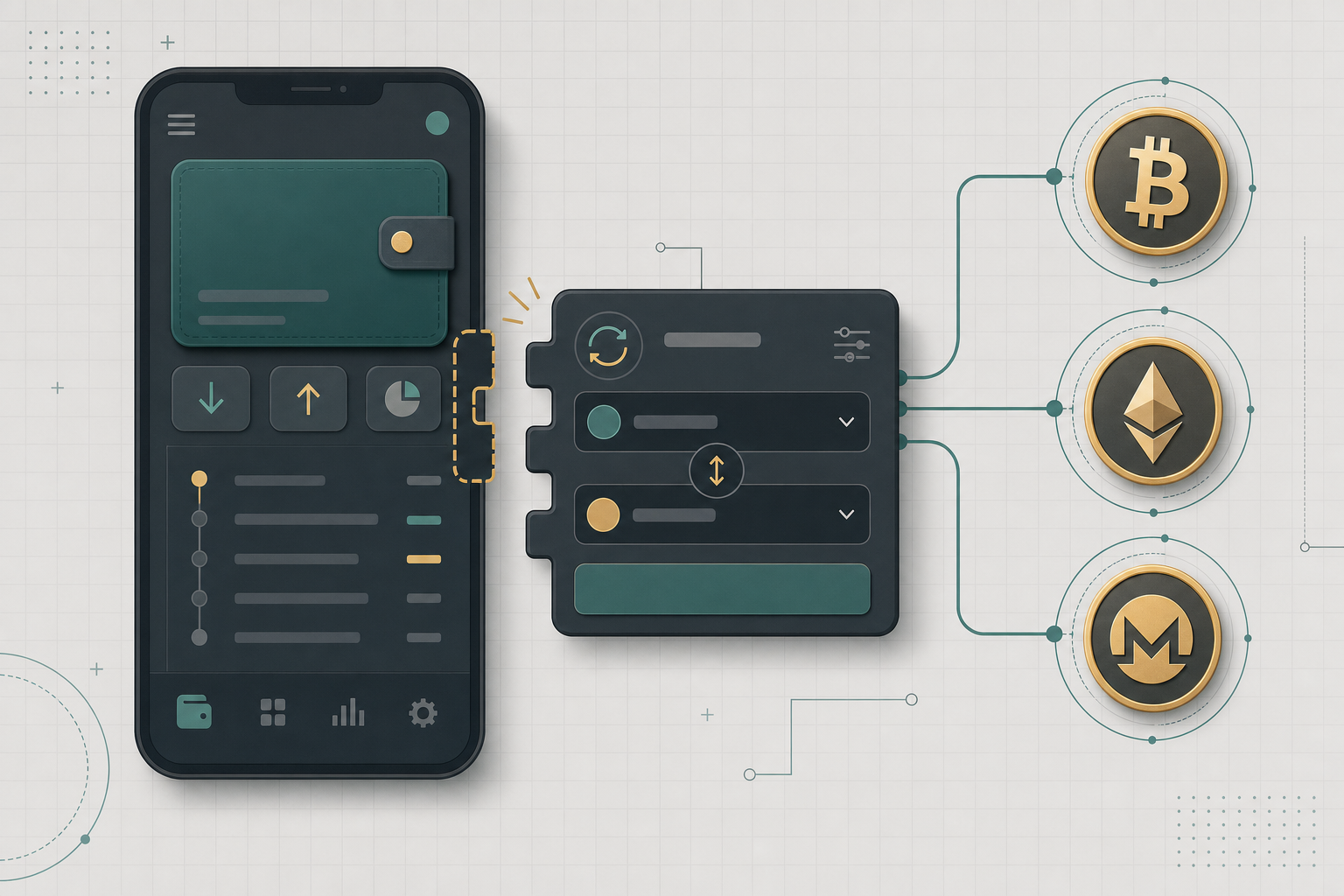
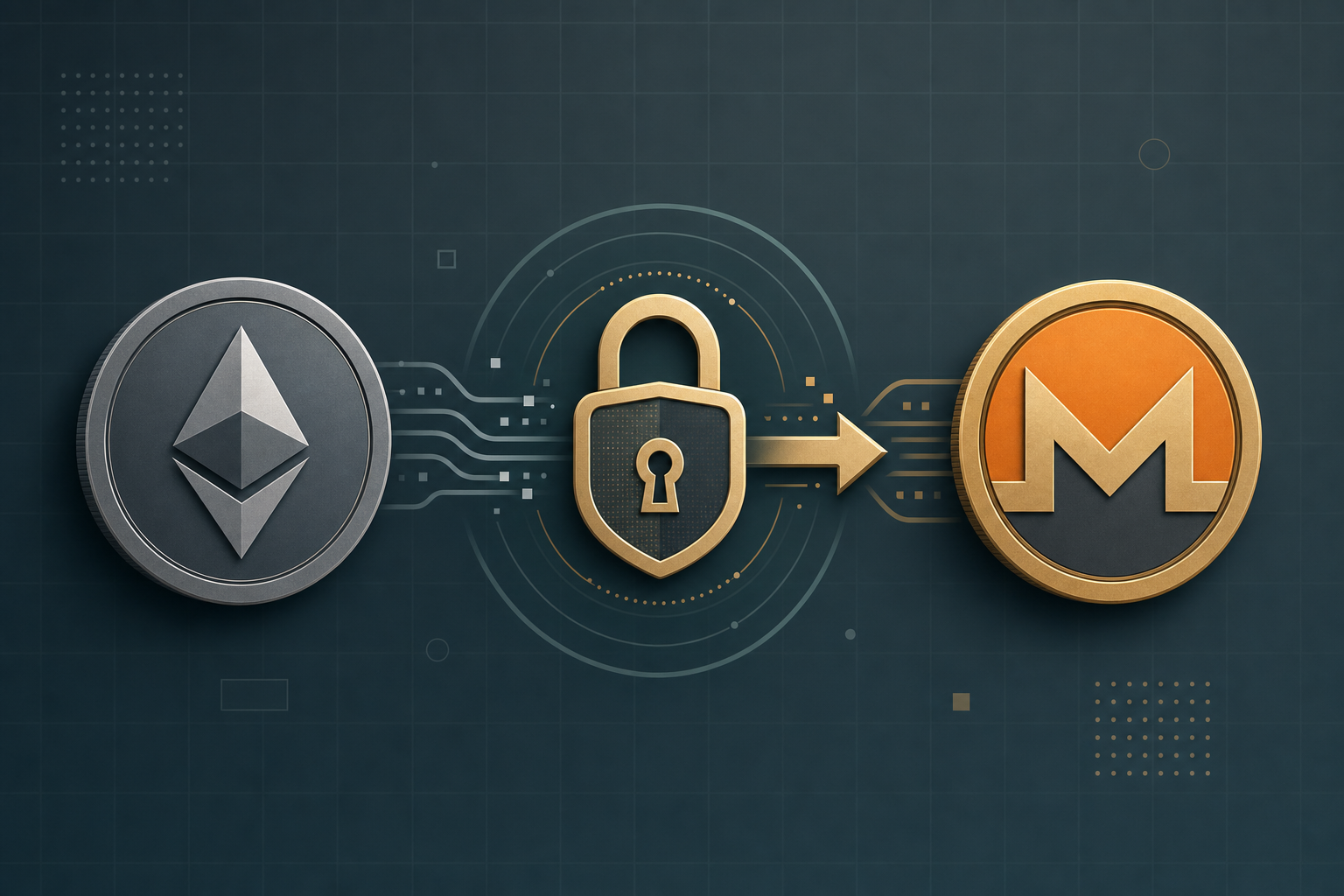
If you already own other cryptocurrencies such as Bitcoin, Ethereum, or stablecoins, using a non‑custodial swap is usually the cleanest approach. These services allow you to send one crypto and receive another directly into your own wallet without creating a custodial account.
Typically, you simply provide a Monero receive address, send the input coin, and wait for the swap. Many platforms focus on privacy and do not ask for registration or identity verification for standard volumes. A privacy‑conscious user may choose a private exchange that lets you swap crypto instantly without creating an account or uploading sensitive documents.
Method 2: Peer‑to‑Peer (P2P) Marketplaces
P2P platforms connect buyers and sellers directly. You can negotiate:
- Price in your preferred fiat currency
- Payment methods (bank transfer, cash deposit, cash in person, etc.)
- Trade limits and timing
Some P2P services require ID, especially for fiat gateways. Others allow limited trading with minimal information, relying on reputations, escrow systems, and chat to facilitate transactions. Always verify platform rules and local law.
Method 3: Local Meetups and Cash Trades
In some regions, people arrange in‑person trades at meetups or via local forums. Cash trades can, in theory, avoid ID entirely, but they raise significant safety and legal concerns:
- Personal security risks when carrying cash
- Difficulty verifying authenticity of banknotes
- Lack of recourse if something goes wrong
This method is generally not recommended unless you have extensive experience and a trusted network.
Method 4: Crypto ATMs (Where Available)
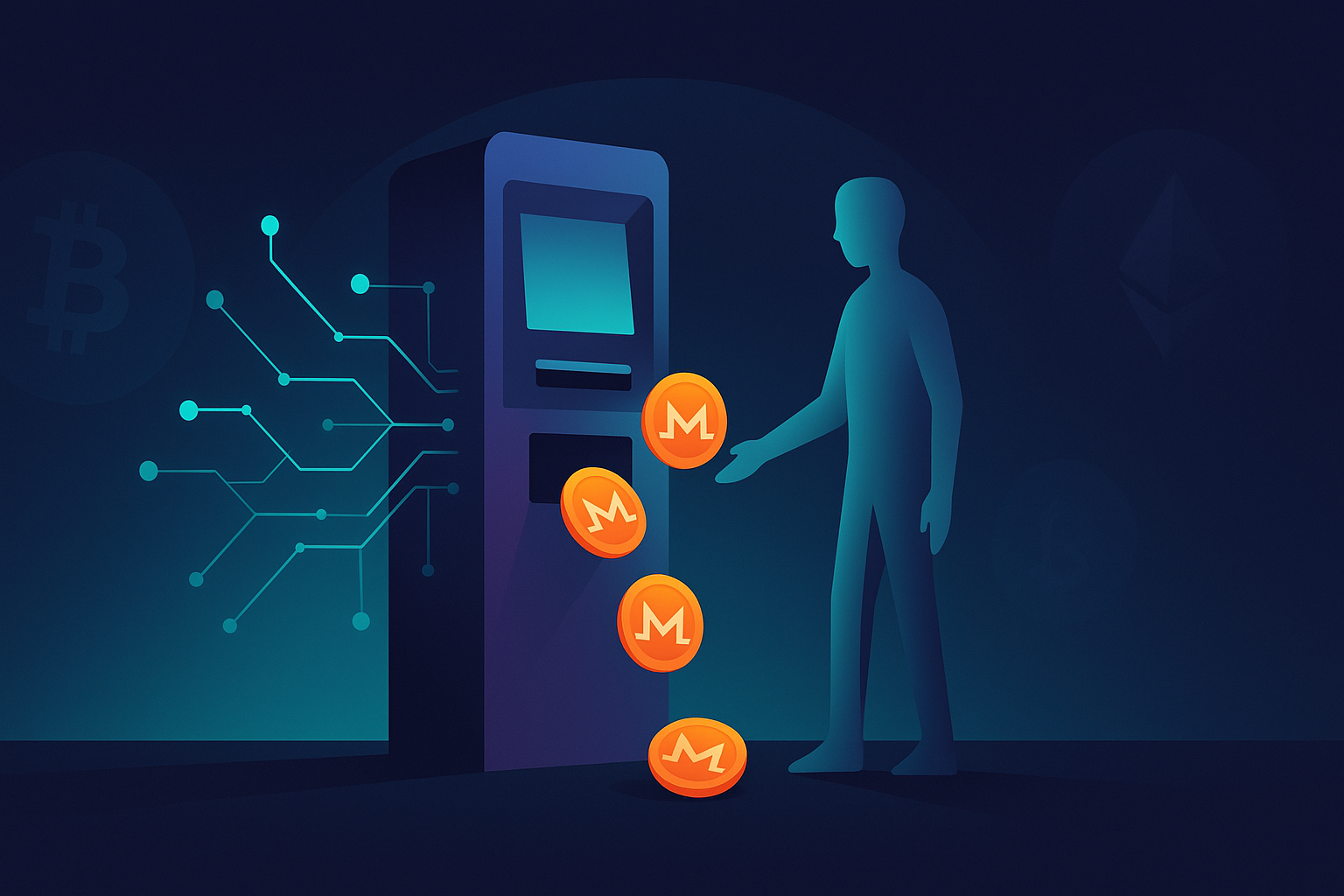
Some crypto ATMs allow you to buy XMR with cash. Depending on your country and the operator’s rules, small purchases may be possible with minimal or no ID, while larger purchases often trigger KYC requirements.
Before using an ATM, check:
- What identification, if any, is required for the amount you intend to buy
- Which coins are supported (not all ATMs offer Monero)
- Fees and spreads, which can be significant
Step‑by‑Step Guide: Buy Monero Without ID via Non‑Custodial Swap
For many users, swapping from another cryptocurrency into Monero is the simplest and most privacy‑respecting approach. Below is a general step‑by‑step guide. The exact interface will vary by service, but the process is similar.
Step 1: Set Up a Monero Wallet
Before acquiring any XMR, you need a wallet where you control the private keys. Options include:
- Official Monero GUI/CLI wallet for desktops
- Reputable mobile Monero wallets maintained by established teams
- Hardware wallets that support Monero, for stronger key isolation
When you create your wallet:
- Write down your seed phrase on paper and store it securely offline
- Never share your seed or private keys with anyone
- Consider using a strong password for local encryption of the wallet file
Step 2: Obtain Some Other Cryptocurrency (If Needed)
If you do not already hold crypto, you will need to purchase an initial asset such as BTC, ETH, or USDT. Depending on your jurisdiction, this may require a KYC process at a centralized exchange or a local on‑ramp. That initial step is sometimes unavoidable for fiat‑to‑crypto entry.
From a privacy standpoint, using a smaller, reputable service with limited required data or low‑volume cash‑based options can reduce how much of your identity is linked to your on‑chain activity, but it rarely eliminates it completely when moving from fiat.

Step 3: Choose a Non‑Custodial Swap Service
Next, choose a service that allows you to swap your existing crypto for XMR without creating a custodial account or submitting ID. When evaluating a platform, look at:
- Transparency of fees and exchange rates
- Reputation and track record in the crypto community
- Support for Monero and the coins you hold
- Whether it requires registration or personal information for the volumes you intend to use
Some platforms present a simple wizard where you select the input coin and output coin, specify the amount, and provide a destination XMR address. A service that focuses on being a non‑custodial swap for private users can help you exchange coins without creating yet another centralized account.
Step 4: Prepare Your Monero Receive Address
Open your Monero wallet and locate the receive section. You will typically see:
- Your main standard address
- Optional subaddresses for organizational privacy
- An integrated address option in some cases
For non‑custodial swaps, subaddresses are often recommended, as they can help you logically separate incoming funds. Copy your chosen receive address carefully and double‑check the first and last characters.
Step 5: Initiate the Swap
On the swap platform:
- Select the cryptocurrency you are sending (e.g., BTC) and Monero (XMR) as the coin you want to receive.
- Enter the amount of the coin you are sending or the amount of XMR you want to receive.
- Paste your Monero receive address.
- Review the estimated rate, service fee, and any minimum amount requirements.
- Confirm the details to generate a deposit address for the coin you are sending.
Step 6: Send Your Crypto to the Provided Address
From your wallet or exchange where your initial crypto is stored:
- Send the exact amount requested to the deposit address shown by the swap service.
- Double‑check network selection (e.g., Bitcoin mainnet vs an unrelated chain).
- Confirm the destination address carefully to avoid phishing or clipboard hijacking.
Depending on the network, you may need to wait for one or more confirmations. The swap platform will usually show the status of your transaction.
Step 7: Receive Monero in Your Wallet
Once the swap completes, your Monero will arrive in the wallet address you provided. You might see the transaction first as “pending” then as fully confirmed, depending on your wallet’s interface.
At this point, you have successfully bought Monero without providing ID directly to the swap service. Your next priority should be secure storage and thoughtful transaction practices.
Practical Privacy and Security Tips
1. Use Fresh Addresses and Subaddresses
Monero’s design already adds strong privacy, but you can improve your hygiene by:
- Using new subaddresses for different counterparties or services
- Avoiding unnecessary address reuse in public contexts
This can help reduce correlations based on off‑chain metadata, especially if you interact with less private systems.
2. Protect Your Network Metadata
Even if you buy Monero without ID, your IP address and device fingerprints may still leak data. Consider:
- Using a reputable VPN when accessing swap services or wallets
- Keeping your operating system and browser up to date
- Avoiding shared or compromised devices for sensitive transactions
3. Watch for Phishing and Fake Websites
Attackers routinely clone popular crypto services to steal funds. To reduce this risk:
- Type URLs yourself rather than clicking random links
- Bookmark official sites you use frequently
- Inspect certificates and domains for small spelling differences
4. Maintain Good Operational Security (OpSec)
Privacy is a habit, not a single action. Examples of good OpSec include:
- Not publicly posting your transaction details or addresses linked to your real identity
- Keeping backups of seed phrases offline and in multiple safe locations
- Using strong, unique passwords and a password manager
- Enabling 2FA on any related services that offer it
5. Stay Informed About Changing Rules
Regulatory environments for crypto evolve quickly. Services that allow certain activity today might change their policies tomorrow. Periodically check:
- Service terms of use and any new KYC thresholds
- Your local legal and tax obligations related to crypto
- Community feedback on the platforms you rely on
Conclusion
Buying Monero without ID is possible in many scenarios, especially if you already hold other cryptocurrencies and are willing to use non‑custodial swap tools. By carefully choosing reputable services, setting up a secure Monero wallet, and following good privacy practices, you can obtain XMR while minimizing the amount of personal information tied to your transactions.
This approach is not without tradeoffs. You must consider legal obligations, be vigilant about scams, and accept potentially higher fees or limits. For users who prioritize financial privacy and data minimization, however, these tradeoffs are often worthwhile.
If you decide that a non‑custodial route fits your needs, a private exchange that supports instant crypto swaps can be a practical way to move from more transparent coins into Monero while reducing your exposure to extensive KYC databases.
Ultimately, privacy is a spectrum, not an on/off switch. Combining Monero’s on‑chain privacy with thoughtful off‑chain behavior helps you move closer to the level of anonymity and autonomy you are aiming for, while staying aligned with the rules that apply in your jurisdiction.
Ready to Swap?
Convert your crypto instantly on GhostSwap — no KYC, no sign-up required.
Popular swaps: BTC to XMR | BTC to ETH | XMR to BTC | ETH to XMR | BTC to SOL