Instant Crypto Swap: The Fast Way to Trade Digital Assets
Introduction
In an industry that moves at the speed of the internet, waiting hours—or even minutes—for a trade to finalize can be costly. That’s where the concept of an instant crypto swap comes in. Instead of placing orders on a traditional exchange, you can quickly exchange one cryptocurrency for another in a single, streamlined transaction.
Modern swap platforms, such as GhostSwap, make it possible to trade across multiple chains, minimize friction, and avoid complex order books altogether. This has major implications for both everyday users and professional traders who value speed, simplicity, and privacy.
This guide explains what instant crypto swaps are, why they matter, how they work, and what you should watch out for before using them. You’ll also find a practical, step‑by‑step walkthrough and tips to keep your trades efficient and secure.
Why Instant Crypto Swap Matters
The idea of instantly exchanging crypto assets without going through a centralized order book is more than just convenience—it changes how users interact with the entire ecosystem. Here’s why it matters:
1. Markets Move Fast
Crypto markets are notoriously volatile. Prices can swing in seconds, and delays of just a few minutes may result in significantly worse rates. An instant crypto swap helps you:
- Respond to market news quickly
- Lock in a price window without long confirmation delays
- Avoid losing opportunities due to exchange or network congestion
2. Lower Friction for Everyday Users
Most people don’t want to manage complex order types, navigate deep trading terminals, or move funds across multiple centralized exchanges. Instant swap tools streamline this process by:
- Connecting directly with your wallet
- Abstracting away order books and pairs
- Handling routing and aggregation in the background
The user experience becomes closer to “I have Token A; I want Token B; swap now.”
3. Less Reliance on Centralized Exchanges
Traditional exchanges require:
- Account registration and personal data (KYC)
- Deposits and withdrawals that can be delayed or frozen
- Custody of your assets by a third party
With an instant crypto swap tool built on decentralized protocols, you retain custody in your own wallet and reduce exposure to a single, centralized point of failure.
Key Benefits of Instant Crypto Swap
Using an instant swap platform offers multiple advantages beyond speed. Below are the most important benefits you should understand.
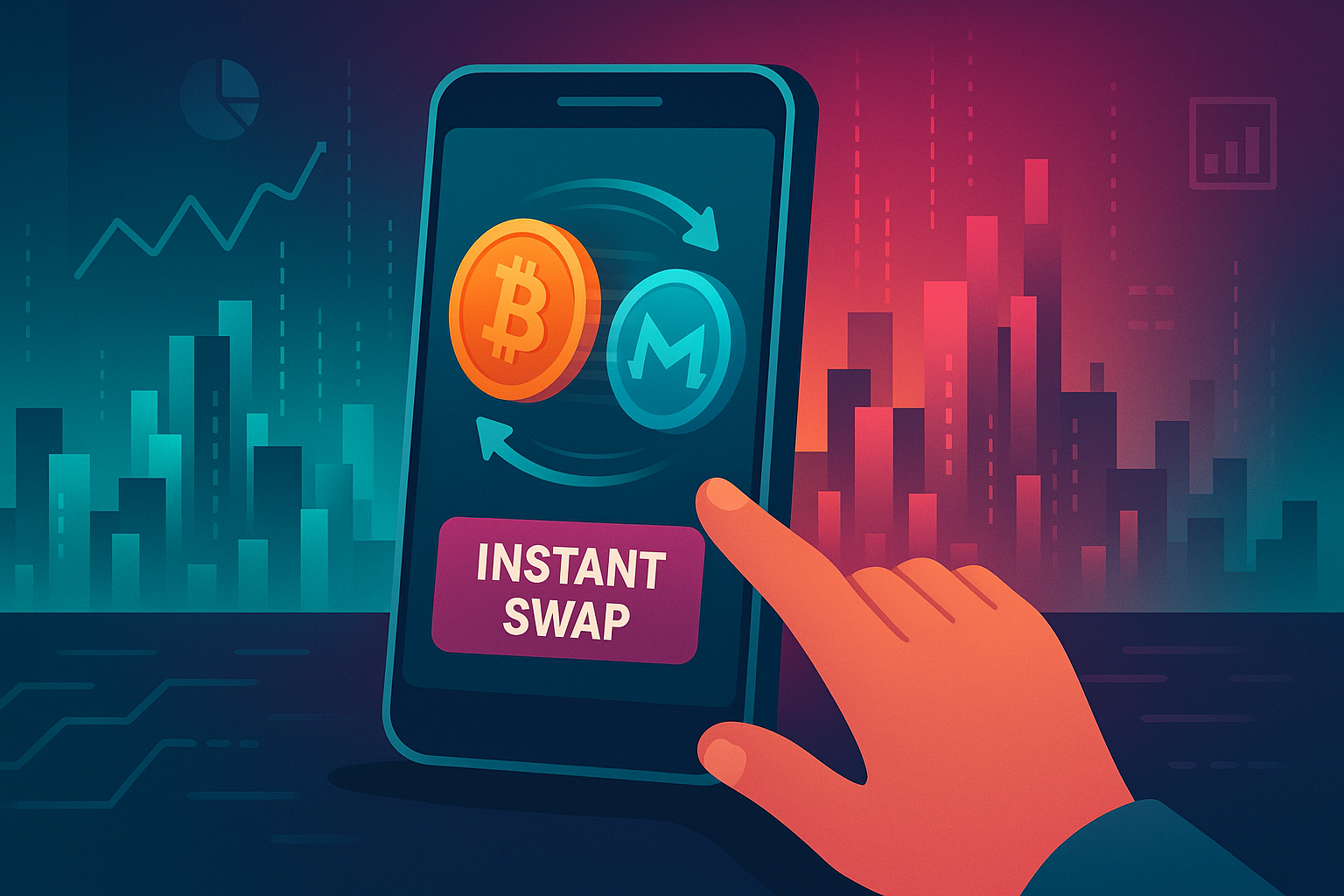
1. Speed and Convenience
The core advantage is in the name: instant. Instead of:
- Depositing funds into an exchange
- Waiting for confirmations
- Placing an order and waiting for a match
- Withdrawing funds to your wallet
you can perform a swap directly from your wallet in one flow. Many platforms coordinate routing, slippage limits, and gas fees automatically.
2. Non‑Custodial Control
On non‑custodial swap services, your private keys never leave your wallet. You:
- Sign transactions locally
- Approve only the specific tokens and amounts you intend to trade
- Avoid depositing everything into a centralized hot wallet
This aligns with crypto’s core principle: “Not your keys, not your coins.”
3. Access to Multiple Chains and Assets
Many instant swap solutions support:
- Multiple EVM networks such as Ethereum, BNB Chain, Polygon, and others
- Wrapped assets that represent tokens from other ecosystems
- Cross‑chain routes via bridges and liquidity networks
This cross‑chain access enables you to move value across ecosystems quickly—for example, swapping a token on one chain and receiving an equivalent on another (depending on the platform’s capabilities).
4. Better UX for Newcomers
Order books, maker/taker fees, and advanced charts can be intimidating. Instant swap interfaces typically show:
- “From” token, “To” token
- Estimated rate
- Network fee (gas)
- Slippage settings
That’s enough for most retail users to participate confidently without needing trading expertise.
5. Potentially Better Aggregated Rates
Some swap engines act as aggregators, searching multiple decentralized exchanges and liquidity pools to find the best route. This can mean:
- Splitting your trade across multiple pools
- Routing via intermediate tokens to minimize slippage
- Tapping into cross‑chain liquidity where supported
While not guaranteed to beat every individual venue on every trade, this routing logic often yields more competitive outcomes than manually hopping from DEX to DEX.
Risks and Drawbacks of Instant Crypto Swap
No financial tool is risk‑free. Instant swap platforms reduce some frictions but introduce their own trade‑offs. Before sending funds, be aware of the following.
1. Smart Contract and Platform Risk
Non‑custodial swaps depend on smart contracts, bridges, and routing logic. Possible issues include:
- Contract vulnerabilities: Bugs can lead to loss of funds or unexpected behavior.
- Bridge exploits: Cross‑chain mechanisms are historically high‑value targets.
- Centralized components: Some routes may depend on off‑chain services or permissions.
Mitigation steps include using audited platforms, reviewing security disclosures, and avoiding unreasonably high‑yield or obscure tokens.
2. Slippage and Price Impact
On‑chain swaps are subject to:
- Slippage: The difference between the expected price and the executed price.
- Price impact: Large trades move the price in low‑liquidity pools.
- MEV and sandwich attacks: Sophisticated bots can front‑run or rearrange transactions when possible.
Most interfaces allow you to set a maximum allowable slippage. If the market moves beyond that tolerance before confirmation, the swap will fail rather than execute at a worse price.
3. Network Congestion and Fees
Instant swaps are only as fast as the underlying network. On busy chains:
- Gas fees can spike dramatically
- Transactions may be delayed or stuck in mempools
- Your “instant” swap might take several minutes to finalize
This is especially important if you are reacting to rapid market moves—network congestion can undermine the main benefit of speed.
4. Limited Fiat On‑Ramp / Off‑Ramp
Most instant crypto swap tools operate entirely within the crypto ecosystem. They are not designed to:
- Convert your bank balance directly to crypto
- Send proceeds back to your bank account
You typically still need a separate on‑ramp/off‑ramp (e.g., an exchange or regulated payment provider) to move between fiat and crypto.
5. Regulatory and Compliance Considerations
Depending on your jurisdiction, using certain tokens, bridges, or protocols might carry regulatory implications. While non‑custodial tools generally do not hold your funds, authorities may still have rules concerning:
- Sanctioned wallets or assets
- Tax reporting obligations for each trade
- Use of privacy‑enhancing tools
Always consult the regulations applicable in your country or region.
Step‑by‑Step Guide: How to Use an Instant Crypto Swap
The exact user interface will vary by platform, but the overall process is similar. Below is a generalized step‑by‑step walkthrough you can adapt to most services.
Step 1: Choose a Reliable Swap Platform
Start by selecting an established instant swap service that:
- Supports the networks and tokens you need
- Has transparent documentation and security information
- Is widely used or recommended by reputable communities
Check for audits where available, read reviews, and inspect the contracts on a blockchain explorer if you have the expertise.
Step 2: Connect Your Wallet
Most instant crypto swap tools connect directly to Web3 wallets such as:
- MetaMask
- Trust Wallet
- Ledger or Trezor (via browser integration)
- WalletConnect-compatible wallets
When prompted:
- Open your wallet extension or app.
- Confirm the connection request in your wallet.
- Ensure you are on the correct network (e.g., Ethereum, BNB Chain, Polygon).
Step 3: Select the Tokens and Network
On the swap interface:
- Choose the token you want to swap from (e.g., USDT).
- Choose the token you want to receive to (e.g., ETH).
- Confirm you are on the correct blockchain network for both assets or a supported cross‑chain route.
The platform should display the estimated rate and any associated network or service fees.
Step 4: Review the Quote and Slippage Settings
Before you proceed:
- Check the estimated amount you will receive.
- Review the exchange rate relative to current market prices.
- Adjust the slippage tolerance if available (e.g., 0.5%–2%, depending on liquidity).
If the rate seems unusually poor compared to market averages, consider reducing the trade size or waiting for better liquidity or lower fees.
Step 5: Approve Token Spending (If Required)
For ERC‑20 and similar tokens, you must grant the swap contract permission to spend them on your behalf. This is a separate transaction:
- Click “Approve” or equivalent in the interface.
- Confirm the approval transaction in your wallet.
- Wait for it to be mined on the blockchain.
Whenever possible, set a sensible approval limit (only the amount you need or a reasonable buffer), rather than “unlimited” approvals.
Step 6: Execute the Swap
Once the token approval (if required) is confirmed:
- Click “Swap” or “Confirm” in the interface.
- Review the final details presented by your wallet—amounts, gas fee, and destination.
- Sign and send the transaction.
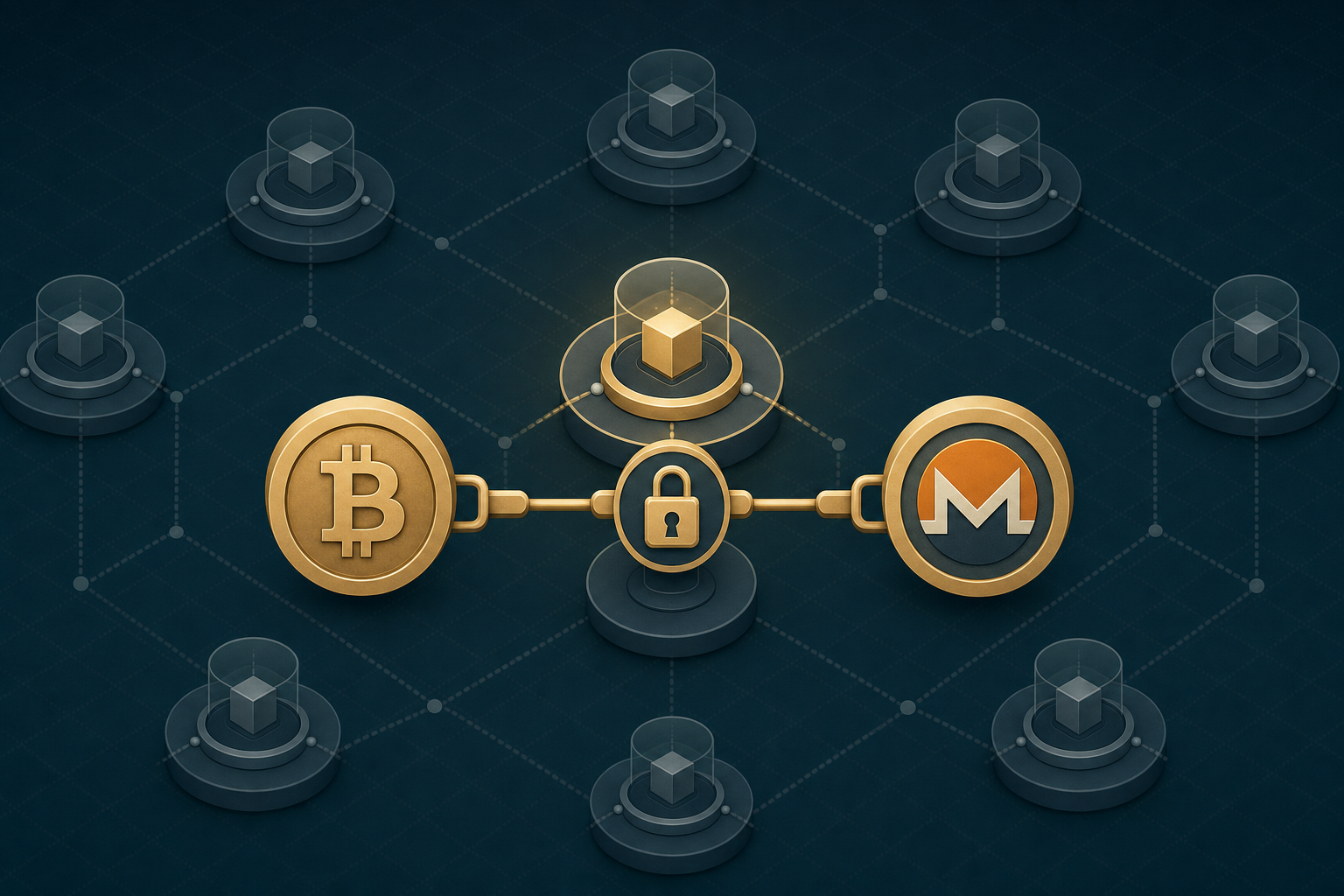
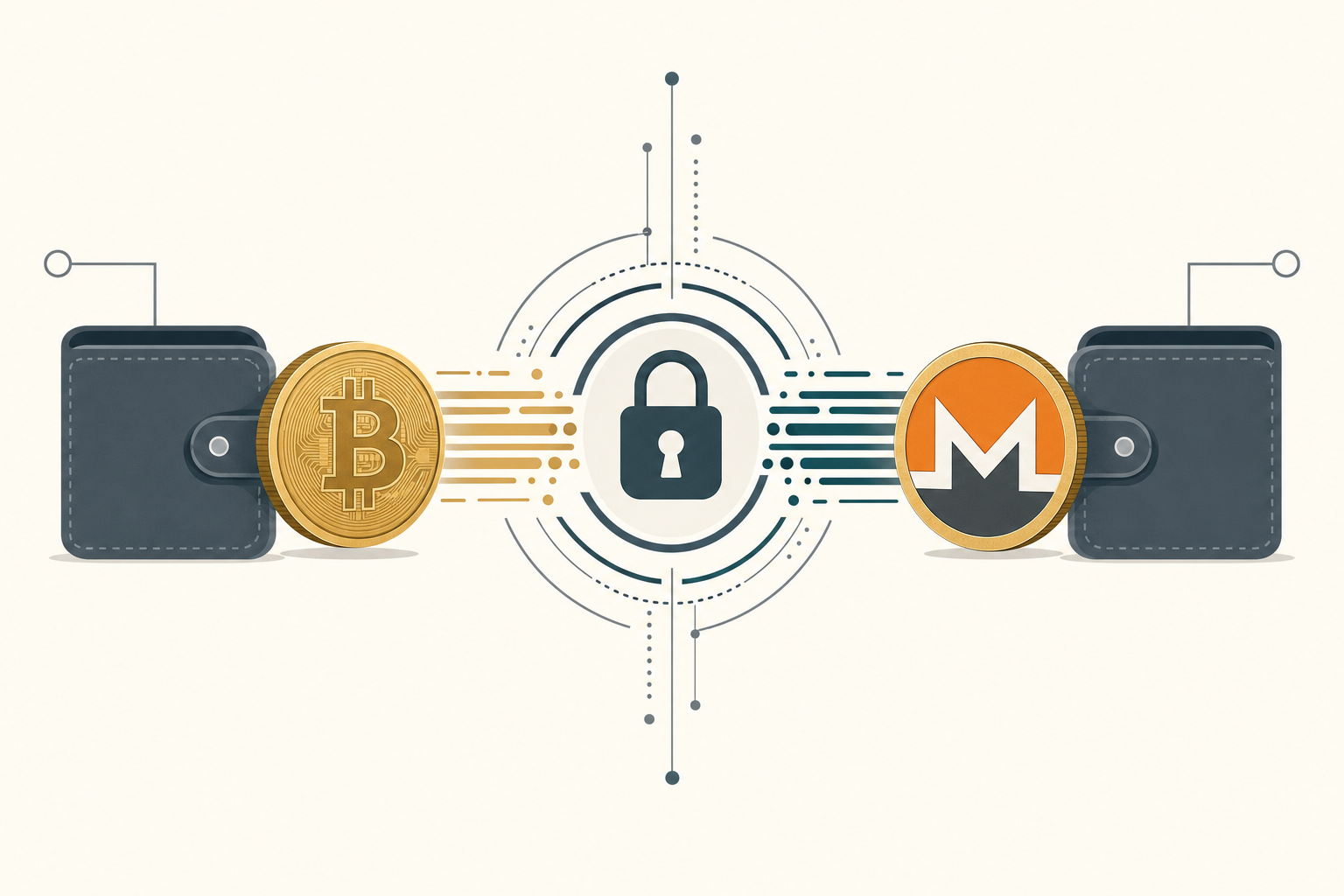
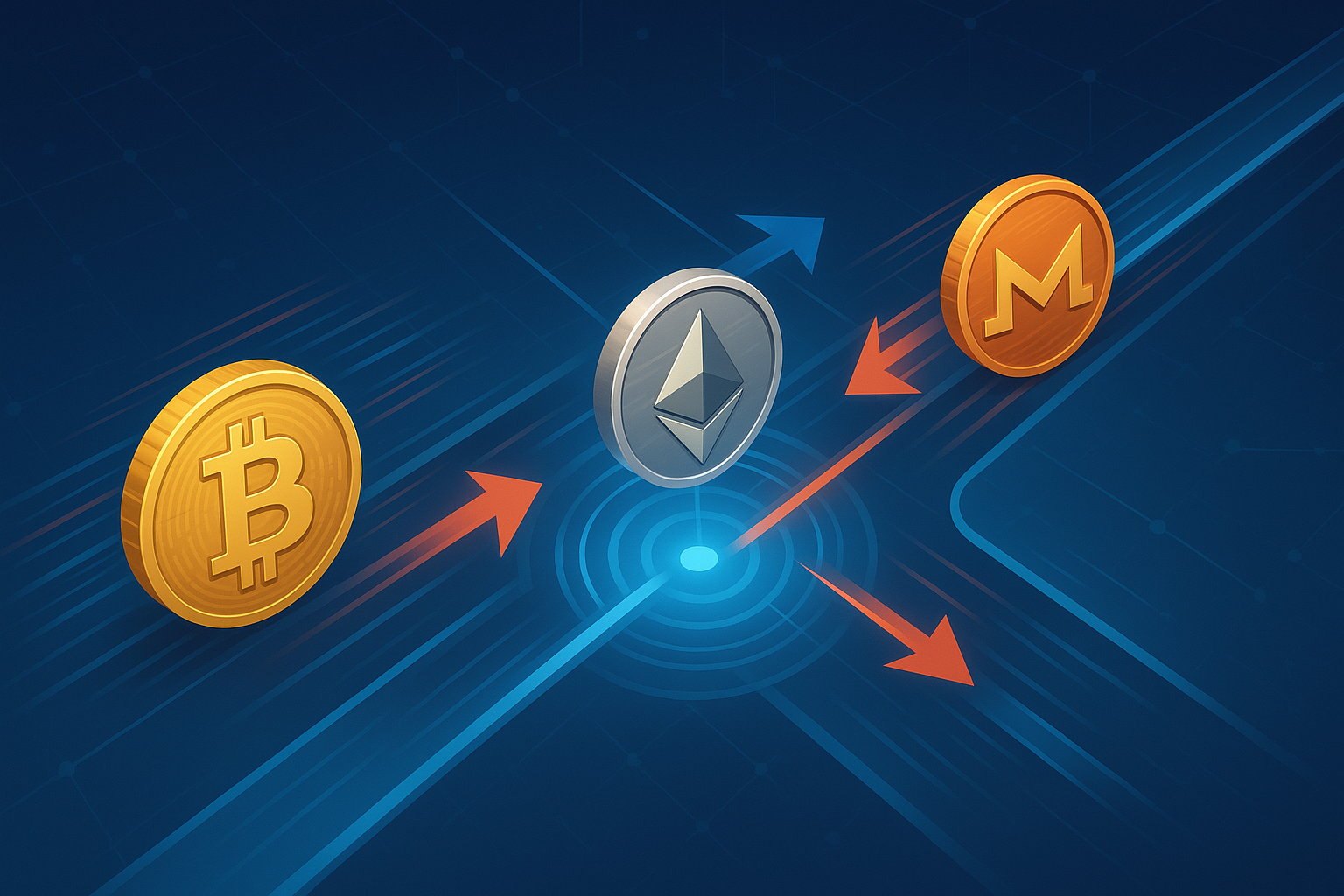
Your wallet will show the transaction hash. You can track it on a block explorer to monitor confirmation progress. For a fast, private option, you can btc to xmr on a non-custodial platform with no account required.
Step 7: Verify Receipt of Tokens
After the transaction is confirmed:
- Open your wallet and check your token balances.
- If you don’t see the token, add its contract address manually to your wallet’s token list.
- Confirm that the amount received is within the quoted range (accounting for slippage and fees).
Practical Tips for Using Instant Crypto Swap Safely and Efficiently
1. Always Double‑Check URLs
Phishing is a major threat in crypto. To reduce risk:
- Bookmark official URLs and access them from your bookmarks.
- Look for HTTPS and ensure certificates are valid.
- Be skeptical of links shared in DMs or random social posts.
2. Test With a Small Amount First
Before making a large swap:
- Send a small test trade to verify the route and speed.
- Ensure you understand the fee structure and slippage impact.
- Confirm that your wallet and the platform interact as expected.
3. Monitor Gas Prices and Network Conditions
Timing matters. Higher network activity can cause:
- Elevated gas fees
- Longer confirmation times
- Greater vulnerability to slippage
Use gas trackers and avoid peak congestion whenever possible, especially for large trades. For a fast, private option, you can btc to eth on a non-custodial platform with no account required.
4. Set Reasonable Slippage Tolerance
A very low slippage setting may cause frequent swap failures; a very high one can expose you to poor execution. As a rule of thumb:
- Blue‑chip, high‑liquidity tokens: 0.1%–0.5% slippage is often sufficient.
- Mid‑cap and low‑cap tokens: May require 1%–3% or more; proceed with caution.
5. Manage Token Approvals
Over time, you may grant multiple protocols permission to spend your tokens. To reduce risk:
- Review token approvals regularly via a reputable token allowance checker.
- Revoke approvals that you no longer need.
- Avoid perpetual infinite approvals where possible.
6. Understand Tax and Reporting Implications
In many jurisdictions, each crypto‑to‑crypto trade—including instant swaps—can be a taxable event. That means:
- Keep records of dates, amounts, and values at the time of each swap.
- Consider using a portfolio or tax tracking tool that integrates with on‑chain data.
- Consult a professional if you are unsure about your obligations.
7. Stay Informed About Protocol Updates
Swap platforms evolve over time. Watch for:
- Announcements of new networks and token support
- Security updates and audits
- Changes in fees, routing logic, or bridge providers
Keeping up to date helps you use the most secure and efficient routes available.
Conclusion
An instant crypto swap transforms how you move value in the digital asset ecosystem. By cutting out complex order books and lengthy deposit processes, it lets you react to the market quickly while keeping control of your private keys. For both newcomers and experienced traders, this can significantly streamline day‑to‑day portfolio management.
However, speed and convenience should never replace caution. Understanding smart contract risk, slippage, liquidity, and network conditions is essential before committing significant capital. Test with small amounts, verify URLs, manage approvals, and track every transaction for your records.
As the infrastructure around instant swaps matures, platforms like GhostSwap are helping to make fast, non‑custodial, and user‑friendly crypto trading the norm rather than the exception. Used wisely, these tools can become a core part of your strategy for navigating the ever‑changing world of digital assets.
Ready to Swap?
Convert your crypto instantly on crypto swap — no KYC, no sign-up required.
Popular swaps: BTC to XMR | BTC to ETH | XMR to BTC | ETH to XMR | BTC to SOL